
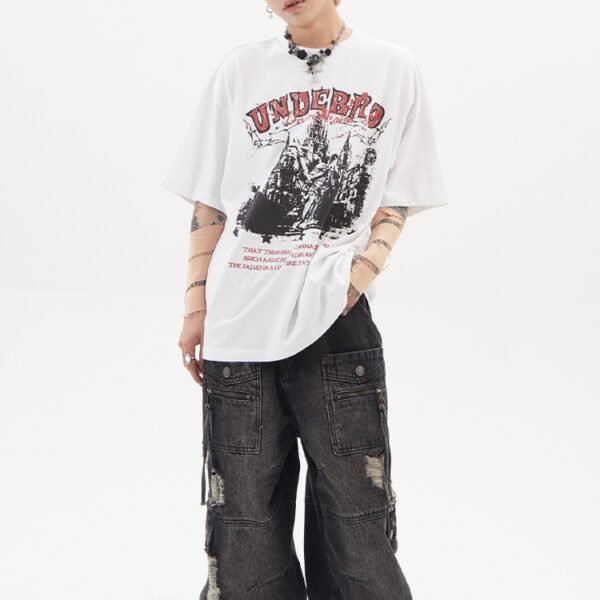




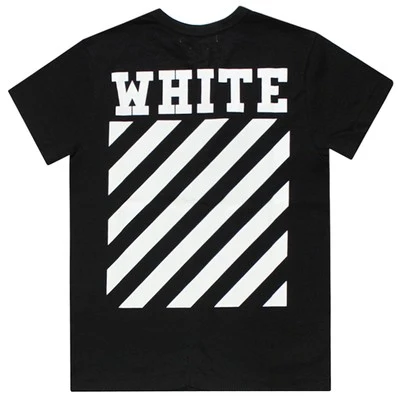
Develop this black graphic T-shirt through shoulder balance and sleeve pitch, because the large central artwork makes distortion immediately visible. The relaxed presentation in the supplied image calls for enough shoulder ease to move naturally, while controlled pitch prevents the sleeves from appearing sloped, twisted, or oversized.
Shoulder Balance Controls the Visual Centerline
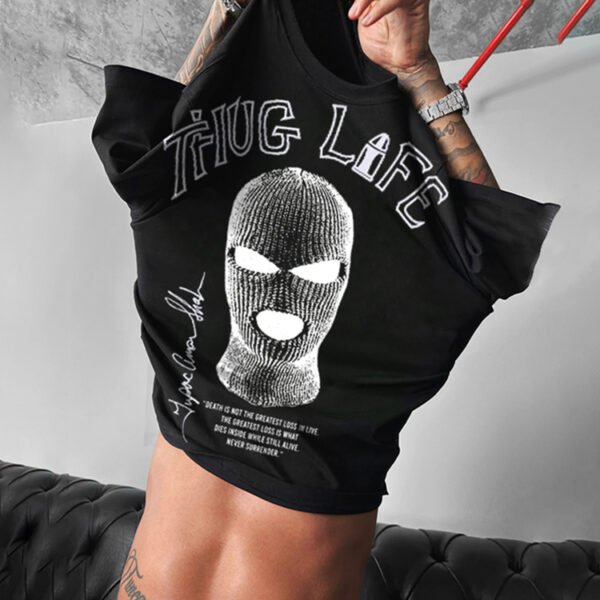
The supplied image presents the tee by its shoulder area, making the shoulder seam, neckline, and upper chest the clearest construction clues. Because the graphic occupies much of the front, even a small shoulder imbalance can make the artwork appear shifted or rotated.
VeeWen should establish shoulder width, front and back balance, neckline position, and chest width as a linked pattern group. The goal is a centerline that remains credible when the garment hangs freely, is worn naturally, or is layered over a close-fitting base.
Sleeve Pitch Shapes Relaxed Proportion
The visible sleeve falls outward from the shoulder rather than standing close to the arm. That relaxed pitch can create an easy streetwear attitude, but excessive outward rotation may enlarge the upper silhouette and pull the graphic toward the side seam.
Development should compare sleeve angle, cap height, opening circumference, and bicep ease on the same fitting body. A controlled pitch preserves the intended relaxed character while keeping the sleeve hem visually parallel and the front artwork readable during movement.
Graphic Scale Exposes Pattern Drift
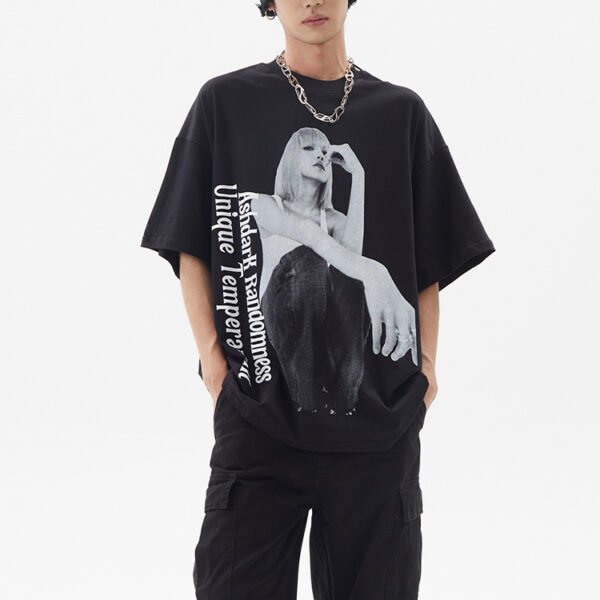
The large light-on-black graphic creates strong contrast across the front, so uneven shoulder balance will be easy to notice. A small neckline shift or skewed chest panel can change the perceived expression of the artwork even when the printed file itself is accurate.
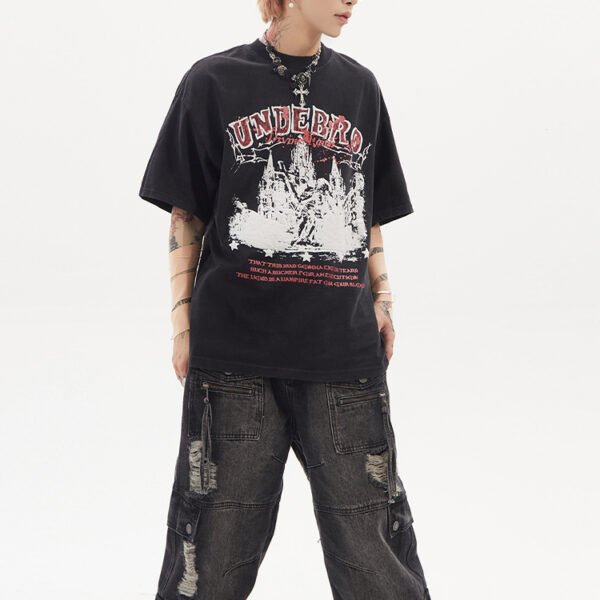
For that reason, approve placement from the garment centerline, not only from the artwork bounding box. Measure neckline to graphic, side seam to graphic, and shoulder seam to sleeve opening so construction and decoration remain coordinated across sizes.
Neckline and Shoulder Relationship
The rounded neckline appears visually compact against the upper chest, while the shoulder area carries a more relaxed width. This contrast can make the garment feel intentional, but it also requires careful balance so the neck does not look tight beside an overly extended shoulder.
Buyers should choose the neckline depth and shoulder drop as a single styling decision. A closer neck can support a cleaner graphic frame, whereas additional shoulder ease increases casual volume; both options affect sleeve pitch and should be tested together.
VeeWen Workflow for Pitch Approval
VeeWen can build the development around a pitch-specific review: mark the centerline, draft shoulder and sleeve measurements, place the artwork, then fit the sample in front, side, and back views. This sequence reveals whether the graphic, neckline, and sleeve are reinforcing one another.
The decisive review should use a moving wearer and a flat lay. Compare shoulder drop, sleeve angle, arm lift, and artwork drift, then document the preferred block before grading. This keeps the chosen silhouette reproducible rather than dependent on one model's posture.
Final Balance Check Before Production
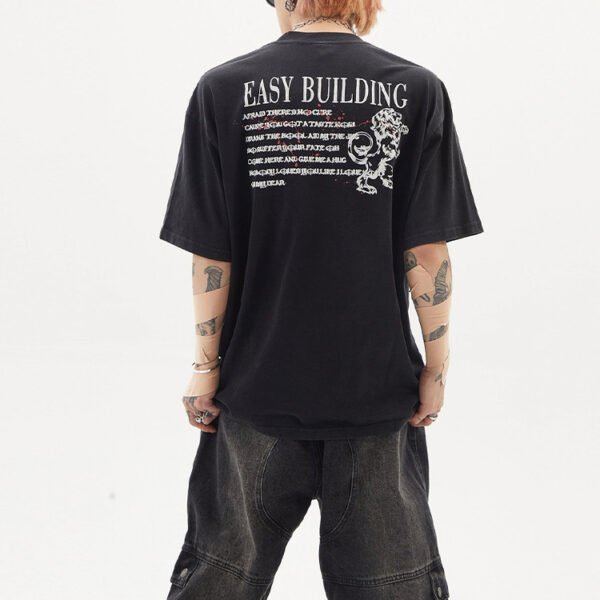
Before production approval, inspect both shoulder slopes and confirm that the sleeve hems match in apparent pitch. Check the graphic at rest and after arm movement, because fabric rotation can expose imbalance that is hidden in a static front photograph.
The buyer should approve shoulder width, neckline position, sleeve pitch, artwork scale, and print placement together. Any later change to chest ease or shoulder drop requires another balance review, since the front graphic makes proportion changes immediately visible.
Buyer Questions
Why does a large graphic require shoulder balance?
A large graphic makes centerline movement obvious, so uneven shoulders, neckline shifts, or sleeve rotation can make accurate artwork appear visually distorted.
What does sleeve pitch change on the finished tee?
Sleeve pitch changes the perceived shoulder width, upper-body volume, arm mobility, and relationship between the sleeve hem and the graphic centerline.
Should the graphic be approved before the pattern?
Approve artwork and pattern together because scale, centerline, neckline position, and shoulder balance must be evaluated as one coordinated garment system.
What is the minimum order quantity?
The commercial minimum is MOQ: 100 pieces per style, while final colors, size ratios, and approved specifications remain part of order confirmation.
Approve the Shoulder-Pitch Block
Share the target size chart, artwork dimensions, and preferred relaxed silhouette so VeeWen can align shoulder balance, sleeve pitch, and graphic placement for sampling review.



Reviews
There are no reviews yet.