
Apparel Manufacturing Capabilities for Production-Ready Collections
VeeWen delivers apparel manufacturing capabilities for menswear and streetwear labels, from concept and sampling to packed bulk goods, with a 100-piece-per-style MOQ.
Featured Products for apparel manufacturing capabilities Development


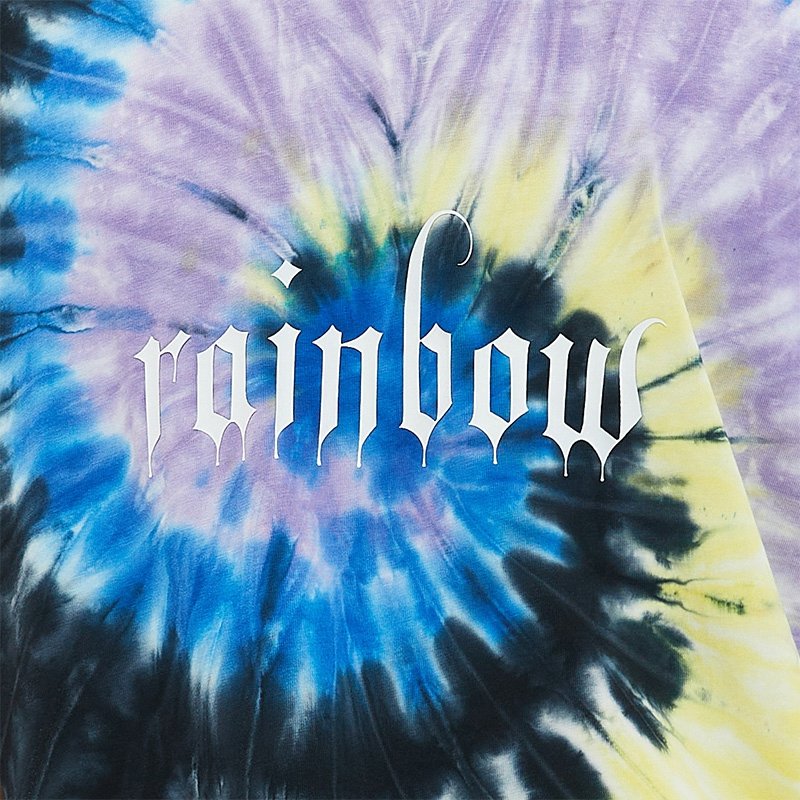


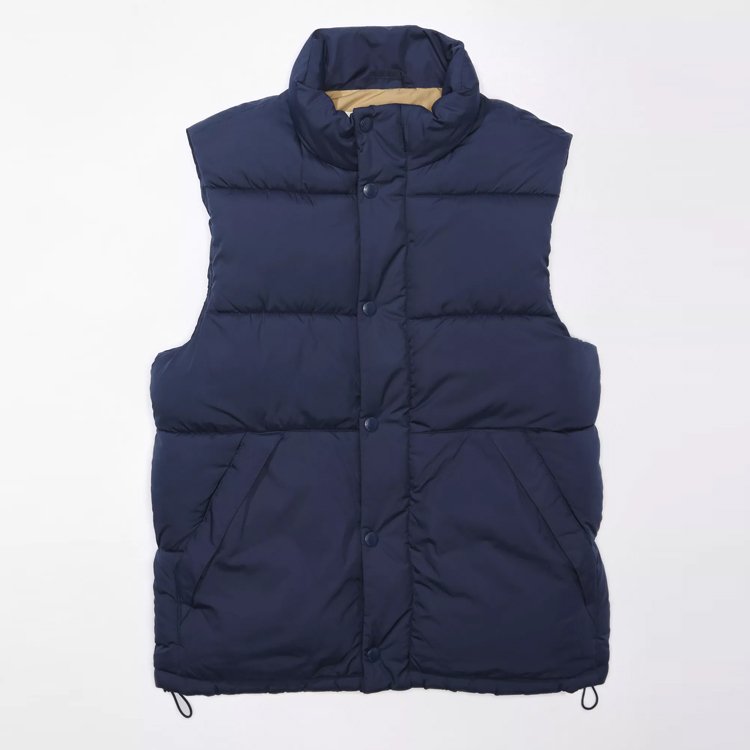
Apparel Manufacturing Capabilities That Protect Your Product Vision
VeeWen translates your visual direction into approved specifications, from fit and fabric through finishing, trims and size consistency.
Practical Fit-Block Development
Turn references or tech packs into workable blocks with measured shoulder drop, body width, sleeve pitch and graded garment specifications.
Fabric Weight Matching
Match jersey, fleece, denim or performance fabrics to the intended structure, hand feel, wash direction, end use and target price.
Decoration Testing
Validate print, embroidery and patch choices before bulk production, balancing visual impact, placement, durability, drape and production timing.
Controlled Wash Programs
Plan pigment, enzyme, acid or vintage washes with clear expectations for shrinkage, shade variation, fading and final garment character.
Coordinated Private-Label Trims
Align labels, hangtags, drawcords, zipper pulls, buttons, patches and packaging into a cohesive production-ready brand presentation.
Repeatable Size Grading
Set approved measurements and grading rules across the size run, helping each reorder retain the intended fit and proportions.
Explore Apparel Manufacturing Capabilities
Continue to every direct child page in this Studio architecture section.

OEM, ODM & Private Label
OEM clothing manufacturing from 100 pieces per style, with sampling, fabric sourcing, private labels, QC and packed bulk goods. Request a custom quote.
Explore Category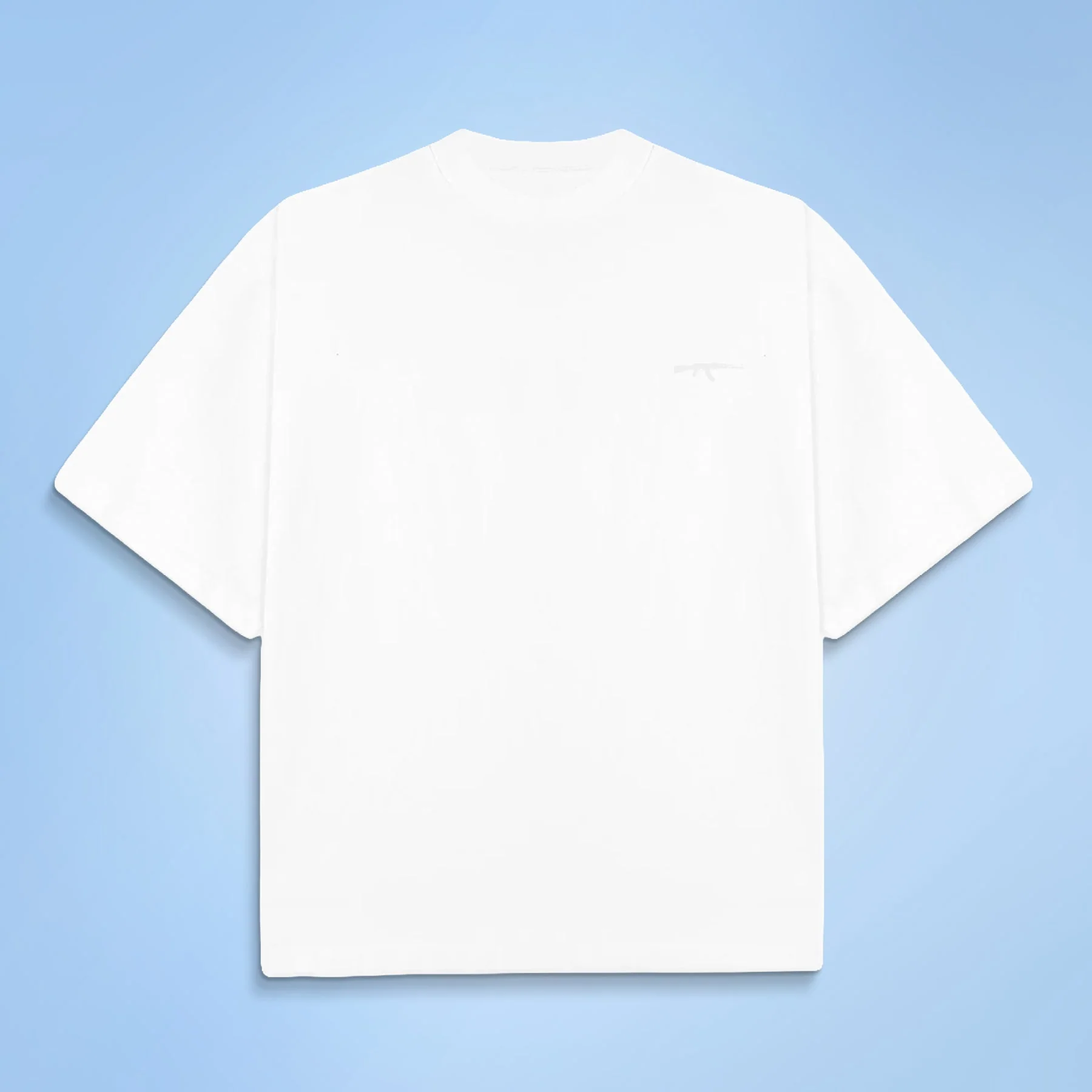
Design & Product Development
Clothing design and product development from concept to packed bulk goods, with a 100-piece-per-style MOQ for focused fashion drops. Request a custom quote.
Explore Category
Pattern Making & Sampling
Clothing pattern making and sampling from 100 pieces per style, with fit review and production-ready specs. Send your tech pack to request a quote.
Explore Category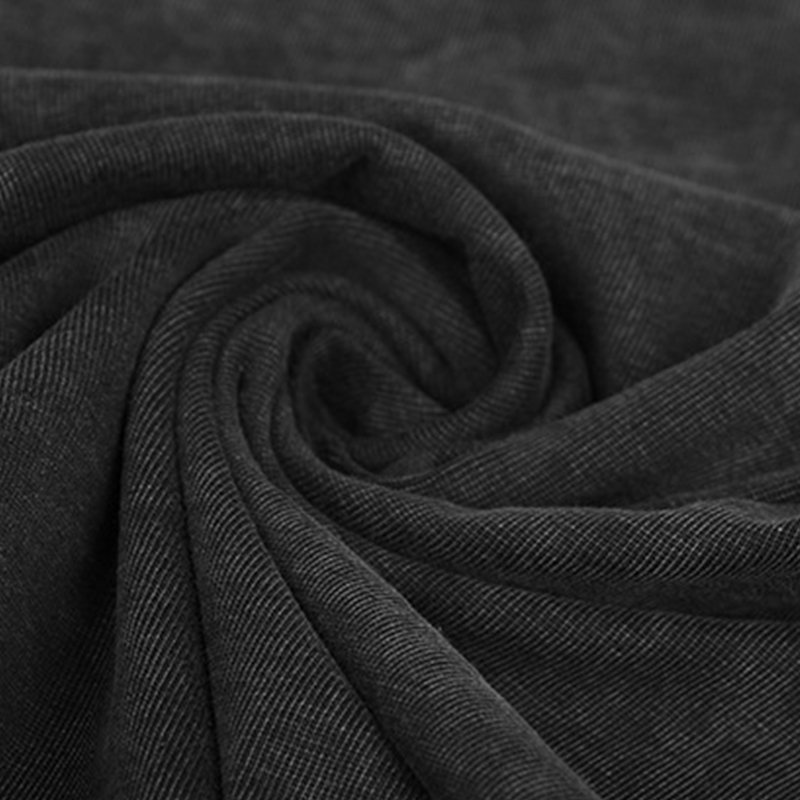
Fabric & Material Sourcing
Apparel fabric sourcing from 100 pieces per style, matched to weight, hand feel, wash and price targets for OEM collections. Request a custom quote today.
Explore Category
Cutting & Sewing
Cut and sew clothing manufacturing from 100 pieces per style, with patterns, samples, trims and private-label packing managed in one workflow. Request a quote.
Explore Category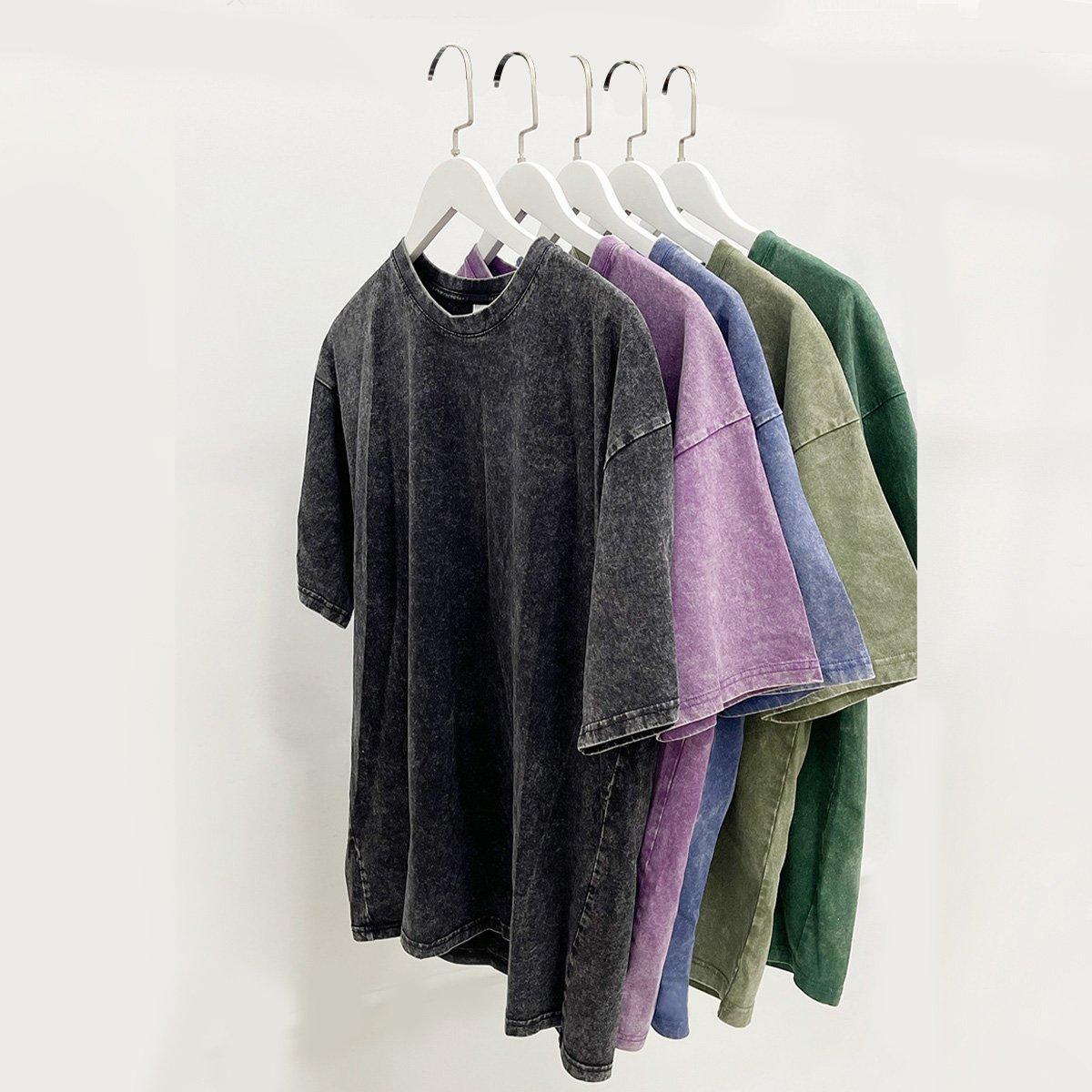
Garment Printing
Custom garment printing for labels from 100 pieces per style, with screen print, DTF, DTG and specialty inks tested on approved samples. Request a quote.
Explore Category
Embroidery, Appliqué & Patches
Custom apparel embroidery from 100 pieces per style, with digitizing, flat, 3D, chenille and patch options for private-label collections. Request a quote.
Explore Category
Garment Washing & Dyeing
Garment washing and dyeing from 100 pieces per style, with approved samples for consistent shade, shrinkage and vintage effects. Request a custom quote.
Explore Category
Trims, Labels & Packaging
Custom clothing labels and packaging from 100 pieces per style, coordinated with your garment specs and approved samples. Request a custom quote today.
Explore Category
Quality Control
Apparel manufacturing quality control with documented fabric, fit, in-line and final checks for 100-piece styles. Send your tech pack to request a quote.
Explore Category
Low MOQ & Flexible Production
low MOQ clothing manufacturing from 100 pieces per style, with OEM, ODM, sampling, trims and packing managed in one workflow. Request a custom quote today.
Explore Category
Shipping & Fulfillment
Apparel production shipping and fulfillment from 100 pieces per style, with production checks, private-label packing and shipment coordination. Request a quote.
Explore CategoryApparel Manufacturing Capabilities, Executed Differently
Founded in Dongguan in 2016 by ChangKeng Luo, VeeWen was built to turn menswear and streetwear concepts into production-ready collections. We support global labels, designers, e-commerce sellers and corporate buyers with direct, practical guidance from the first product discussion onward.
Our apparel manufacturing capabilities span OEM, ODM, private-label and cut-and-sew programs across menswear, streetwear and full-category apparel for men, women and children. With a standard 100-piece-per-style MOQ, we combine fabric sourcing, sampling, bulk production, quality checks and packaging within one accountable workflow.
What distinguishes VeeWen is a production-minded approach to every decision. Clear specifications, approved samples and documented checkpoints keep fit, materials, decoration, trims and packing aligned before bulk goods move forward, giving buyers a reliable basis for focused launches and repeatable reorders.

Apparel Manufacturing Capabilities, From Fit Blocks to Finishing
Heavyweight Fabric Development
Build structured tees, hoodies and fleece programs around the right fabric weight, hand feel and recovery. VeeWen matches jersey, French terry or fleece to your intended silhouette, wash direction, target price and end use before sampling begins.
- Heavyweight jersey and oversized tee options
- French terry and fleece weight selection
- Shrinkage and wash-effect considerations
- Material recommendations for your fit block

Streetwear Fit Engineering
Turn a visual reference into repeatable graded measurements for menswear and streetwear. Our apparel manufacturing capabilities address shoulder drop, body width, sleeve pitch, rise, inseam and rib recovery, so approved samples create a reliable base for future reorders.
- Boxy, oversized and regular fit blocks
- Practical measurement and grading discussions
- Fit review through sample revisions
- Menswear-first pattern development

Decoration Testing Before Bulk
Test the production details that define your collection before bulk approval. Screen print, puff ink, transfers, embroidery and patches are assessed against fabric behavior, placement and garment drape, helping prevent an impressive artwork file from becoming an impractical finished garment.
- Screen print, DTF, DTG and heat transfers
- Flat, 3D, chenille and applique embroidery
- Placement and density checks
- Decoration samples before production approval

Wash, Trim and Label Coordination
Coordinate wash treatments and private-label components as one production system. Pigment dye, vintage fading, custom labels, hangtags, drawcords and packaging are planned around shade variation, shrinkage, lead time and finished presentation for a more controlled 100-piece-per-style program.
- Garment dye, enzyme and acid wash options
- Labels, hangtags and custom packaging
- Trims matched to the garment specification
- Clear pre-production confirmation checkpoints

Why Labels Choose VeeWen for Apparel Manufacturing Capabilities
A production-minded alternative to fragmented apparel sourcing.
← Swipe left or right to view →
Apparel Manufacturing Capabilities: Production, Step by Step
A documented workflow that turns your menswear or streetwear concept into approved, packed bulk goods with clear production checkpoints.
Review the Product Brief
Send a tech pack, sketch, reference sample, or inspiration images. We clarify fit, measurements, target price, fabric direction, trims, and order requirements.
Develop Materials and Patterns
VeeWen recommends fabrics and builds patterns around your fit block, including body width, shoulder drop, sleeve pitch, graded measurements, and construction details.
Approve Sample and Fit
Review the development sample for fit, hand feel, construction, and proportions. Your feedback is documented before revisions or final sample approval moves the style forward.
Test Decoration and Finishing
Screen prints, embroidery, washes, patches, and trims are tested against the garment. We confirm visual results, drape, shrinkage, shade variation, and production feasibility.
Confirm Pre-Production Details
Approve final specifications, labeling, packaging, size breakdowns, and pre-production details. This checkpoint aligns the bulk program with the approved sample and documented requirements.
Produce, Inspect, and Ship
Bulk manufacturing follows with in-line inspection, final quality checks, packing, and shipment coordination. Start focused collections from 100 pieces per style with one accountable partner.
Start Your Apparel Manufacturing Capabilities Program
Move from a concept or complete tech pack to approved bulk goods with clear specifications, sample checkpoints and one accountable production partner.
Send Your Product Direction
Share a tech pack, sketch, reference sample or inspiration image, plus target quantities, category, fit direction and intended market for your custom program.
Confirm Specifications and Quote
Provide size charts, fabric weight or hand feel, artwork files, wash direction, labels and trims so VeeWen can clarify feasibility, pricing and timing.
Review Your Development Sample
Assess the sample for fit, measurements, fabric behavior, decoration placement and construction details; approve revisions before pre-production specifications are locked.
Approve Bulk Production
Confirm the final sample and 100-piece-per-style order details. VeeWen coordinates sourcing, cut-and-sew production, in-line inspection, finishing and private-label packaging.
Receive Packed Bulk Goods
Final quality checks verify approved requirements before goods are packed with your labels, hangtags and polybags, then prepared for shipment coordination.
What Buyers Say About Their VeeWen Production Runs
VeeWen translated our oversized tee references into a repeatable fit block. Across our 3-size run, shoulder drop and body width stayed consistent, and our first 240-piece drop sold through faster than the prior supplier’s version.
The team matched the electric-blue print color and soft hand feel we approved on the sample, then carried it through 500 hoodies. We avoided the stiff plastisol finish that had caused returns on our previous run.
Our washed workwear program arrived on schedule with labels, hangtags and polybags correctly packed by size. After repeated washes, the embroidery and garment-dye finish still held up across the 300-unit launch order.
Apparel Manufacturing Capabilities FAQ for OEM Buyers
Clear answers on MOQ, development inputs, materials, finishing and private-label production with VeeWen.
What apparel manufacturing capabilities can VeeWen support for a 100-piece MOQ?
Do I need a tech pack to use your apparel manufacturing capabilities?
Can I combine different product categories in one apparel manufacturing order?
How do you help choose the right fabric for my garment?
Which printing and embroidery options are available?
How long do samples take before bulk production?
Will garment dyeing or washing create shade and size variation?
Can you manage sizing, labels and private-label packaging?
Apparel Manufacturing Capabilities: A Complete Buyer’s Guide
Use this decision framework to assess supplier capabilities, compare materials and customization options, validate quality and costs, and avoid sourcing mistakes when selecting an OEM, ODM, or private-label apparel partner.
1. What Are Apparel Manufacturing Capabilities?
2016 is the founding year of Dongguan VeeWen Clothing Co., Ltd.; apparel manufacturing capabilities mean the complete system a supplier brings to turn a product brief into packed bulk goods. That system includes development skill, equipment, trained operators, production planning and documented quality checkpoints—not simply floor area or machine count.
100 pieces per style is VeeWen’s standard MOQ, so capability must also include practical sampling, fabric and trim sourcing, fit approval, decoration trials and repeatable specifications. A capable partner coordinates OEM, ODM or private-label work through bulk production, inspections, labels, packaging and shipment handover while clearly flagging trade-offs in cost, lead time, shrinkage and finish variation.
2. Evolution of Apparel Manufacturing Capabilities
2010s e-commerce cycles compressed seasonal buying into smaller, faster drops. Traditional cut-make-trim factories mainly executed approved patterns and trims; integrated OEM, ODM, and private-label partners increasingly added sourcing, digital patternmaking, sampling, decoration testing, and packaging coordination.
100-piece minimums now let newer labels validate a fit block or capsule before committing to larger reorders. Global material access, automated cutting support, and shared digital specifications have raised buyer expectations for apparel manufacturing capabilities: clear development checkpoints, realistic lead-time trade-offs, and a supplier that can turn an idea into repeatable bulk goods.
3. Types of Apparel Manufacturing Capabilities
Five common models divide responsibility differently across product development and production. Comparing their scope helps buyers match apparel manufacturing capabilities to their budget, timeline, and internal design resources.
| Model | Scope | Ownership | Best Fit | Tradeoff |
|---|---|---|---|---|
| CMT | Cut, make, trim | Buyer | Established teams | Highest control, slower |
| OEM | Build buyer design | Buyer | Growing labels | Balanced investment |
| ODM | Adapt factory designs | Shared | New labels | Fast, less distinct |
| Private label | Brand existing blanks | Shared | Fast tests | Lowest investment |
| Full package | Development through delivery | Shared | Lean teams | Less direct control |
CMT And OEM
CMT cuts, makes, and trims buyer-supplied specifications. OEM builds an approved buyer design and can coordinate sourcing.
ODM And Private Label
ODM adapts factory-developed styles for faster launches. Private label adds branding to existing blanks, reducing investment but limiting distinction.
Full-Package Fit
Full-package production coordinates development through packed goods. New labels usually need ODM or full-package support; established brands often retain OEM or CMT control.
4. Apparel Manufacturing Capabilities for Materials
Fabric sourcing fixes drape, durability, cost, minimums and calendar risk before sampling. VeeWen matches materials and trims to the garment’s end use, then confirms specifications in the approved sample.
| Material | Best Use | Buyer Request |
|---|---|---|
| Cotton jersey | T-shirts | 180–300 GSM; shrinkage |
| French terry | Hoodies | 320–450 GSM; recovery |
| Nylon blend | Shells | Composition; colorfastness |
Specify Fabric Performance

100% cotton, cotton blends, jersey, French terry, fleece, twill and poplin require composition, GSM, hand feel, shrinkage and colorfastness targets. State intended use: structured tee, brushed hoodie, uniform, woven shirt or performance shell.
Assess Synthetic And Recycled Options

Polyester, nylon and stretch blends suit moisture management, abrasion resistance or lightweight shells; recycled inputs can affect price, availability and mill minimums. Request certification evidence when claims such as GRS, GOTS or OEKO-TEX matter.
Lock Trim Specifications

YKK zippers, ribbing, drawcords, buttons, labels and patches need color, material, dimensions and test requirements. Custom hardware or dye-matched trims can raise minimums and extend lead time, so approve them before bulk booking.
5. Customization and Decoration Capabilities
At VeeWen’s 100-piece MOQ, approved strike-offs lock artwork, trims, and color before bulk. Choose decoration by visual effect, garment hand, and reorder cost.
| Method | Best Use | Volume | Setup Cost | Durability |
|---|---|---|---|---|
| Screen print | Bold art | 100+ | Medium | High |
| DTG | Detailed art | Small runs | Low | Medium |
| Heat transfer | Names, activewear | Small-medium | Low | Medium |
| Embroidery | Fleece, caps | 100+ | High | High |
Match Method To Artwork

Screen printing gives bold graphics durable coverage; DTG preserves photographic detail on small runs. Heat transfers suit names and performance fabrics.
Build Private-Label Details

Custom labels, hangtags, patches, and polybags turn standard garments into private-label stock. Approve Pantone colors and placement with the sample.
Plan Wash And Packing
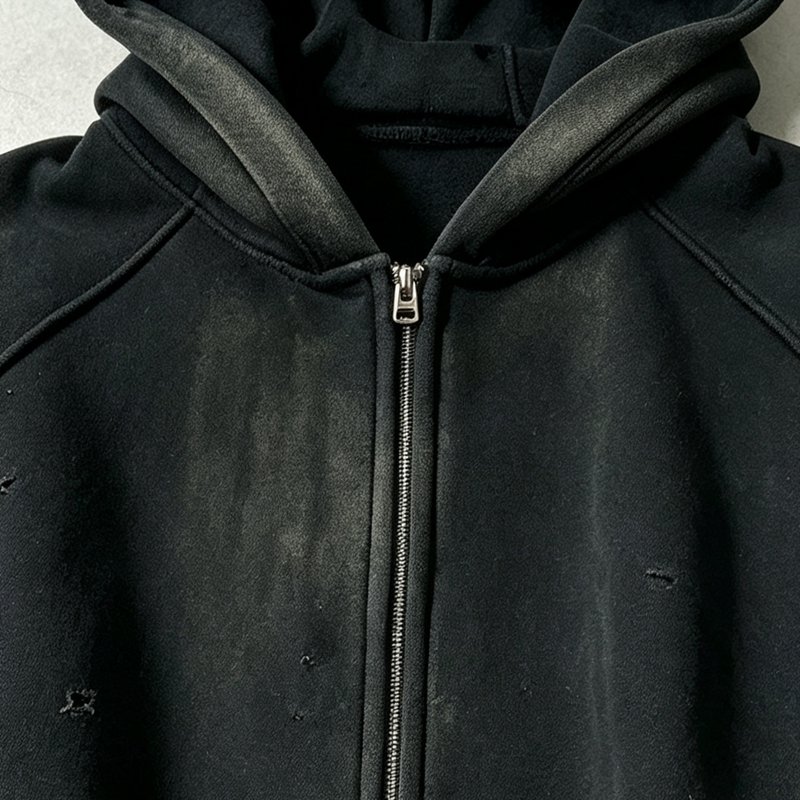
Enzyme and pigment washes deliver worn streetwear character but change shrinkage and shade. Confirm wash before grading, printing, and packing.
6. Construction and Quality Control Essentials
Dependable apparel manufacturing capabilities are proven before bulk cutting, not after delivery. Lock the fit block, graded measurements, seam construction, tolerances, and wash behavior in an approved pre-production sample.
Pattern And Grading
100-piece runs still need a signed measurement spec. Ask for POMs, size grading, and tolerances—commonly ±1 cm for key garment dimensions—before fabric is cut.
Construction Checkpoints
8–12 SPI is typical for many knit seams; seam choice must suit stretch and stress. Confirm coverstitch or flatlock use, bartacks at pockets, and reinforcement at crotches, plackets, and zipper ends.
Bulk Approval And Inspection
1 approved pre-production sample should match bulk fabric, trims, artwork, and packing. Require inline checks, wash testing for shrinkage and shade change, then final AQL inspection; ask which defects are critical, major, or minor.
7. Choosing Apparel Manufacturing Capabilities That Fit
Start with the product category, not a supplier’s broad catalog. A China partner should match your 100-piece MOQ, fit complexity, technical support, export route, and documented quality process before price becomes the deciding filter.
| Check | Evidence | Decision Signal |
|---|---|---|
| Category fit | Comparable samples | Correct blocks |
| Quality system | Inspection records | Clear checkpoints |
| Terms | Written quote | Defined payment and lead time |
Validate The Development Process
1 approved sample is stronger evidence than a capability list. Compare graded measurements, shrinkage, print or embroidery tests, construction notes, and the speed and clarity of English responses.
2 records should be requested before bulk approval: a sample revision log and pre-production specification. Ask for factory photos, recent buyer references, inspection checkpoints, and certification documents where a program requires OEKO-TEX, GOTS, WRAP, or BSCI.
Shortlist Commercial Fit
100 pieces per style can suit a focused launch, but confirm color splits, size ratios, available lines, capacity, production lead time, export experience, and payment milestones in writing.
3 suppliers are enough for a practical comparison. Score their category specialization, sample result, communication, terms, and evidence rather than accepting unverified capacity claims.
8. Common Apparel Manufacturing Capability Mistakes
At a 100-piece MOQ, one unclear decision can consume the margin on an emerging streetwear drop. Treat approved specifications and checkpoints as production controls, not paperwork.
Price-Only Sourcing
A $1 lower quote can hide lighter GSM, weaker rib recovery, or omitted inspections. Compare like-for-like specifications and confirm the included quality standard.
Missing Development Controls
One skipped tech pack, fabric test, or rushed sample creates fit drift, shrinkage surprises, and costly rework. Approve measurements, wash results, and a sealed pre-production sample before bulk.
Unclear Production Commitments
A 2-week launch target rarely allows sampling, revisions, trims, and bulk inspection. Confirm 100-piece MOQ rules, Pantone branding details, critical-path dates, and inspection acceptance criteria in writing.
9. Steps to Launch an Apparel Brand
A first order succeeds when product decisions are fixed before bulk commitment. Prepare a target customer, price point, size range, artwork, quantity and delivery date; use manufacturer input to test feasibility.
Build The Product Brief
One brief per style should define fit, measurements, colorways and reference images. A tech pack reduces ambiguity; VeeWen can translate sketches into patterns, fabric options and decoration specifications.
Approve Before Bulk
One approved sample should confirm fabric hand feel, shrinkage, wash effect, trims and placement. Revise fit or artwork before a pre-production sample, then approve inspection standards, labels, polybags and shipment details.
Place A Controlled Order
At 100 pieces per style, start with a focused drop and documented measurements. Confirm the purchase order, production timeline and final QC checkpoint before goods are packed and delivery is coordinated.
10. Apparel Manufacturing Capabilities: Pricing and Cost
100-piece MOQ programs carry higher unit costs because fabric allocation, pattern work, samples, labels, packaging and print screens are spread across fewer garments. Ask VeeWen to quote the same fabric GSM, Pantone colors, trims, decoration, packing, Incoterm and delivery target—not simply the lowest price.
2–3 approved samples usually prevent expensive bulk corrections. Freight, rush production, heavyweight French terry, washes, embroidery density and complex construction should remain separate quote lines.
| Quantity tier | Indicative unit-price direction | Setup costs | Typical lead-time implication |
|---|---|---|---|
| 100–299 | Highest | Sample, pattern, screens | Development plus standard bulk window |
| 300–999 | Lower | Spread across more units | Better material and production planning |
| 1,000+ | Lowest direction | Most setup absorbed | Earlier booking supports efficient scheduling |
Turn Your Apparel Manufacturing Capabilities Into Bulk Production
Send your tech pack, artwork, reference images, or product idea for a custom OEM, ODM, or private-label quote from VeeWen.