








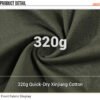
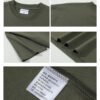






This S8320 development centers on a visible contradiction: the cleaner and smoother a heavyweight jersey looks, the more carefully its finishing must be controlled against abrasion. The supplied image supports a substantial, relaxed T-shirt platform, while source wording identifies 320gsm long-staple cotton.
Why the Surface Finish Matters
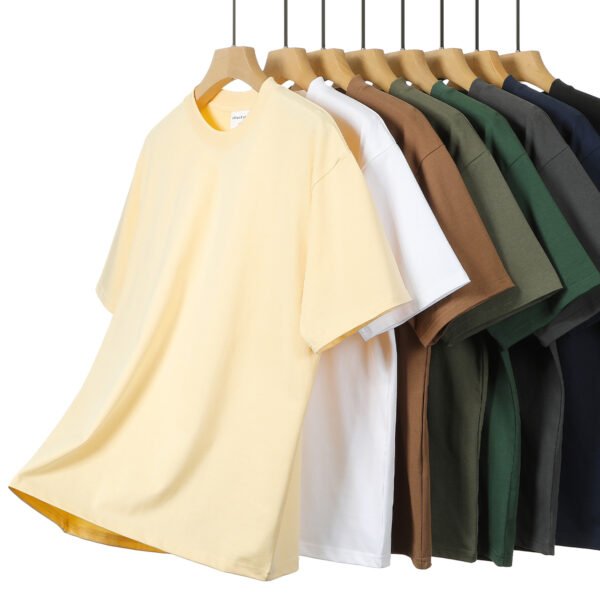
The image presents a level, refined face across the cream front panel, with minimal visible texture interrupting the clean appearance. That visual smoothness can strengthen premium positioning, but finishing pressure may alter handle or surface stability, so the target must be defined before sampling.
For this style, surface finish is not simply a visual preference. It governs how light reflects across the body, how color reads in photography, and how the fabric may respond to repeated contact. VeeWen should therefore treat appearance and durability as linked approval criteria.
Abrasion Exposure in the Silhouette
An oversize body and broad sleeves create more fabric movement and more potential contact at side seams, underarms, hems, and layered areas. The supplied image clearly shows generous proportions, making those zones more relevant than they would be on a close-fitting basic.
Abrasion risk should be reviewed where the garment folds, rubs, or meets bags and outer layers. A smoother face may look sharper initially, while a slightly more restrained finish could better protect appearance. The buyer should decide which visual priority governs the final fabric treatment.
Color and Finish Consistency
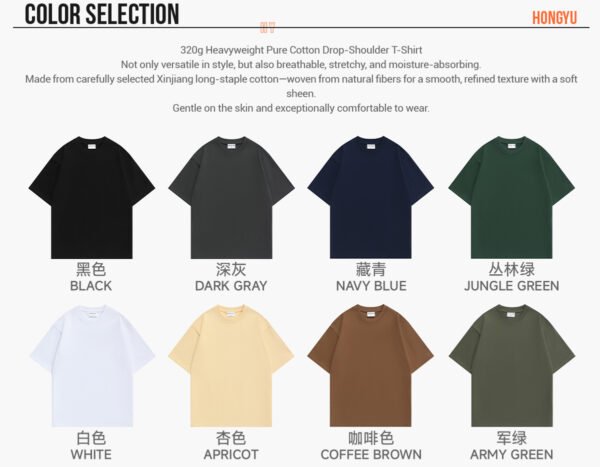
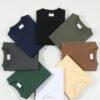
The supplied image shows the same apparent T-shirt construction in cream, white, brown, olive, green, charcoal, navy, and black. That range makes shade consistency part of the surface argument, because small differences in finishing can change perceived smoothness between colors.
VeeWen's development review should compare the lightest and darkest proposed shades under the same handling and lighting conditions. Confirm whether the finish remains visually even without making darker colors appear overly flat or lighter colors reveal irregularity more readily.
Edge Construction as Evidence
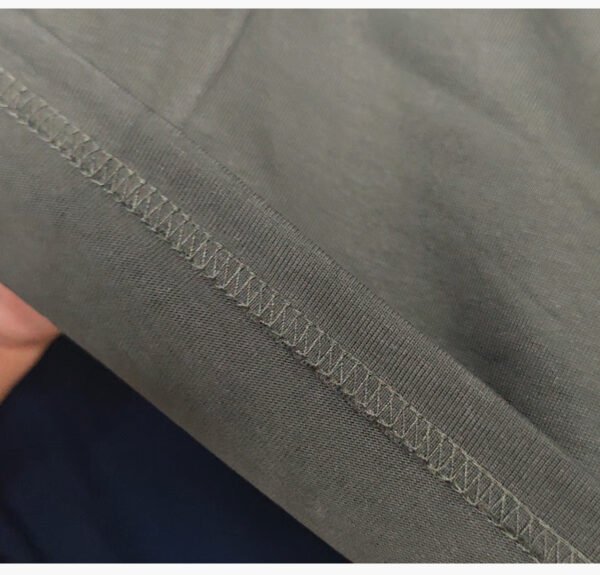
Visible crew-neck, sleeve, and hem edges appear clean and controlled in the supplied image, supporting a restrained development language. These boundaries frame the jersey surface, so uneven cover, waviness, or puckering could undermine the intended polished effect.
The approval sample should inspect those edges after normal handling and laundering evaluation. The buyer is not approving appearance in isolation; the decision should include whether neckline recovery, sleeve hems, and bottom hems retain a crisp relationship with the finished body.
VeeWen Development Checkpoint
VeeWen can translate this argument into a focused sample brief: lock the 320gsm source reference, define the desired face appearance, then identify abrasion and pilling checks relevant to the buyer's intended wear environment. The brief should separate confirmed inputs from items still requiring confirmation.
At the review stage, compare the selected finish across representative colors and high-contact zones. The buyer should record whether the hand feel, surface clarity, and wear response justify approval, revision, or a different finishing route before bulk production planning.
Commercial Approval Logic
This style is commercially coherent when its relaxed proportions and substantial visual weight are supported by a surface that remains credible after use. The strongest decision is not automatically the smoothest face, but the finish that protects the intended appearance within the product's use case.
Before proceeding, approve the fabric direction, color range, and durability threshold together. VeeWen's exact commercial minimum is MOQ: 100 pieces per style, so the buyer should confirm the final specification before allocating that development quantity.
Buyer Questions
Is the 320gsm weight verified?
Yes, 320gsm appears in the supplied source wording, while final delivered weight, tolerance, and test method remain To Confirm during development.
Is the cotton percentage verified?
No. The source wording identifies long-staple cotton, but it does not provide a verified composition percentage for this record.
What should the buyer test first?
Prioritize surface appearance, abrasion response, pilling, color consistency, and edge stability across the chosen colors and high-contact garment zones.
What is the commercial minimum?
VeeWen's exact commercial minimum is MOQ: 100 pieces per style, subject to approval of the final development specification.
Approve the Surface Direction
Send the target color set, intended wear context, and preferred hand feel to VeeWen for a focused S8320 sample review. Confirm surface appearance and abrasion priorities before approving MOQ: 100 pieces per style.


Reviews
There are no reviews yet.