
Garment Washing and Dyeing for Streetwear That Stands Out
Develop pigment dye, enzyme wash, acid wash and vintage fading with production-ready garment washing and dyeing from a 100-piece-per-style MOQ.
Featured Products for garment washing and dyeing Development






Advantages of Garment Washing and Dyeing
Develop distinctive color, texture and vintage character through a controlled post-sew finishing process built for production-ready collections.
Post-Sew Color Character
Dye garments after construction to create richer tonal depth, subtle seam variation and a lived-in identity that flat fabric dyeing cannot replicate.
Controlled Vintage Effects
Test enzyme, acid, stone, snow or pigment wash directions to achieve intentional fading and distressing aligned with your approved visual reference.
Softer Finished Hand
Select wash processes that relax the fabric and improve softness while balancing garment structure, shrinkage expectations and the intended wear experience.
Wash-Effect Prototyping
Review samples before bulk production to refine shade, contrast, abrasion and placement, then document the approved finish for repeatable manufacturing.
Collection-Wide Finish Control
Coordinate garment washing and dyeing across tees, hoodies, denim and outerwear, keeping color direction, trims and private-label details visually cohesive.
Explore Garment Washing & Dyeing
Continue to every direct child page in this Studio architecture section.

Acid Wash Hoodie Wholesale
Acid wash hoodie wholesale from a 100-piece-per-style MOQ, with controlled vintage fade, fit sampling, and private-label packing. Request a custom quote.
Explore Category
Low MOQ Vintage Wash Clothing Production Factory
low MOQ vintage wash clothing production factory for 100-piece streetwear runs, delivering controlled fading and repeatable fit. Request a custom quote.
Explore Category
Low MOQ Acid Wash Shorts Factory
Low MOQ acid wash shorts factory for 100-piece OEM runs, with controlled wash shade variation and approved samples before bulk. Request a custom quote.
Explore Category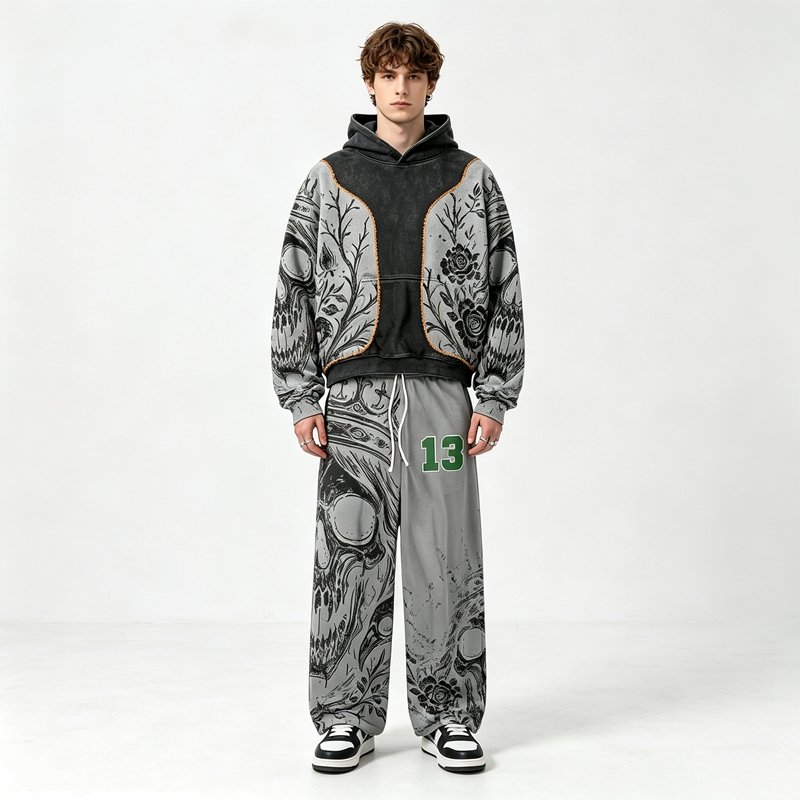
Low MOQ Garment Dyed Sweatpants Factory
low MOQ garment dyed sweatpants factory for 100-piece OEM runs, with controlled wash shrinkage and shade approval. Request a custom quote today.
Explore Category
Garment Dyed Shirts Production Partner
Garment dyed shirts production partner for 100-piece OEM runs, delivering controlled vintage color and fit-approved bulk goods. Request a custom quote today.
Explore CategoryWhy VeeWen for Garment Washing and Dyeing
Founded in Dongguan in 2016 by ChangKeng Luo, VeeWen helps global labels turn garment washing and dyeing references into production-ready apparel. Our primary focus is menswear and streetwear, supported by practical guidance on fabric weight, base color, shrinkage, fading, hand feel and the visual variation each finish can create.
From a tech pack, sketch or inspiration image, we manage full-category OEM, ODM, private-label and cut-and-sew development for men, women and children. Fabric sourcing, pattern work, samples, decoration tests, wash trials, fit approval, bulk production, quality checks and branded packaging are coordinated through one accountable workflow.
What distinguishes VeeWen is transparent, repeatable development. We document specifications, review approved samples before bulk production, and explain the trade-offs behind pigment dye, enzyme wash, acid wash, stone wash and vintage effects. With a standard MOQ of 100 pieces per style, brands can develop focused drops with clearer checkpoints and dependable reorder standards.
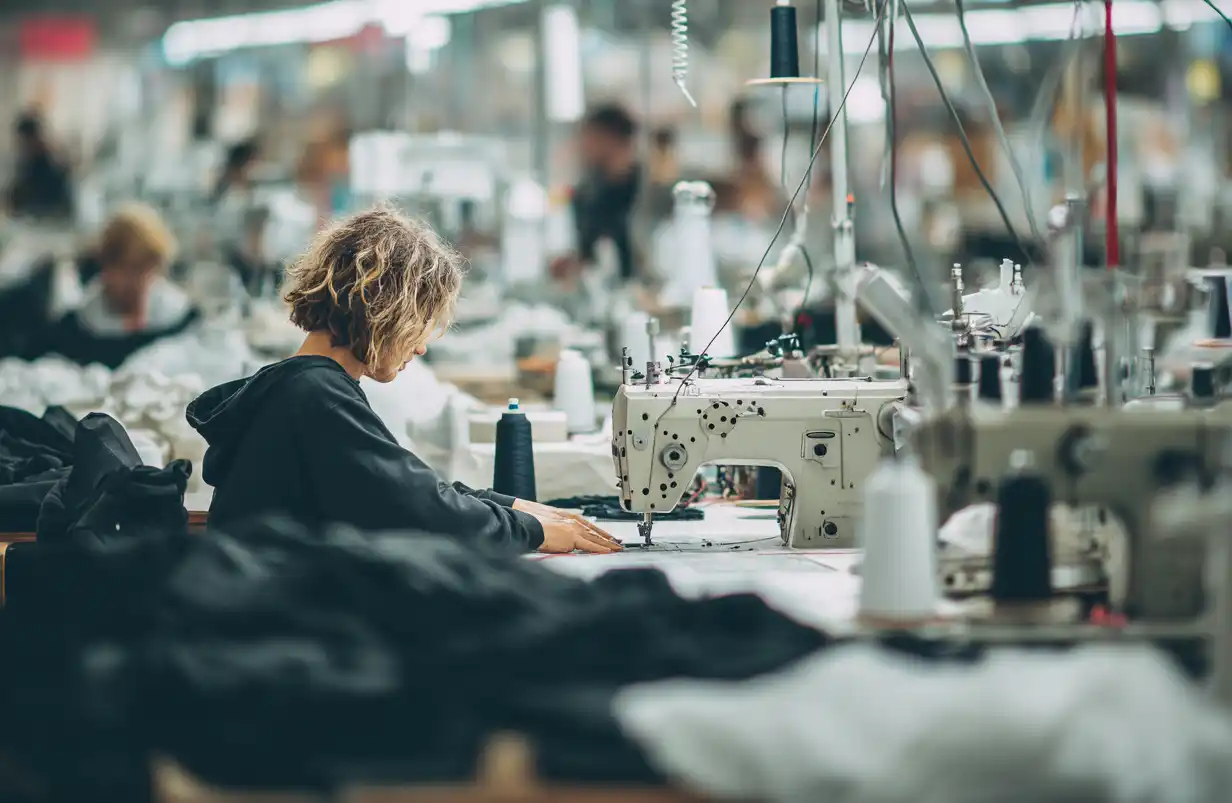
Garment Washing and Dyeing for Repeatable Bulk Finishes
Pigment Dye With Character
Pigment dye gives heavyweight tees, fleece and cotton twill a softly faded, lived-in surface. VeeWen aligns the target shade through approved swatches and wash trials, while setting expectations for tonal variation, seam contrast and gradual wear over time.
- Best suited to cotton jersey, French terry, fleece and twill
- Approved lab dips establish the target color direction
- Seam and rib contrast are reviewed before bulk approval
- Garment measurements account for wash shrinkage

Enzyme Wash for Softer Structure
Enzyme washing reduces surface fuzz and softens cotton garments without relying on an aggressive visual effect. It works well for premium T-shirts, sweatshirts and denim where the goal is a cleaner hand feel, controlled relaxation and a more refined broken-in finish.
- Effective for cotton jersey, terry, fleece and denim
- Softness is balanced against fabric weight and structure
- Shrinkage testing informs graded bulk measurements
- Fit samples confirm rib recovery and garment shape

Acid and Snow Wash Contrast
Acid and snow wash create high-low contrast for bold streetwear pieces, especially fleece, denim and heavyweight jersey. Because each wash reacts differently across panels and seams, VeeWen develops the effect on samples first and locks practical bulk tolerances before production.
- Designed for denim, fleece and heavyweight cotton bases
- Sample trials define contrast level and placement variation
- Construction choices protect seams, prints and trims
- Bulk checks compare finished garments with approved references

Distressing Built Into Construction
Distressing should be planned with the garment pattern, fabric weight and reinforcement points—not added as an afterthought. VeeWen tests abrasions, holes, frays and vintage fading on development samples so the finished piece retains its intended drape, durability and repeatable visual direction.
- Placement follows pattern panels and stress points
- Reinforcement can preserve structure around damaged areas
- Print, embroidery and trims are tested after finishing
- Pre-production samples document the approved distress level
Garment Washing and Dyeing With Finish Control
Compare a production-minded wash program with a typical supplier workflow.
← Swipe left or right to view →
Garment Washing and Dyeing Production Flow
A controlled path from finish brief to packed bulk goods, built around approved references, measurable specifications and clear production checkpoints.
Review Fabric and Finish
We assess fabric composition, weight, garment construction, artwork and wash references to define achievable color, hand feel, shrinkage and distressing targets.
Develop Test Swatches
Trial swatches validate dye recipes, wash intensity and decoration compatibility before sampling, helping align shade variation, fading pattern and intended vintage character.
Approve Production Sample
A finished sample confirms fit, measurements, trim selection and the approved wash or dye result, creating the reference standard for bulk production.
Execute Wash and Dye
Bulk garments move through controlled garment washing and dyeing processes, with settings matched to the approved sample, fabric behavior and finish direction.
Dry Finish and Inspect
Drying, softening, distressing and final finishing are followed by measurement checks, shade review and quality inspections against the approved production specifications.
Pack and Coordinate Shipment
Approved goods receive private-label packaging, labels and packing checks before VeeWen coordinates shipment details for your launch schedule or reorder plan.
Start Your Garment Washing and Dyeing Program
Move from a visual wash direction to approved bulk goods with documented finish controls at every production stage.
Send Your Product Brief
Share a tech pack, reference garment, sketches, or inspiration images with your garment type, fabric preference, target quantity, sizing, and private-label requirements.
Confirm Shade and Finish
Align on the target shade, wash effect, hand feel, distressing level, and acceptable variation, with practical guidance on fabric weight, shrinkage, and production trade-offs.
Review Development Samples
Evaluate sample fit, color, wash character, trims, and decoration details before confirming revisions. Approved samples become the reference standard for your 100-piece-per-style bulk order.
Approve Bulk Production
VeeWen coordinates fabric sourcing, garment washing and dyeing, in-line inspection, final quality checks, labels, packaging, and shipment preparation through one accountable workflow.
What Buyers Say About Our Garment Washing and Dyeing Programs
VeeWen matched the faded, broken-in character from our reference sample after two wash trials. The approved hoodie retained its shape across our six-size run, and the 480-piece drop arrived ready for launch.
Our pigment-dyed tees needed dependable shade and sizing after washing. VeeWen documented the measurements, adjusted the shrinkage allowance, and kept final body-length variance within 1.5 cm across a 300-piece order.
We had a fixed campaign date for 750 acid-wash sweatshirts. The team confirmed the wash standard before bulk, shared clear production updates, and delivered the finished goods on schedule with labels and polybags completed.
Garment Washing and Dyeing FAQ
Practical answers for developing washed, dyed and decorated apparel with VeeWen.
What fabrics work best for garment washing and dyeing?
Can garment washing and dyeing be combined with screen printing or embroidery?
How much shade variation should I expect from garment washing and dyeing?
Are there design limits for acid wash, pigment dye or distressed finishes?
What is the MOQ for custom garment washing and dyeing?
Do I need to pay for a garment washing and dyeing sample?
How long does garment washing and dyeing production take?
What files or references should I send to start a custom wash program?
The Complete Buyer’s Guide to garment washing and dyeing
Use this practical framework to compare finishes, fabrics, customization routes, supplier capabilities, costs, and launch requirements—so you can select the right manufacturing partner and avoid costly development, consistency, and compliance mistakes.
1. What Is Garment Washing and Dyeing?
2016-era streetwear made garment washing and dyeing a core development choice: the sewn garment is dyed or washed after construction. Unlike fabric dyeing, which colors yardage before cutting, these post-construction processes can soften hand feel, set a faded character, and reveal seam highs and lows.
100-piece test drops often suit pigment-dyed tees or enzyme-washed French terry when a label needs visible differentiation. Washing also exposes practical shrinkage and shade variation before bulk approval, so measurements must be set after processing.
2 product paths simplify the decision: choose a garment-dyed or washed style for broken-in color, vintage depth, and individual variation; choose a conventionally dyed blank when tight Pantone matching and cleaner repeatability matter most.
2. Evolution of Garment Washing and Dyeing
1950s workwear finishing established the commercial logic: a wash could soften rigid denim and create a worn appearance before sale. By the 1980s, stone washing and pigment-dyed cotton had moved that logic into fashion, where shade variation became part of the product rather than a defect.
1990s streetwear and sportswear broadened garment washing and dyeing beyond jeans. Faded fleece, garment-dyed jersey, and uneven vintage tones gave heavyweight tees, hoodies, and athleisure pieces an individual look without changing the base pattern.
2020s buyers increasingly expect both character and control: approved wash standards, retained shade references, lot traceability, and repeatable grading across bulk orders. Lower-impact chemistry and documented processing now matter alongside color individuality, because a compelling sample must still translate into consistent packed goods.
3. Types of Garment Washing and Dyeing
Start from the reference look, then match the process to fabric and wear expectation. Garment washing and dyeing should be approved on a finished sample because shade, softness, and shrinkage shift together.
| Process | Result / Hand | Best Use / Trade-Off |
|---|---|---|
| Enzyme | Clean fade; softer | Tees, denim; controlled abrasion |
| Stone | Worn contrast; relaxed | Denim; seam wear and longer handling |
| Acid or bleach | High contrast; dry-vintage | Fleece, denim; shade variation |
| Silicon softener | Smooth, slick-soft | Jersey; little visual change |
| Pigment dye | Washed, uneven cast | Heavy tees; lower rubbing fastness |
| Reactive dye | Clear, durable shade | Cotton basics; higher processing cost |
| Sulfur dye | Deep, aged darks | Denim, twill; crocking must be tested |
| Tie-dye or overdye | Artisanal layers | Small drops; repeatability is limited |
Wash And Dye Matrix
Cotton jersey, fleece, and denim accept different effects; test rubbing and wash fastness before bulk.
4. Fabrics for Garment Washing and Dyeing
180–260 GSM jersey absorbs dye readily; 320–450 GSM terry or fleece gives hoodies more structure. Fabric choice must be approved before garment washing and dyeing, because shrinkage and seam torque vary by construction.
| Fabric | Typical Weight | Wash Notes |
|---|---|---|
| Cotton jersey | 180–260 GSM | High uptake; shrink test |
| French terry/fleece | 320–450 GSM | Structured; inspect seam torque |
| Denim/twill/canvas | 10–14 oz | Durable; fades well |
| Cotton/poly blends | Varies | Less even color uptake |
Fabric Comparison

100% cotton takes pigment and reactive color most evenly, while polyester blends resist uptake and need process-specific dye systems.
2–5% elastane, rayon, or delicate surfaces can distort, pill, or lose recovery under aggressive enzyme, stone, or acid washes.
Greige And Test Control
One greige lot can differ in yarn count, contamination, and absorbency; these variables change shade, hand feel, and wash loss.
Three checks—lab dip, wash trial, and graded sample—should confirm shrinkage, seam puckering, color fastness, and measurements before bulk.
Product Matching
180–260 GSM cotton jersey suits washed tees; 320–450 GSM French terry or fleece supports hoodies.
10–14 oz denim, twill, and canvas suit pants and outerwear; cotton blends balance durability, while polyester blends favor performance over rich dye uptake.
5. Garment Washing and Dyeing Customization
For garment washing and dyeing, a 100-piece style starts with a brief fixing shade, hand feel, and variation. Approved samples turn vintage intent into repeatable checkpoints.
| Effect | Control | Proof |
|---|---|---|
| Pigment dye | Shade depth | Lab dip |
| Acid wash | Fading map | Photo sample |
| Enzyme wash | Softness | Hand swatch |
Wash Recipe Control
One recipe should state base fabric, dye method, shade depth, enzyme time, and softener target.
Two approved swatches should define acceptable panel-to-panel shade and fading variation.
Placement And Damage
Three placement photos should mark whiskers, spray zones, abrasion, distressing, and repaired areas.
Zero unapproved holes is a useful rule; specify whether edges need bartacks or raw fraying.
Decorate In Order
Most embroidery, patches, labels, and trims follow washing to avoid damage or trapped shade differences.
Screen print or heat transfer may follow washing; test adhesion, cracking, and color shift on the approved sample.
6. Construction Quality After Processing
100-piece runs still need wash-ready construction specifications. Before processing, VeeWen confirms approved-sample measurements, seam build, trims, and the treatment plan.
Seams And Stress Points
10–12 mm seam allowances help absorb wash stress without exposing edges. Match stitch density to fabric weight to prevent seam puckering.
Core-spun polyester thread generally retains strength better than cotton thread. Bartack pocket mouths, fly ends, and other stress points before treatment.
Ribs, Trims, And Labels
2×2 ribs require recovery testing after the intended wash. Specify relaxed measurements and acceptable shrinkage for body, sleeves, and waistband.
YKK-equivalent zippers, snaps, and metal trims need corrosion and function checks. Secure care and size labels with durable stitch lines.
Pre And Post-Wash Checks
100% of first-off pieces should be measured and photographed before processing. Check pocket alignment, stitch balance, hardware, and label placement.
After treatment, compare graded measurements, seam appearance, twist, color, and trim function against tolerances. Approve only a finish that preserves fit and premium structure.
7. Choosing a Garment Washing and Dyeing Manufacturer
A China-based partner should prove repeatable shade, shrinkage, and hand feel before bulk. For VeeWen-style 100-piece programs, clear checkpoints matter more than the lowest opening quote.
| Check | Evidence | Why It Matters |
|---|---|---|
| Wash route | In-house or partner | Accountability |
| Color | Lab dip approval | Shade repeatability |
| Quality | Inspection records | Bulk consistency |
Facility And Capacity
100-piece MOQ is workable only when wash capacity, batch size, and scheduling are confirmed. Ask whether processing is in-house or partner-managed and who owns corrective action.
- Confirm daily capacity and peak-season lead time
- Ask for export-market experience
Approvals And Controls
One approved lab dip and washed size-set sample should precede bulk. Request QC records, chemical and wastewater controls, plus applicable OEKO-TEX, GOTS, WRAP, or BSCI documentation.
- Approve shade band and shrinkage tolerance
- Specify communication and inspection contacts
Quote Versus Repeatability
Three comparable quotes can hide different rework risk. Choose the supplier that documents sample-to-bulk consistency, not merely the cheapest wash price.
8. Common Buyer Mistakes to Avoid
100-piece programs expose costly errors quickly: a photo cannot define finish, shade tolerance, or hand feel. Lock measurable approvals before bulk to protect repeatability, launch dates, and margin.
Approve More Than Photos
Pantone and wash-standard swatches prevent photo-led approvals. Review shade bands and finished hand under agreed light.
- Set acceptable shade tolerance
- Approve a physical washed panel
Test Fabric And Processing

280 GSM French terry can react differently than fleece. Run shrinkage, wash, and dry-rub tests before confirming fabric.
- Record width and length shrinkage
- Check crocking after decoration
Control Samples And Decoration

Two approvals—fit sample and pre-production sample—reduce surprises. Place printing or embroidery after confirming the wash sequence, and budget sampling time.
- Confirm post-wash measurements
- Price development separately from bulk
9. Launching a Washed or Dyed Collection
A 100-piece first run becomes scalable when every visual decision is converted into an approved specification before bulk cutting. Assign design to appearance, merchandising to cost and dates, and VeeWen to production feasibility.
Lock The Development Brief
Week 1: submit reference images, a tech pack, Pantone targets, size chart, artwork, trim list, target retail price, and delivery date.
Two approvals matter first: fabric quality and wash direction; confirm both before pattern work.
Develop Color And Fit
Weeks 2–4: select fabric, develop the wash recipe and lab dips, then review a fit sample with measured comments.
One signed sample record should capture shade tolerance, shrinkage, measurements, print placement, and distressing limits.
Approve Bulk Execution
Weeks 5–8: approve the pre-production sample before bulk cutting, then inspect in line, at finishing, and before packing.
One final checklist should cover labels, hangtags, polybags, carton marks, quantity breakdown, and shipment handover.
10. Garment Washing and Dyeing Pricing
100 pieces is VeeWen’s standard starting MOQ, where sampling, color matching, and wash trials carry the greatest unit-cost pressure. Quote comparisons should hold the fabric, fit block, Pantone target, wash recipe, decoration, testing, and packing specification constant.
300 pieces and above usually spread setup work more efficiently, but intensive acid, snow, or multi-stage vintage washes still add handling and shade-risk controls. A heavier French terry, dense embroidery, individual bagging, or third-party testing should be priced as separate scope rather than assumed in a universal rate.
| Quantity tier | Unit-price drivers | Development/setup | Typical lead time |
|---|---|---|---|
| 100–299 pcs | Fabric, wash intensity, decoration | Sample, lab dip, wash trial | 4–7 weeks after approval |
| 300–999 pcs | Same variables; setup spread wider | Revisions or repeat color trials | 4–6 weeks after approval |
| 1,000+ pcs | Material yield, process efficiency, packing | Additional testing or trim tooling | 5–8 weeks after approval |
Start Your Garment Washing and Dyeing Program
Send artwork, target color, garment specifications and reference images; VeeWen will recommend a viable finish route and quote your 100-piece program.