
Custom Clothing Labels and Packaging Built for Your Brand
Coordinate labels, trims, hangtags, and packaging with OEM garment production from 100 pieces per style.
Featured Products for custom clothing labels and packaging Development


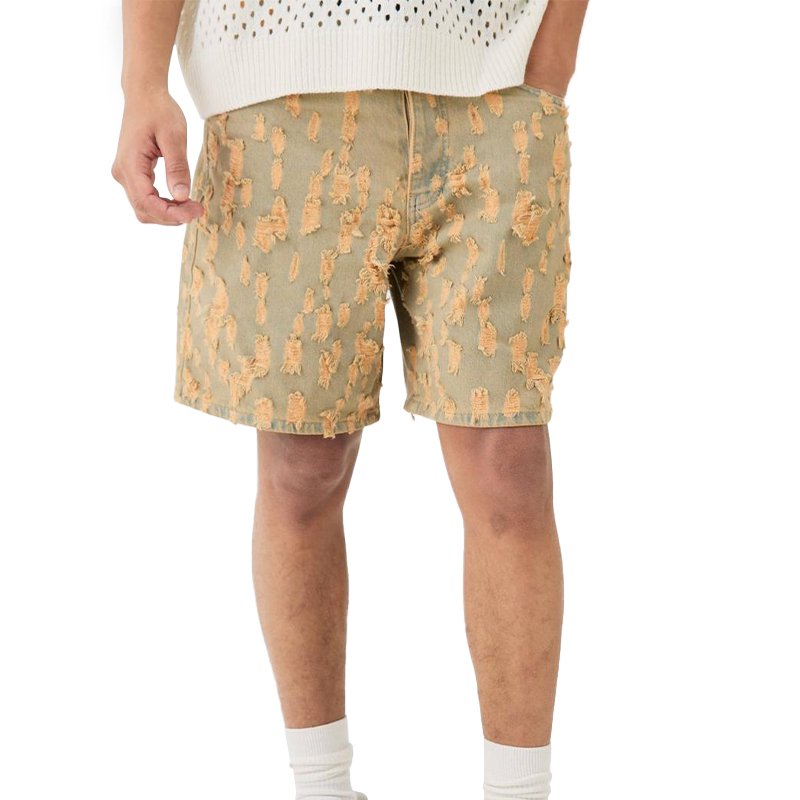


Custom Clothing Labels and Packaging That Stay Production-Ready
Coordinate every branded detail with the garment program, from approved label materials to packed bulk goods.
Material-Matched Labels
Match woven, printed, heat-transfer, or leather-style labels to fabric weight, hand feel, wash direction, and intended garment positioning.
Accurate Care Content
Set care-label content, fold method, and placement during development so required information stays readable, consistent, and correctly positioned.
Trim Compatibility Checked
Confirm zipper pulls, buttons, drawcords, patches, and labels work together without compromising garment construction, drape, durability, or finishing.
Coordinated Packaging
Align hangtags, size stickers, polybags, carton details, and packing instructions with your retail, e-commerce, wholesale, or fulfillment requirements.
Approved-Sample Control
Review labels, trims, and packaging alongside the garment sample, then carry approved specifications into bulk production checkpoints.
Integrated Bulk Production
Keep custom clothing labels and packaging within VeeWen’s garment workflow, reducing handoffs from sampling through quality checks and shipment coordination.
More Trims, Labels & Packaging Options and Guides
Compare adjacent product categories, manufacturing options and practical buyer resources from the VeeWen architecture.

Apparel Manufacturing Capabilities
Apparel manufacturing capabilities for OEM, ODM and private-label collections from 100 pieces per style, from sampling to packed bulk goods. Request a quote.
Explore Category
Fabric & Material Sourcing
Apparel fabric sourcing from 100 pieces per style, matched to weight, hand feel, wash and price targets for OEM collections. Request a custom quote today.
Explore Category
Cutting & Sewing
Cut and sew clothing manufacturing from 100 pieces per style, with patterns, samples, trims and private-label packing managed in one workflow. Request a quote.
Explore Category
Garment Printing
Custom garment printing for labels from 100 pieces per style, with screen print, DTF, DTG and specialty inks tested on approved samples. Request a quote.
Explore Category
Embroidery, Appliqué & Patches
Custom apparel embroidery from 100 pieces per style, with digitizing, flat, 3D, chenille and patch options for private-label collections. Request a quote.
Explore Category
Garment Washing & Dyeing
Garment washing and dyeing from 100 pieces per style, with approved samples for consistent shade, shrinkage and vintage effects. Request a custom quote.
Explore Category
Quality Control
Apparel manufacturing quality control with documented fabric, fit, in-line and final checks for 100-piece styles. Send your tech pack to request a quote.
Explore Category
Low MOQ & Flexible Production
low MOQ clothing manufacturing from 100 pieces per style, with OEM, ODM, sampling, trims and packing managed in one workflow. Request a custom quote today.
Explore CategoryWhy VeeWen for Custom Clothing Labels and Packaging
Founded in Dongguan in 2016 by ChangKeng Luo, VeeWen helps menswear and streetwear brands turn product concepts into production-ready private-label collections. We coordinate custom clothing labels and packaging alongside OEM, ODM, and cut-and-sew development, so your brand details are planned with the garment rather than added after bulk production begins.
From fabric sourcing and pattern development to samples, printing, embroidery, wash effects, trims, bulk manufacturing, quality checks, and packed goods, one team manages the workflow. With a standard 100-piece-per-style MOQ, emerging labels can launch focused drops while keeping labels, hangtags, care information, polybags, and garment specifications aligned.
VeeWen replaces fragmented supplier handoffs with practical production control. We clarify materials, dimensions, placement, finishing, and packing requirements before approval, then document checkpoints through production. The result is a more cohesive private-label program for global buyers who need accountable communication and repeatable specifications for reorders.
Custom Clothing Labels and Packaging, Built Detail by Detail
Woven Main Labels
Woven main labels establish the brand touchpoint at the neck or waistband. VeeWen reviews logo legibility, fold style, yarn color limits, dimensions, and placement against the garment pattern before sampling, so the label supports fit, comfort, and a consistent retail presentation.
- Choose damask, satin, or taffeta based on softness and detail level
- Confirm center fold, end fold, flat, or loop construction
- Check artwork at actual label size before loom setup
- Match seam allowance and placement to the garment specification

Printed Care Labels
Printed care labels carry practical information without adding unnecessary bulk. We help align fabric content, care symbols, country-of-origin requirements, size information, and brand copy with the intended market, then test print clarity and wash durability during sample approval.
- Select satin, coated nylon, cotton, or heat-transfer applications
- Review required content for your target sales market
- Test ink readability after washing and handling
- Specify attachment position and label orientation clearly

Custom Hangtags
Custom hangtags turn product information into a physical brand asset at unboxing and retail. VeeWen checks card stock, coating, hole position, string or seal choice, barcode space, and artwork bleed so your hangtag can be applied efficiently during final packing.
- Choose uncoated, matte, gloss, textured, or recycled card stock
- Allow safe margins for barcodes, QR codes, and small text
- Confirm die-cut shape, corner treatment, and hole placement
- Coordinate string, pin, or plastic seal with the garment category

Branded Polybags
Branded polybags protect finished garments while extending your presentation into fulfillment. We confirm bag dimensions, warning text, logo placement, adhesive style, ventilation needs, and garment folding method before bulk packing, helping custom clothing labels and packaging arrive organized and ready to ship.
- Size bags around folded garment volume, not flat measurements alone
- Choose clear, frosted, printed, or recycled-material bag options
- Reserve space for size stickers, SKU labels, and warning copy
- Align folding, sealing, and carton counts with your fulfillment workflow
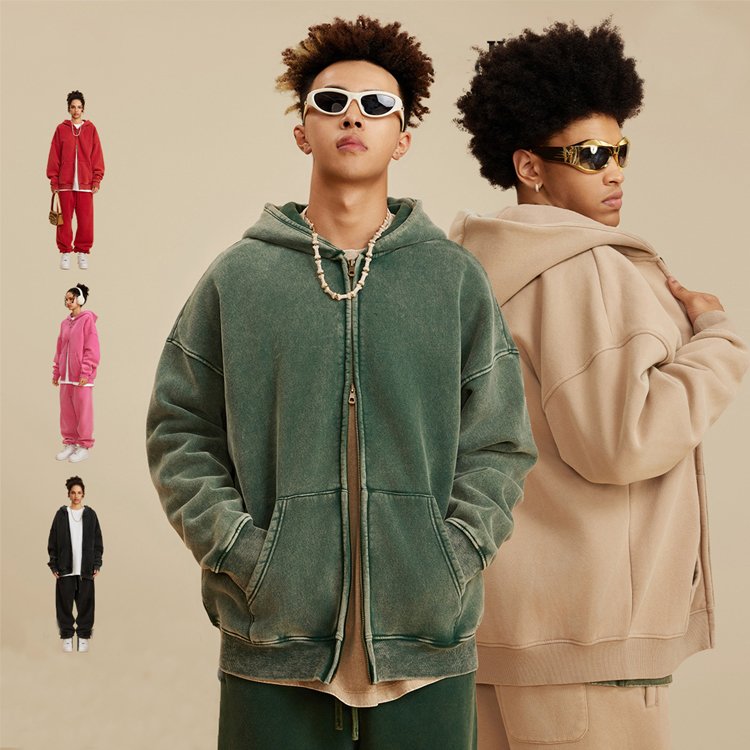
Custom Clothing Labels and Packaging Without Separate-Supplier Gaps
VeeWen aligns every branded component with the garment specification, approved sample, production schedule, and final packed goods.
← Swipe left or right to view →
Custom Clothing Labels and Packaging Production Flow
From brand artwork to shipment-ready components, VeeWen manages each approved detail within one production-minded private-label workflow.
Review Artwork and Specs
Send artwork, size charts, placement notes, material references, and packing requirements. VeeWen reviews construction, branding details, quantities, and feasibility before development begins.
Select Materials and Finishes
Choose woven, printed, rubber, or silicone labels, hangtag stocks, cords, polybags, and finishes matched to your garment, budget, hand feel, and brand direction.
Approve Digital Proofs
Digital proofs confirm logo scale, colors, copy, dimensions, barcode data, and placement. Clear approval prevents avoidable changes once label and packaging production starts.
Confirm Physical Samples
Sample labels, hangtags, patches, or packaging are checked with garments where needed. Review attachment method, readability, durability, drape, and overall presentation before bulk release.
Produce and Attach Components
Approved components move into production, then are coordinated for garment attachment or packing. VeeWen aligns labels, trims, polybags, and folding instructions with the bulk schedule.
Inspect and Coordinate Shipment
Final checks verify correct components, artwork, placement, quantities, and packed presentation. Completed goods are prepared for shipment coordination with documented production details for future reorders.
Start Custom Clothing Labels and Packaging With Clear Specs
Send the files and production details VeeWen needs to sample, approve, manufacture, and pack your private-label order in one accountable workflow.
Send Your Brand Files
Provide your logo artwork, label dimensions, care-content requirements, garment styles, packaging references, target quantities, and any existing tech packs or samples.
Confirm Materials and Details
Review recommended label materials, print or embroidery methods, trims, polybags, hangtags, and packing specifications against your brand direction, garment construction, and target price.
Approve Production Samples
Assess sampled labels, packaging, and garment applications for color, placement, readability, hand feel, and durability before confirming final specifications for bulk production.
Begin Bulk Manufacturing
VeeWen coordinates bulk production from the approved sample, checks in-line details, completes final quality review, and packs goods to your confirmed private-label requirements.
Arrange Delivery and Reorders
Receive packed goods with shipment coordination, then retain approved specifications for clearer repeat orders as your menswear or streetwear collection grows.
Private-Label Results Buyers Can See
VeeWen matched our woven neck-label blue across three garment colors and made the care labels easy to read at a glance. After approving one complete sample set, we launched a 300-piece streetwear drop with no packaging corrections needed.
The team caught a missing fiber-content line before bulk production and rebuilt our folding and polybag instructions into one clear pack-out sheet. Our 500 hoodies arrived sorted by size, with hangtags and barcode bags applied exactly as approved.
We needed labels, rubber patches, hangtags, and mailer-ready packaging coordinated for a 100-piece test run. VeeWen confirmed each detail on the pre-production sample, then kept our bulk delivery on schedule for a six-week campaign launch.
Custom Clothing Labels and Packaging FAQ
Practical answers on labels, trims, packaging, sampling, and production planning for private-label apparel.
What is the difference between woven and printed custom clothing labels and packaging?
What information should be included on care labels for custom clothing labels and packaging?
Can custom clothing labels and packaging be used on heavyweight T-shirts, hoodies, denim, and jackets?
Where can I place my brand labels on a garment?
What hangtag and polybag options do you offer?
Is the 100-piece MOQ available for garments with custom clothing labels and packaging?
Do I need a sample before placing a bulk order?
How long do custom labels, hangtags, and packaging add to production time?
What logo files do I need to start a private-label program?
Complete Guide to custom clothing labels and packaging
Use a practical decision framework to select label and packaging formats, assess materials and supplier capabilities, control costs, and avoid sourcing mistakes when building a consistent private-label apparel presentation.
1. What Are Custom Clothing Labels and Packaging?
100-piece MOQ programs need a complete identity system, not just a neck label. Custom clothing labels and packaging are the branded physical touchpoints sewn into, attached to, and delivered with each garment; they support identification, required fiber and care information, and a consistent unboxing experience.
Four components serve different jobs: sewn main, size, and care labels stay with the garment; hangtags communicate retail-facing brand and product information; inner packaging protects and presents folded goods; outer cartons or mailers move finished units safely. When specifications match approved samples, these details strengthen private-label differentiation, perceived value, and repeat-purchase recognition.
2. Evolution of Custom Clothing Labels and Packaging
2016-era independent labels increasingly treated a woven neck label and paper swing tag as part of the garment, not an afterthought. Modern custom clothing labels and packaging now carry fibre content, care instructions, country-of-origin details, size data, barcodes, QR traceability and the visual cues that make a 100-piece drop feel coherent.
100-piece MOQ programs require specifications early because a revised label, Pantone print, recycled polybag or hangtag hole position can affect sampling and packing approval. Streetwear buyers use unboxing to reinforce a launch story; teamwear and retailers need durable identification, SKU control and compliant presentation.
2026 buyers also expect material choices to support their positioning: recycled paper, FSC-certified board, water-based inks and reduced-plastic packing where suitable. These components protect product, reduce receiving errors and create a repeatable customer experience, making them strategic brand assets before bulk production begins.
3. Types of Custom Clothing Labels and Packaging
A 100-piece program can pair garment identification with retail-ready protection. Choose components by wear location, required information, channel, and the garment’s intended price position.
Garment Labels

One woven main label at the neck, hem, or waistband establishes the core brand signature; printed neck labels suit lightweight or comfort-led styles.
One care label and size label carry fiber content, care symbols, origin, and size; patches add visible premium identity on streetwear.
Retail Presentation
One hangtag introduces the collection at first touch, while stickers and inserts add SKU, campaign, or care messaging.
One tissue wrap improves unboxing for premium orders; entry-level garments commonly use a branded hangtag and simple insert.
Transit Packaging

One polybag protects folded goods and supports barcode handling; mailers suit direct-to-consumer shipment.
One rigid or corrugated box gives premium garments stronger presentation and better protection during wholesale or gifting distribution.
4. Materials for Custom Clothing Labels and Packaging
100-piece programs benefit from material choices fixed at sampling. Select against skin contact, wash cycles, legal fiber-care content, and parcel risk—not appearance alone.
| Material | Hand Feel | Performance | Best Use |
|---|---|---|---|
| Damask | Smooth | Wash-durable; fine weave | Neck labels |
| Satin | Silky | Moderate snag resistance | Luxe care labels |
| Cotton | Natural | Softens with wash | Heritage basics |
| Recycled polyester | Crisp | Strong, washable | Care labels |
| TPU or silicone | Rubbery | Highly durable | Patches |
| Paperboard | Rigid | Print-ready | Retail boxes |
| Kraft and tissue | Textured | Low protection | Eco presentation |
| Compostable film | Light | Claim needs verification | Inner bags |
| Mailers | Flexible | Shipping protection | E-commerce parcels |
Woven And Soft Labels

40 mm neck labels favor damask for crisp detail; satin is smoother but can snag. Cotton suits natural positioning, while recycled polyester supports a documented recycled-content claim.
Durable Branding Details

1–2 mm TPU or silicone patches resist washing and add dimensional branding. Dense patches can stiffen lightweight jersey, so test placement and drape on the approved sample.
Packaging Decision Matrix

250–400 gsm paperboard protects premium folded goods; kraft and tissue provide lighter presentation. Compostable films need verified disposal conditions, while mailers require puncture and moisture protection.
5. Customization Options for Labels and Packaging
At a 100-piece MOQ, lock the same logo files, Pantone references, type hierarchy, and message across garment labels, hangtags, and mail-ready packaging. Approve actual-size artwork before sampling.
| Method | Best Use | Tradeoff |
|---|---|---|
| Woven | Fine logo detail | Higher setup |
| Screen-printed | Bold marks | Limited colors |
| Foil or spot-UV | Premium packaging | Higher unit cost |
Build A Consistent System
Two core formats—neck label and hangtag—should share spacing, type weights, and color values.
One QR code can link to care guidance or product authentication; test scan contrast after printing.
Match Method To Detail

Woven labels reproduce small text and survive repeated laundering, but require loom setup and simpler artwork.
Screen print suits bold one- or two-color marks; heat transfer handles fine gradients but needs wash testing.
Specify Packaging Finishes

Embossed or debossed cartons create tactile depth without ink, while foil and spot-UV highlight selected logo areas.
Three pack-ins—thank-you card, care card, and return message—should use the same typography and QR destination.
6. Quality Elements in Clothing Labels and Packaging
A 1–2 mm dimensional error, weak fold, or unreadable care line can turn custom clothing labels and packaging into a costly rework. Quality must be approved as a repeatable specification, not judged from a digital artwork.
Label Construction Checks
100% of approval samples should confirm cut size, clean edges, fold position, stitch security, Pantone match, colorfast ink, legible care symbols, and correct fiber disclosure.
Packaging Performance Checks
1 scanned barcode per pack verifies contrast, quiet zones, and SKU accuracy. Adhesive seals or seams must hold, while cartons need consistent finishing and protective strength for international handling.
Approval Before Bulk
2 approved references—label and packed unit—should document placement, dimensions, copy, scan result, and carton fit. Packaging tolerances matter because small overages can cause crushing, freight inefficiency, or retailer rejection.
7. Choosing a Custom Clothing Labels and Packaging Manufacturer
100-piece minimums suit pilot drops, but supplier choice should begin with proven category capability and documented checkpoints. Compare custom clothing labels and packaging quotes by delivered specification, not unit price alone.
| Quote Factor | Ask | Compare |
|---|---|---|
| Sampling | Who approves revisions? | Fit and artwork accuracy |
| Materials | What is specified? | Weight, color, certification |
| Delivery | What is included? | Cartons, QC, lead time |
Verify Development Capability
3 comparable quotes should state product range, artwork files, materials, trims and export packaging.
100-piece MOQ, sample timing, capacity and promised lead time must be written.
Control Sample And Quality
1 approved sample should lock Pantone, placement, label text and carton pack-out.
2 inspection stages should cover incoming materials and final AQL checks.
Check Documentation And Communication
24-hour replies reduce artwork errors; ask who owns revisions and shipment coordination.
OEKO-TEX, GOTS, WRAP or BSCI documents require current-scope verification.
8. Common Custom Clothing Labels and Packaging Mistakes
Eight preventable decisions can turn finished garments into rework, returns, or freight waste. Lock every label and packaging specification before the bulk purchase order.
Lock Labels Before Production
100-piece runs still need labels finalized before cutting; late neck labels can require relabeling or rejected units. Submit fiber content, care symbols, country-of-origin wording, and size placement with the tech pack.
Protect Wearer Comfort And Color
20–30 mm neck labels with rough edges or stiff damask can irritate wearers; approve a sewn wear-test sample. Match Pantone references across woven labels, print, and polybags, since ink, yarn, and film absorb color differently.
Approve Artwork And Packing
300 dpi artwork without dielines, fonts, trim positions, or barcode data causes interpretation delays; supply production-ready files. Confirm a pre-production sample, carton dimensions, pack ratio, and polybag need—excess packaging increases cube, freight, and disposal.
9. Steps to Launch Your Branded Apparel Presentation
A 100-piece style launch works best when presentation decisions travel with the garment specification. Lock each approval in writing before bulk production so labels, packs, and fulfillment do not drift.
Build The Production Brief
Stage 1: freeze fit, measurements, Pantone artwork, label copy, and care content in a tech pack. Confirm fabric, trim, and decoration samples against the intended hand feel.
Validate Prototype And Compliance
At prototype stage, review shrinkage, label placement, hangtag hole position, polybag warnings, and barcode format. Obtain compliance requirements for destination markets before quote confirmation.
Approve Bulk And Delivery
Before bulk, approve the pre-production sample, packing ratio, carton marks, and delivery window. During production, inspect labels and packaging alongside garments; release only after final QC and fulfillment-count confirmation.
10. Custom Clothing Labels and Packaging Pricing
100-piece programs usually carry higher per-unit trim costs because woven-label looms, hangtag printing, and custom cartons have setup charges. Request one specification sheet covering material, Pantone colors, dimensions, fold, attachment method, pack-out, and destination.
300-piece and 1,000-piece runs typically spread setup more efficiently, but added colors, damask density, foil, embossing, inserts, and individual bagging raise cost. Landed cost also changes with carton volume, shipment mode, duties, and freight destination.
| Order tier | Typical drivers | Setup effect | Lead-time effect |
|---|---|---|---|
| 100 pieces | Label, hangtag, polybag | Most visible | Allow approvals |
| 300–500 | Color count, size | Spread wider | Fewer split runs |
| 1,000+ | Cartons, complex packs | Lowest per unit | Consolidation helps |
Send Custom Clothing Labels and Packaging Specs Today
Share your artwork, garment type, labels, packaging requirements, and quantities; VeeWen will recommend a production-ready private-label solution with a 100-piece-per-style MOQ.