
Custom Garment Printing From 100 Pieces
Turn artwork into production-ready custom garment printing with decoration testing, sampling, bulk production and private-label finishing from one China partner.
Featured Products for custom garment printing Development




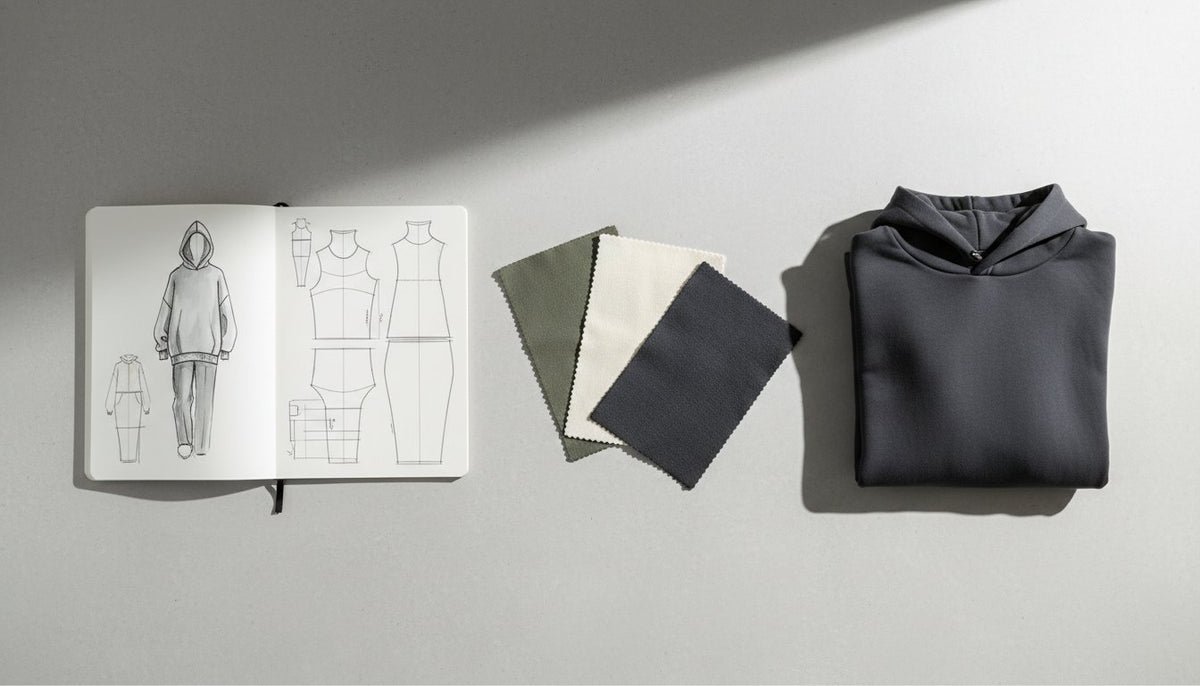

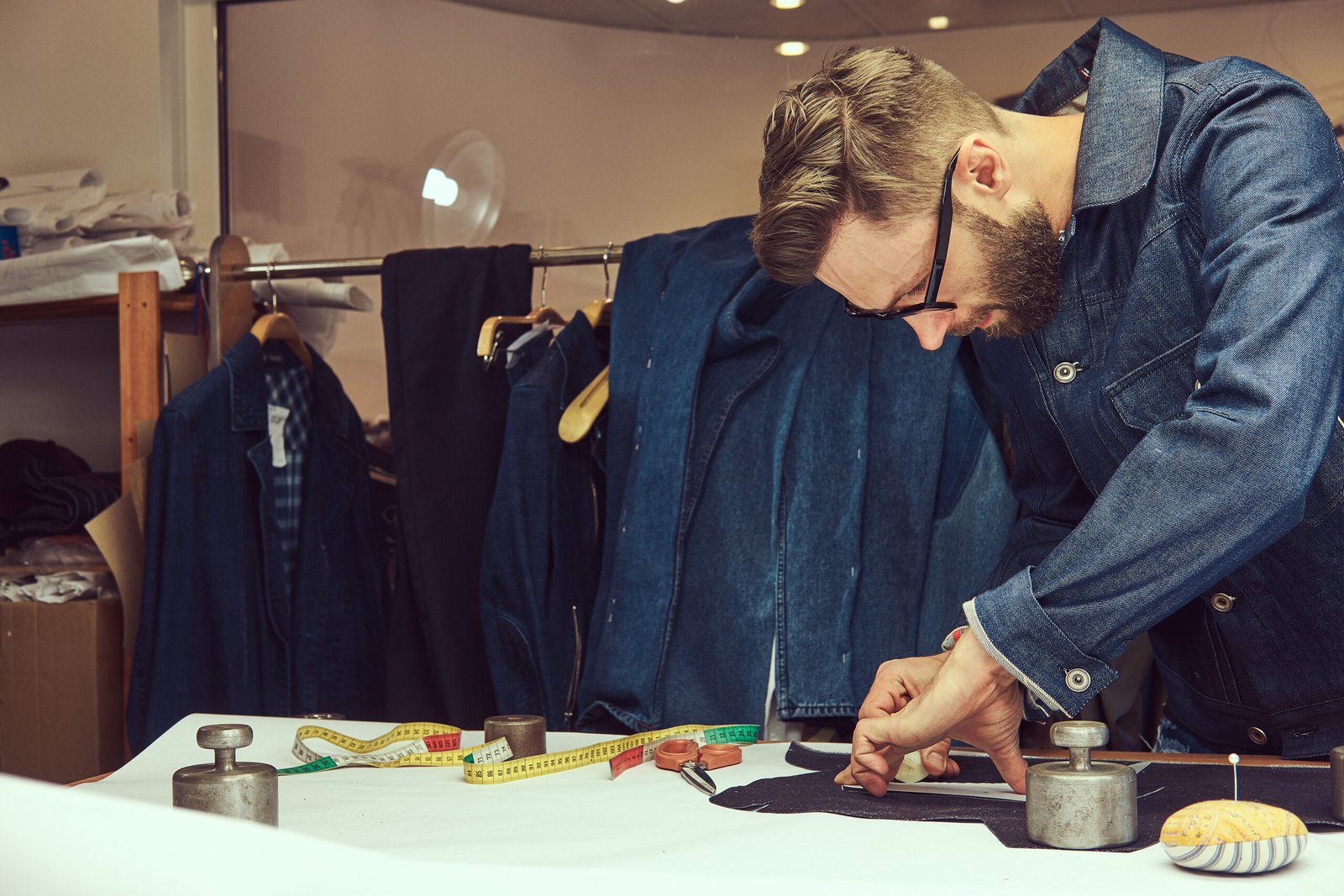
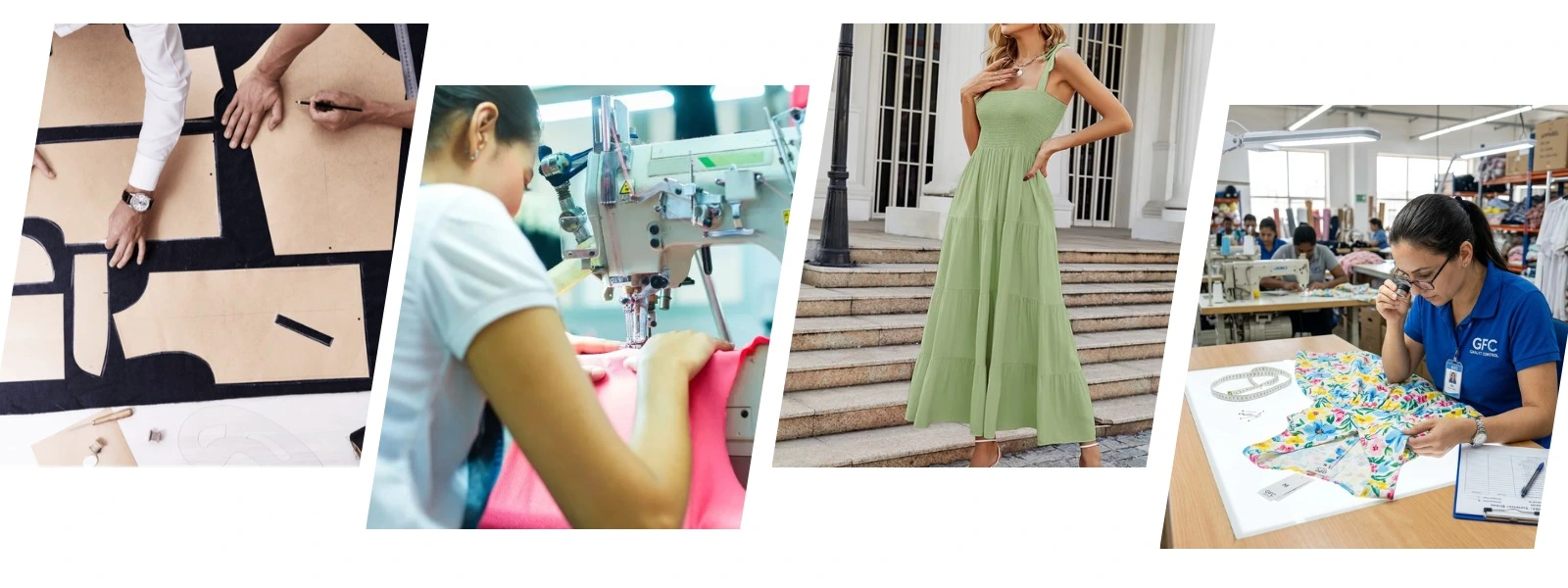
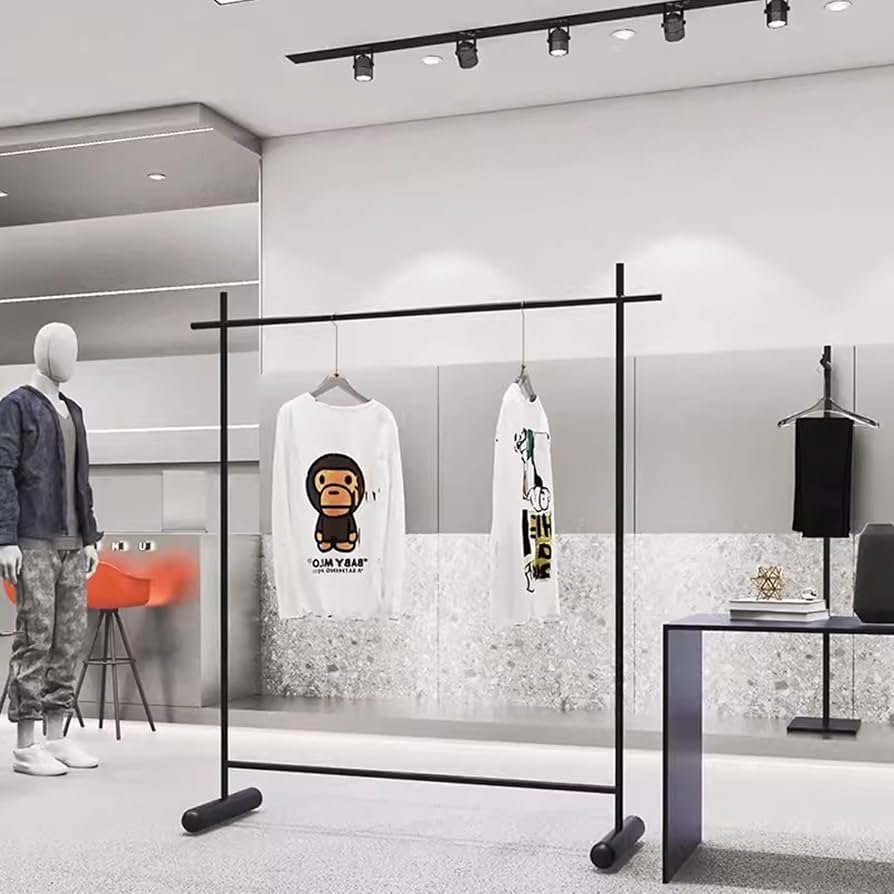

Custom Garment Printing Advantages for Production-Ready Collections
Match decoration, fabric, labeling and documented bulk specifications in one manufacturing workflow from 100 pieces per style.
Method Matched to Fabric
VeeWen recommends screen print, DTF, DTG, transfer or embroidery based on fabric composition, garment weight, artwork detail and intended hand feel.
Specialty Ink Effects
Build elevated streetwear graphics with puff, high-density, water-based, plastisol, discharge, reflective or foil effects selected for your artwork and garment construction.
Approved Sample Testing
Test placement, color, curing, wash response and print durability on approved samples before production, so bulk garments follow a confirmed visual standard.
Private-Label Coordination
Coordinate neck labels, care labels, size labels, hangtags, patches, packaging and trims alongside custom garment printing through one accountable production partner.
Repeatable Bulk Specifications
Start at 100 pieces per style with documented artwork, measurements, colors and decoration details that support consistent future reorders and focused collection drops.
Explore Garment Printing
Continue to every direct child page in this Studio architecture section.

Puff Print Hoodie Manufacturer
Puff print hoodie manufacturer with 100-piece MOQ, sampling, and raised screen-print effects built for private-label streetwear. Request a custom quote today.
Explore Category
Wholesale Tshirt Printing
Wholesale tshirt printing from 100 pieces per style, with screen print, DTF and embroidery options for private-label drops. Request a custom quote today.
Explore Category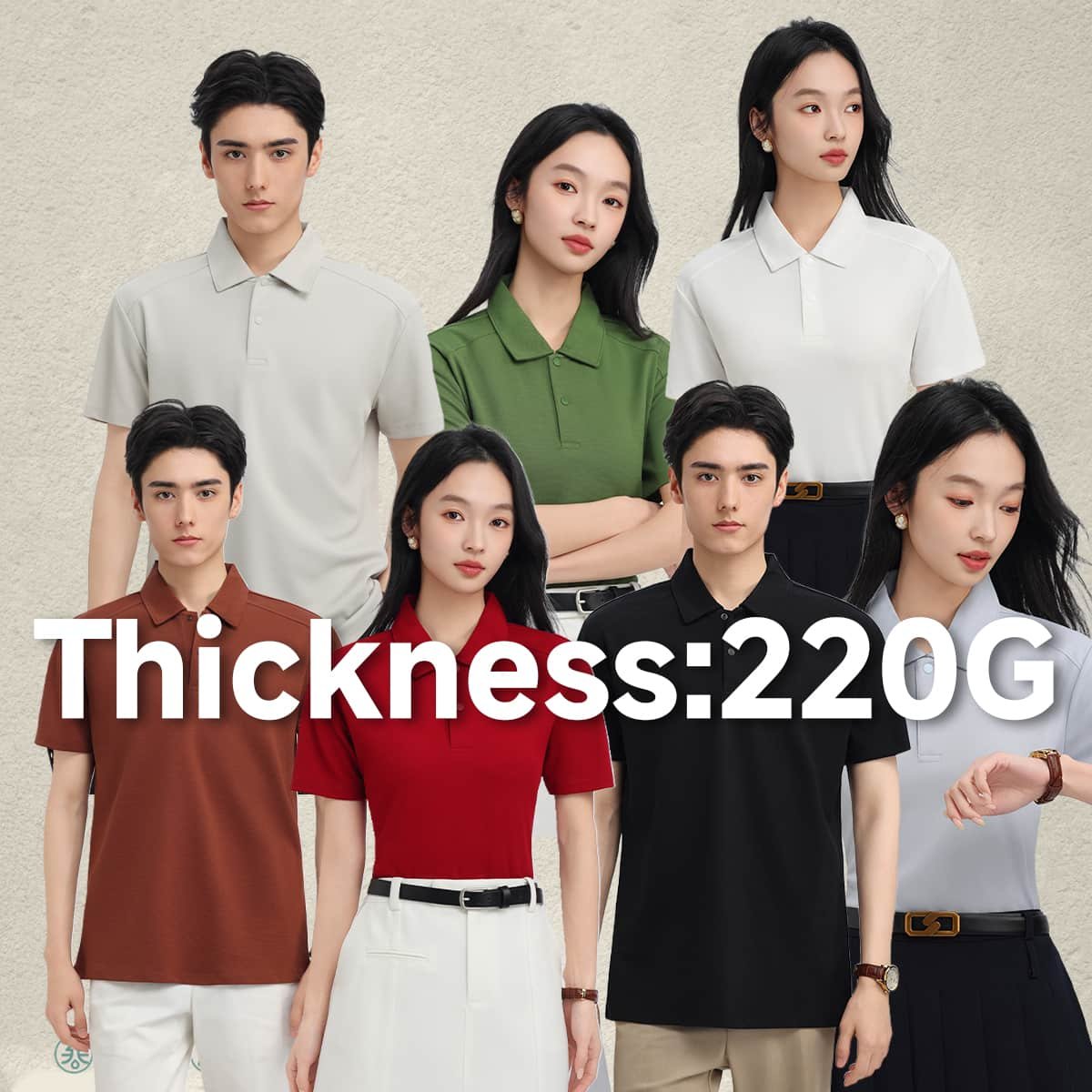
Wholesale Shirt Printing
Wholesale shirt printing from 100 pieces per style, with approved samples and matched screen, DTF, or embroidery finishes. Request a custom quote.
Explore Category
Custom Tshirt Printing
Custom tshirt printing from a 100-piece MOQ, with screen print, DTF and embroidery options for OEM streetwear programs. Request a custom quote.
Explore Category
Sublimation Sportswear Manufacturer
Sublimation sportswear manufacturer for all-over, full-color teamwear from 100 pieces per style. Develop OEM-ready jerseys and request a custom quote today.
Explore Category
Bulk Custom Polo T Shirt Printing
Bulk custom polo t shirt printing from 100 pieces per style, with print, embroidery and private-label finishing managed in one workflow. Request a quote.
Explore Category
Custom Hoodie Printing
Custom hoodie printing starts at 100 pieces per style, with tested placement, color, and wash-ready decoration choices. Request a custom quote today.
Explore Category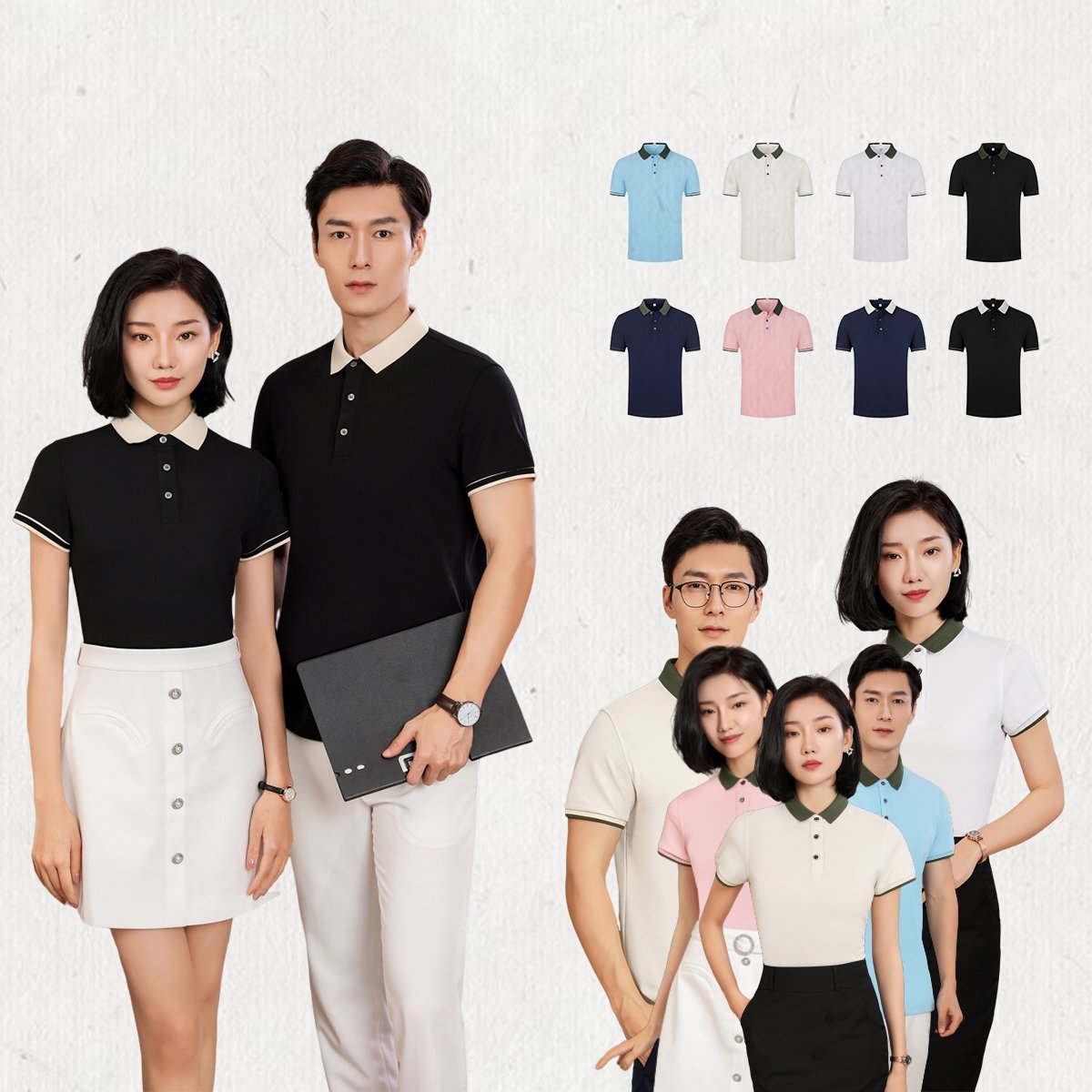
Custom Shirt Printing
Custom shirt printing from a 100-piece MOQ, with screen print, DTG and transfers matched to your fabric and brand specs. Request a quote today.
Explore Category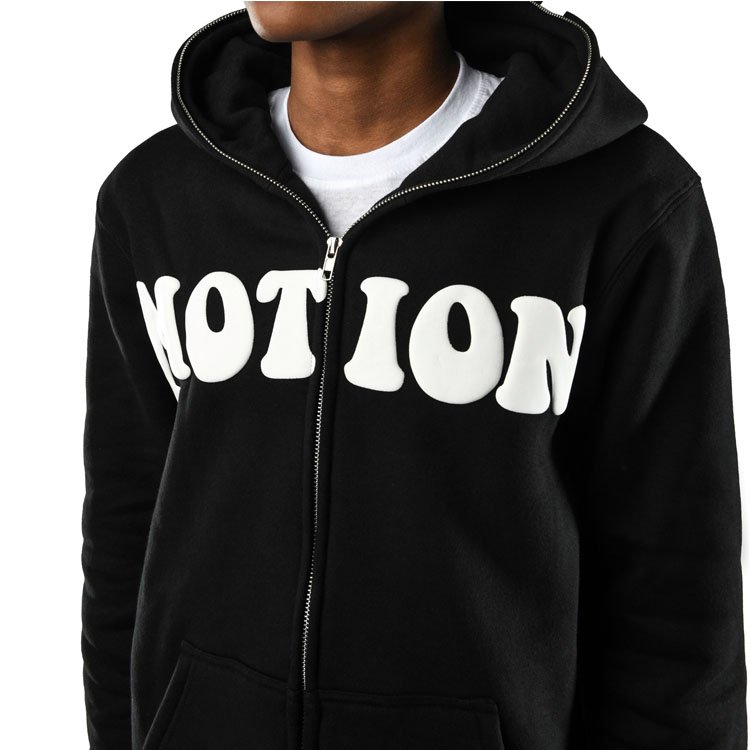
Custom Puff Print Hoodie
Custom puff print hoodie production starts at 100 pieces per style, delivering raised 3D texture on OEM streetwear fleece. Request a custom quote today.
Explore CategoryBuilt for Custom Garment Printing
Founded in Dongguan in 2016 by ChangKeng Luo, VeeWen was built around the practical needs of menswear and streetwear labels. We turn artwork, references and product ideas into production-ready garments through OEM, ODM, private-label and cut-and-sew development.
Custom garment printing works best when it is planned with the garment, not added at the end. Our workflow connects fabric selection, pattern development, print or embroidery trials, sampling, fit approval, bulk manufacturing, in-line inspection, final quality checks and private-label packing under one accountable production process.
With a standard MOQ of 100 pieces per style, VeeWen helps emerging brands test focused drops while maintaining specifications for reorders. Alongside our menswear and streetwear focus, we support full-category development for men, women and children, with clear guidance on materials, finishes and production trade-offs.

Signature Print Effects, Tested Before Bulk
Water-Based or Plastisol
For custom garment printing, water-based ink keeps cotton jerseys soft and breathable, while plastisol delivers stronger opacity on dark grounds. VeeWen tests coverage, hand feel and wash performance against your fabric weight before the approved sample moves into bulk production.
- Water-based ink for a softer, lower-build finish
- Plastisol for bold opacity and color consistency
- Fabric weight influences penetration, coverage and drape
- Approved strike-offs confirm color before bulk
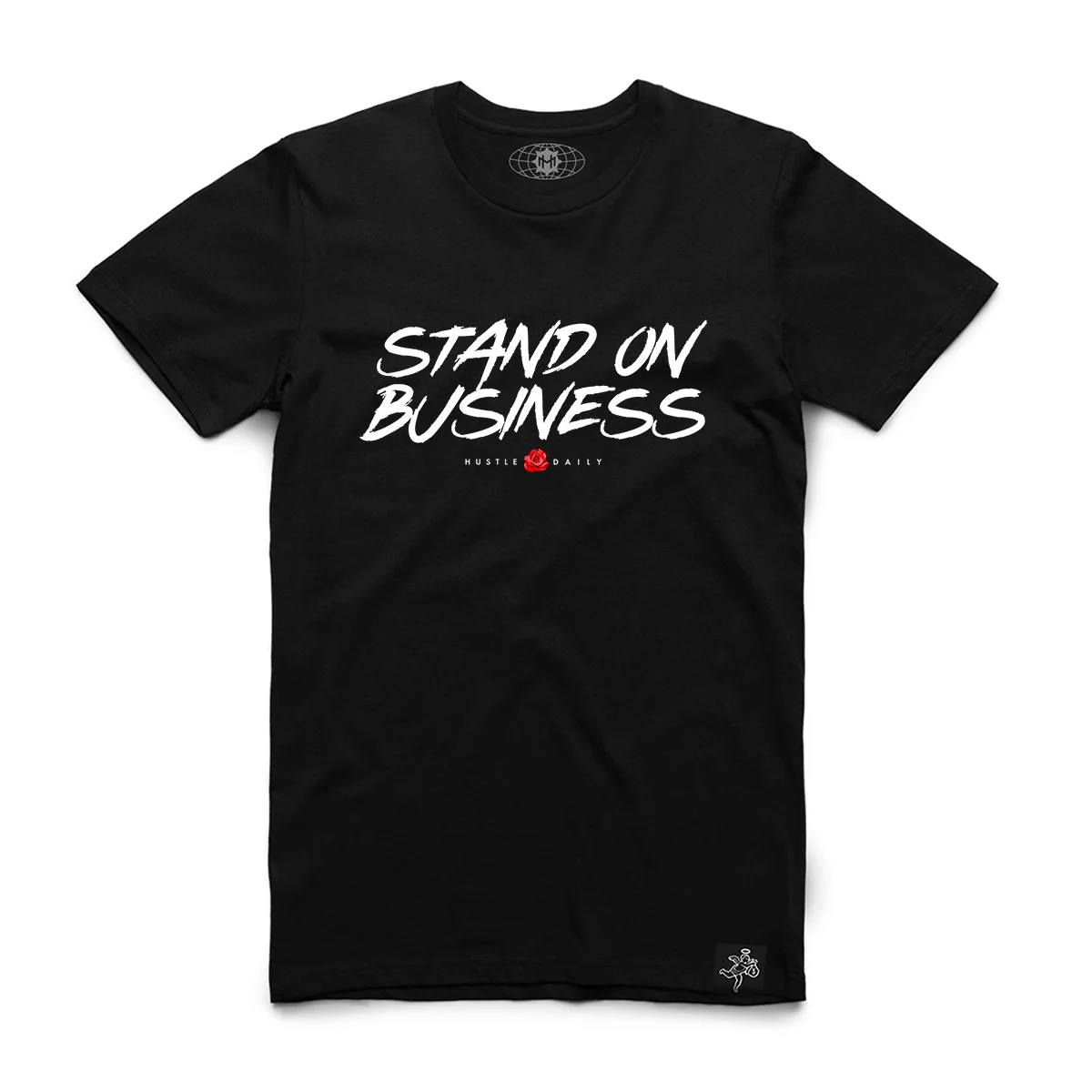
Build Texture With Dimension
Puff and high-density screen prints give streetwear graphics a raised, tactile presence. Ink deposit, artwork line width, fabric stretch and curing temperature must work together; VeeWen adjusts the method during sampling so dimensional details remain defined without making the garment feel overly stiff.
- Puff ink creates a softer expanded effect
- High-density ink produces crisp raised edges
- Fine artwork needs spacing to prevent fill-in
- Stretch testing helps protect textured graphics
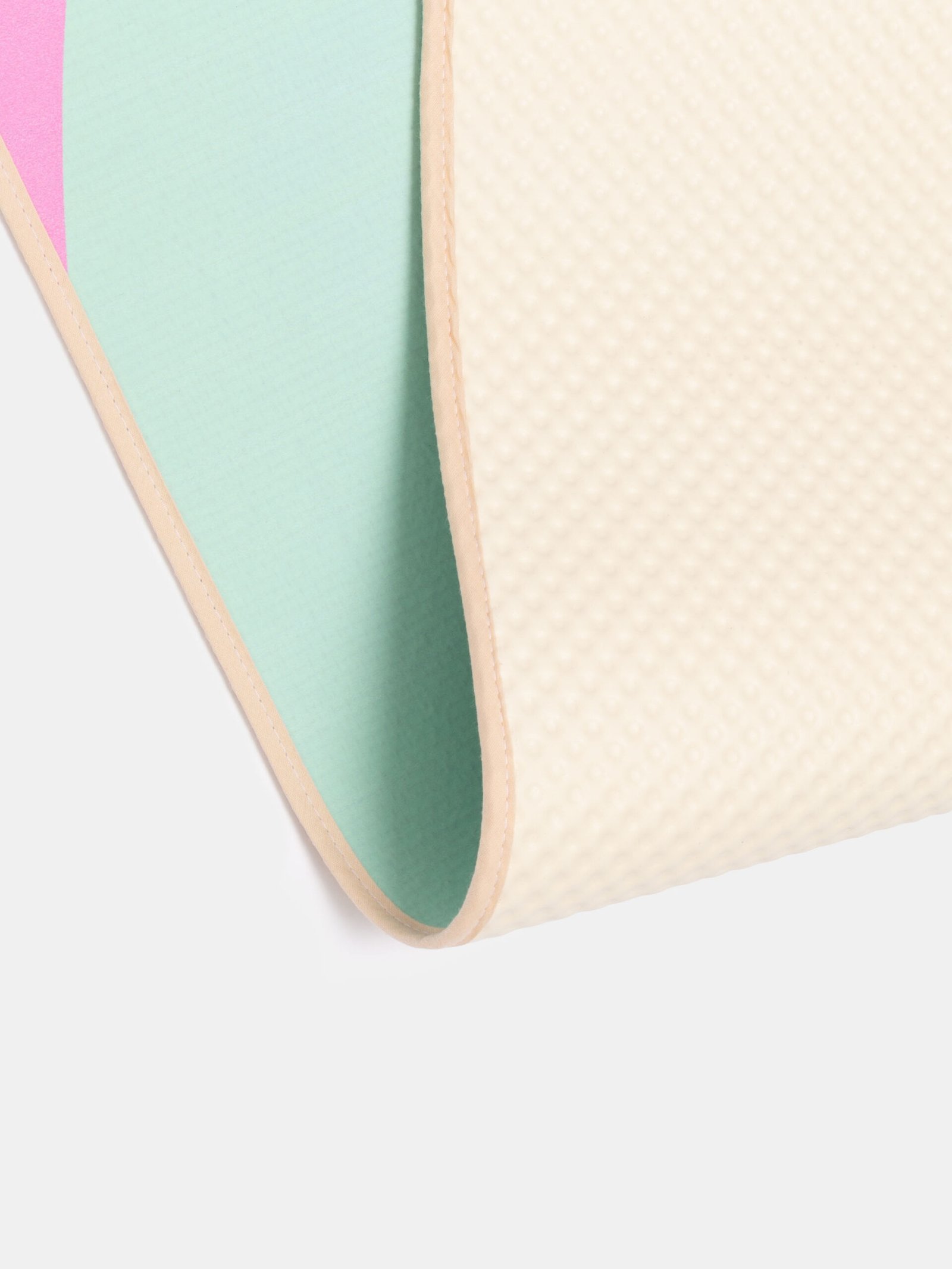
Detail-Ready DTF Transfers
DTF suits detailed multicolor artwork, gradients and small-run graphic placements that are difficult to separate for conventional screens. VeeWen reviews transfer size, adhesive coverage and base fabric before sampling, balancing sharp visual reproduction with a finish that flexes appropriately with the garment.
- Handles detailed multicolor artwork and gradients
- Useful for small placements and complex color counts
- Transfer size affects breathability and hand feel
- Tested for adhesion, stretch and wash durability
Reflective and Foil Accents
Reflective and foil effects create high-impact accents for performance, nightlife and statement streetwear pieces. Because these finishes can change the surface feel and react differently to flexing, VeeWen confirms placement, fabric stability and curing settings on a sample before production is released.
- Reflective details add visibility under directed light
- Foil delivers a metallic, fashion-forward surface
- Stable fabric grounds support cleaner graphic edges
- Sample testing checks cracking, adhesion and wear
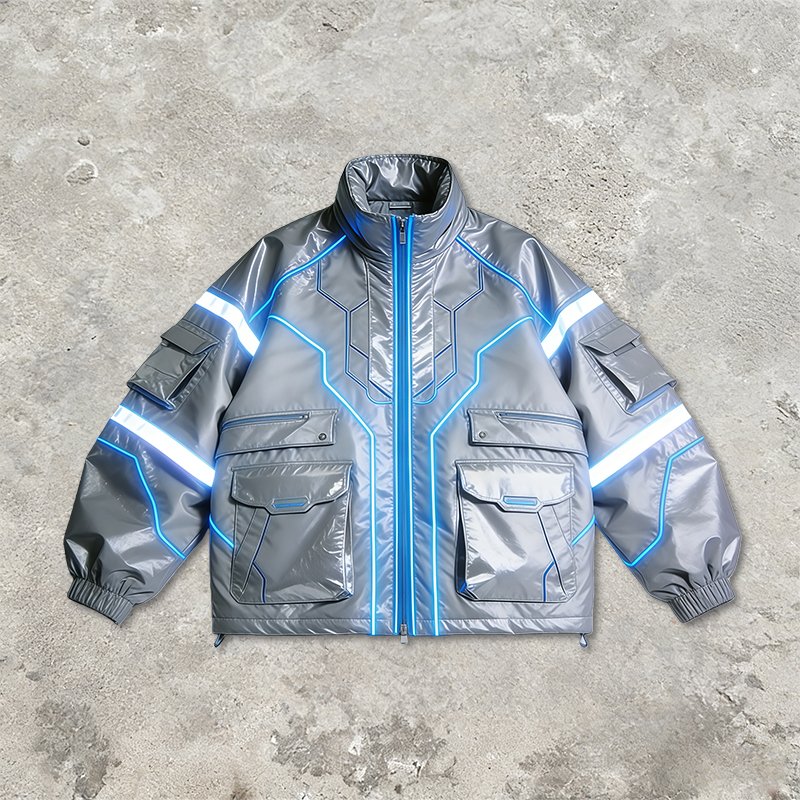
Custom Garment Printing Beyond Print-Only Supply
Compare a production-minded workflow with typical print-only suppliers, from artwork review through packed bulk goods.
← Swipe left or right to view →
Custom Garment Printing, From Separation to Final Inspection
A production-minded workflow that verifies artwork, fabric, print performance and approval points before your order moves into bulk.
Review Artwork and Specifications
We review artwork files, print size, placement, color references, garment quantities and intended effect, then flag separations, fine details and production considerations.
Confirm Garment and Fabric
Select or develop the garment, fabric weight and colorway. We assess surface texture, stretch, dye behavior and how each choice supports print clarity.
Choose Method and Inks
Match screen printing, DTF, DTG, transfers or specialty effects to the artwork, fabric and target hand feel, explaining coverage, durability and cost trade-offs.
Test Sample Decoration
Produce decorated samples for fit, placement, color and wash review. Test results guide adjustments to screens, inks, curing settings or artwork before approval.
Approve Pre-Production Standard
Confirm the approved sample, graded specifications, print placement and packaging details as the working reference for consistent custom garment printing across the bulk order.
Print, Inspect and Ship
Bulk garments are printed and cured, checked in line and at final inspection, then packed with your private-label details and coordinated for shipment.
Start Your Custom Garment Printing Program
Move from artwork and garment direction to approved bulk goods with one production-minded workflow.
Send Artwork and Specs
Share AI, PDF, or high-resolution artwork with a tech pack, reference sample, inspiration images, garment measurements, fabric direction, and target quantities.
Confirm Quote and Sample
Review the recommended printing method, garment construction, pricing, timeline, and 100-piece-per-style MOQ, then proceed with a development sample for practical evaluation.
Approve Placement and Colors
Check sample fit, print size, placement, ink colors, color references, hand feel, and wash response before confirming the approved production specifications.
Produce and Inspect Bulk
VeeWen coordinates fabric, printing, sewing, in-line checks, final quality control, labels, packaging, and shipment preparation against the approved sample and specifications.
Receive Production-Ready Goods
Receive packed custom garment printing orders ready for distribution, retail, or fulfillment, with repeatable specifications retained for future collection reorders.
What Buyers Say About Their Custom Garment Printing Collections
VeeWen matched the approved Pantone blue across 240 heavyweight tees, including the second bulk run. The strike-off review caught a small underbase adjustment before production, and the finished color stayed consistent from the first carton to the last.
Our high-density chest print and sleeve placement held up after 30 wash-and-wear cycles during our internal testing. More importantly, the bulk hoodies matched the approved sample’s texture and alignment, so we launched without a last-minute quality hold.
We needed puff ink with a vintage wash that still felt intentional, not overworked. VeeWen tested the effect on sample garments, documented the expected variation, and delivered 180 pieces with the same washed character and label setup we signed off.
Custom Garment Printing FAQ for B2B Buyers
Practical answers for labels planning printed apparel, approved samples and repeatable bulk production with VeeWen.
Which custom garment printing method is best for cotton, polyester and blended fabrics?
Can custom garment printing be combined with embroidery or garment washes?
How do print colors and placement affect the final garment?
What artwork files should I send for custom garment printing?
Do I need a sample before placing a custom garment printing bulk order?
What is the MOQ for printed apparel orders?
How should I plan sampling and bulk lead time for a printed collection?
Can VeeWen handle private-label packaging with printed garments?
The Complete Buyer’s Guide to custom garment printing
Use this decision framework to compare printing methods, fabrics, supplier capabilities, quality controls, and costs—while avoiding sourcing mistakes that can delay launches, weaken brand consistency, or erode margins.
1. What Is Custom Garment Printing?
100-piece programs define custom garment printing as a production service that applies approved artwork to apparel, then controls the specifications that make the result sellable. Buyers may print supplied blanks, but that limits fabric, fit, color, labels and packaging choices.
2016-founded VeeWen treats a developed private-label order differently: the buyer is purchasing a garment specification, not only ink on fabric. That can include fabric weight and hand feel, cut-and-sew construction, print testing, branded labels, packing requirements and documented approvals before bulk production.
Pantone artwork, decoration method, placement, size grading and compliance requirements should be agreed before sampling. Compliance is product- and market-specific; confirm applicable fiber labeling, chemical and safety obligations with the importer before placing bulk goods.
2. Evolution of Custom Garment Printing
1907 marked the first U.S. patent for a screen-printing process; it remains efficient for repeat artwork, especially one- to six-color runs above roughly 100 pieces. Each added screen raises setup cost, so fine photographic gradients and frequent design changes become less economical.
1990s digital textile printing and modern DTF transfers reduced artwork barriers by handling full color, small details, and variable graphics without separate screens. They suit streetwear test drops and faster global sample approvals, though transfer hand feel and wash performance still require testing.
100-piece MOQs now let labels compare launch demand against unit cost: screen printing rewards scale, while digital and transfer methods protect flexibility. Water-based ink, discharge suitability, and responsible chemical documentation should be specified early, not assumed from a sustainability claim.
3. Types of Custom Garment Printing
Six production routes balance setup, feel, and repeatability. A 100-piece launch should match artwork and garment, not just unit price.
| Method | Volume/setup | Color, feel, durability | Garment/use |
|---|---|---|---|
| Screen | 100+; screens | 1–6 colors; soft; durable | Cotton; repeat drops |
| DTG | 1–100; no screens | Photo detail; soft; moderate | Cotton; art tests |
| DTF | 10–300; no screens | Vivid; film feel; durable | Blends; multi-SKU |
| Heat Transfer | 1–100; no screens | Logos; film feel; moderate | Most garments; events |
| Sublimation | 50+; setup | Full color; zero hand; permanent | White polyester; teamwear |
| Specialty | 100+; screens | Puff, foil, HD; test | Tees, hoodies; capsules |
Match The Launch
100-piece runs favor screen printing or DTF.
1-piece tests favor DTG or transfers.
Protect The Garment
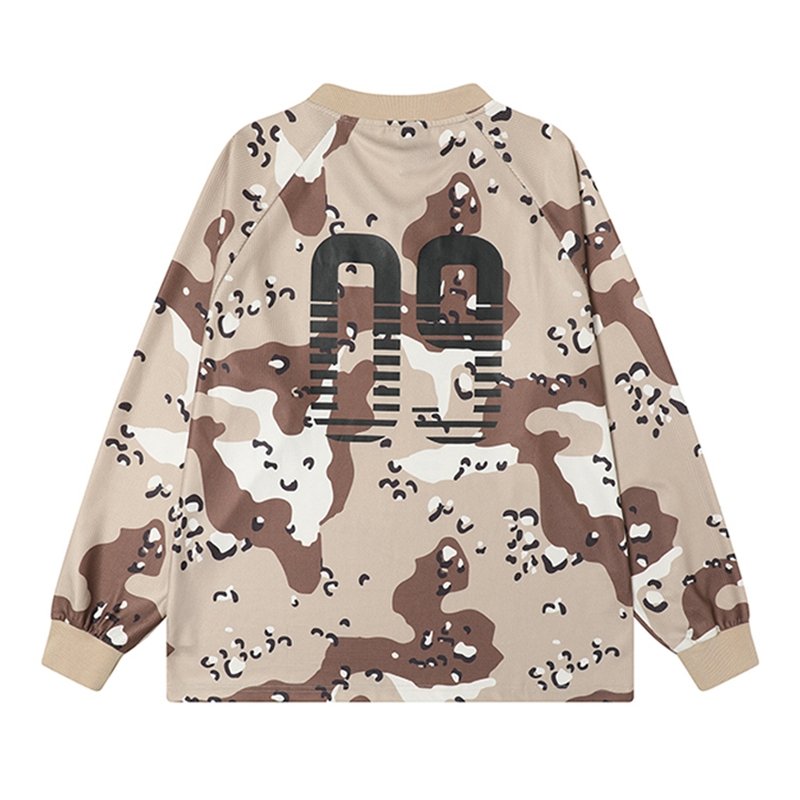
280 GSM fleece needs flexible ink films.
White polyester requires sublimation.
Approve Before Bulk

1 approved sample confirms hand feel.
2 wash tests reduce claims.
4. Custom Garment Printing Fabrics and Materials
160–220 GSM cotton gives tees a smooth, opaque print base; 280–400 GSM fleece supports structured hoodies. At VeeWen’s 100-piece MOQ, specify end use before fabric approval.
| Fabric | Best Methods | Typical Use |
|---|---|---|
| Cotton | Screen, DTG | Tees |
| Organic cotton | Water-based, DTG | Premium tees |
| Polyester | Sublimation, transfer | Activewear |
| Cotton-poly | Screen, transfer | Promotional apparel |
| Fleece | Screen, transfer | Hoodies |
Cotton Print Bases

100% ring-spun cotton and organic cotton accept water-based, discharge, DTG, and screen inks cleanly.
Pretreatment improves DTG opacity; washed fabric needs shrinkage and shade testing.
Polyester And Blends
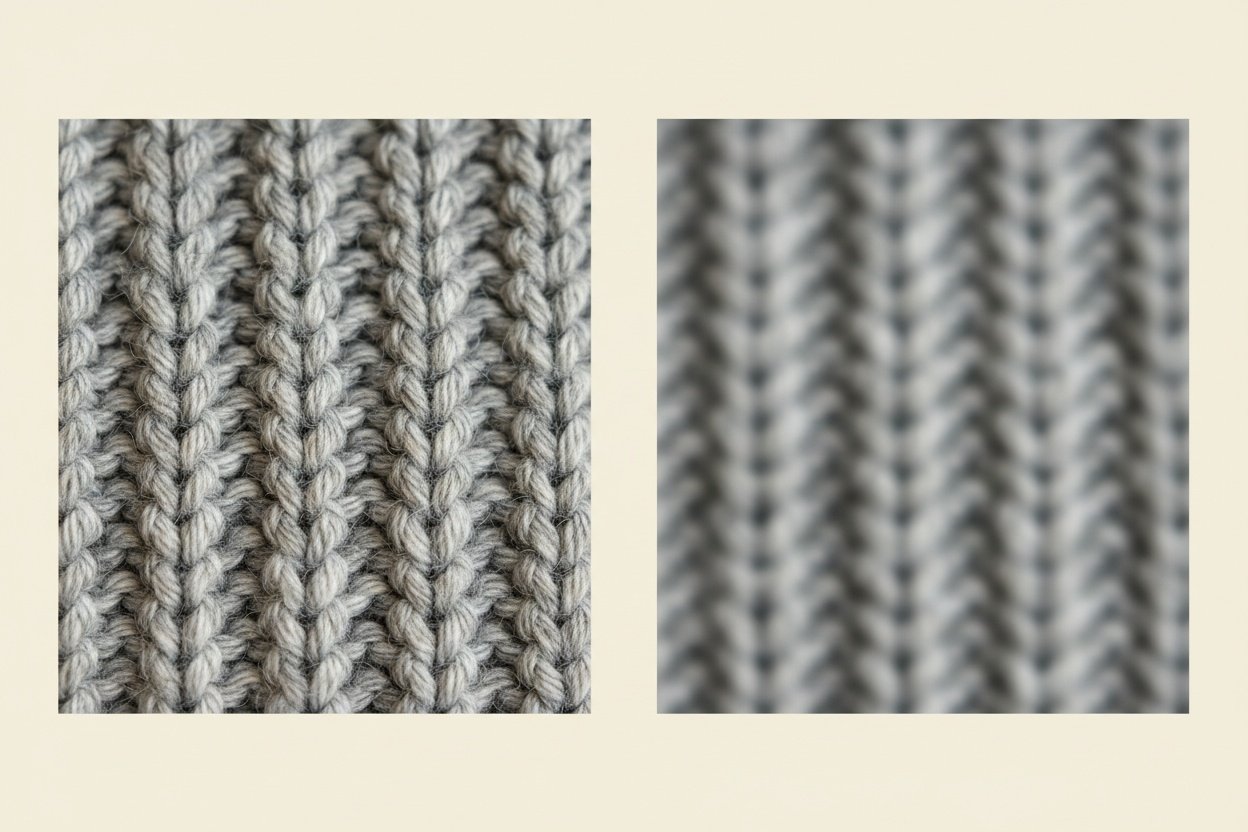
50/50 cotton-poly is economical for promotional apparel, while polyester performance knits suit sublimation.
Dark polyester can cause dye migration into white ink, requiring blocker bases and wash tests.
Weight And Texture

280–400 GSM brushed fleece can soften fine detail; French terry usually presents a cleaner surface.
High-density prints need opacity checks after 5–10 washes.
5. Custom Garment Printing Customization Options
At VeeWen’s 100-piece-per-style baseline, custom garment printing begins with a placement map—not a graphic alone. Confirm dimensions, print zones, branding components, and an approved sample before bulk production.
| Feature | Value Signal | Production Risk |
|---|---|---|
| Puff print | Raised texture | Cracking |
| Foil | Metallic accent | Adhesion |
| Reflective | Visibility | Alignment |
Artwork And Color Control
1:1 vector artwork, Pantone references, and named print layers prevent ambiguity between front, sleeve, neck, and oversized placements.
One physical sample should confirm color, scale, registration, and wash response before pre-production approval.
Value Versus Risk

Water-based inks suit soft hand feel; plastisol supports opacity. Puff, foil, reflective details, all-over prints, and embroidery increase perceived value but raise registration, cracking, or drape risk.
Two branding layers—woven labels, neck prints, hangtags, and polybags—should be approved together to protect brand consistency.
6. Construction and Print Quality Standards
100-piece production runs still need measurable tolerances, not approval by photo. Put fabric, construction, print, and wash targets in the tech pack before bulk cutting.
Fabric And Construction

180 GSM and 100% cotton must be verified against the approved fabric. Specify stitch density, seam type, rib recovery, and measurement tolerances after wash.
Print Durability Tests
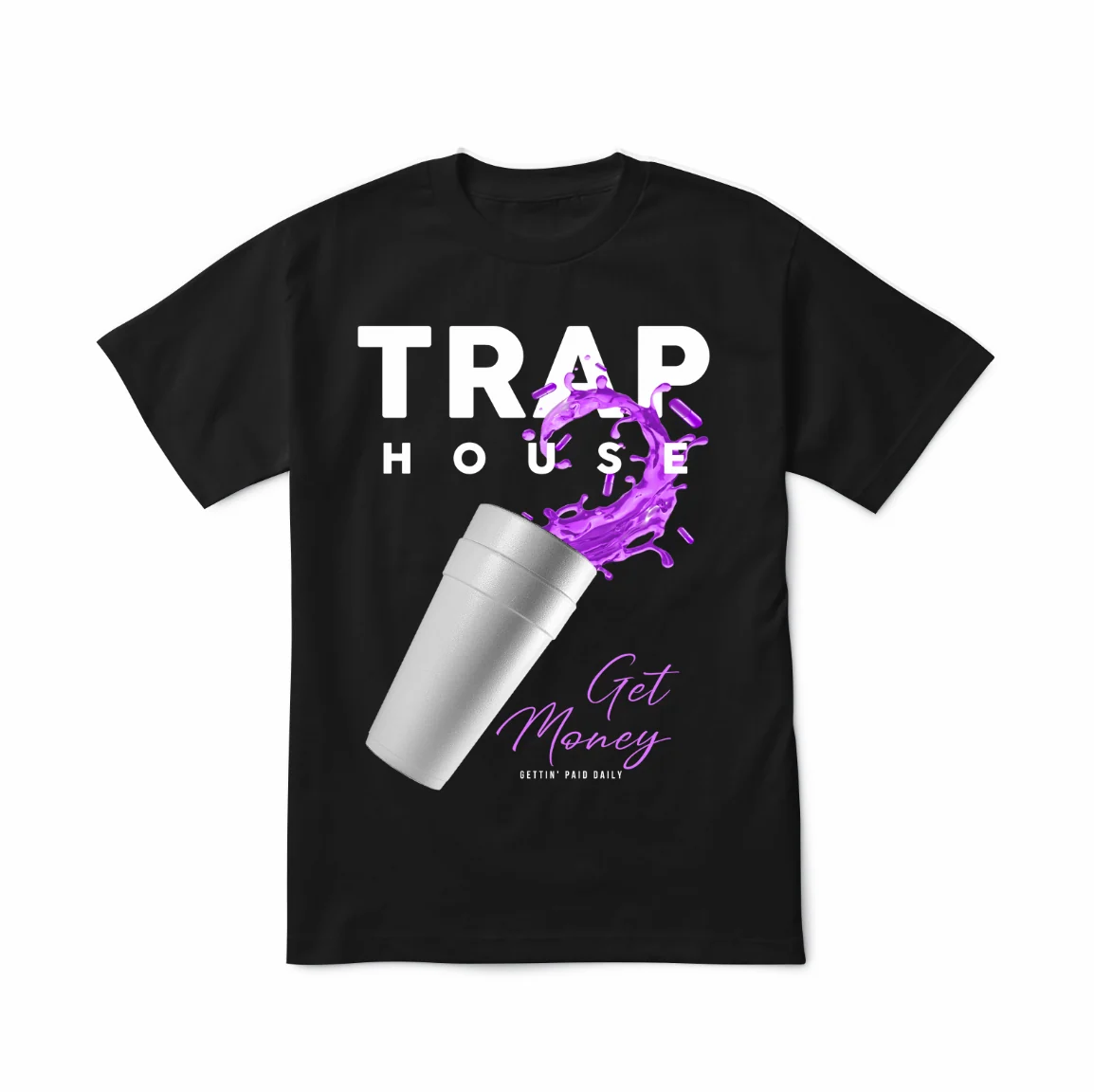
2 mm registration tolerance, even ink coverage, and no visible cracking should define approval. Test adhesion, colorfastness, and shrinkage through agreed wash cycles.
Sample And Inspection Control
1 pre-production sample locks fabric, fit, trims, and print placement before bulk. Use an AQL-style final inspection and retain approved samples for repeat-order comparison.
7. Choosing a Custom Garment Printing Manufacturer
A 100-piece MOQ can suit a focused test drop, but it does not prove a supplier can repeat color, fit, and print quality. Evaluate the factory’s relevant category experience before comparing quotes.
Verify Production Ownership
Ask which printing steps are in-house, which are subcontracted, and who owns final inspection. Request photos or video of comparable heavyweight tees, hoodies, and finished prints, plus the production timeline.
- Which print methods are in-house?
- Who approves outsourced work?
- What is monthly available capacity?
Test The Sampling System
Order a paid pre-production sample using the intended fabric, Pantone colors, artwork, labels, and wash. Compare measurements, hand feel, adhesion, shade, and packing against a signed specification before releasing a deposit.
- Confirm 100-piece MOQ by style
- Record revisions and sample dates
- Approve a sealed reference sample
Document Risk Controls
Use a purchase order covering graded measurements, AQL inspection terms, defect handling, Incoterms, and export documents. Ask how artwork confidentiality, certifications such as OEKO-TEX or BSCI, communication response times, and shipment coordination are documented.
- Who controls your artwork files?
- What inspection report is supplied?
- Which export documents are included?
8. Common Custom Garment Printing Mistakes
Most disappointing bulk runs trace to unchecked assumptions, not the press itself. Treat the approved sample and signed production sheet as the control point before custom garment printing begins.
Match Method To Fabric
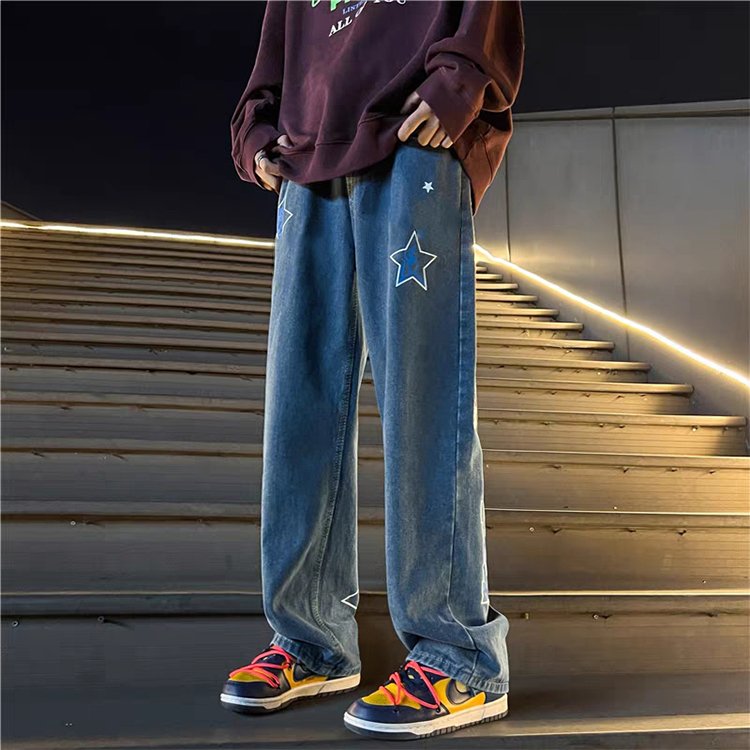
100% cotton jersey, polyester, and brushed fleece accept ink differently; choosing DTF, screen print, or discharge first can cause poor adhesion or hand feel. Confirm the fabric, finish, and decoration test together.
Control Artwork And Scale

300 DPI artwork at final size prevents soft edges, while stated chest width and placement prevent oversized or undersized graphics. Run a wash test and approve a Pantone-referenced strike-off; screen colors can shift by ink, fabric, and cure.
Protect The Purchase Order
2–4 weeks of sampling plus bulk time can expand with washes, trims, or revisions, so build a dated critical path. Sign specifications covering measurements, colors, print dimensions, packing, and tolerance; the lowest quote often excludes controls or durable materials.
9. Launching a Printed Apparel Collection
A disciplined launch locks visual direction before custom garment printing reaches bulk production. VeeWen can turn references into documented specifications, approvals and packed goods.
Build The Production Brief
1 reference board, tech pack and print-ready artwork set the fit, Pantone colors, placements, dimensions, fabric and trims before quotation.
Approve Samples And Cost
2 gates—development sample and pre-production sample—should confirm hand feel, shrinkage, print result, graded measurements, packing and final landed-cost assumptions.
Release Bulk With Control
100 pieces per style supports a focused test launch while preserving one approved specification. After bulk release, inspect in-line work, final goods, labels and polybags before shipment; defer any artwork, fabric or measurement change to the next run.
10. Custom Garment Printing Pricing and Costs
100 pieces per style is VeeWen’s standard MOQ, but unit cost falls as fixed screen, pattern, and sampling work is spread across more garments. Heavy 280–320 GSM cotton, multiple print placements, washes, labels, and custom packaging raise the finished cost.
3 supplier quotes are comparable only when every factory receives the same tech pack, Pantone artwork, size ratio, fabric composition and weight, decoration placements, label pack, packing method, delivery term, and destination. Request itemized development, setup, bulk, and freight lines before approving a sample.
| Quantity | Print method / complexity | Setup and sample | Typical production lead time |
|---|---|---|---|
| 100–299 | DTF or 1–2 color screen print | Artwork/setup may apply; paid sample | 20–35 days after approval |
| 300–999 | 2–4 color screen print | Setup spread across bulk; sample charged | 25–40 days |
| 1,000+ | Screen, puff, high-density, or multi-placement | Confirm screens and pre-production sample | 30–45 days |
Send Your Artwork for a Custom Garment Printing Quote
Share your garment type, fabric preference, quantities and required print effects for a practical OEM, ODM or private-label quotation from VeeWen.