
Low MOQ Vintage Wash Clothing Production Factory for Streetwear Drops
VeeWen delivers controlled fading, broken-in hand feel, and production-ready vintage wash garments from 100 pieces per style.
Featured Products for low MOQ vintage wash clothing production factory Development








Low MOQ Vintage Wash Clothing Production Factory Characteristics You Can Specify
Define the hand feel, color character and wear performance of each streetwear style before sampling at VeeWen’s 100-piece-per-style MOQ.
Softened Hand Feel
Select fabric weight and wash intensity to achieve a broken-in touch while retaining the structure your tee, hoodie or denim silhouette needs.
Worn-In Color Depth
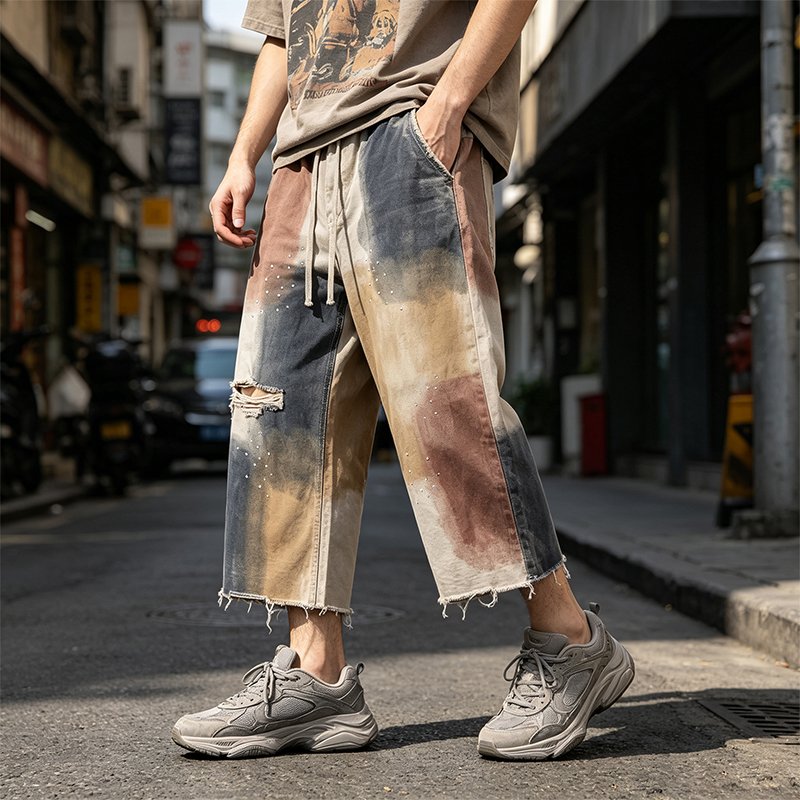
Specify pigment dye, enzyme wash, acid wash or vintage fading to create layered color character suited to your brand direction.
Controlled Variation
Approve a wash reference and shade tolerance range so natural garment-to-garment variation feels intentional across each production run.
Shrinkage-Aware Fit
Wash-test measurements during sampling to account for shrinkage, helping graded sizes maintain the intended body length, width and sleeve proportions.
Durable Vintage Finish
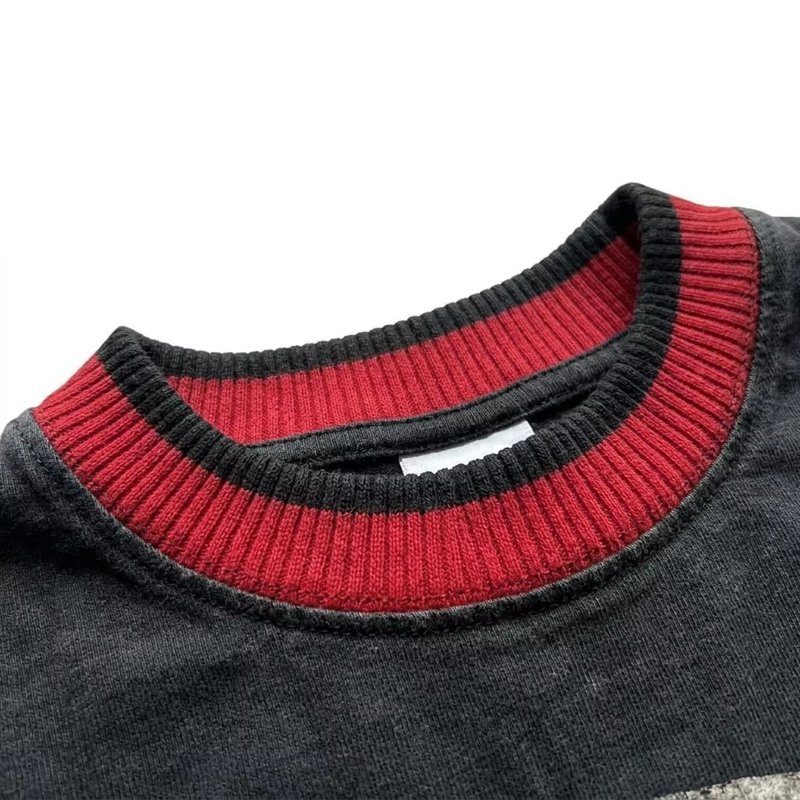
Review wash-tested seams, rib recovery, print adhesion and fabric surface condition before bulk production for a finish built for repeated wear.
Production-Ready References
Use swatches, reference garments and approved samples to document wash recipes, distressing placement and final appearance for consistent reorders.
More Low MOQ Vintage Wash Clothing Production Factory Options and Guides
Compare adjacent product categories, manufacturing options and practical buyer resources from the VeeWen architecture.

Garment Washing & Dyeing
Garment washing and dyeing from 100 pieces per style, with approved samples for consistent shade, shrinkage and vintage effects. Request a custom quote.
Explore Category
Garment Dyed Shirts Production Partner
Garment dyed shirts production partner for 100-piece OEM runs, delivering controlled vintage color and fit-approved bulk goods. Request a custom quote today.
Explore Category
Acid Wash Hoodie Wholesale
Acid wash hoodie wholesale from a 100-piece-per-style MOQ, with controlled vintage fade, fit sampling, and private-label packing. Request a custom quote.
Explore Category
Low MOQ Acid Wash Shorts Factory
Low MOQ acid wash shorts factory for 100-piece OEM runs, with controlled wash shade variation and approved samples before bulk. Request a custom quote.
Explore Category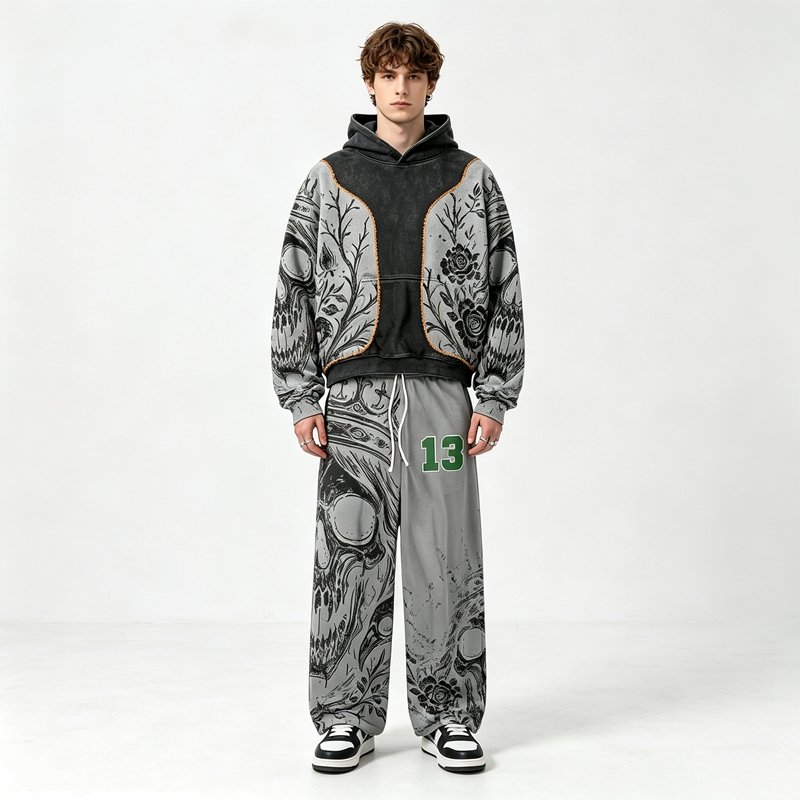
Low MOQ Garment Dyed Sweatpants Factory
low MOQ garment dyed sweatpants factory for 100-piece OEM runs, with controlled wash shrinkage and shade approval. Request a custom quote today.
Explore Category
Custom Clothing Manufacturing
Custom clothing manufacturing from 100 pieces per style, with OEM, ODM, sampling and private-label finishing. Send your tech pack to request a quote.
Explore Category
Apparel Manufacturing Capabilities
Apparel manufacturing capabilities for OEM, ODM and private-label collections from 100 pieces per style, from sampling to packed bulk goods. Request a quote.
Explore Category
Apparel Manufacturing Solutions
Apparel manufacturing solutions with OEM, ODM and private-label production from 100 pieces per style. Send your tech pack and request a custom quote.
Explore CategoryYour low MOQ vintage wash clothing production factory
Founded in Dongguan in 2016 by ChangKeng Luo, VeeWen was built to turn menswear and streetwear concepts into production-ready collections. We help global labels develop vintage-wash garments with the structure, hand feel, fading direction and private-label details needed to make a drop feel intentional.
As a low MOQ vintage wash clothing production factory, VeeWen supports orders from 100 pieces per style. Buyers can begin with a tech pack, reference sample or visual concept, then move through fabric sourcing, pattern development, wash trials, fit review and approved samples before bulk production.
Our difference is a documented, end-to-end workflow managed by one accountable partner. We explain practical trade-offs, including how wash effects influence shrinkage, shade variation and garment structure, then coordinate in-line inspection, final quality checks, labeling, packaging and shipment preparation.

Vintage Wash Controls That Shape the Final Garment
Build the Right Fabric Base
A repeatable vintage wash begins with the correct fabric weight, fiber content, construction and color base. As a low MOQ vintage wash clothing production factory, VeeWen matches the base material to the intended structure, fading behavior and streetwear hand feel.
- Select jersey, French terry, fleece, denim or twill for the target silhouette
- Balance cotton content and garment weight against softness and visual aging
- Review how seams, ribs and trims will react beside the main fabric
Approve Dye and Wash Recipes
Pigment dye, enzyme treatment, acid wash, stone wash and fading techniques create different character. We develop the dye and wash direction against your approved reference, accounting for contrast, surface texture and the acceptable level of garment-to-garment variation before bulk production.
- Define the target shade, fade placement and distressed character
- Test wash intensity against print, embroidery and patch applications
- Use approved samples to document the production wash standard

Control Shrinkage and Fit
Washing can change body length, width, sleeve proportions and rib recovery, especially on heavyweight cotton garments. VeeWen plans pattern allowances, pre-wash measurements and fit reviews so the finished garment stays aligned with the approved size specification after processing.
- Measure samples before and after washing to confirm shrinkage
- Set graded measurements for the finished, post-wash garment
- Check shoulder drop, body width, sleeve pitch and rib recovery
Inspect Every Washed Garment
Post-wash checks protect the visual standard as well as wearable quality. Our team compares bulk goods against the approved shade and hand feel, then reviews construction, decoration, measurements and packing details so your 100-piece-per-style order is ready for private-label delivery.
- Compare shade variation and wash character with the approved sample
- Inspect seams, trims, labels and decoration after washing
- Complete final measurement, appearance and packing checks before shipment

Low MOQ Vintage Wash Clothing Production Factory vs. Enzyme Wash
Choose the wash direction that supports your fabric, graphics, fade target, and repeatable 100-piece streetwear production.
← Swipe left or right to view →
Low MOQ Vintage Wash Clothing Production Factory Process
A controlled sequence that turns approved fabric, wash direction and fit specifications into consistent 100-piece-per-style bulk orders.
Review Fabric and Trims
We assess fabric weight, fiber content, construction, hardware and labels against the target hand feel, fade direction, garment structure and intended streetwear fit.
Develop Sample Garments
Patterns, graded measurements and decoration placements are confirmed before sample sewing, allowing wash behavior, shrinkage risk and trim compatibility to be evaluated early.
Test Wash and Shade
Sample garments undergo the selected vintage wash process, then we review fading, abrasion, shade variation, softness, recovery and measurement changes with your approval.
Approve Bulk Wash Standard
An approved reference establishes the acceptable shade range, distressing placement, wash intensity and measurements, providing a practical benchmark for repeatable bulk processing.
Process and Inspect Bulk
Bulk garments are washed, dried and checked through in-line inspection for shade consistency, damage, shrinkage, construction quality and approved measurement tolerances.
Finish Pack and Ship
Final pieces receive labels, hangtags and private-label packaging, followed by final quality checks and shipment coordination for your confirmed vintage wash clothing order.
How to Order from a Low MOQ Vintage Wash Clothing Production Factory
Move from wash reference to approved bulk production with clear specifications at VeeWen’s 100-piece-per-style MOQ.
Share Your Product Direction
Send a tech pack, sketch, sample, or reference images with your garment category, target quantity, vintage wash direction, and private-label requirements.
Define Fabric, Fit, and Color
Confirm fabric weight, fit block, graded measurements, color standard, trim details, and intended fading or distressing before pattern and sample work begins.
Review the Development Sample
Assess the sample for hand feel, shrinkage, shade variation, wash placement, print or embroidery performance, and overall fit; submit revisions where needed.
Approve Bulk Production Details
Lock the approved sample, pre-production specifications, packaging, labels, and order quantities so VeeWen can coordinate bulk manufacturing and documented quality checkpoints.
Results from Our Low MOQ Vintage Wash Clothing Production Factory
VeeWen helped us launch a 120-piece washed hoodie drop with a fade that stayed consistent across the size run. After two fit revisions, the approved sample held its boxy shape and rib recovery after washing.
We needed vintage-faded tees without losing the heavyweight structure our customers expect. The 280 GSM jerseys retained their shape after wash testing, and all 150 units arrived with the approved worn-in tone before our campaign date.
For our first small streetwear drop, VeeWen made the wash variation easy to manage through clear sample approvals. The 100-piece cargo program matched the reference fade closely, and the private labels and packing were ready for fulfillment.
Low MOQ Vintage Wash Clothing Production Factory FAQ
Clear answers for brands planning washed tees, hoodies, denim, and streetwear collections at 100 pieces per style.
What fabrics work best with a low MOQ vintage wash clothing production factory?
How much shade variation should I expect from a low MOQ vintage wash clothing production factory?
Can a low MOQ vintage wash clothing production factory add embroidery, patches, or screen prints?
What is the minimum order quantity for vintage wash clothing?
Will the vintage wash fade or shrink after customers wear and wash it?
What do I need to provide for a vintage wash sample?
How long does vintage wash clothing development and production take?
What artwork files are required for washed garment printing and labeling?
Low MOQ Vintage Wash Clothing Production Factory: Complete Buyer’s Guide
Use this decision framework to compare Chinese suppliers, validate wash and construction quality, control low-MOQ costs, and avoid sampling, compliance, and production mistakes before placing an order.
1. What Is a Low MOQ Vintage Wash Clothing Production Factory?
100 pieces per style is a practical low-MOQ threshold for a vintage-wash program when the supplier can develop, sample, wash, inspect, and pack the garment for bulk delivery. A low MOQ vintage wash clothing production factory manages OEM from the buyer’s tech pack, ODM from a supplied concept, and private-label trims and packaging.
100 MOQ does not automatically mean 100 pieces in every color or size. It commonly applies to one style across an agreed colorway and graded size run, subject to fabric availability and wash-house batch requirements.
2016-founded VeeWen operates as a production partner: buyers can review patterns, samples, materials, wash results, and quality checkpoints. Unlike a trading company, a true factory should give direct answers on cut-and-sew construction, wash shrinkage, shade variation, and bulk controls.
2. Evolution of Vintage-Wash Apparel Production
1960s workwear and denim gained their character through wear, sunlight, abrasion and repeated laundering. Mills later translated those irregular effects into controlled garment dyeing, enzyme wash, pigment dye, stone wash, acid wash and localized fading.
1990s streetwear turned the worn-in look into an intentional design language, where shade, hand feel and edge wear carry as much identity as the print. Modern production therefore uses approved wash swatches, measured shrinkage and defined tolerances to keep reorders recognizable.
100-piece programs need tighter controls than blank sourcing because small lots leave little room to average out shade variation or fit movement. VeeWen should lock the base fabric, dye recipe, wash sequence and pre-production sample before bulk cutting.
3. Types of Low MOQ Vintage Wash Clothing Production Factory Orders
100-piece programs work best when the order model matches the buyer’s specification maturity. Vintage washes add shade and shrinkage variables, so complexity should rise only after fit and finish are approved.
| Order Model | Buyer Stage | MOQ / Latitude | Indicative Unit Price | Use / Risk |
|---|---|---|---|---|
| Ready blank | Test launch | 50–100; low | $8–18 | Printed tees; low |
| Stock private label | Early repeat | 100; medium | $12–28 | Hoodies, joggers; low |
| Semi-custom ODM | Growing label | 100; medium-high | $16–38 | Sets; moderate |
| Full OEM cut-and-sew | Established label | 100+; highest | $25–65 | Jackets; high |
| Sample to bulk | Any validated style | 100+; approved spec | $14–55 | Scale after testing |
Fast Market Tests
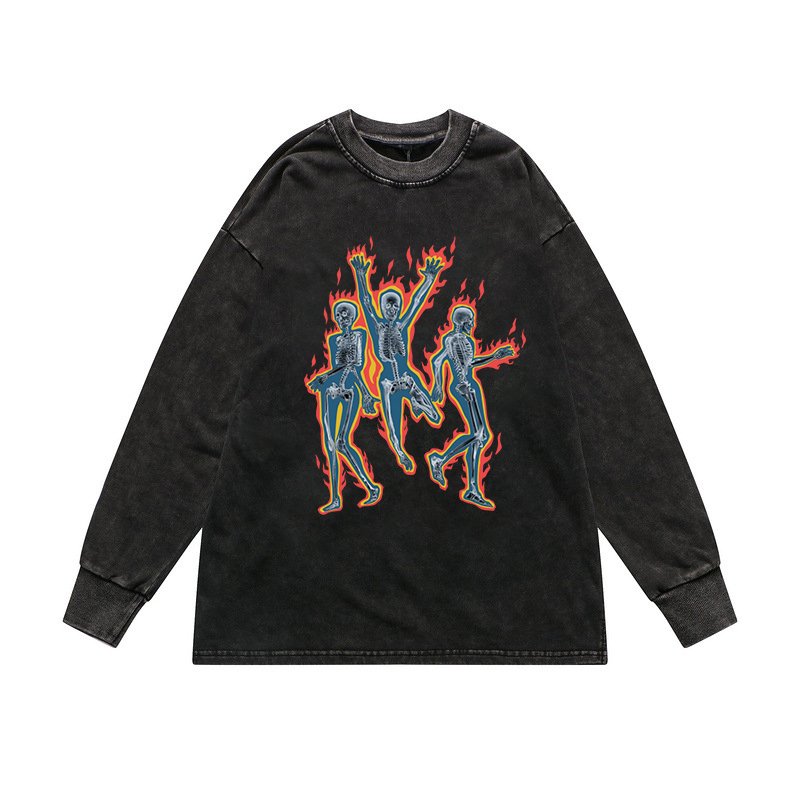
1–2 color blank customization suits new sellers testing graphic tees or hoodies. It permits prints, labels, and controlled wash direction, but limits fit changes.
Private Label Foundations

100-piece stock-fabric private label suits repeat sellers needing tees, sweatpants, or coordinated sets. Semi-custom ODM changes blocks, trims, and washes with lower development risk than new patterns.
Original Product Development

1 approved sample-to-bulk route supports established labels building jackets or custom sets. Full OEM cut-and-sew offers maximum latitude, but pattern, wash, and grading approvals carry the highest risk.
4. Materials for Low MOQ Vintage Wash Clothing Production Factory Programs
100-piece programs need stocked fabric choices that tolerate abrasion, dye loss and shrinkage. Select by final hand feel and acceptable shade variation, not unwashed swatch appearance.
| Fabric | Typical GSM | Wash Result | Small-Batch Cost |
|---|---|---|---|
| Cotton jersey | 180–260 | Soft fading | Low–medium |
| Heavyweight cotton | 260–320 | Structured fade | Medium |
| French terry | 320–450 | Textured vintage | Medium–high |
| Cotton-poly blend | 280–360 | More consistent shade | Low–medium |
Jersey And Heavyweight Cotton
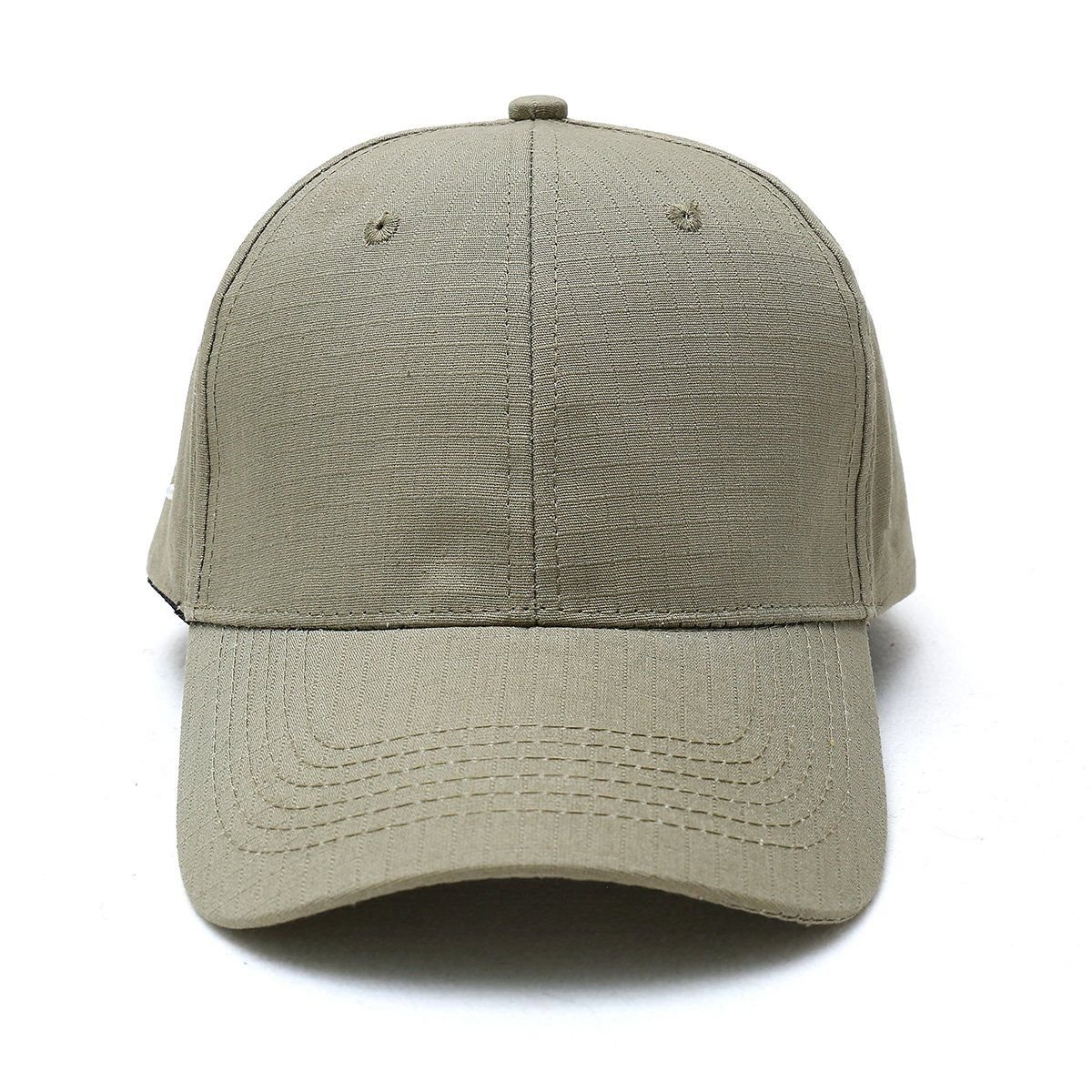
180–260 GSM ring-spun cotton jersey gives softer fading; 260–320 GSM holds boxy tees better. Allow 3–7% shrinkage after wash.
Fleece And French Terry

320–450 GSM French terry preserves loop texture; brushed fleece feels warmer but can pill. Compact yarns cost more and improve surface durability.
Blend And Recycled Choices

80/20 cotton-poly limits shrinkage and improves repeat color, while cotton-rich recycled blends vary more by lot. Reserve confirmed stock before sampling.
5. Vintage Wash Customization and Decoration Options
At 100 pieces per style, approve wash standards on the actual base fabric. VeeWen coordinates finish, decoration, and private-label details through a sample sequence.
| Treatment | Visual Result | Approval Focus |
|---|---|---|
| Enzyme | Soft faded hand | Shade band |
| Pigment | Dry vintage cast | Rub test |
| Stone | Abraded surface | Seam wear |
Wash Approval Standards

Eight directions include enzyme, pigment, mineral, garment dye, snow, acid, stone, and distressed effects. Shade variation is inherent, so approve a sealed reference sample and tolerance before bulk.
Correct Production Sequence
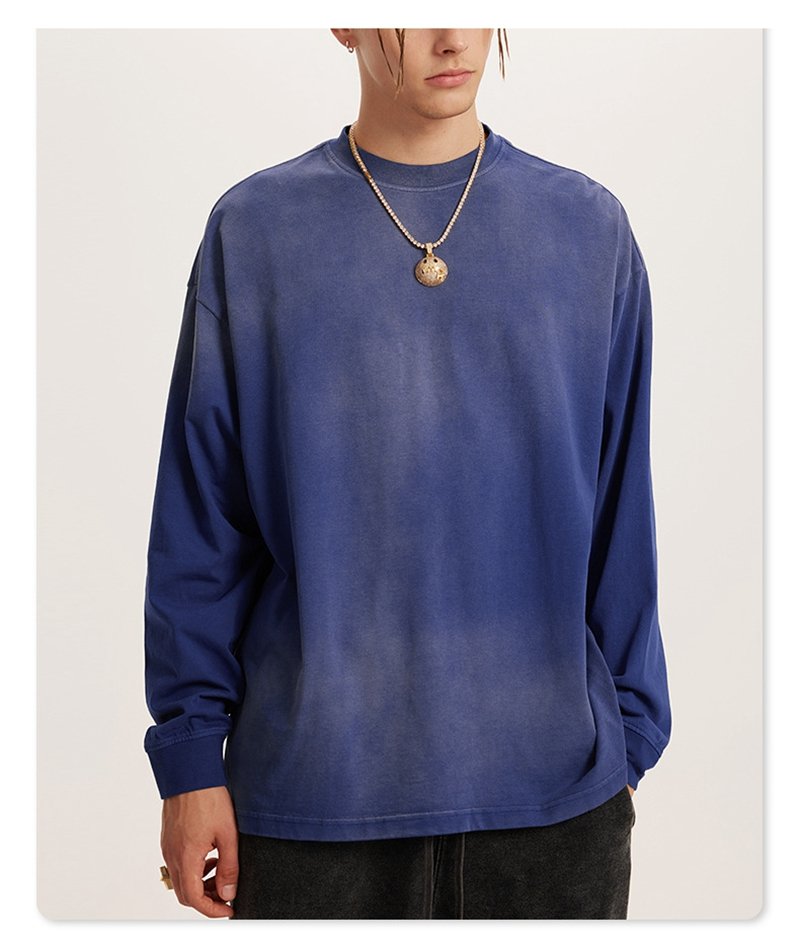
One reliable sequence is cut and sew, wash, stabilize, then decorate and inspect placement. Pre-wash artwork needs testing because abrasion can cause bleed, cracking, or stitch distortion.
Decoration And Packing

Four routes are screen print, DTG, puff ink, and embroidery; patches need a post-wash placement check. Labels, hangtags, polybags, and cartons are confirmed against the approved packing specification.
6. Construction Quality Checks for Washed Garments
Washed garments must be approved after processing, not from a pre-wash sample. For a low MOQ vintage wash clothing production factory, the approved sample locks the wash recipe, measurement standard, shade range and hand feel.
Post-Wash Measurements
Measure fabric weight tolerance, shrinkage, body length, chest, side-seam twist and sleeve pitch after wash. Check collar recovery, rib resilience, stitch density and reinforcement at pockets, crotch and stress points.
Finish And Hardware Tests
Test print adhesion, color fastness, residual odor and zipper, snap or button function. Use the approved washed sample as the bulk reference; an agreed AQL inspection plan catches unacceptable variation before packing.
7. Choosing a Low MOQ Vintage Wash Clothing Production Factory
100-piece programs need evidence before a deposit: confirm whether washing is controlled in-house or by a named partner. Ask for comparable samples, a wash test report, and an export-quality checklist.
| Quantity Tier | Indicative Unit Price | Typical Lead Time |
|---|---|---|
| 100 pieces | US$18–35 | 35–50 days |
| 300 pieces | US$14–28 | 30–45 days |
| 500 pieces | US$12–24 | 30–40 days |
Verify Wash Control
2 questions matter: who washes, and who owns shade approval? Request before-and-after swatches and the subcontractor address.
- Ask for enzyme, pigment, or acid-wash samples
- Match approved shade to a Pantone reference
Test Development Readiness
1 fitted sample should precede bulk. Request a tech-pack review, graded measurement sheet, fabric composition, shrinkage result, and pre-production sample.
- Confirm 100 pieces per style
- Check English revision control
Screen Factory Credibility
3 warning signs are vague capacity claims, refusal to name wash partners, and no comparable export records. Request recent inspection forms, shipping documents with sensitive prices redacted, and certification copies if claimed.
- Compare sample workmanship to bulk promise
- Confirm final inspection and packing responsibility
8. Common Low-MOQ Vintage Wash Sourcing Mistakes
At a 100-piece MOQ, small specification errors quickly consume the margin. Lock evidence, tolerances, color splits, artwork, and inspection requirements before paying a bulk deposit.
Approve Physical Samples
One approved physical sample beats edited photos; photos hide hand feel, shrinkage, and fading. Keep the signed sample and measurement sheet.
Define Wash Tolerances
5–10% shade variation can occur across washed garments. Specify acceptable fading, distress placement, and measurements rather than calling normal variation a defect.
Freeze Core Specifications
After approval, changing fabric weight or color restarts wash testing and may alter MOQ. Confirm color quantities, artwork scale, development costs, and pre-shipment inspection before bulk.
9. Steps to Launch a Vintage-Wash Clothing Line
A first 100-piece program moves fastest when each approval is tied to a production decision. A low MOQ vintage wash clothing production factory needs complete inputs before sampling begins.
Define The Product

Step 1: Lock the concept, tech pack, target fit, graded size chart, Pantone colors, artwork, labels, and packaging. Step 2: Select fabric weight and composition, then approve wash swatches before quotation.
Approve Development Samples
Step 3: Confirm the quotation, prototype, and revised fit sample; freeze measurements, shrinkage tolerance, trim specifications, and decoration placement. Step 4: Approve a size set and pre-production sample before paying the deposit.
Control Bulk And Delivery
Step 5: Release bulk production only against the approved pre-production sample, with in-line inspection for shade, wash effect, and measurements. Step 6: Confirm final inspection, packing ratio, carton marks, shipping method, and consignee details early to prevent handover delays.
10. Low-MOQ Vintage-Wash Pricing and Cost Factors
100 pieces is VeeWen’s standard starting point; expect the highest unit cost because pattern work, sampling, wash trials and screen setup are spread across fewer garments. Final ex-factory pricing follows the approved fabric, measurements, wash standard, artwork and packing specification.
300–500 pieces usually improves material utilization and reduces the fixed-cost share per unit, while complex washes or multi-location decoration can extend development. Landed cost adds freight, insurance, duty, destination handling and local taxes beyond the ex-factory quote.
| Quantity Tier | Indicative Unit-Price Drivers | Lead-Time Effect | Separate Cost Contributors |
|---|---|---|---|
| 100 pieces | Custom pattern, fabric MOQ, wash trials | Longest setup share | Pattern work, sample |
| 300 pieces | Fabric yield, wash consistency | More efficient cutting | Washing, decoration |
| 500+ pieces | Material buying power, fewer changeovers | Bulk scheduling improves | Labels, packaging, freight |
Start Your Low MOQ Vintage Wash Clothing Production Factory Sample
Send your artwork, garment references and target wash direction for a feasibility review and a custom 100-piece-per-style production quote.