
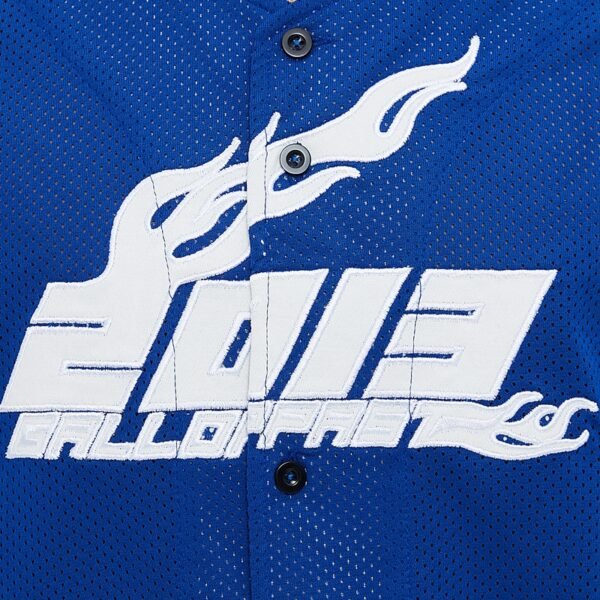
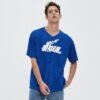
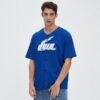

This custom blue mesh baseball jersey is developed around one practical issue: controlling thickness where decoration, seams, and breathable fabric meet. The visible back combines oversized numbering, lettering, sleeves, and mesh, so approval should focus on clean transitions rather than decoration alone.
Why Intersections Matter On This Jersey
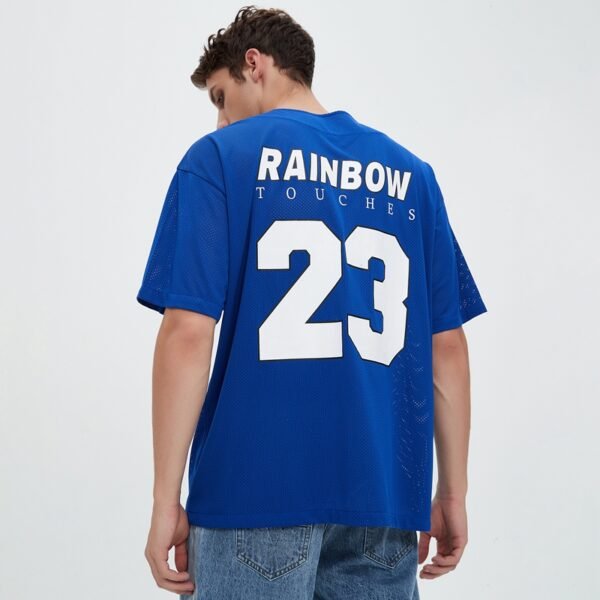
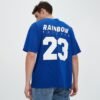
The supplied back view shows a large white number spanning the lower back while lettering occupies the upper panel. These elements create raised layers over mesh, and their edges approach seams, increasing thickness precisely where the garment must remain flexible during movement.
If bulk accumulates at the shoulder, sleeve join, or decorated back panel, the jersey can feel rigid and hang unevenly. A thinner decoration may improve comfort but reduce visual presence, while heavier applique strengthens impact and demands more careful seam allowance planning.
Reading The Supplied Construction Evidence
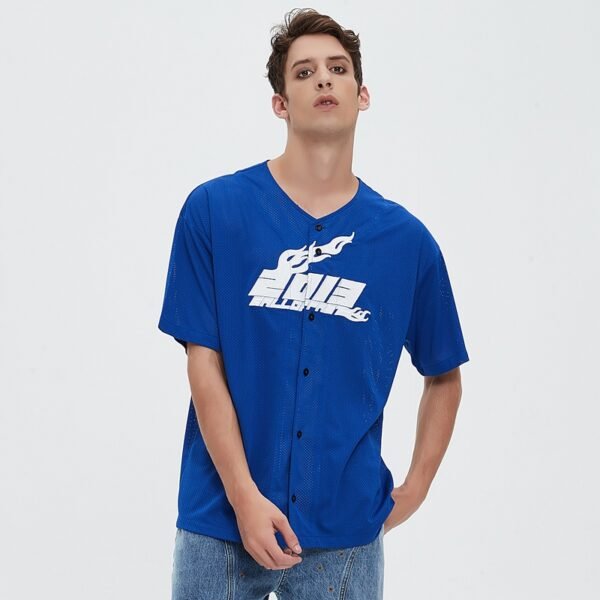
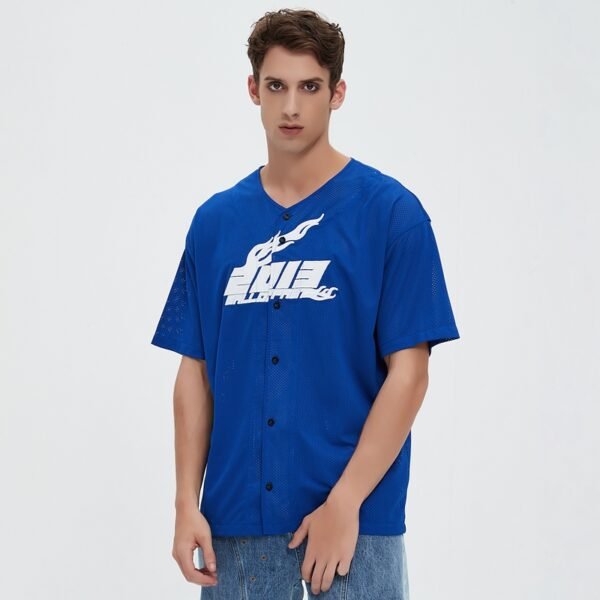
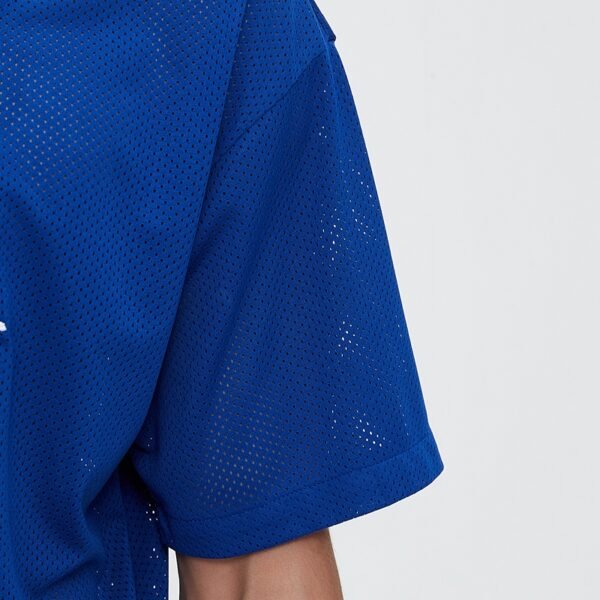
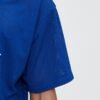
The blue body appears to use an open mesh surface, with small perforations visible across the back and sleeves. That texture can expose uneven backing, puckering, or shadowing, so the decoration substrate and attachment method must be evaluated against the fabric's openness.
The image also shows white lettering positioned above a large white number with dark outlining. This layered contrast is commercially clear, but every border, overlap, and turn adds handling demands that should be checked for flatness before approval.
Decoration Layering And Wearability
Applique numbering gives the back a dimensional athletic identity, yet the decoration changes how the fabric bends and recovers. VeeWen development should compare edge stiffness, attachment security, and backing feel at the largest number corners and along narrow letter shapes.
A lighter construction can preserve drape across the mesh, while a denser build may better support sharp outlines and repeated handling. The correct choice depends on the buyer's preferred balance between graphic authority, softness, and acceptable localized thickness.
Pattern Decisions Around Bulk Zones
The back decoration should be mapped against the pattern before grading, especially where the center back, shoulder line, sleeve cap, and side seams influence fabric tension. Moving an edge or seam slightly can prevent several layers from converging at one high-stress point.
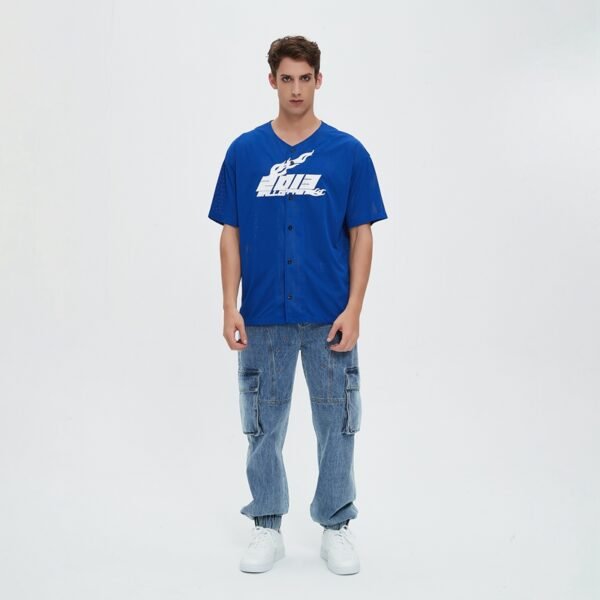
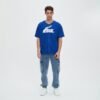
The broad silhouette visible in the image offers room for graphic placement, but excess ease can also make heavy decoration pull away from the body. The pattern checkpoint is therefore a balanced approval of placement, mobility, and visual proportion.
VeeWen Development Workflow For This Argument
VeeWen can translate the supplied visual into a construction brief that marks every decorated intersection, then build the first sample around those specific bulk zones. The review should record edge behavior, seam flatness, backing feel, and the jersey's hang from front and back.
After buyer comments, the revised sample should confirm whether changed allowances or attachment settings improve movement without weakening the graphic. The production file should then preserve approved artwork placement, seam sequencing, and decoration tolerances for the agreed style.
Approval Checkpoint Before Production
Before placing the style into production, buyers should inspect a physical sample or documented construction proof at the center back, shoulder joins, sleeve seams, and number corners. These locations reveal whether decoration remains stable without creating uncomfortable ridges or visible distortion.
Approve only when the jersey hangs evenly, the mesh remains visually consistent, and the lettering and numbering retain their intended hierarchy. Also confirm final composition, GSM, color standards, grading, and decoration specifications because they are not fully evidenced here.
Buyer Questions
Is the jersey made from polyester mesh?
Mesh is visible in the supplied images, but fiber composition is not stated. Confirm the exact blend, GSM, and backing behavior during material approval.
Can the back numbering be changed?
The visible lettering and numbering establish the construction reference. Artwork, dimensions, colors, and placement can be developed subject to technical approval and production feasibility.
What is the main sampling risk?
The primary risk is concentrated bulk where applique layers approach seams. Review flatness, flexibility, backing comfort, and garment hang at those intersections.
What quantity can initiate the style?
The commercial minimum is MOQ: 100 pieces per style. Final quantities, size breakdown, decoration details, and approved specifications should be confirmed before ordering.
Approve The Intersection Sample
Send your artwork, measurement chart, target mesh reference, and color standard for review. VeeWen can then prepare an intersection-focused development brief for buyer approval.


Reviews
There are no reviews yet.