
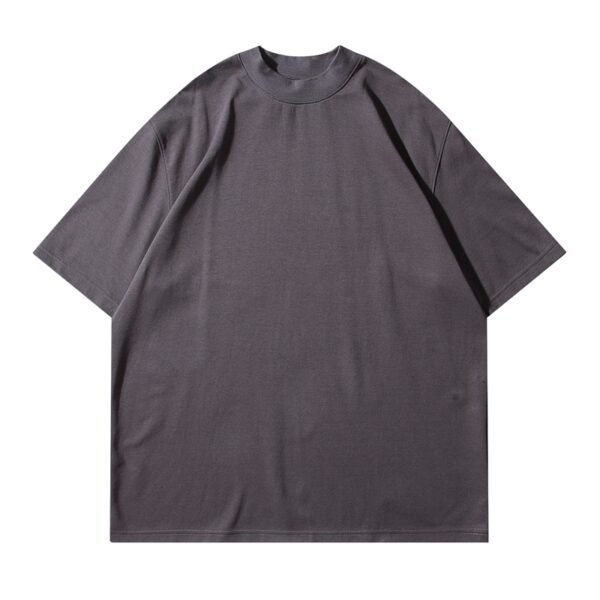
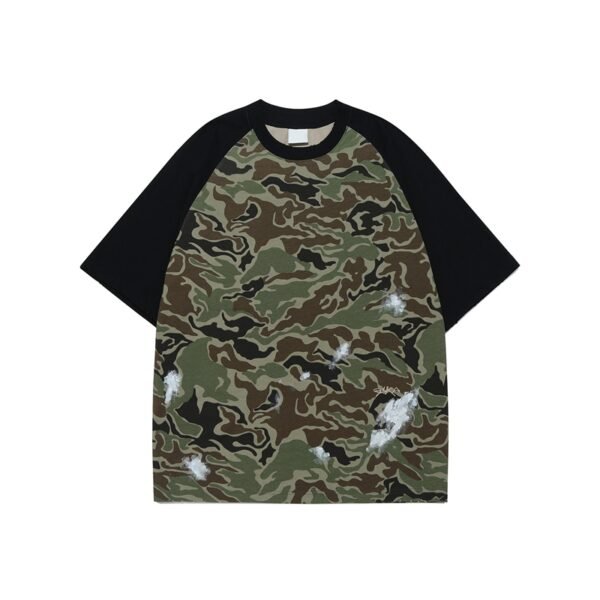
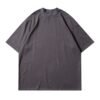
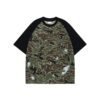
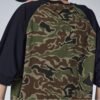
This custom heavyweight crewneck is developed around trim behavior after washing. The supplied image shows a dark, substantial-looking tee with a broad rib collar and clean sleeve and bottom hems, while the source wording references 280 GSM and raglan sleeves. The approval focus is therefore edge stability, not decoration alone.
Why Trim Finish Drives the Product Argument
On a heavyweight t-shirt, the collar is a prominent visual boundary and a repeated handling point. The supplied image shows a broad rounded rib opening with a clean transition into the body, so poor wash compatibility could cause rippling, stretching, or an uneven neckline.
Sleeve hems and the bottom hem also frame the garment's volume. Their visible clean lines help the dark body look intentional and structured. If washing changes those edges disproportionately, the tee can appear unbalanced even when the fabric itself remains attractive.
What the Supplied Image Confirms
The main image shows a dark charcoal crewneck laid flat, with a broad collar, short sleeves, clean hem lines, and a relatively smooth body surface. These observations support a trim-led development brief, while they do not independently verify fiber content or exact fabric weight.
The source wording explicitly references heavyweight 280 GSM construction and raglan sleeves. Those details should be carried as source references into the technical sheet, then confirmed through the selected fabric and finished sample before buyers approve production.
Wash Compatibility and Collar Recovery
Rib trim and body fabric may react differently to washing because they have different structures, tensions, and finishing histories. A collar that relaxes faster than the body can lose its rounded profile, while an over-tight collar may pull the neckline inward and distort the intended fit.
The development sample should compare neckline measurement, rib width, attachment tension, and recovery after the agreed wash route. This establishes whether the collar remains visually broad and stable without sacrificing comfort or creating unwanted drag at the shoulder.
Sleeve and Bottom-Hem Coordination
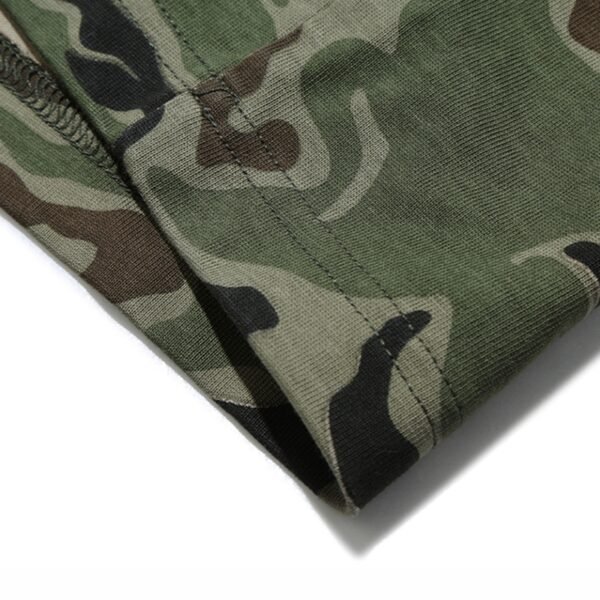
Clean sleeve hems and the bottom hem need compatible stitch density, fold depth, and finishing tension. When these variables are mismatched, one edge may twist or wave after washing while another remains flat, making the garment look inconsistently manufactured.
For the raglan construction referenced by the source, sleeve-to-body movement should be reviewed alongside hem behavior. The objective is a coordinated silhouette in which the shoulder line, sleeve opening, and lower edge retain comparable visual control after treatment.
VeeWen Product-Development Workflow
VeeWen's workflow should begin with the approved 280 GSM source reference, collar rib selection, raglan pattern, seam construction, and intended wash direction. A technical sample can then isolate trim behavior before artwork, labels, or camouflage placement are finalized.
At review, VeeWen can document before-and-after collar measurements, hem appearance, color response, and fit observations in the same approval record. This product-specific sequence helps buyers decide whether a trim adjustment is necessary before committing the full style.
Approval Criteria Before Bulk Production
Approve the style when the collar retains its rounded profile, sleeve hems remain clean, and the bottom hem stays balanced against the heavyweight body. Confirm that the selected wash route does not create unacceptable shade variation or visible trim mismatch.
The final commercial checkpoint is MOQ: 100 pieces per style after fabric composition, GSM, measurements, raglan construction, color or camouflage execution, decoration, labels, care instructions, and packaging are confirmed in writing.
Buyer Questions
Why approve the collar and wash route together?
Rib and body fabrics can respond differently during washing, changing neckline shape or recovery. Joint approval confirms the broad collar remains stable with the heavyweight body and intended fit.
Is 280 GSM confirmed for this t-shirt?
280 GSM is explicitly referenced in the supplied source wording, but the production fabric and finished weight should still be confirmed on the approved development sample.
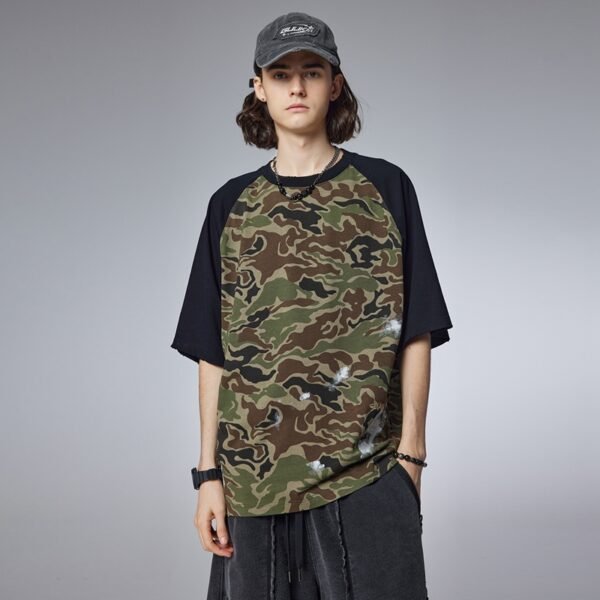
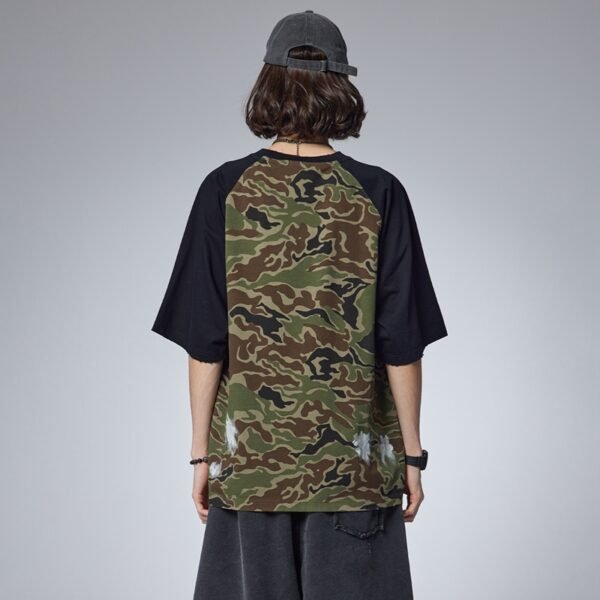
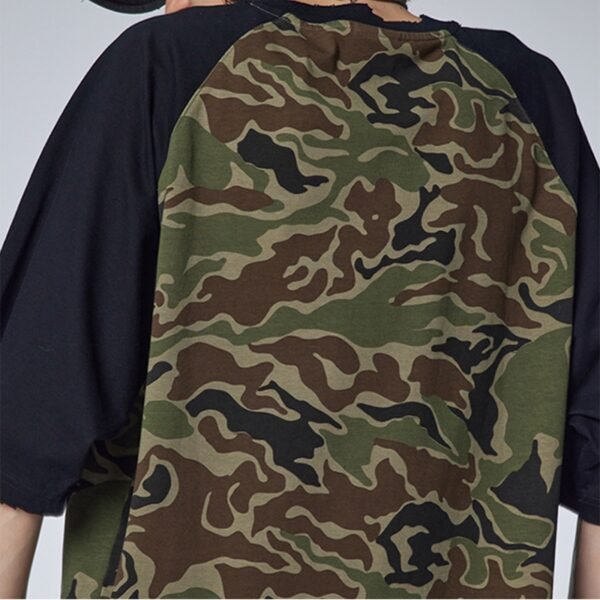
Can this style use camouflage fabric or panels?
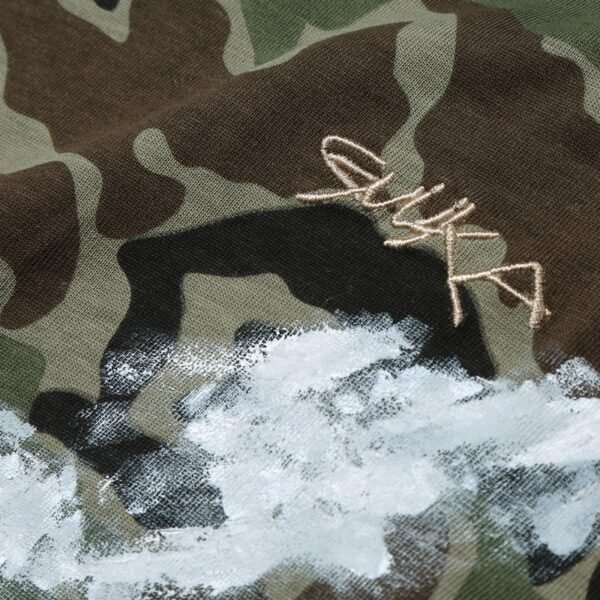
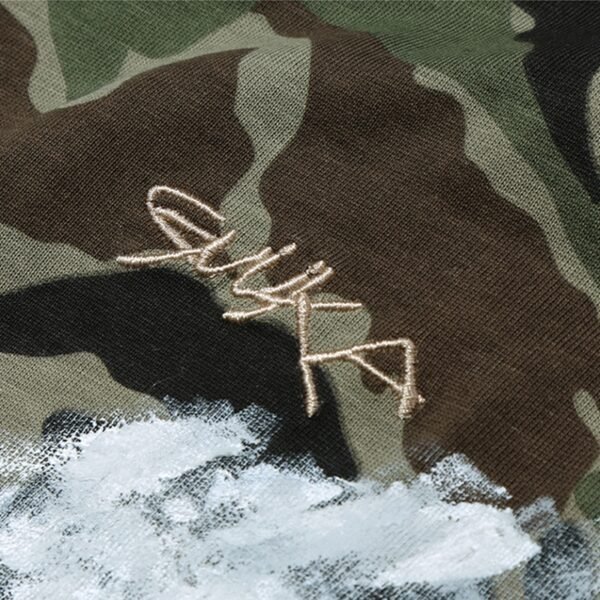
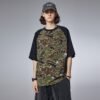
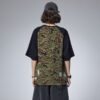
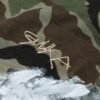
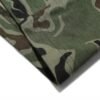
The source wording references camouflage, but the supplied main image shows solid charcoal. Camouflage execution, placement, and color balance should remain To Confirm during development.
What information is needed for production planning?
Provide measurements, fabric composition, confirmed GSM, wash route, trim details, colors, camouflage artwork if applicable, decoration, labels, packaging, and MOQ: 100 pieces per style.
Approve Trim Recovery Before Production
Share your target fit, wash direction, color requirements, and labeling details for a focused sample review. VeeWen will align collar recovery, raglan construction, hem finish, and MOQ: 100 pieces per style.


Reviews
There are no reviews yet.