
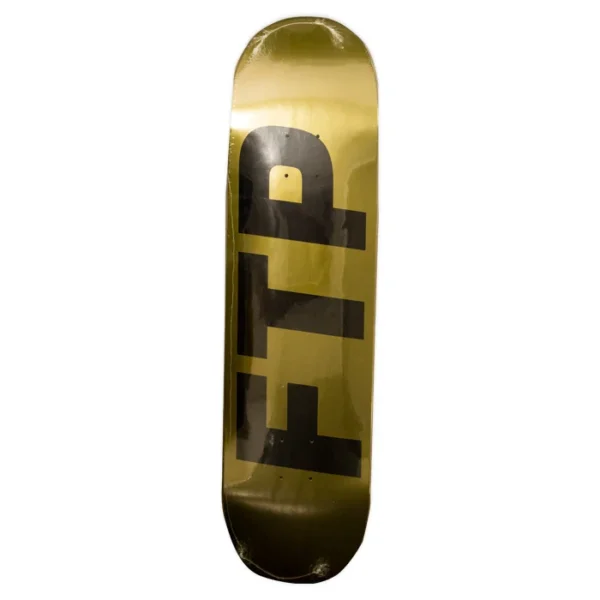
Translating this elongated gold-and-black reference into a soft accessory sleeve creates a specific engineering challenge: side-seam spirality can rotate the entire visual centerline after laundering. VeeWen treats fabric torque, cutting direction, seam placement, and vertical graphic registration as one controlled development decision.
Why Spirality Threatens This Graphic Concept.
A narrow sleeve makes rotational movement easier to notice than on a broad, visually busy accessory. When the side seam migrates toward the face, the vertical black artwork no longer reads as centered, and the rounded ends can appear directionally misaligned.
Spirality can originate in yarn torque, knitted-fabric relaxation, skewed finishing, off-grain cutting, or uneven feeding during seam assembly. Laundering releases stored tension, so a sleeve that appears straight immediately after sewing may rotate after the first agreed wash and drying procedure.
What the Supplied Image Actually Establishes.
The image shows an elongated object with rounded ends, a reflective gold-tone field, and oversized black lettering arranged vertically. These features provide useful direction for shape, proportion, contrast, and graphic orientation, although the photographed object is not a textile accessory.
Accordingly, the reference cannot verify shell composition, seam construction, flexibility, print chemistry, lining, reinforcement, or laundering performance. The product-development record converts only the visible design language into a fabric sleeve concept; every textile and functional specification requires buyer confirmation through prototypes.
Creating a Reliable Visual Centerline.
The dominant artwork should be registered to a defined finished centerline rather than merely aligned with a raw cut edge. Pattern symmetry, seam allowance consistency, and rounded-end notches must support that centerline, especially when the graphic approaches both ends of the elongated form.
VeeWen can establish checkpoints at the upper end, midpoint, and lower end, measuring artwork displacement from the finished edges. This method distinguishes printing misregistration from true seam rotation and gives the buyer clearer evidence when assessing the accessory before and after laundering.
Material Direction and Cutting Control.
If the selected shell is knitted, wale direction and residual torque become central controls. If woven, grain alignment and finishing skew remain relevant. The image supplies no construction evidence, so material selection should follow intended softness, protection, washability, and graphic application requirements.
Cut components should be allowed to relax under an agreed method before final alignment decisions. Marker direction, paired-panel orientation, and seam placement can then be reviewed against the vertical artwork, reducing the risk that material distortion and graphic registration compound each other in production.
Balancing Seam Strategy and Usability.
Moving the seam away from the visible side can protect the presentation face, but it may introduce bulk against the contents or complicate rounded-end assembly. Keeping a conventional side seam simplifies orientation, yet any rotation becomes conspicuous against the long graphic.
The buyer must prioritize presentation, internal smoothness, reversibility, and washability before VeeWen finalizes construction. A lining or reinforcement may improve protection and shape retention, but additional layers can change seam behavior, drying, flexibility, and the way the sleeve relaxes after laundering.
VeeWen Development and Spirality Approval.
VeeWen first needs the intended contents, finished dimensions, preferred opening, care expectation, and artwork file. Those inputs determine whether the concept should use knit or woven material, where the seam can sit, and which laundering assessment represents realistic product use.
The prototype should be marked at its centerline and seam before the agreed wash procedure, then conditioned and laid without forced correction. Buyer approval should record allowable rotation, graphic displacement, dimensional change, rounded-end symmetry, and whether appearance or function governs acceptance when tolerances conflict.
Buyer Questions
Why discuss laundering when the reference object is rigid?
The requested product classification is a soft accessory, and its assigned development axis is laundering spirality. The rigid image contributes visual direction only, while the textile conversion requires separate physical validation.
How is side-seam spirality distinguished from printing error?
Marking the original seam and finished centerline before laundering separates seam migration from artwork misregistration. Measurements at multiple points show whether rotation arose through fabric relaxation, cutting, sewing, or graphic placement.
Which material best prevents rotation after laundering?
No material can be selected from the image alone. VeeWen should evaluate buyer-approved knit or woven options against desired hand, protection, decoration compatibility, care method, dimensional stability, and construction requirements.
What must be approved before custom production?
Approve intended use, finished dimensions, shell and lining, opening construction, artwork registration, seam position, care procedure, spirality tolerance, labeling, and the physical sample. MOQ: 100 pieces per style.
Define the Sleeve Before Approving Its Centerline.
Provide VeeWen with intended contents, dimensions, artwork, material preference, opening direction, and care expectations. We will develop the seam and graphic relationship around a documented spirality checkpoint. MOQ: 100 pieces per style.

Reviews
There are no reviews yet.