






This custom lightweight performance T-shirt is developed around applique edge control and layer bulk. The supplied image shows a coordinated color range with narrow contrasting sleeve details, so the key decision is how layered components remain flat, flexible, and proportionate on a lightweight body.
Why Applique Control Matters Here
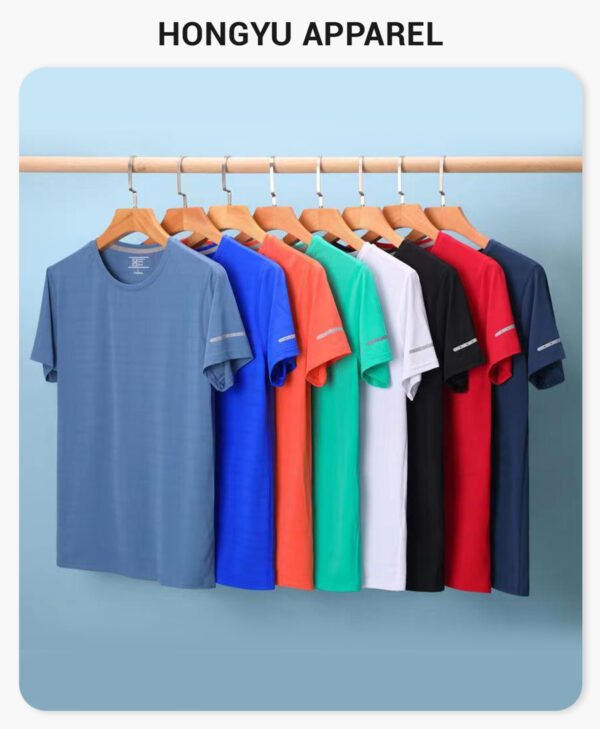
The supplied image shows a row of simple crew-neck T-shirts in multiple colors, with narrow contrasting bands placed near several sleeve hems. Those bands create the product's recognizable construction point, making edge cleanliness more important than adding unnecessary decorative layers.
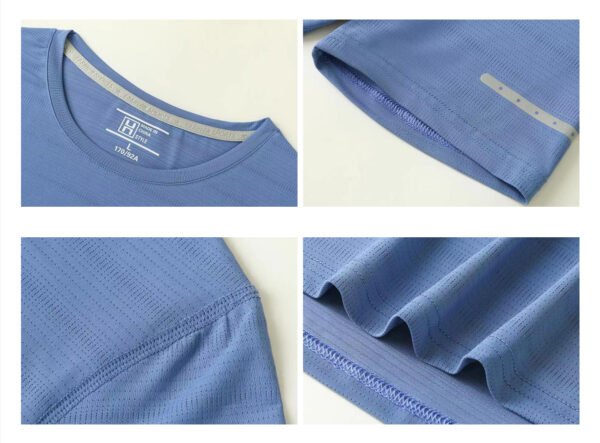
On a lightweight body, even a small applique can influence drape, stretch, and sleeve comfort. The development objective is a secure, low-profile detail that follows the sleeve curve without creating visible ridges, curling edges, or an overly heavy hem area.
Managing Narrow Edges and Corners
The sleeve bands appear narrow and linear, which means exposed edges may become visually uneven if cutting, bonding, or stitching is inconsistent. Each edge should be reviewed for smooth continuity around the sleeve and for a clean meeting point where the detail closes.
VeeWen's sample review should inspect the band at rest and during gentle extension, because a flat appearance on the hanger does not guarantee stable behavior during wear. The buyer checkpoint is consistent width, secure attachment, and comfortable contact against the upper arm.
Layer Bulk Versus Lightweight Drape
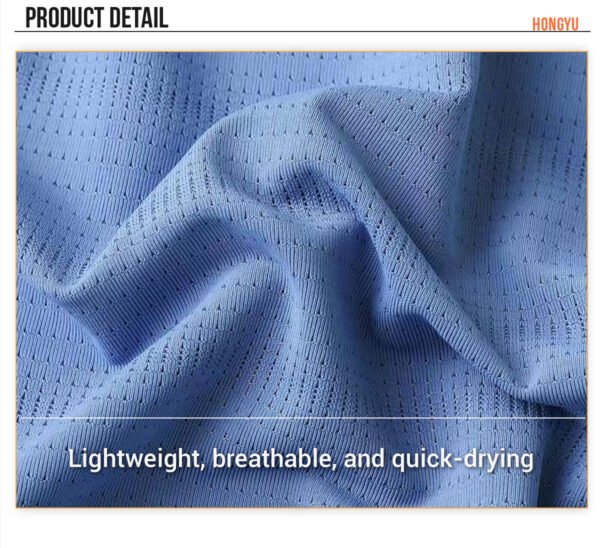
The source wording identifies a lightweight quick-dry sportswear reference, while the image shows relatively uncomplicated silhouettes. These clues support a restrained construction approach, since thick stacked materials could interrupt the body's drape and make the sleeve detail feel disproportionate.
A thinner applique may preserve flexibility but could reduce edge stability, while a more substantial layer may improve definition at the cost of bulk. Development should compare material options on the actual body fabric rather than selecting the detail independently.
Colorway Consistency Across the Range
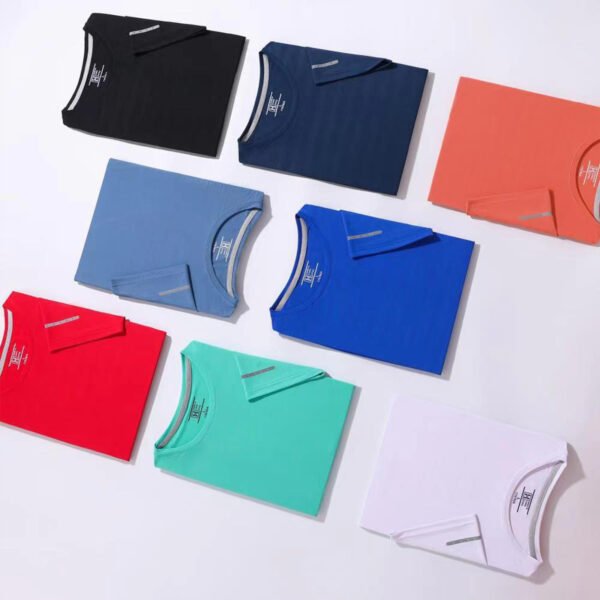
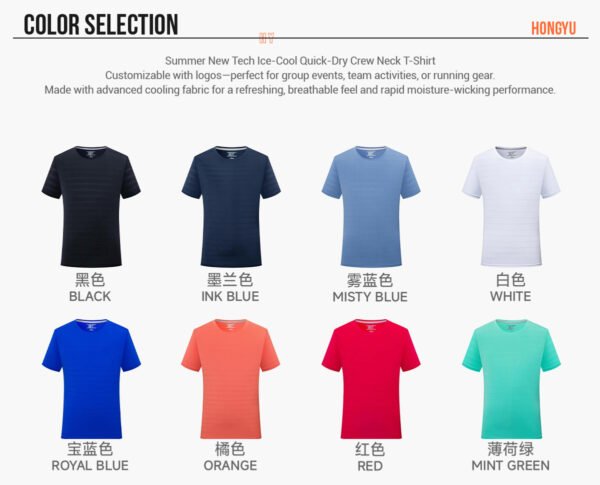
The image presents blue, royal blue, coral, turquoise, white, black, red, and navy references together, creating a broad color program. A narrow contrasting band must remain visible without overpowering each body color, particularly on strong saturated shades.
The production record should therefore define band color, width, placement, and allowable visual contrast for every approved colorway. A detail that works on white may disappear on black or become harsh against coral, so range-level review is essential.
VeeWen Development Workflow
For this style, VeeWen's workflow should start with a sleeve-detail engineering sample using the intended body fabric, applique material, attachment method, and band dimensions. This isolates edge behavior and layer bulk before multiple colorways multiply the approval workload.
Once the sleeve construction is accepted, VeeWen can grade the placement across sizes and test the selected colors against the same detail standard. The workflow checkpoint is a signed sample set confirming flatness, stretch response, comfort, and repeatable band positioning.
Final Construction Approval
Before production, inspect the sleeve detail from the front, side, and inside, checking whether edges lift, stitching shows unevenly, or stacked layers create a hard ridge. Also review the neckline and body drape, because the applique decision should not distort the basic silhouette.
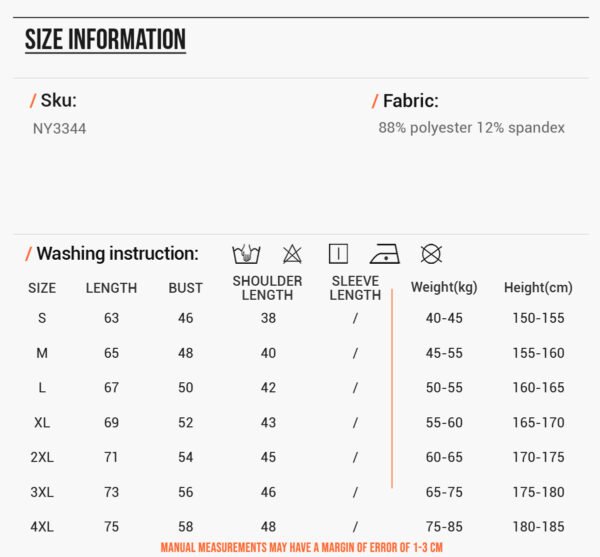
The buyer should approve the construction method, band dimensions, attachment thread or adhesive route, material reference, color list, care instructions, measurements, and tolerance notes. MOQ: 100 pieces per style applies after the complete specification is locked.
Buyer Questions
Are the sleeve bands confirmed as applique?
The assigned manufacturing axis makes applique the development focus, but the image alone cannot confirm attachment method. Stitching, bonding, transfer, or another process requires sampling.
Will layered details make the shirt feel heavy?
They may, depending on material thickness and attachment. A construction sample should compare edge definition, flexibility, drape, and sleeve comfort before selecting the final layer.
Can the same detail work across all colors?
It can be standardized, but contrast may change by body color. Each approved colorway should be reviewed for visibility, balance, edge clarity, and consistent placement.
What is the commercial minimum?
The commercial minimum is MOQ: 100 pieces per style. Quantity planning should follow approval of the fabric, applique construction, colorways, size range, and care requirements.
Approve the Sleeve Detail Construction
Share the target fabric and color range with VeeWen for a sleeve-band engineering sample, then approve edge flatness, layer bulk, stretch comfort, color contrast, and graded placement.



Reviews
There are no reviews yet.