

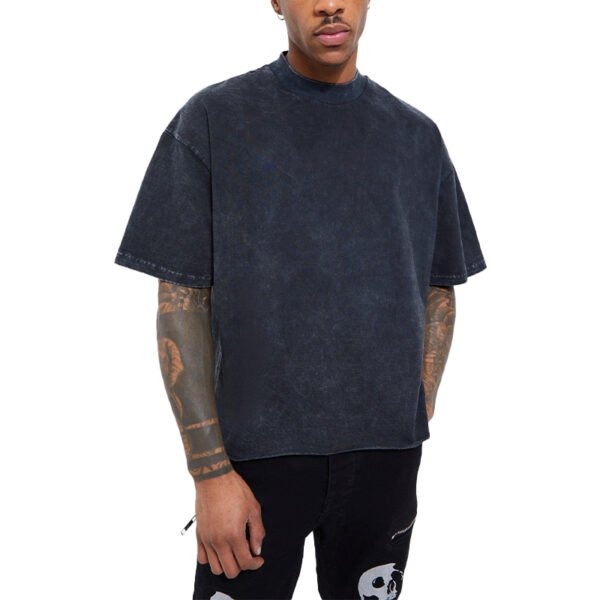
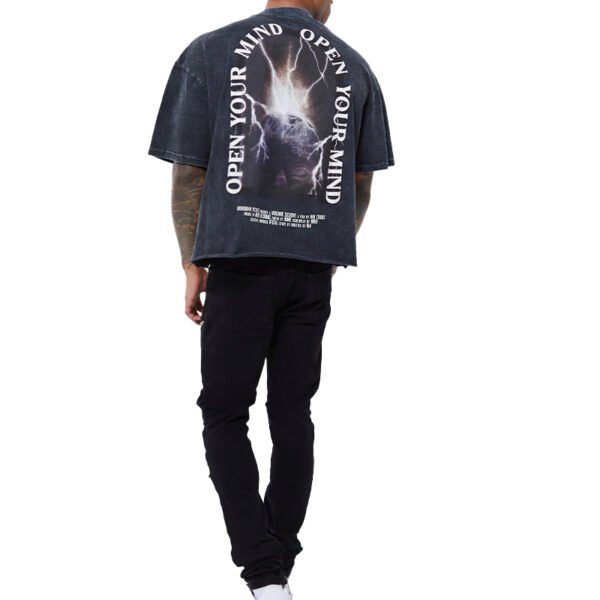
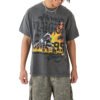
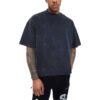
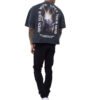

This custom street T-shirt is developed around reorder confidence: a sealed approval sample fixes the graphic scale, print boundaries, body appearance, and measurements before production proceeds. The supplied image supports a charcoal short-sleeve base carrying high-impact motorcycle and flame artwork across the front.
Why the Approval Sample Matters
The artwork is not a small chest mark; it occupies most of the visible front, combining lettering, motorcycle imagery, flames, and a racing number. That scale means minor placement shifts can change balance, legibility, and the perceived value of the finished style.
A sealed sample gives the buyer one physical benchmark for the charcoal body, neckline, sleeve proportion, graphic position, and print boundaries. Reorders can then be checked against an agreed reference instead of relying on changing screen files or memory.
Artwork Scale And Placement
The supplied image shows the main composition centered from upper chest toward the lower front, with dark typography extending around a bright flame and motorcycle illustration. Development should therefore define artwork width, vertical anchor points, and distance from neckline and hem.
Placement control also protects the relationship between the graphic and side seams. If the print drifts, the motorcycle and lettering may appear off-center even when the artwork file remains unchanged. The approval sample should record these visual tolerances explicitly.
Managing Charcoal Body Appearance
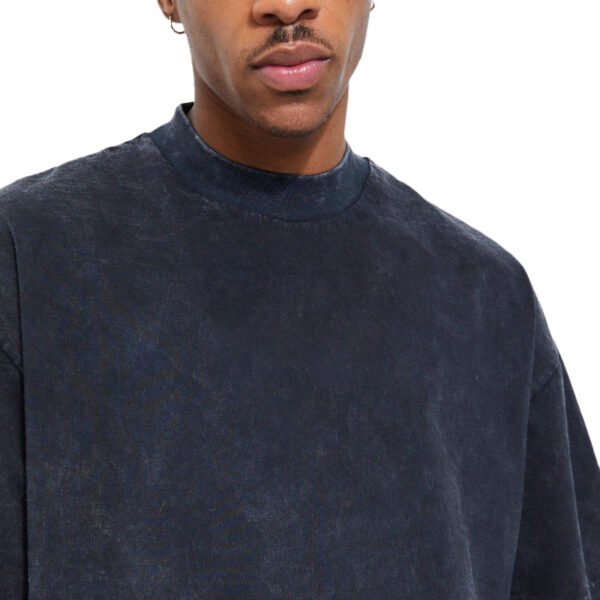
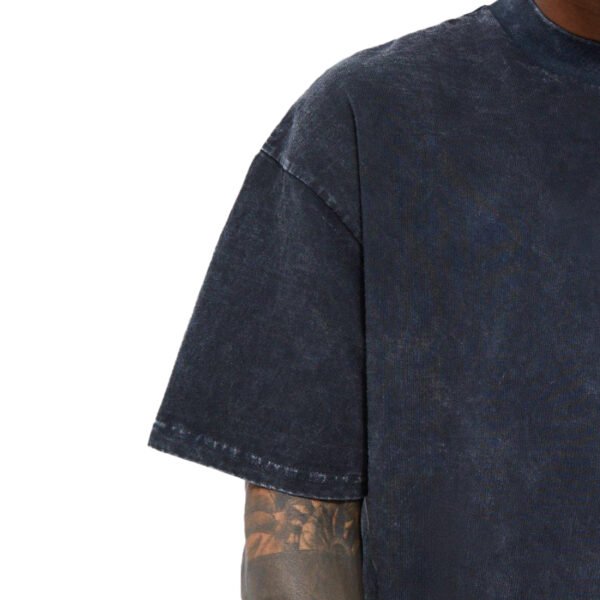
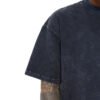
The photographed body reads as charcoal grey with tonal variation rather than a perfectly flat light grey. That appearance influences how black lettering, orange flames, yellow highlights, and white details are perceived, so the base fabric or wash effect requires direct approval.
The trade-off is visual character versus repeat simplicity. A more varied body can strengthen the streetwear direction, but it creates another appearance variable during reorders. The buyer should decide whether tonal variation is essential, acceptable within limits, or excluded.
Print Layer And Surface Review
The front graphic visibly combines multiple colors and visual layers, including dark lettering, warm flames, pale motorcycle details, and numeric elements. The sample review should assess edge registration, coverage, opacity, and the visual separation between adjacent colors before the style becomes orderable.
A sealed reference cannot replace production testing, but it can define the intended appearance. Buyers should request confirmation of the selected print process and approve a physical result under normal viewing conditions, especially where dark ink meets the charcoal ground.
VeeWen Development Workflow
VeeWen can place this argument inside development by first translating the supplied visual into an artwork placement sheet, measurement chart, and base-body appearance notes. The sample stage then consolidates those decisions into one sealed reference for production and subsequent reorder review.
The workflow checkpoint is practical: compare the physical sample against the approved artwork, record deviations, close unresolved composition or fabric questions, and release only the confirmed version. This keeps reorder control attached to a garment reference, not merely a digital design file.
Reorder Release Decision
Before approving the style, the buyer should inspect the sample front-on and in natural movement, checking whether the graphic remains balanced when worn. Confirm the neckline, sleeve length, body length, and hem appearance alongside artwork scale and color relationships.
The final commercial decision is whether this sample is specific enough to govern future production. If any critical element remains uncertain, hold release and revise the reference. Once accepted, retain the sealed sample and associated approval notes for every reorder discussion.
Buyer Questions
What should the sealed approval sample include?
It should show the agreed body appearance, neckline, sleeve proportions, measurements, artwork scale, placement, colors, print boundaries, and any approved visual tolerance notes.
Is the charcoal appearance a confirmed wash specification?
No. The image shows tonal charcoal variation, but the wash method, shade tolerance, and repeat process require confirmation through the development reference and physical approval.
Can the graphic be changed before production?
Yes. Artwork can remain under development until the buyer confirms scale, placement, color separation, and print appearance on the physical sample before release.
What is the minimum commercial quantity?
The commercial minimum is MOQ: 100 pieces per style. Final production remains subject to approved specifications, artwork, measurements, and the buyer's sealed reference sample.
Seal The Reference Before Reordering
Send the artwork direction, target measurements, and body appearance requirements to VeeWen, then review one physical sample before approving the style for MOQ: 100 pieces per style.


Reviews
There are no reviews yet.