
Garment Construction and Quality Guide for Production-Ready Apparel
Use VeeWen’s garment construction and quality guide to turn menswear and streetwear concepts into approved samples and dependable OEM bulk production.
Use This Garment Construction and Quality Guide to Specify Every Detail
VeeWen converts development decisions into approved specifications that protect consistency from sample review through bulk production.
Fabric and Weight
Specify composition, GSM, hand feel, shrinkage expectations, and performance needs so structure, drape, and target cost remain aligned in bulk.
Fit Blocks and Grading
Lock shoulder drop, body width, sleeve pitch, rise, inseam, and graded measurements to maintain the intended silhouette across every size.
Seams and Reinforcement
Define stitch types, seam allowances, reinforcement points, and rib recovery to support durability without compromising comfort, shape, or production efficiency.
Trims and Private Labels
Confirm zipper pulls, buttons, drawcords, labels, hangtags, and packaging early to avoid late substitutions, compatibility issues, and delayed production windows.
Decoration and Washes
Test print, embroidery, and wash combinations on samples because density, fading, shade variation, and shrinkage can materially change final garment appearance.
Tolerances and Inspection
Document measurement tolerances and approved quality checkpoints, giving VeeWen clear standards for in-line inspection, final checks, packing, and repeatable reorders.
Explore Construction & Quality Guides
Continue to every direct child page in this Studio architecture section.

What to Look for When Buying Cashmere Sweater Quality Guide
What to look for when buying cashmere sweater quality guide: assess fiber, ply, knit density and labels before sourcing. Request a custom quote.
Read the GuideGarment Construction and Quality Guide: From Design Direction to Approved Samples
Translate Direction Into Specifications
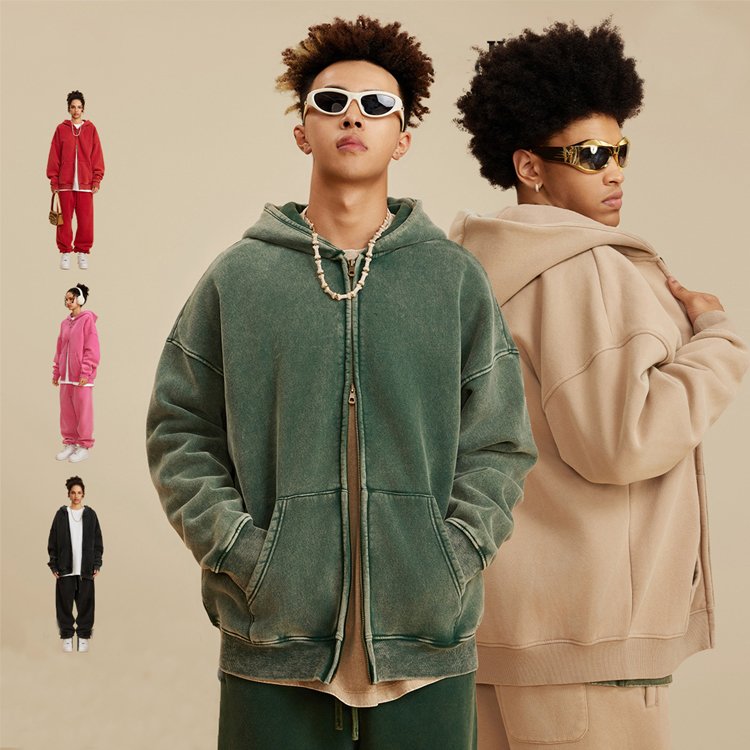
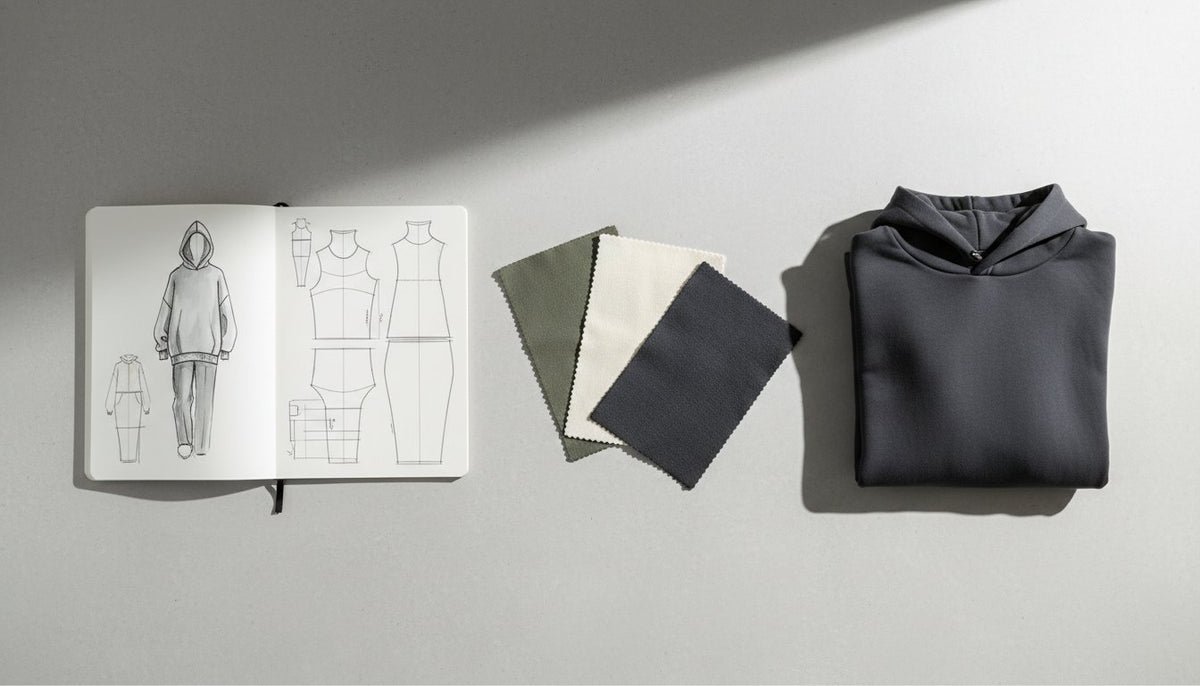
Send a tech pack, sketch, reference sample, inspiration image, or early concept. VeeWen clarifies the fit block, proportions, fabric target, construction details, trims, and decoration requirements before development begins, so visual direction becomes an actionable production brief.
- Fit block, shoulder drop, body width, and sleeve shape defined
- Fabric weight, hand feel, and end-use requirements aligned
- Construction notes translated into measurable garment details
- Private-label trims and packaging planned from the outset
Build Patterns for Consistent Fit
Pattern development turns approved measurements into a repeatable size system. VeeWen reviews critical areas such as sleeve pitch, chest ease, rise, inseam, rib recovery, and graded measurements, helping menswear and streetwear labels protect the intended silhouette across sizes.
- Production-minded pattern development from approved measurements
- Practical fit review for oversized, tailored, and utility silhouettes
- Size grading checked against the selected fit block
- Construction adjustments documented before bulk production
Test Samples, Washes, and Decoration
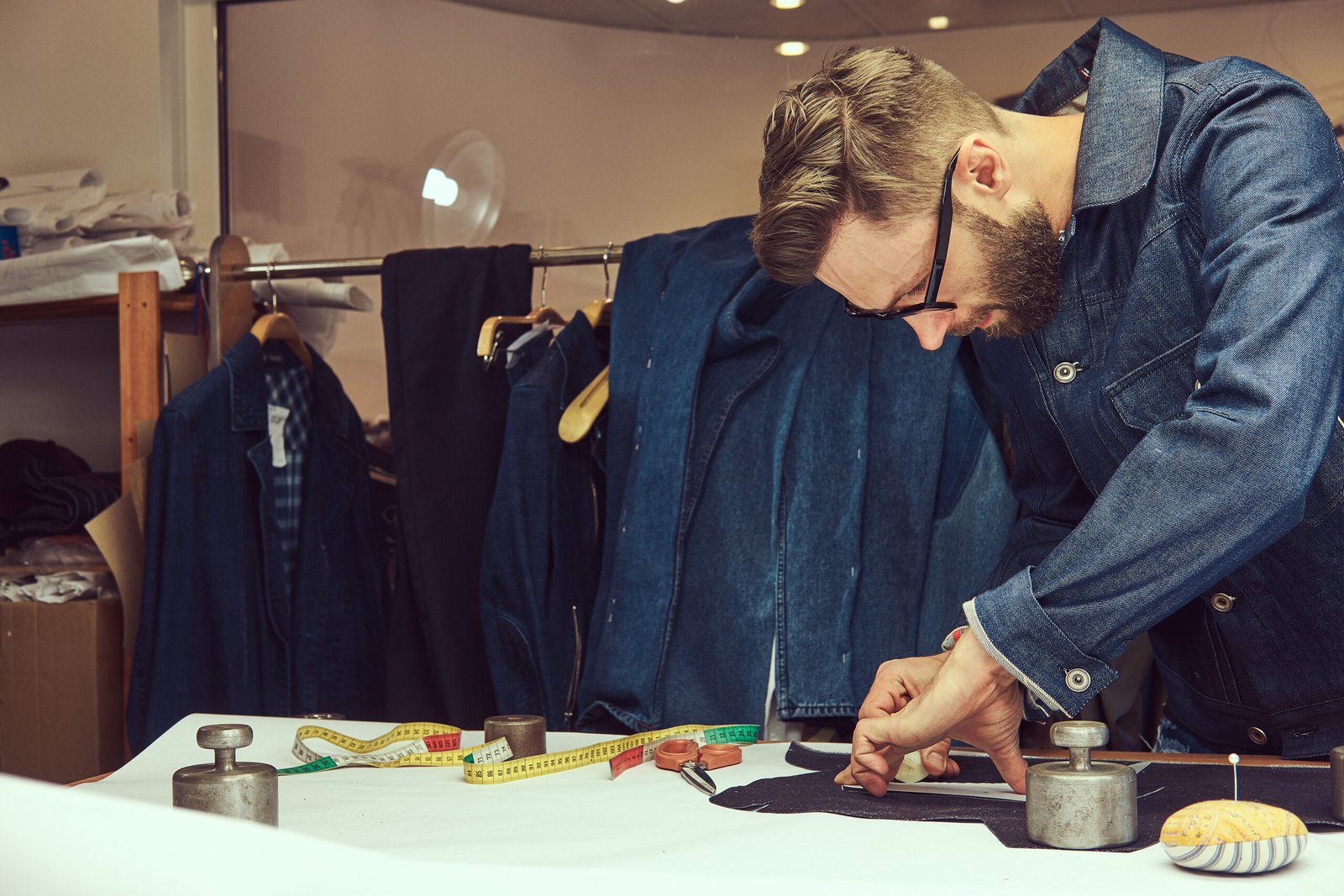
Sampling verifies how materials and finishes behave on the actual garment. VeeWen tests print placement, embroidery density, wash effects, shrinkage, shade variation, and trim performance, then uses buyer feedback to refine the sample before pre-production confirmation.
- Screen print, transfer, embroidery, and patch testing
- Wash direction assessed for shrinkage, fading, and shade variation
- Trim placement and functionality reviewed on the sample
- Sample revisions guided by clear buyer feedback

Approve Details Before Bulk Production
The approved production sample becomes the control point for bulk manufacturing. With documented specifications, confirmed materials, and signed-off details, VeeWen can move into a 100-piece-per-style order with in-line inspection, final quality checks, and coordinated packing.
- Approved sample establishes the bulk production standard
- Material, color, labels, and trims confirmed before launch
- In-line inspection supports consistency during manufacturing
- Final checks and private-label packing completed in one workflow
How VeeWen Applies a Garment Construction and Quality Guide in Production
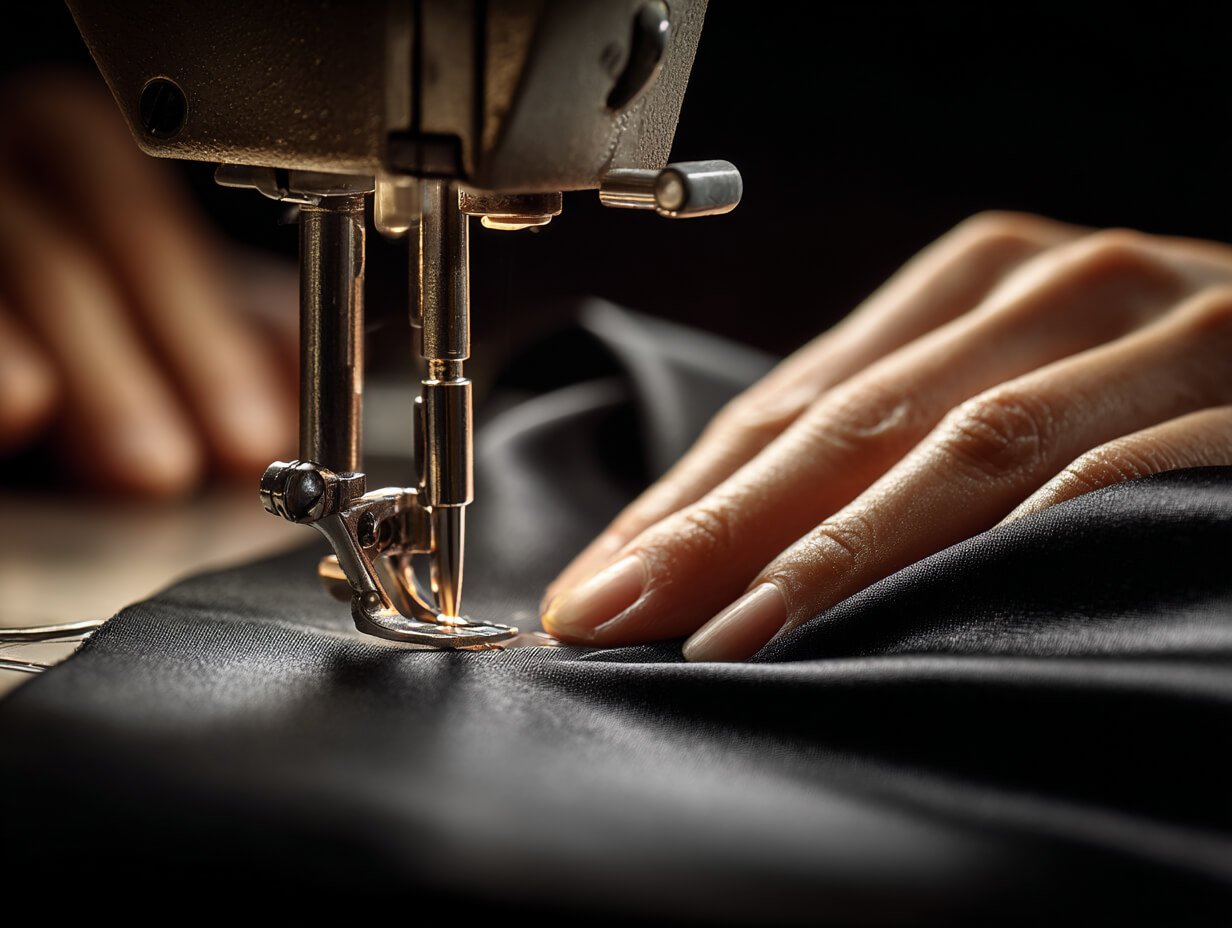
A clear OEM, ODM and private-label process that moves your brief from specifications to packed bulk goods with accountable checkpoints.
Define Your Product Brief
Share a tech pack, sketch, reference sample or concept. We clarify fit, fabric, trims, decoration, wash direction, target price and 100-piece-per-style MOQ.
Develop Materials and Patterns
We recommend suitable fabrics and build production-minded patterns, aligning garment weight, measurements, shoulder drop, sleeve pitch and construction details with your intended market.
Approve the Production Sample
Review samples for fit, hand feel, artwork, embroidery, washes and labels. Approved specifications create the benchmark for repeatable bulk production and future reorders.
Control Bulk Production
VeeWen coordinates cutting, sewing, decoration and finishing while checking workmanship, measurements, shrinkage-sensitive washes and component consistency against approved sample requirements.
Inspect, Pack and Ship
Final quality checks confirm garments, labels and packaging before packed bulk goods are prepared. We coordinate shipment details so your order is ready for international delivery.
What a Controlled Garment Construction and Quality Guide Protects
Compare VeeWen’s approved-sample workflow with common sourcing gaps before bulk production begins.
← Swipe left or right to view →
Garment Construction and Quality Guide for Apparel Buyers
Use this practical framework to assess construction standards, fabric and decoration choices, supplier capabilities, and production specifications—so you can compare manufacturers confidently, prevent costly quality failures, and launch garments that meet your brand promise.
1. What Is a Garment Construction and Quality Guide?
100-piece MOQ programs need a written garment construction and quality guide before sampling or quotation. It is the buyer-facing framework for defining how a style is engineered, assembled, finished, measured, and inspected from prototype through packed bulk goods.
5 production decisions—fit block and graded measurements, fabric weight and composition, seam and stitch type, trims and decoration, plus wash and packing standards—directly shape comfort, durability, return rates, and perceived value. For OEM, ODM, or private-label requests, document these choices alongside tolerances, approved references, color targets, labels, and required checkpoints so a factory can quote and reproduce the garment consistently.
2. How Garment Quality Standards Evolved
In the 1990s, many apparel inspections centered on visible defects: skipped stitches, stains, broken needles, and measurement checks after sewing. Global sourcing, especially from China, made those subjective approvals insufficient once buyers managed factories, freight, and sales channels across borders. Brands increasingly converted a visual sample into a tech pack with graded measurements, stitch requirements, Pantone references, trims, and tolerances.
By the 2020s, shorter drops and e-commerce returns pushed quality upstream: fiber and chemical compliance, wash and wear testing, pre-production approval, and inline inspection before defects multiply. A practical garment construction and quality guide now sets measurable acceptance standards—such as approved tolerances, test methods, AQL sampling, and defect definitions—so VeeWen and buyer can decide consistently rather than rely on subjective approval.
3. Garment Construction and Quality Guide: Construction Types
Construction type determines where a garment stretches, holds shape, and fails first. For a 100-piece program, ask whether the factory can reproduce the chosen assembly method across every size.
Cut-And-Sew Knits

160–400 GSM jersey and fleece suit tees, hoodies, and joggers. Overlock seams stretch well, but rib recovery and seam puckering require sample review.
Woven Garments

120–300 GSM twill, poplin, and denim suit shirts, cargos, and jackets. Wovens provide structure; fit accuracy, seam allowance, and movement ease matter more than stretch.
Bonded And Seamless

2-layer bonded seams reduce bulk on shells and activewear. They need compatible fabrics, controlled heat, and wash testing, increasing development cost.
Reinforced Performance Assembly

2–3 rows of stitching, bartacks, and gussets strengthen workwear and sportswear stress points. Confirm reinforcement placement, flatlock comfort, and factory capability before bulk approval.
4. Garment Construction and Quality Guide: Fabrics
Fiber content and structure determine weight, drape, seam behavior, and wash results. In this garment construction and quality guide, approve fabric data before patterns and bulk cutting.
| Fabric | Best Use | Key Check |
|---|---|---|
| Cotton jersey | T-shirts | Shrinkage, pilling |
| French terry/fleece | Hoodies | GSM, rib recovery |
| Cotton-poly blend | Sweats | Colorfastness, recovery |
| Twill | Cargos | Abrasion, seam slippage |
| Polyester functional knit | Activewear | Wicking, stretch recovery |
Match Fabric To Product

180–220 GSM cotton jersey suits standard tees; 280–360 GSM French terry adds hoodie structure. Twill supports cargos, while polyester performance knits suit activewear.
Request Pre-Bulk Test Data
Before bulk, request fiber composition, GSM tolerance, shrinkage, colorfastness, pilling, and stretch-recovery results. Confirm test method, wash conditions, shade standard, and approved hand-feel sample.
5. Customization and Decoration Options
At a 100-piece MOQ, decoration choices should be locked before sampling. In this garment construction and quality guide, artwork, placement, fabric, and wash must be approved together.
| Method | Placement | Artwork | Hand/Durability | Risk |
|---|---|---|---|---|
| Screen print | Panels | Vector separations | Soft/durable | Cracking |
| DTG | Flat panels | High-resolution raster | Soft/moderate | Wash fade |
| DTF/transfer | Flexible | Print-ready file | Heavier/durable | Edge lift |
| Embroidery | Seam-clear zones | Digitized file | Textured/durable | Puckering |
Print Methods

Screen print suits repeat orders; DTG suits detailed cotton artwork. DTF and heat transfers allow flexible placement but can feel heavier.
Dimensional Details
Embroidery, appliqué, and patches need seam clearance before patterning. Dense stitching can pucker lightweight jersey; test strike-offs on the final fabric.
Branding And Washes

Labels and hangtags require approved copy, fiber content, and attachment method. Pigment, enzyme, and acid washes change shade, shrinkage, and print behavior; test before bulk.
6. Key Garment Construction Quality Elements
100-piece programs need written checkpoints before bulk: the garment construction and quality guide should convert the approved sample into measurable pass/fail criteria. Record stitch, seam, fit, trim, and finishing requirements by style.
Stitches And Seams
8–12 stitches per inch suits many jersey seams; confirm stitch type, seam allowance, and seam strength on the approved sample. Specify clean hems, even neckline and rib attachment, plus bartacks at stress points.
Placement And Hardware
3 mm alignment tolerances can govern pockets, label placement, and parallel topstitching. Confirm zipper operation, puller finish, button security, drawcord length, and trim color before pre-production approval.
Measurements And Finish
±1–2 cm tolerances should be assigned by measurement point and garment size, with body balance checked on the intended fit block. Approve wash appearance, loose-thread removal, pressing, shade consistency, and packing condition against a documented sample.
7. How to Choose a Garment Manufacturer
Choose a partner whose proven category matches your product and whose development process can turn approved specifications into repeatable bulk goods. For a 100-piece launch, evidence matters more than broad capability claims.
Verify Development Proof
Request a comparable sample, graded measurement chart, fabric swatch, and written sample-revision record. Ask whether patterns, printing, embroidery, and final inspection are controlled directly or coordinated with qualified suppliers.
- Confirm MOQ by style, color, and size ratio
- Review lead time from approval to shipment
- Ask for export-market packing examples
Audit Quality And Communication
Ask for the inspection checklist, defect-handling procedure, and access to shrinkage, colorfastness, or composition testing when required. Certifications such as OEKO-TEX, GOTS, WRAP, or BSCI should be verified for the relevant facility or material, not assumed.
- Approve a sealed pre-production sample
- Set Pantone, measurements, trims, and tolerances
- Use one written approval channel
8. Common Buyer Mistakes in Garment Quality
At a 100-piece MOQ, unclear decisions can affect every unit. This garment construction and quality guide turns recurring approval errors into controls before bulk cutting.
Price And Vague Standards
Two quotes can differ because fabric, wash, and trims are omitted. Choosing lowest price or vague ‘premium quality’ invites substitutions; specify composition, GSM, Pantone, construction, and approved swatches.
Wash And Measurement Approval
One wash can expose 3–8% shrinkage, torque, or print cracking. Approve washed samples and set graded POM tolerances, typically ±1 cm for key measurements.
Artwork And PPS Control
Twenty-four hours after artwork approval, a late change can delay screens and create mismatched bulk goods. Lock artwork before pre-production, then sign a PPS covering fabric, trim, placement, packing, and inspection.
9. Garment Construction and Quality Guide: Launch Steps
At VeeWen, a 100-piece style starts with an approved brief, then locks decisions before bulk. This garment construction and quality guide treats each approval as a production gate.
Product Definition
Stage 1 requires sketches, reference samples, target price, size range, and delivery market. Approve the tech pack, Pantone colors, fabric, trims, measurements, and decoration placement; brief-stage revisions cost least.
Pattern And Prototype
Stage 2 converts the pack into a pattern and prototype. Approve fit, construction, hand feel, and artwork after review; correct body length, shoulder drop, or stitch choices before grading.
Size Set Approval
Stage 3 uses a size set to confirm graded measurements across the run. Approve every size or submit marked corrections before a sealed pre-production sample.
Bulk Release And Dispatch
Stage 4 releases bulk only after pre-production approval. Review in-line inspection findings, final measurements, labels, polybags, carton marks, and shipment documents before dispatch.
10. Pricing and Cost Factors
100-piece orders carry higher unit costs because pattern setup, sampling, cutting, and print preparation are spread across fewer garments.
10–25 business days is a typical bulk-production window after pre-production approval. Final VeeWen quotes require approved specifications, quantities, artwork, labels, packaging, and delivery terms.
| Quantity Tier | Indicative Unit Price | Bulk Lead Time | Main Cost Drivers |
|---|---|---|---|
| 100 pieces | US$9–24 | 15–25 business days | Fabric GSM, seams, labels, packaging |
| 300 pieces | US$7–19 | 15–25 business days | Fabric yield, colorways, print coverage |
| 500+ pieces | US$6–16 | 20–30 business days | Decoration, wash, trims, folding |
Garment Construction and Quality Guide FAQs
Clear answers on MOQ, sampling, materials, fit, quality control and private-label finishing before you start development with VeeWen.
What does a garment construction and quality guide cover before bulk production?
Can I place a 100-piece order using your garment construction and quality guide?
How does a garment construction and quality guide help prevent sample-to-bulk differences?
Can VeeWen source fabric if I only have a sketch or reference garment?
Will garment washes create color, shrinkage or finish variation?
How do you confirm sizing for oversized tees, hoodies and streetwear?
What quality checks are completed during apparel production?
Can you add private labels, hangtags and custom packaging to my order?
Start Your Garment Construction and Quality Guide Today
Send your concept, tech pack or reference images to VeeWen for a production-ready quote, clear specifications and a 100-piece-per-style starting point.