
Chinese Jacket Size Chart for Production-Ready OEM Fits
Use our chinese jacket size chart to convert target measurements into approved jacket specs, samples, and 100-piece-per-style OEM production.
Chinese Jacket Size Chart to Production
Founded in 2016 by ChangKeng Luo in Dongguan, VeeWen helps menswear and streetwear brands turn a chinese jacket size chart into a production-ready fit specification. We translate target-market measurements into practical jacket blocks, including chest, shoulder, sleeve, body length and graded size tolerances.
Buyers can begin with a tech pack, reference sample, sketch or measurement table. Our OEM, ODM, private-label and cut-and-sew workflow connects fabric sourcing, pattern development, sampling, fit review, bulk production, quality checks and branded packing under one accountable manufacturing partner.
What makes VeeWen practical is a production-minded approach to fit: approved samples, documented checkpoints and clear trade-offs before bulk cutting. With a standard 100-piece-per-style MOQ, emerging labels can validate jacket sizing for their market and build repeatable specifications for future drops.

Use a Chinese Jacket Size Chart to Build Better Jacket Specs
Align the measurements that determine how your jacket fits, moves and grades across your target market before sampling begins.
Chest and Body Width
Set finished chest, sweep and body-width measurements against your intended fit block, whether tailored, regular, boxy or oversized.
Shoulder and Sleeve Balance
Define shoulder width, drop, sleeve pitch and sleeve length together so mobility and silhouette remain consistent through every graded size.
Length and Proportions
Confirm back length, front length and hem position for your market, accounting for layering, jacket category and preferred visual proportion.
Grading Between Sizes
Document measurement increments by size instead of relying on conversion alone, creating a repeatable size run for bulk production and reorders.
Fabric and Construction Allowance
Match tolerances to fabric weight, lining, rib recovery and wash effects, since construction choices can change finished jacket measurements.
Approved Sample Reference
Use a fit-approved sample with a Chinese jacket size chart to lock measurements, checkpoints and label sizing before production starts.
More Chinese Jacket Size Chart Options and Guides
Compare adjacent product categories, manufacturing options and practical buyer resources from the VeeWen architecture.

Fit & Sizing Guides
Clothing fit and sizing guide for OEM buyers: build production-ready size specs from 100 pcs per style. Align samples and request a custom quote.
Read the Guide
China Jacket Size Chart
Use the china jacket size chart to turn fit intent into graded OEM specs from 100 pieces per style. Compare measurements, then request a custom quote.
Read the Guide
Custom Clothing Manufacturing
Custom clothing manufacturing from 100 pieces per style, with OEM, ODM, sampling and private-label finishing. Send your tech pack to request a quote.
Explore Category
Apparel Manufacturing Capabilities
Apparel manufacturing capabilities for OEM, ODM and private-label collections from 100 pieces per style, from sampling to packed bulk goods. Request a quote.
Explore Category
Apparel Manufacturing Solutions
Apparel manufacturing solutions with OEM, ODM and private-label production from 100 pieces per style. Send your tech pack and request a custom quote.
Explore Category
Apparel Manufacturing Guides
Apparel manufacturing guide for OEM, ODM and private-label buyers, with 100 pieces per style and end-to-end production support. Request a quote.
Read the GuideChinese Jacket Size Chart Measurements Your Tech Pack Should Define
Document the approved fit block, graded points of measure and production controls before sampling so your jacket size run can be reviewed consistently from prototype to bulk goods.
Core Body Measurements
- Chest width
- [TO BE FILLED]State the measurement point, garment position and size basis.
- Body length
- [TO BE FILLED]Define the start and end points, such as high point shoulder to hem.
- Shoulder width
- [TO BE FILLED]Confirm seam-to-seam method and whether the fit uses a dropped shoulder.
- Hem width
- [TO BE FILLED]Specify relaxed or stretched measurement where rib or elastic is used.
Sleeve and Functional Details
- Sleeve length
- [TO BE FILLED]Identify the sleeve origin and cuff endpoint for the approved pattern.
- Bicep width
- [TO BE FILLED]Record the measurement height from the armhole.
- Cuff opening
- [TO BE FILLED]Note closure, rib, elastic or adjustable-tab construction.
- Collar height and opening
- [TO BE FILLED]Define the measurement method for the selected collar construction.
Fit, Grading and Production Controls
- Base size and target fit
- [TO BE FILLED]State the intended market, fit block and wear ease, such as regular, boxy or oversized.
- Size range and grade rules
- [TO BE FILLED]List each size and the approved grade increments by measurement point.
- Measurement tolerances
- [TO BE FILLED]Set tolerances by point of measure after sample review; do not rely on a generic conversion chart alone.
- Fabric, wash and shrinkage notes
- [TO BE FILLED]Document fabric weight, finishing direction and any post-wash measurement requirement.
Turn Your Chinese Jacket Size Chart Into Bulk Production
VeeWen translates reference measurements into approved jacket specifications, then controls the details through sampling, grading, production and final checks.
Share Your Size Reference
Send your Chinese jacket size chart, tech pack, sample, sketches or target market details so our team can clarify intended fit, dimensions and grading requirements.
Review Pattern Measurements
Confirm the fit block, shoulder width, chest, body length, sleeve pitch, hem and tolerances with practical pattern feedback before the first sample is made.
Approve the Fit Sample
Assess the sample against your measurement chart, fabric choice and wash direction; revise specifications where needed and lock approved construction, trims and labeling.
Produce With Documented Checks
Move the approved specification into bulk production with in-line inspection, final measurement checks, private-label packing and shipment coordination for consistent reorders.
Chinese Jacket Size Chart: Generic Conversion vs. Approved OEM Specs
A conversion chart is a starting reference. VeeWen turns it into graded, sample-approved jacket measurements your factory can repeat in bulk.
← Swipe left or right to view →
chinese jacket size chart: OEM Fit Measurement Guide
Use a practical decision framework to convert international sizing, specify fit and grading, evaluate supplier measurement control, and avoid costly sampling, tolerance, and size-label mistakes when sourcing custom jackets from China.
1. What Is a chinese jacket size chart?
1. A chinese jacket size chart is an OEM specification, not merely an S–XXL label. It lists finished-garment points of measure—chest width, shoulder, body length, sleeve, and hem—against a stated fit block.
2. Two linked references control the result: target body measurements and intended ease for slim, regular, or oversized wear. Each point carries a tolerance, while grade rules state how it changes between sizes after sample approval.
S–XXL cannot translate reliably because China, US, EU, UK, and Asian brands assign labels to different body assumptions and proportions. VeeWen should therefore approve the measurement chart before bulk production.
2. Evolution of Chinese Jacket Sizing Standards
1980s-era Chinese apparel labels often combined regional body-height and chest conventions with generic S, M, and L markings. Those labels remain useful research clues, but they do not reliably describe finished garment ease, sleeve pitch, shoulder drop, or wash shrinkage for an export jacket.
2026 production programs are normally controlled by a brand-owned tech pack and graded point-of-measure chart. A factory follows approved finished measurements, tolerances, fit comments, and the sealed sample—not a universal national conversion—because each market and fit block differs. For a chinese jacket size chart, buyers should compare historical references only as a starting point; sample approval governs bulk production fit.
3. chinese jacket size chart Types by Fit
Nine jacket silhouettes need separate base blocks; do not grade an oversized chart down from a slim one. Chest, shoulder, hem, armhole, and bicep establish silhouette before body length and sleeve are finalized.
Slim And Regular Blocks
Slim blocks reduce chest, shoulder, armhole, and bicep ease; regular blocks retain practical movement. Specify finished chest, shoulder width, body length, sleeve length, hem, armhole, and bicep at every size.
Relaxed And Oversized Blocks
Relaxed and oversized charts add chest, dropped shoulder, bicep, armhole, and hem width rather than only body length. Confirm sleeve pitch and rib recovery, because a wide body with a narrow sleeve reads incorrectly.
Specialty Jacket Blocks
Varsity and bomber blocks control ribbed hem and sleeve proportions; puffers require insulation allowance. Workwear prioritizes shoulder, armhole, and bicep mobility, while performance jackets need articulated sleeves and layering room.
4. Materials, Layers, and Measurement Allowances
Fabric construction changes the finished dimensions behind a chinese jacket size chart. Lock measurements only after shell, lining, insulation, trims, washes, and quilting are represented in the approved sample.
| Style | Construction | Chart Allowance |
|---|---|---|
| Light woven | Unlined shell | Low shrinkage tolerance |
| Fleece-backed | Brushed interior | Allow bulk and shrinkage |
| Padded outerwear | Quilted insulation | Allow loft compression |
| Stretch performance | Elastic blend | Measure relaxed and stretched |
Compare Fabric Behaviors
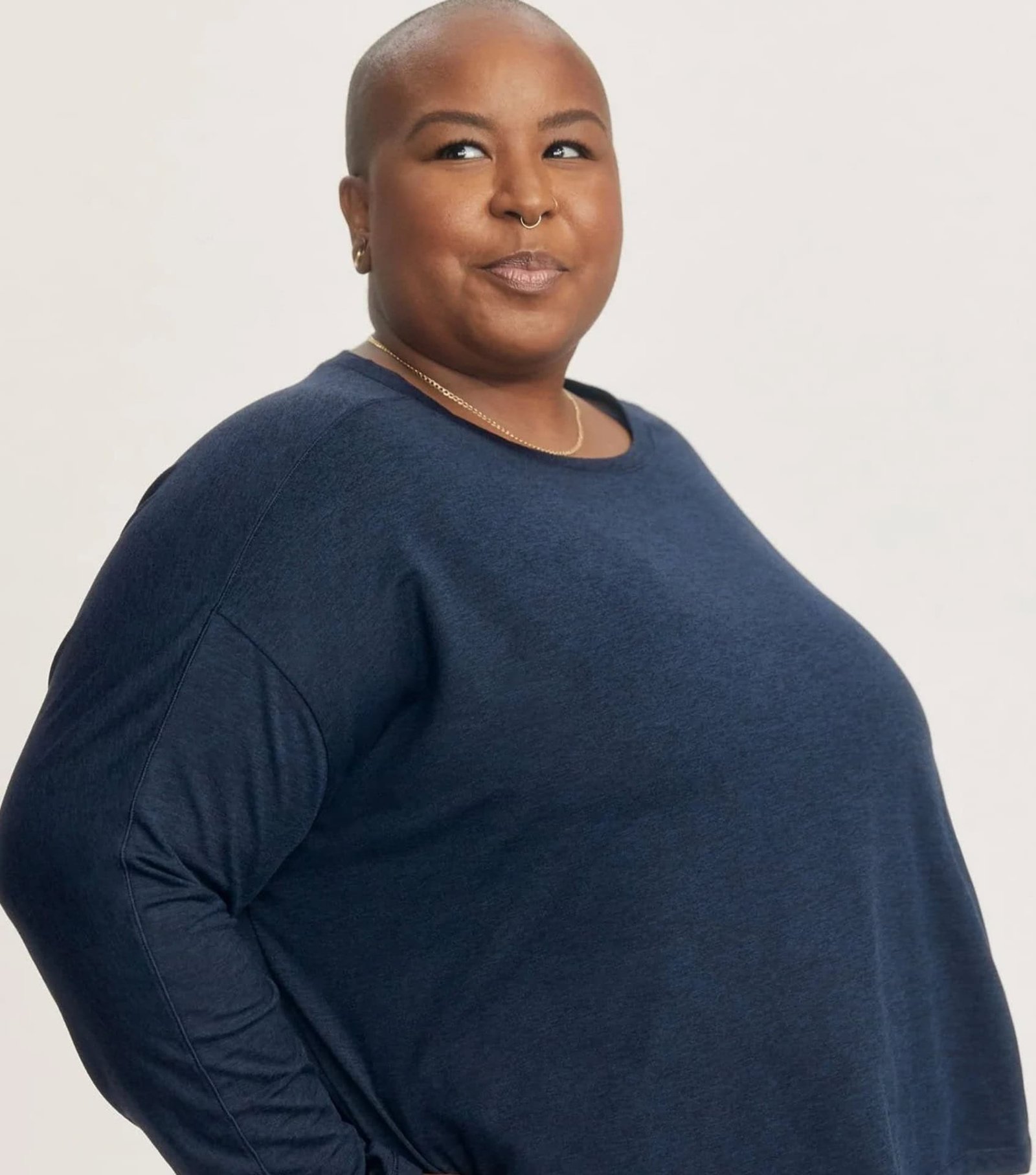
110–160 GSM woven shells hold close to pattern measurements; fleece-backed and padded styles need more body-width and sleeve allowance.
Set Material Allowances
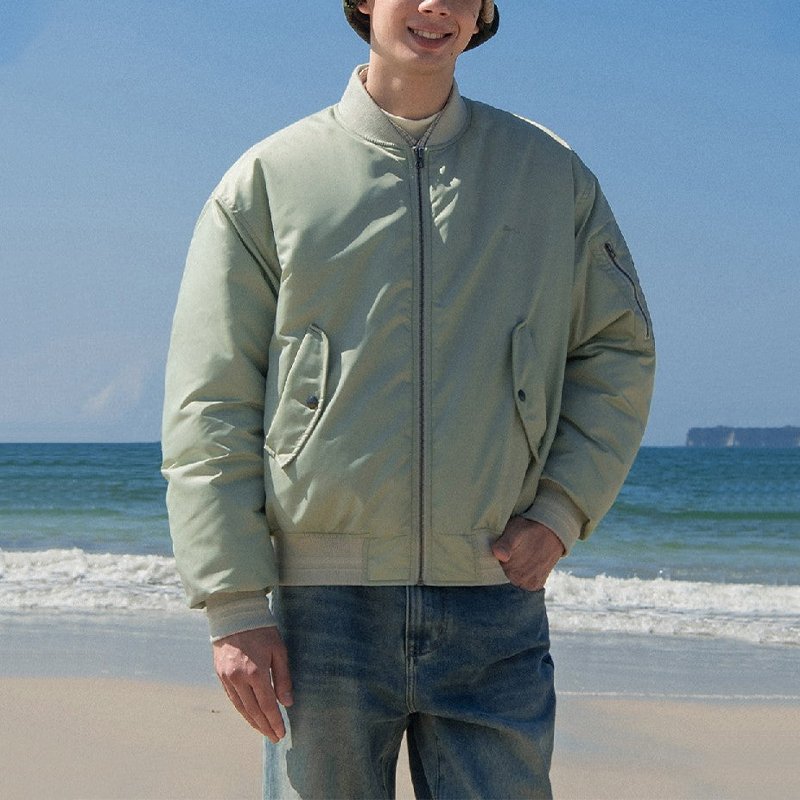
2–5% shrinkage can follow washing, while rib recovery and stretch relaxation change openings. Record fabric-specific tolerances beside each point of measure.
Test Before Bulk
3 checkpoints—washed test, fit sample, and pre-production sample—expose quilting pull, lining drag, and insulation compression before grading is released.
5. Custom Labels and Size-Mark Communication
One approved size map should connect the neck label, factory spec sheet, and ecommerce chart. VeeWen can apply private-label size marks after branded names and graded measurements are confirmed.
| Item | Factory Reference | Customer-Facing Copy |
|---|---|---|
| Neck label | Internal graded size | S, M, L |
| Care label | Material and care data | Fibre, care, origin |
| Size guide | POM spec chart | Chest, length, sleeve |
Map Brand Names To Specs
Each S, M, or L label needs a matching internal size code and finished-garment measurements. Add fit descriptors such as oversized, regular, or cropped, plus a model’s height, size worn, and a measurement-location diagram.
Build Market-Ready Label Sets
Care labels should carry fibre content, care symbols, and origin information required for the destination market. Hangtags can show dual sizing—such as M / 170-176—while the product page retains centimetres and tolerance notes.
6. Construction Details That Affect Jacket Fit
A 2 cm shoulder pad can widen the visual shoulder without changing the chart. An approved sample must define construction, not only finished measurements.
Shoulder And Sleeve Balance
A 10–15 mm pad, sleeve pitch, and seam allowance control arm mobility. Inspect shoulder edge, underarm pull, and sleeve hang with arms raised.
Front Closure And Collar

A 5 mm zipper shift or taller collar changes front balance and neck comfort. Check placket overlap, zipper wave, collar stand, and top-stitch alignment.
Bulk Fit Controls
A 1×1 rib with excessive tension can shorten cuffs and hem; pocket weight, lining attachment, and uneven insulation can distort drape. Match approved sample checkpoints during bulk inspection.
7. Choosing a Manufacturer for chinese jacket size chart Control
At 100 pieces, a chinese jacket size chart is dependable only when the factory controls patterns, grading, and measurement. Require documented tolerances, not a promise to match one sample.
Pattern And Grading Review
A 1-size base block needs a reviewed tech pack with POM diagram, ease, and grade rules. Ask whether the patternmaker revises fit samples rather than tracing a reference.
Measurement Evidence
A ±1 cm tolerance needs calibrated tape measures and a measurement SOP. Request pre-production measurement sheets and final QC reports with POM results by size.
Questions For Suppliers
Two questions expose capability: who approves grading, and how are wash or insulation changes remeasured? Export-ready suppliers retain approved specifications; copy shops reproduce appearance only.
8. chinese jacket size chart Mistakes Buyers Make
Chinese L is not a direct US or EU L: factories and fit blocks differ. Before bulk, convert each approved jacket into a measurable specification.
Define Every Measurement
Five core POMs—chest, body length, shoulder, sleeve, and hem—must state exact locations and flat-garment methods. Vague methods create fit disputes; attach a measurement diagram.
Approve The Full Size Run
A ±1 cm tolerance may suit chest width but not a matched stripe. Approving only size M hides grading errors; measure smallest, middle, and largest samples.
Lock Fabric Before Bulk
One fabric or wash change can alter shrinkage, drape, and finished dimensions after fit approval. Lock materials and test results, then verify graded pre-production samples before cutting.
9. Launching a Jacket Line With Approved Sizing
A 100-piece MOQ can still support disciplined jacket sizing when each approval is documented. Start with the target wearer and competitor measurements before choosing a fit block.
Benchmark And Block
Three competitor jackets establish chest, body-length, shoulder, and sleeve targets. Sign off a benchmark sheet and base-block selection.
Spec And Sample
One measurement spec lists POMs, tolerances, grade rules, fabric, and wash allowance. Approve the fit sample, annotated photos, and revision log.
Grade And Release
Five core sizes need a graded chart checked against the approved sample. Sign the pre-production sample, then inspect bulk measurements against tolerances.
10. Chinese Jacket Sizing Costs and Lead Times
100-piece jacket programs commonly need 15–30 days after approval for bulk production; development timing should be added separately. A complete tech pack, measurement chart, fabric, insulation, trims, decoration, colorways, size range, and packing requirements are needed for a final quote.
3–5 graded sizes usually cost less per unit than fragmented size runs, but a new grade rule, added sizes, or fit-block revision can require pattern work. Quilting, bonded shells, down-like insulation, waterproof laminations, YKK zippers, and repeat samples increase both cost and development time.
| Quantity tier | Indicative unit price | Sample/pattern cost | Lead time |
|---|---|---|---|
| 100–299 pcs | US$22–45 | US$80–250 | 25–40 days |
| 300–999 pcs | US$16–34 | US$80–250 | 20–35 days |
| 1,000+ pcs | US$12–28 | US$80–250 | 18–30 days |
Chinese Jacket Size Chart FAQs for Global Apparel Buyers
Clear answers on jacket measurement conversion, fit approval and production tolerances for private-label programs.
How accurate is a Chinese jacket size chart for my target market?
Should I convert US, UK or EU sizes before sending a Chinese jacket size chart?
What measurements should be included in a Chinese jacket size chart?
Can VeeWen make an oversized or streetwear jacket fit?
Why does my sample measure slightly differently from the size chart?
What size tolerance is normal for custom jackets made in China?
Do I need a physical sample if I already have a Chinese jacket size chart?
How do I communicate size expectations to a Chinese jacket manufacturer?
Turn Your Chinese Jacket Size Chart Into Bulk-Ready Fits
Send your measurements, reference sample, or tech pack to VeeWen for sampling and a 100-piece-per-style production quote.