
Cut and Sew Apparel Manufacturing, Built for Your Collection
Turn approved specifications into consistently fitting private-label apparel with 100-piece-per-style cut and sew apparel manufacturing for global B2B buyers.
Featured Products for cut and sew apparel manufacturing Development

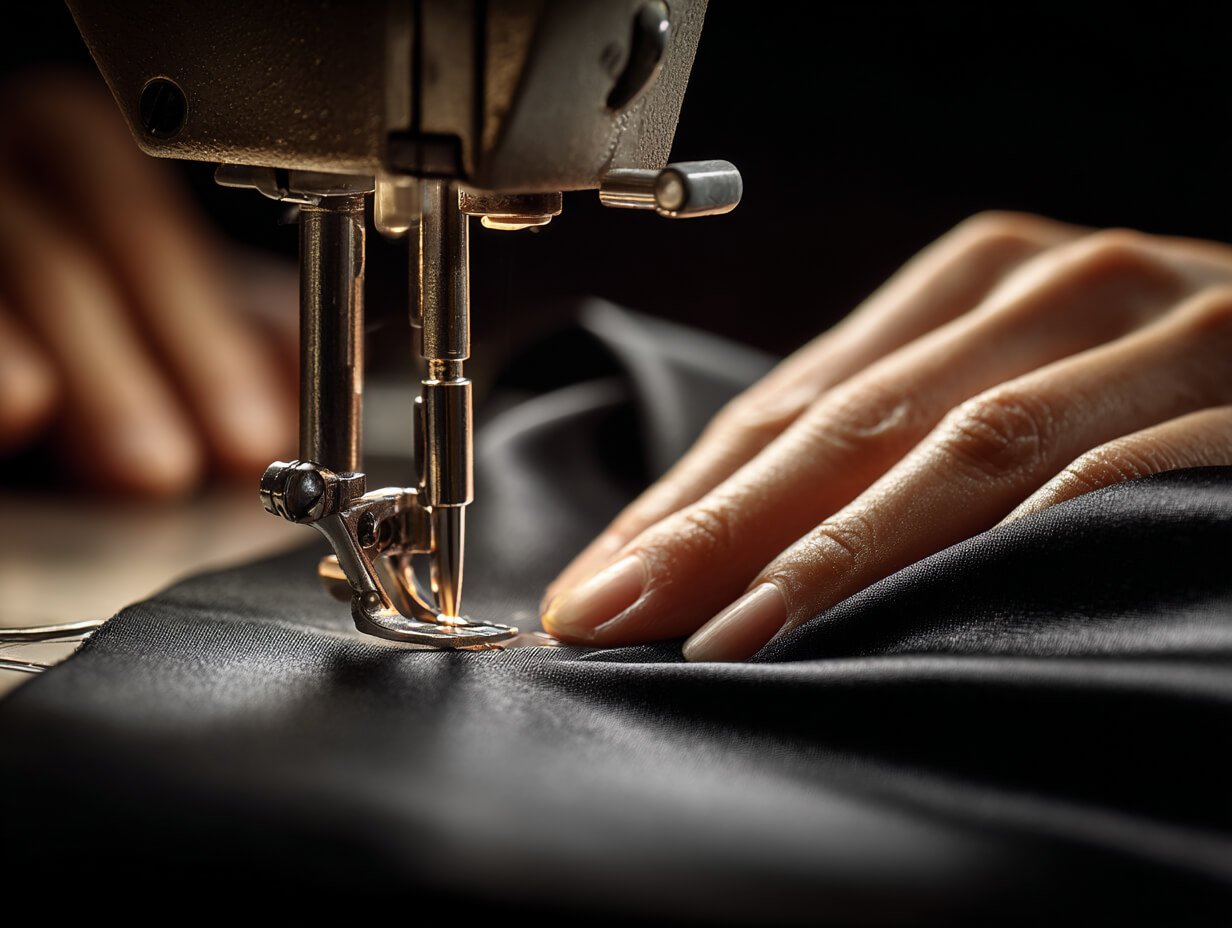
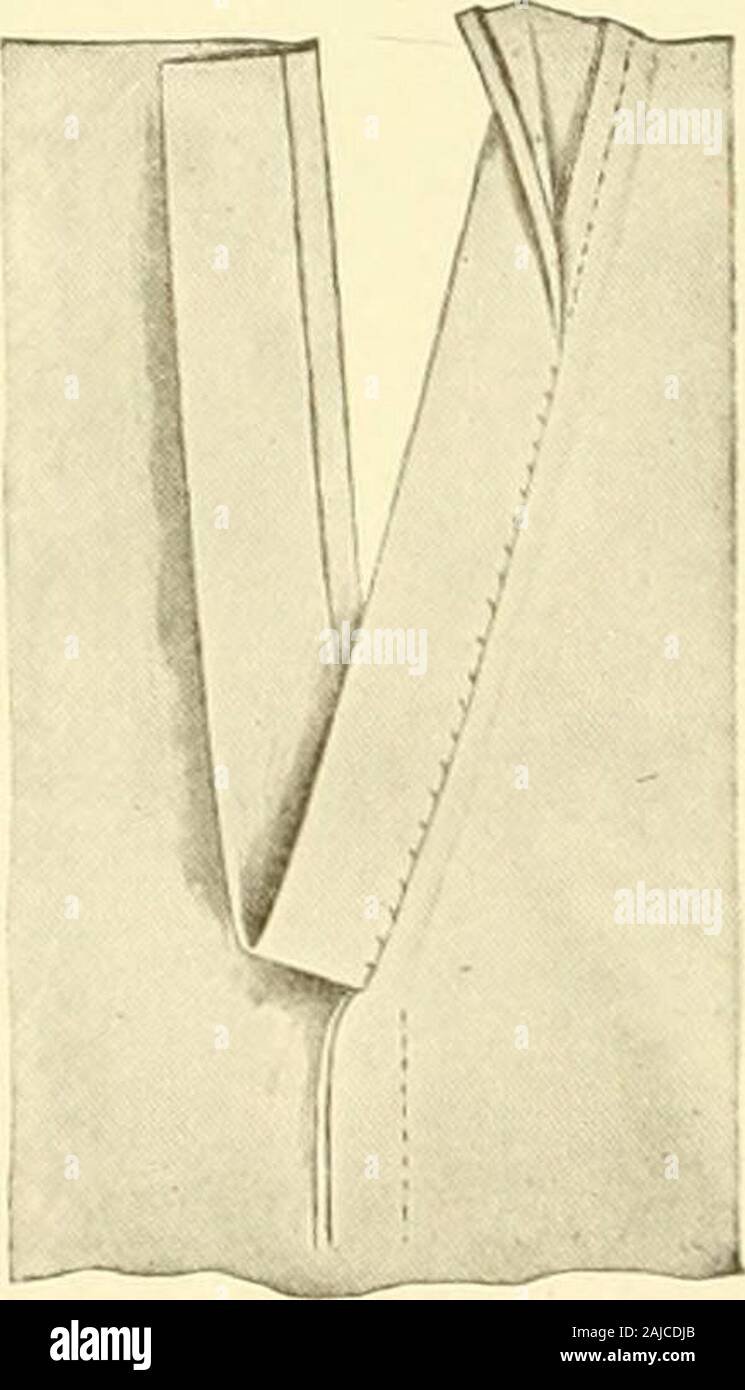
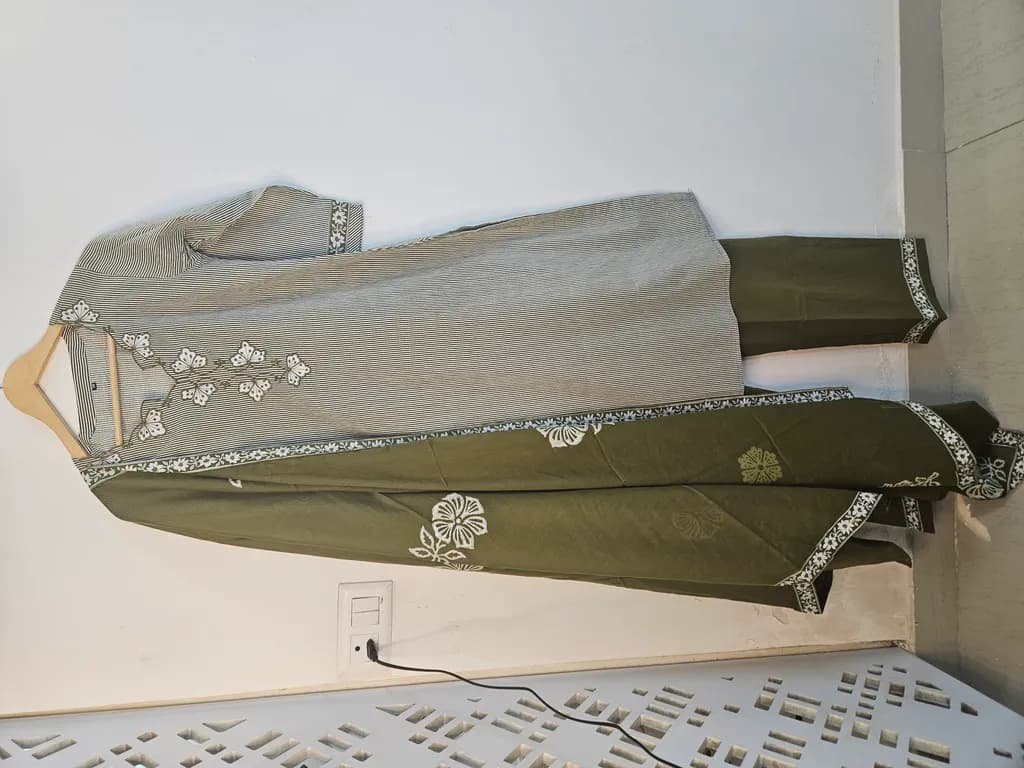

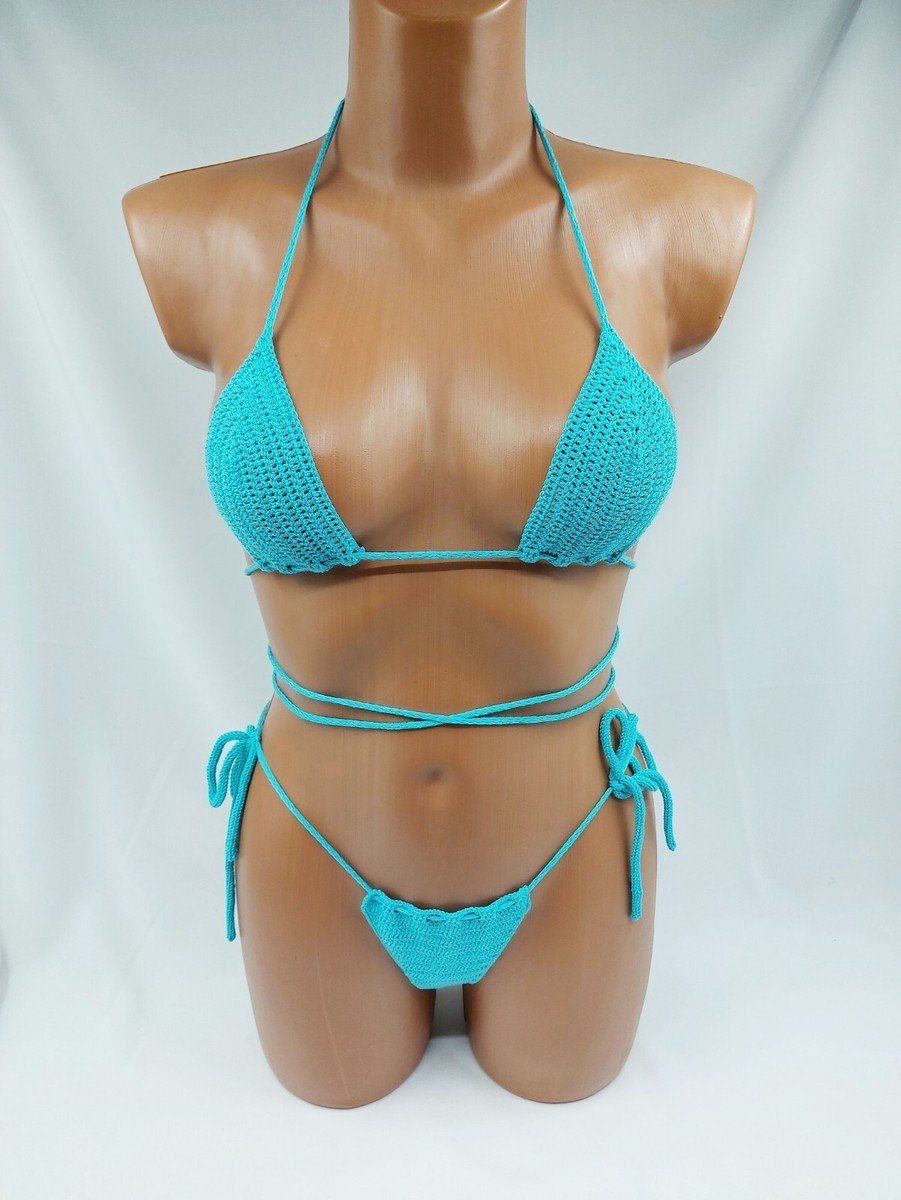


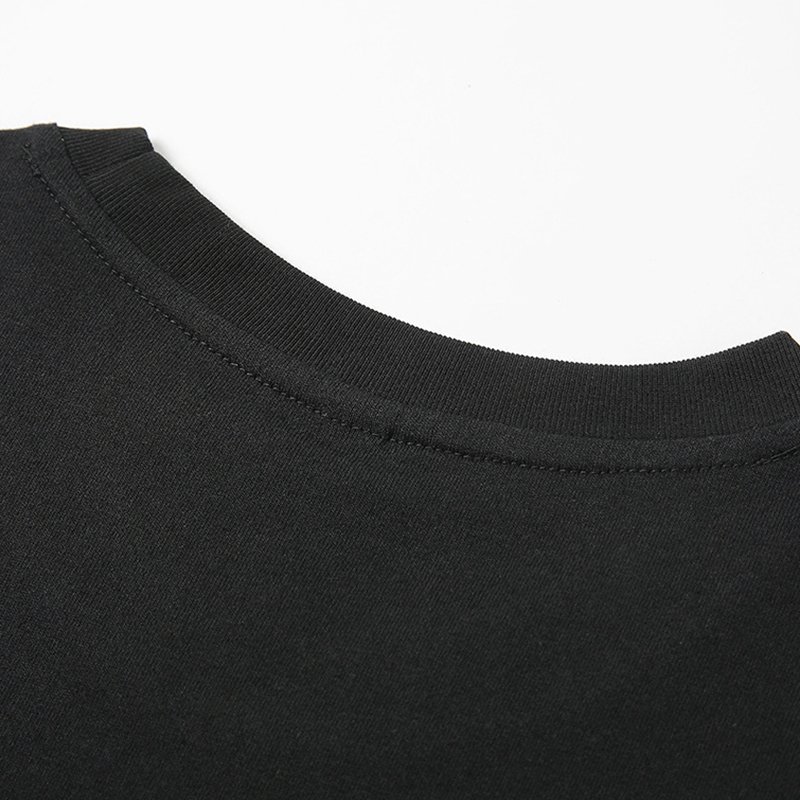
Why Cut and Sew Apparel Manufacturing Gives Brands More Control
Set the fit, materials, construction and branded details before bulk production—not after choosing a ready-made garment.
Custom Fit Blocks
Define body width, shoulder drop, sleeve pitch, rise and inseam for a silhouette that reflects your label’s intended fit.
Purpose-Matched Fabrics
Choose fabric weight, hand feel, stretch, durability and wash compatibility to balance structure, comfort, price and intended end use.
Graded Size Consistency
Approve graded measurements across the size run, helping each size preserve the proportions and fit established in sampling.
Defined Construction Details
Control seams, rib specifications, pocket placement, closures and reinforcement details that stock garments cannot be built around.
Private-Label Finishing
Add custom labels, hangtags, patches, zipper pulls, drawcords and packaging for a collection that arrives ready for your brand.
Repeatable Bulk Specifications
Lock approved samples and documented details into production specifications, creating a clearer foundation for consistent bulk orders and reorders.
More Cut and Sew Apparel Manufacturing Options and Guides
Compare adjacent product categories, manufacturing options and practical buyer resources from the VeeWen architecture.
Cutting & Sewing
Cut and sew clothing manufacturing from 100 pieces per style, with patterns, samples, trims and private-label packing managed in one workflow. Request a quote.
Explore Category
Best Cut and Sew Factories in La for Small Batch Apparel
Best cut and sew factories in la for small-batch apparel: develop OEM streetwear from 100 pieces per style with approved samples and QC. Request a quote.
Explore CategoryCut and Sew Clothing Manufacturers
Cut and sew clothing manufacturers for OEM, ODM and private-label collections, with a 100-piece MOQ per style. Request a custom quote from VeeWen.
Explore CategoryCustom Cut and Sew Clothing Wholesale Supplier
Custom cut and sew clothing wholesale supplier services from 100 pieces per style, with OEM, ODM and private-label development. Request a custom quote today.
Explore Category
Custom Clothing Manufacturing
Custom clothing manufacturing from 100 pieces per style, with OEM, ODM, sampling and private-label finishing. Send your tech pack to request a quote.
Explore Category
Apparel Manufacturing Capabilities
Apparel manufacturing capabilities for OEM, ODM and private-label collections from 100 pieces per style, from sampling to packed bulk goods. Request a quote.
Explore Category
Apparel Manufacturing Solutions
Apparel manufacturing solutions with OEM, ODM and private-label production from 100 pieces per style. Send your tech pack and request a custom quote.
Explore Category
Apparel Manufacturing Guides
Apparel manufacturing guide for OEM, ODM and private-label buyers, with 100 pieces per style and end-to-end production support. Request a quote.
Read the GuideCut and Sew Apparel Manufacturing at VeeWen
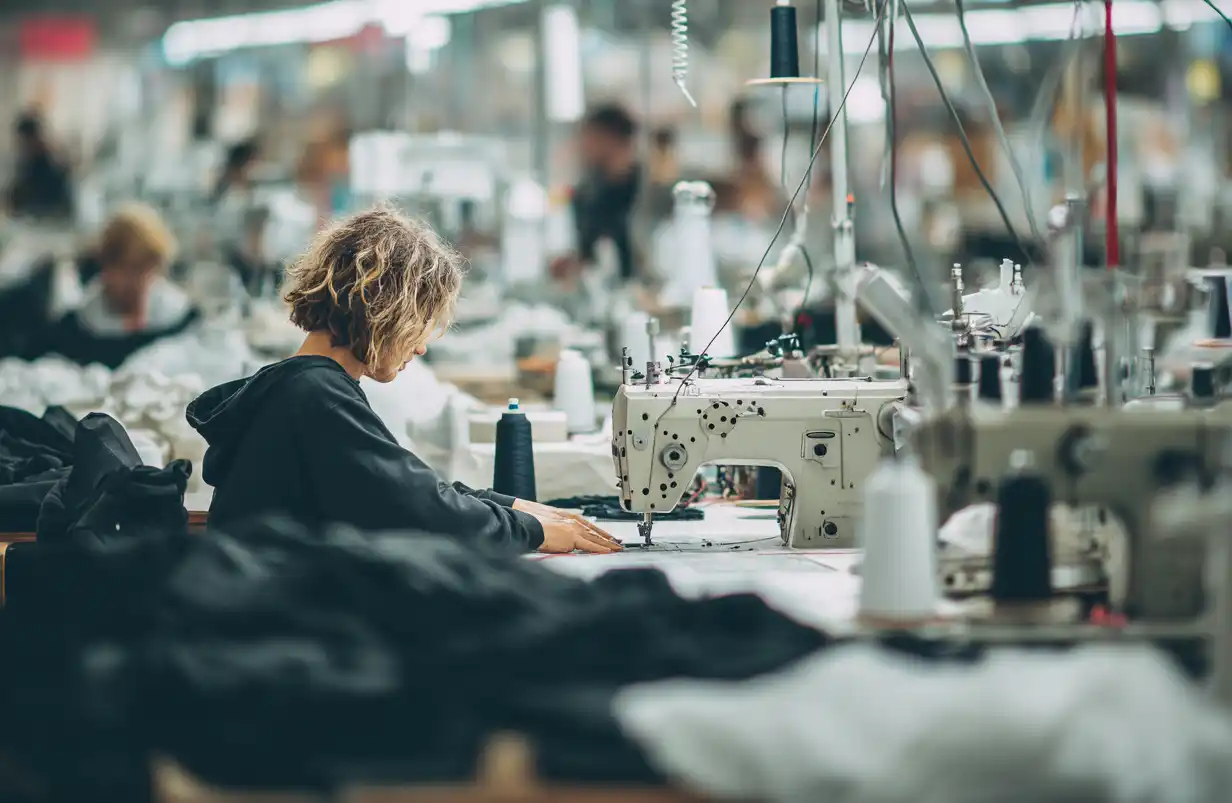
Founded in Dongguan in 2016 by ChangKeng Luo, VeeWen helps brands turn concepts into production-ready menswear and streetwear collections. Our cut and sew apparel manufacturing work starts with the information you have, from tech packs and sketches to reference samples, inspiration images, or an initial product idea.
We manage one accountable workflow across fabric sourcing, pattern development, sampling, fit review, decoration testing, bulk production, quality checks, private-label packaging, and shipment coordination. With a standard MOQ of 100 pieces per style, emerging labels can test a focused drop while building reliable specifications for reorders.
What sets VeeWen apart is practical development communication. We discuss shoulder drop, body width, sleeve pitch, rise, inseam, fabric weight, wash behavior, and trim choices in production terms, then use approved samples and documented checkpoints to keep every decision clear through packed goods.
Cut and Sew Apparel Manufacturing Details That Define Your Collection
Fit Blocks Built for Your Market
Turn a visual direction into repeatable garment proportions with fit-block development for intended customers. VeeWen reviews shoulder drop, body width, sleeve pitch, rise, inseam and rib recovery before approval, so sampling decisions become usable bulk-production specifications.
- Define silhouette, ease and key measurements
- Review samples against your target fit
- Confirm graded measurement tolerances
- Lock approved fit blocks for reorders

Fabric Weight With Purpose
Fabric selection should support both the look and the way a garment wears. For cut and sew apparel manufacturing, VeeWen matches jersey, fleece, twill, denim and performance materials to the required hand feel, structure, wash direction, target price and end use.
- Choose weights that support the intended silhouette
- Compare drape, durability and surface texture
- Plan for wash-related shrinkage and shade variation
- Align material choices with target costing

Consistent Grading Across Sizes
A strong sample is only the starting point; each size must retain the same intended balance. VeeWen documents graded measurements and production checkpoints so body proportions, sleeve length, rises and key construction points remain consistent throughout the approved size run.
- Set base-size measurements before grading
- Scale critical proportions by garment type
- Document tolerances for production inspection
- Use approved specifications for repeat orders
Private-Label Details That Finish It
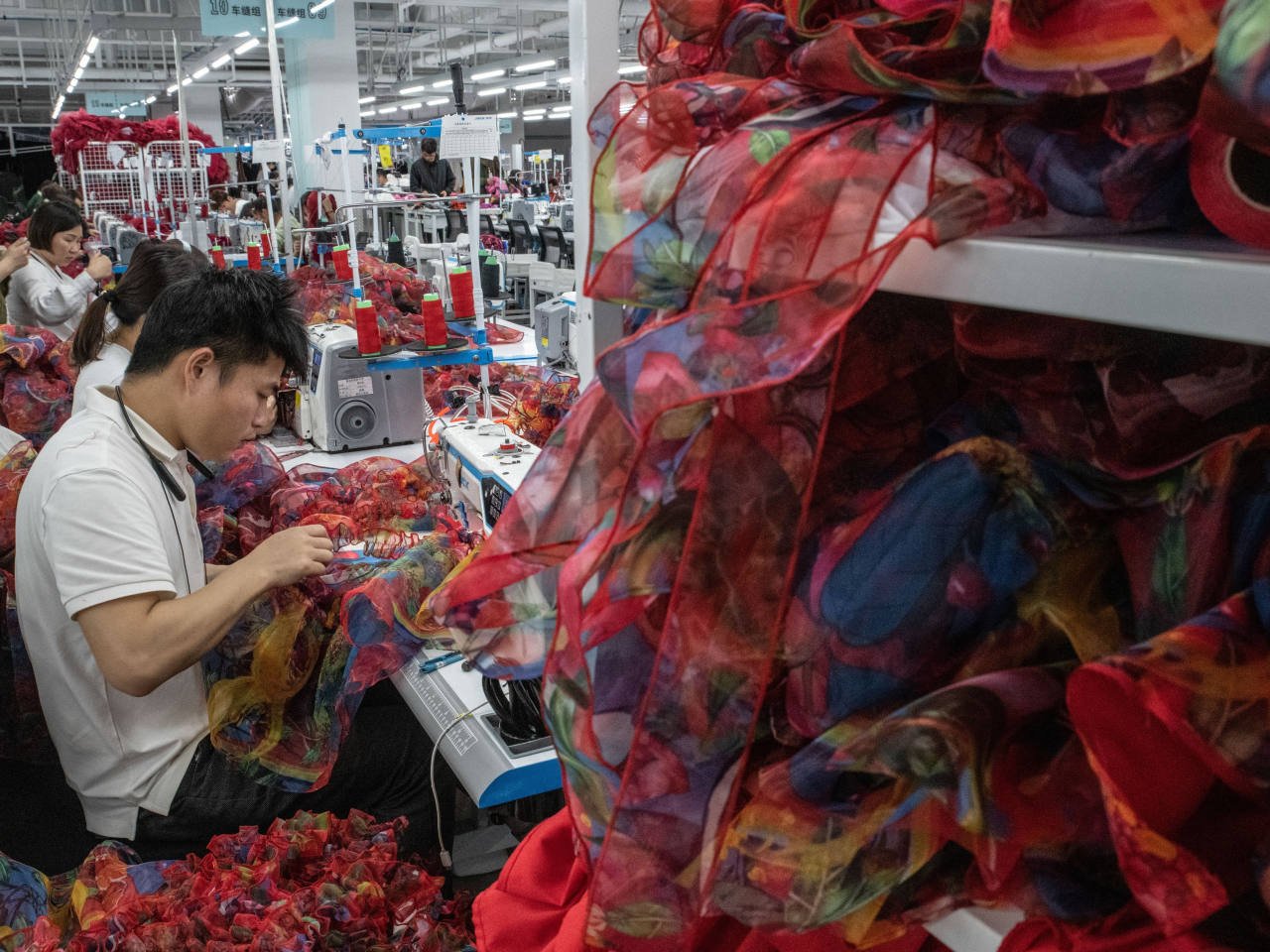
Labels, trims and finishes make a collection recognizable while introducing practical production considerations. VeeWen coordinates woven labels, hangtags, patches, zipper pulls, embroidery, printing and wash effects, explaining how density, placement and treatment can affect drape, lead time and consistency.
- Specify labels, packaging and branded trims
- Test decoration placement on development samples
- Assess embroidery density and fabric drape
- Approve wash effects before bulk production
Cut and Sew Apparel Manufacturing vs. Ready-Made Blank Customization
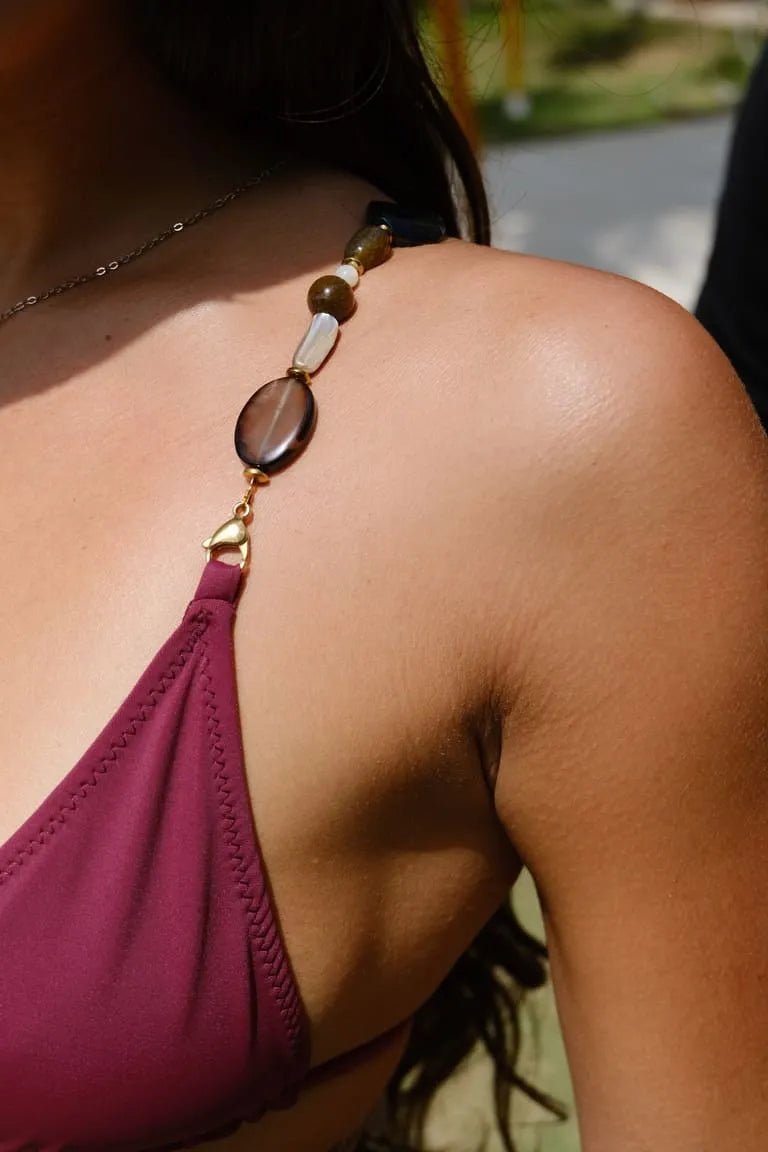
Choose full fabric, fit and construction control for a production-ready collection; use blank, ODM or private-label adaptations when speed matters more than originality.
← Swipe left or right to view →
Cut and Sew Apparel Manufacturing, From Tech Pack to Packed Goods
Clear approvals and documented control points keep your custom collection aligned from first concept through final packing.
Clarify Design Specifications
We review tech packs, sketches, references, and target pricing, then define fit blocks, graded measurements, decoration placement, trims, and construction priorities.
Source Materials and Trims
Fabric options are matched to hand feel, weight, wash direction, performance, and cost; labels, hardware, drawcords, and packaging details are confirmed.
Develop Patterns and Samples
Our team builds patterns and initial samples, checking garment proportions, sewing construction, shrinkage allowances, print or embroidery results, and measurement tolerances.
Review Fit and Details
You assess the sample before revisions are applied. We refine graded measurements, fabric behavior, wash shade variation, trim placement, and private-label specifications.
Approve Pre-Production Sample
A pre-production sample locks approved fabric, colors, artwork, measurements, workmanship, labels, and packing instructions before the 100-piece-per-style bulk order begins.
Sew, Inspect, and Pack
VeeWen coordinates bulk sewing, in-line inspections, final quality checks, measurement verification, finishing, labeling, packing, and shipment preparation for your approved collection.
How to Start Your Cut and Sew Apparel Manufacturing Order
Share a clear product direction, then move through quotation, sampling and bulk approval with one production partner.
Share Your Product Direction
Send a tech pack, sketch, reference sample or inspiration images, plus fit direction, target customer, planned quantities and intended retail positioning.
Define Materials and Branding
Confirm fabric weight, hand feel, color targets, size chart, trims, labels, packaging and artwork for screen print, embroidery or other decoration.
Review Your Production Quote
VeeWen clarifies construction requirements, recommends workable options and prepares a quotation based on specifications, decoration complexity, materials and the 100-piece-per-style MOQ.
Approve the Development Sample
Review the sample for fit, measurements, workmanship, fabric response and branding placement. Record revisions before approving the final specification for bulk production.
Confirm Bulk Production
Approve the pre-production details, then VeeWen coordinates cut and sew manufacturing, quality checks, packing and shipment preparation for your finished collection.
What Cut and Sew Apparel Manufacturing Buyers Say About Their Results
VeeWen corrected the shoulder drop and sleeve pitch during sampling, then kept the measurements consistent across our 6-size run. Our first 480-piece heavyweight tee drop arrived ready for fulfillment with no fit-related returns in launch week.
We developed a 320 GSM washed hoodie from sketches and a reference sample. The approved sample translated cleanly into our 600-piece bulk order, including puff print, woven labels and custom drawcords. The color and wash character stayed on brief.
For our teamwear program, VeeWen built reinforced jerseys and cargo joggers that held up through a full 14-match season. They delivered all 240 sets on schedule, with names, numbers and packaging organized by player order.
Cut and Sew Apparel Manufacturing FAQ
Qualify your custom garment program before requesting a quote from VeeWen.
What is cut and sew apparel manufacturing?
What products and fabrics work for cut and sew apparel manufacturing?
What is the minimum order quantity for cut and sew apparel manufacturing?
Do I need a complete tech pack before requesting a quote?
Can you help with sizing, fit development and grading?
Can cut and sew apparel manufacturing include printing, embroidery and patches?
Can I use garment dye or vintage washes on custom garments?
Can VeeWen add my labels, hangtags and custom packaging?
Complete Guide to cut and sew apparel manufacturing
Use this decision framework to compare production models, fabrics, customization, quality controls, supplier capabilities, and realistic costs—while avoiding the sourcing mistakes that delay launches, inflate minimums, or compromise your brand’s product standards.
1. What Is cut and sew apparel manufacturing?
100-piece MOQ is a practical starting point for cut and sew apparel manufacturing: fabric is selected, cut into custom pattern panels, sewn, finished and branded for one specified style. Unlike decorating blank stock, buyers control the fit block, measurements, fabric weight, trims and construction.
2016-founded Dongguan VeeWen supports OEM when a buyer supplies a tech pack, ODM when a concept needs development, and private-label execution for labels and packaging. The purchase is a documented workflow: design clarification, pattern and sample approval, pre-production confirmation, bulk production, inspection, packing and shipment coordination.
2 choices define the route: blanks suit simple, speed-led logo programs; cut and sew gives stronger control when silhouette, wash, pockets, paneling or size grading must be distinctive.
2. Evolution of Cut and Sew Production
1980s garment factories were built around long production runs, paper patterns, and dedicated lines, so custom blocks, washes, and trims usually required thousands of units to justify setup. Buyers with smaller orders commonly had to select stock garments instead of controlling construction.
2000s global sourcing linked China-based fabric mills, trim suppliers, pattern rooms, and factories through digital tech packs, Pantone references, and couriered samples. CAD pattern development and digital communication shortened clarification cycles, letting a private-label buyer refine fit before bulk approval.
2010s streetwear demand made oversized tees, heavyweight 240–300 GSM jersey, hoodies, washes, and layered decoration commercially relevant at smaller drop sizes. Today, cut and sew apparel manufacturing can support a 100-piece-per-style starting point when specifications, samples, and production checkpoints are clear.
3. Types of cut and sew apparel manufacturing
Five routes cover most cut and sew apparel manufacturing briefs. Choose by how much of the product is already defined, not by the lowest unit price.
| Model | Design Ownership | Speed | MOQ | Customization | Best Fit |
|---|---|---|---|---|---|
| Full-package OEM | Buyer | Longest | Usually 100+ | Full | Established labels |
| ODM patterns | Shared/adapted | Fast | Usually 100+ | Moderate | New labels |
| Private label | Supplier base | Fast | Usually 100+ | Branding-led | Retailers and teams |
| Made-to-order | Buyer | Longest | Project-based | Full | Concept-led launches |
| Bulk repeat | Buyer-approved | Fastest | Reorder-based | Specification-fixed | Scaling brands |
Choosing The Right Route
100 pieces per style is VeeWen’s standard starting MOQ. A clear tech pack favors OEM; a reference garment or fast launch favors ODM or private label.
4. Fabrics for cut and sew apparel manufacturing
180–240 GSM jersey gives T-shirts a cleaner structure; 280–450 GSM French terry or fleece supports hoodies. Composition and finishing determine shrinkage, print clarity, pilling resistance, and the final cost of cut and sew apparel manufacturing.
| Fabric | Typical GSM | Best Use | Buyer Watchpoint |
|---|---|---|---|
| Cotton jersey | 180–240 | T-shirts | Shrinkage; print hand |
| French terry | 280–360 | Hoodies | Loopback weight |
| Fleece | 320–450 | Cold-weather hoodies | Pilling |
| Nylon/polyester | 90–220 | Outerwear, activewear | Coating and breathability |
Match Fabric To End Use

100% ring-spun cotton suits soft printed tees; cotton-poly blends improve recovery and reduce cost.
200–300 GSM French terry breathes better than brushed fleece, while nylon or polyester performance fabrics suit activewear and weather layers.
Approve Tests And Finishes
5% dimensional-change testing after the intended wash helps protect graded measurements. Request shrinkage, colorfastness, pilling, seam-slippage, and print-adhesion results before bulk approval.
Pantone approval should account for garment dye, enzyme wash, or WR finishes, which can shift shade and handfeel.
5. Customization and Decoration Options
At a 100-piece MOQ, the strongest first launch usually combines one fit change, one durable decoration, and complete private-label trims. Lock Pantone color, labels, and packaging against an approved sample before bulk production.
| Option | Best Use | Effect | Cost |
|---|---|---|---|
| Screen print | Tees, hoodies | Opaque, durable | Setup per color |
| DTG | Small graphic runs | Detailed color | Lower setup |
| Embroidery | Caps, fleece | Textured premium | Higher stitch cost |
| Heat transfer | Names, activewear | Sharp placement | Moderate |
| Patches | Jackets, workwear | Layered identity | Extra labor |
Build The Product Block
2–3 measurable changes—shoulder drop, body width, or sleeve length—create more brand identity than another logo placement.
- Specify graded measurements
- Choose custom neck tape
- Limit special hardware
Choose Decoration Wisely

1 artwork should match the garment: embroidery suits caps and fleece, while screen print suits tees and hoodies.
Control Finishing Complexity

1 wash direction can add character, but pigment and acid washes require allowance for shrinkage and shade variation.
- Use woven labels
- Approve zipper pulls
- Keep packaging functional
6. Construction Quality in Cut and Sew Apparel
Construction quality in cut and sew apparel manufacturing is set during sampling, not rescued at final inspection. Put approved tolerances and test points in the tech pack before bulk cutting.
Pattern Accuracy And Grading
Base-size measurements should match the approved sample; record chest, body length, shoulder, rise and inseam tolerances.
Three graded sizes need a measurement chart, not proportional scaling; check balance, sleeve pitch and pocket placement.
Seams, Shrinkage And Finishing
8–12 stitches per inch suits many woven seams; specify flatlock, overlock or topstitching and bar-tacks at stress points.
Three washed units should verify shrinkage, shade consistency, trim pull security and loose threads; reject deviations outside agreed limits.
7. Choosing a Cut and Sew Manufacturer
A 100-piece MOQ is useful only when the factory can repeat the approved specification. For cut and sew apparel manufacturing, evaluate evidence before paying for development.
| Check | Good Evidence | Risk Signal |
|---|---|---|
| Specialization | Comparable garments | Generic portfolio |
| Materials | Swatches and test data | Unspecified substitutes |
| Quality control | Approved checkpoints | Verbal assurance |
| Logistics | Clear Incoterms support | Unclear handoff |
Verify The Core Fit
2 sample rounds should confirm measurements, wash shrinkage, stitching and decoration before bulk approval.
- Ask for comparable menswear or streetwear samples.
- Request graded measurement tolerances.
- Confirm the sample-to-bulk approval process.
Ask Operational Questions
1 accountable contact should document fabric, Pantone, trims, QC checkpoints, lead time, IP handling and shipment terms.
- Which mills and compliance documents are available?
- What is the bulk capacity and production window?
- Who owns patterns, artwork and files?
- Can you coordinate inspection and export packing?
8. Common Buyer Mistakes to Avoid
One missing measurement can trigger a sample rebuild; one unapproved change can disrupt bulk consistency. Treat specifications, cost, approvals, logistics, and compliance as linked production controls.
Define The Specification
100-piece MOQ programs still need complete tech packs: graded measurements, Pantone references, stitch details, labels, and tolerances. Prevent revisions by approving a dated specification sheet before sampling.
Test Before Committing

180–260 GSM jersey can behave differently after washing, even at similar weights. Test fabric, decoration, shrinkage, and fit on a sample; never approve bulk from photos alone.
Budget And Schedule Realistically
2–5% measurement tolerances and freight lead times require planning. Compare suppliers on materials, workmanship, checkpoints, packing, and compliance needs—not only unit price—and freeze changes before pre-production approval.
9. Steps to Launch Your Apparel Brand
100-piece MOQ programs work best when the assortment is deliberately narrow. Start with one customer, a price target, and a small product range before committing development spend.
Define The Product Brief
1 target buyer and 2–4 launch styles create a usable range plan. Deliver reference images, size range, target retail price, and a tech pack or marked-up sample.
Develop And Approve Samples
2 fabric options should be assessed against hand feel, GSM, color, and shrinkage. Approve a revised golden sample with graded measurements, Pantone colors, artwork, labels, and packing details.
Produce, Inspect, And Reorder
100 pieces per style can move into bulk only after written sample approval and quotation confirmation. Review in-line and final QC, book shipment, then use customer feedback and sell-through data for reorders.
10. Cut and Sew Manufacturing Pricing
100 pieces is VeeWen’s standard starting MOQ: the unit cost is higher than a large run, but it limits launch inventory and lets a label validate fit, color, and sell-through.
2 approvals usually affect timing most: a fit sample and pre-production sample. Final quotations change with fabric type and GSM, construction, decoration, trims, packaging, sampling revisions, and freight destination.
| Illustrative program | Quantity | Unit price | Production lead time |
|---|---|---|---|
| Custom heavyweight T-shirt | 100–299 pcs | US$8–16 | 20–35 days |
| Custom hoodie | 100–299 pcs | US$18–35 | 25–40 days |
| Custom cargo pant | 300–499 pcs | US$20–42 | 30–45 days |
Start Your Cut and Sew Apparel Manufacturing Project
Send your tech pack, artwork, reference garment or concept for review. VeeWen supports custom collections from 100 pieces per style.