
Apparel Fabric & Material Sourcing for Production-Ready Collections
Match fabric weight, hand feel, price target and end use with apparel fabric & material sourcing for OEM, ODM and private-label apparel from 100 pieces per style.
Featured Products for apparel fabric & material sourcing Development





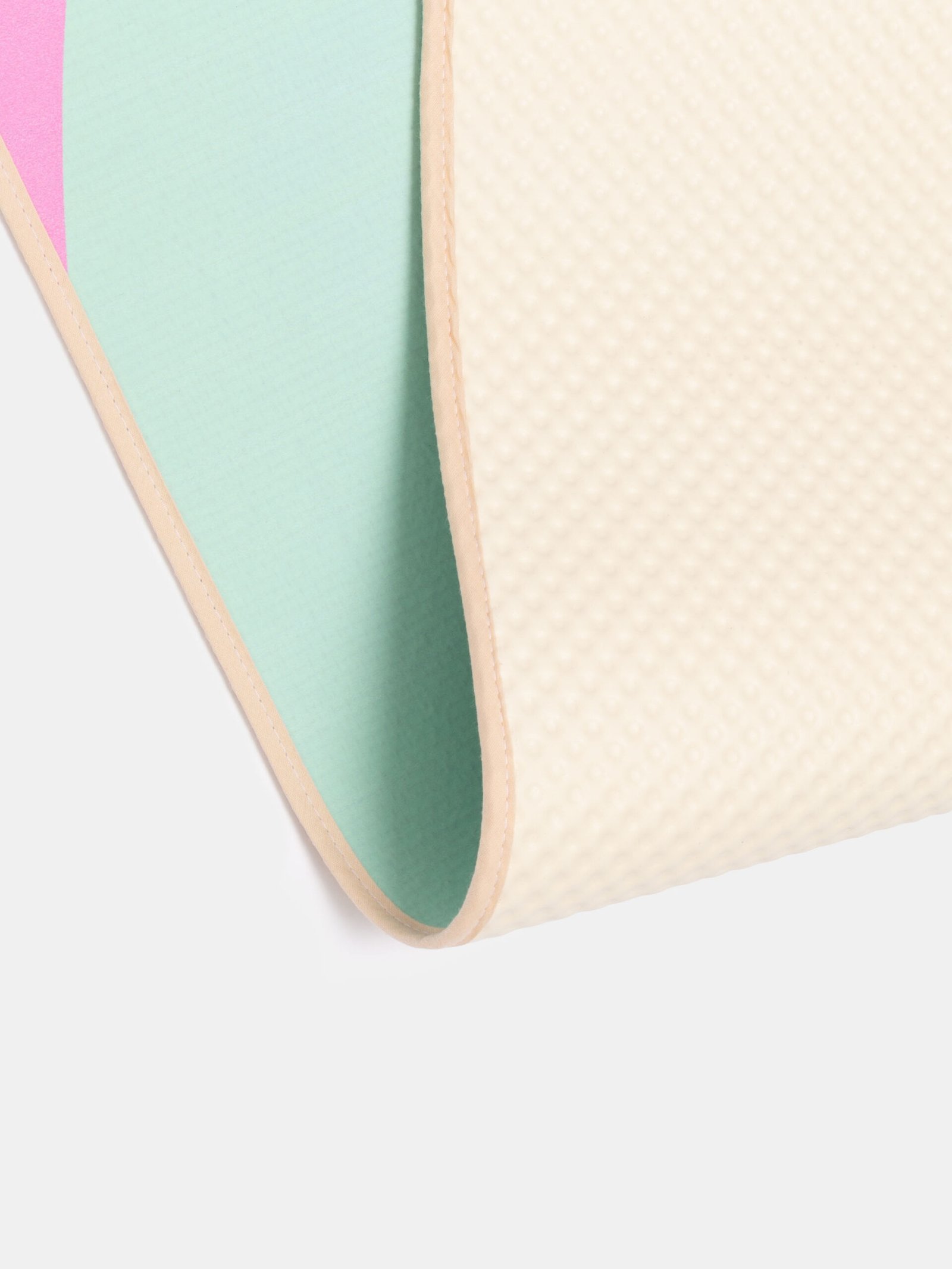


Apparel Fabric & Material Sourcing That Matches the Garment
VeeWen evaluates weight, hand feel, wash response, durability, stretch, and target cost so each material supports your intended fit and use.
Weight With Purpose
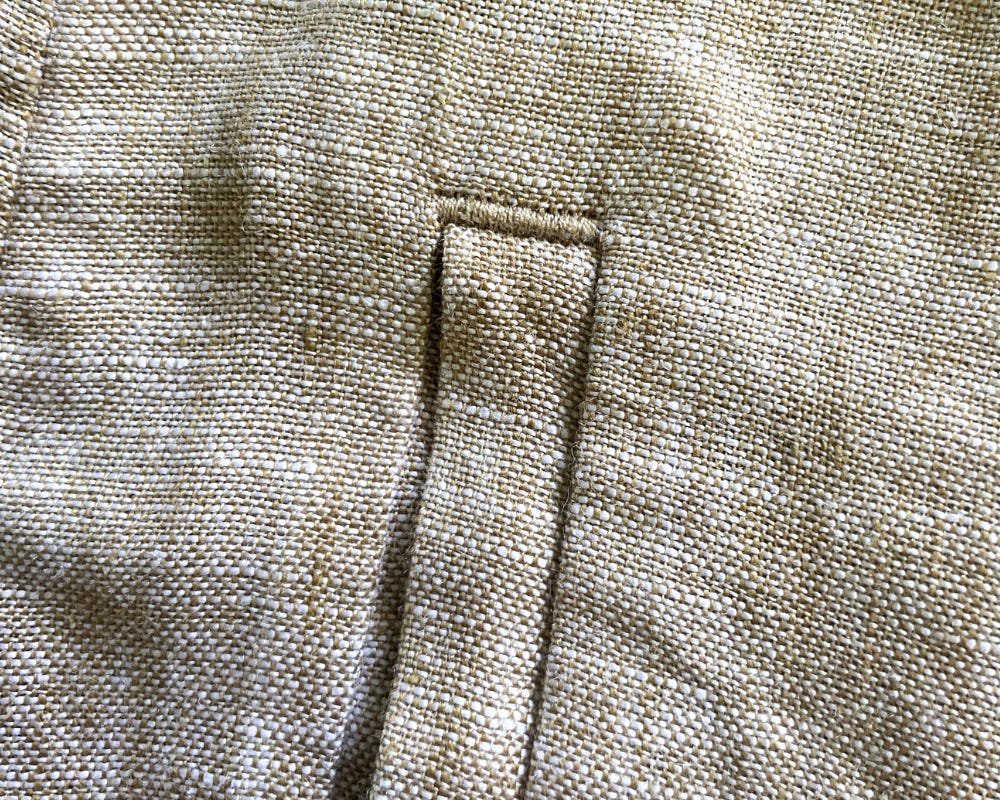
Select GSM and construction for the structure you need, from substantial oversized tees to lighter layers with controlled drape.
Hand Feel Aligned
Match softness, surface texture, and recovery to your brand direction, helping garments feel considered before customers ever see the label.
Wash Behavior Considered
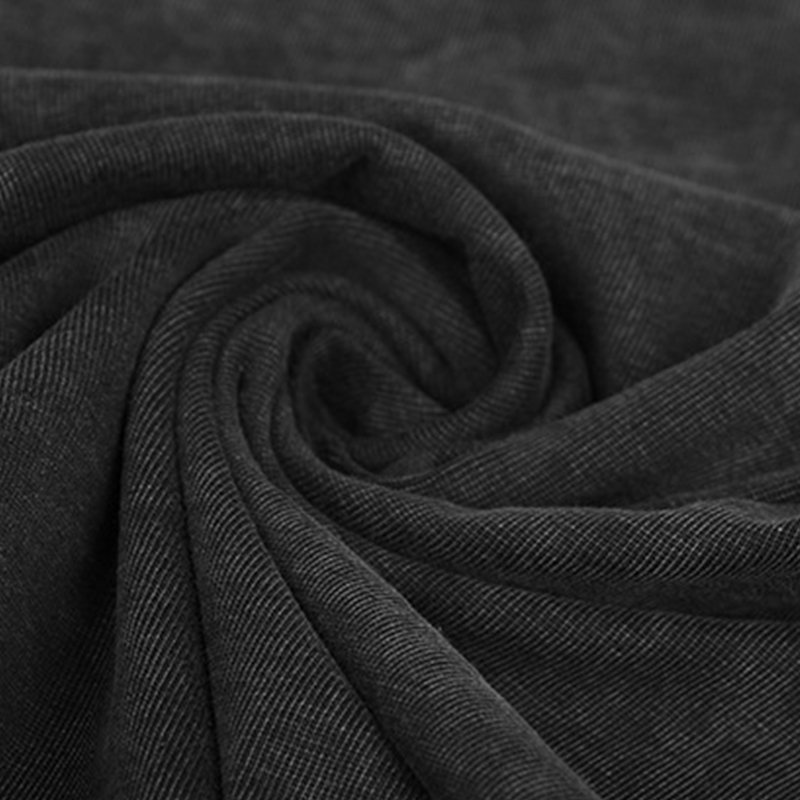
Plan shrinkage, shade variation, fading, and surface change before sampling, especially when garment dye or vintage wash effects define the product.
Durability for Real Wear
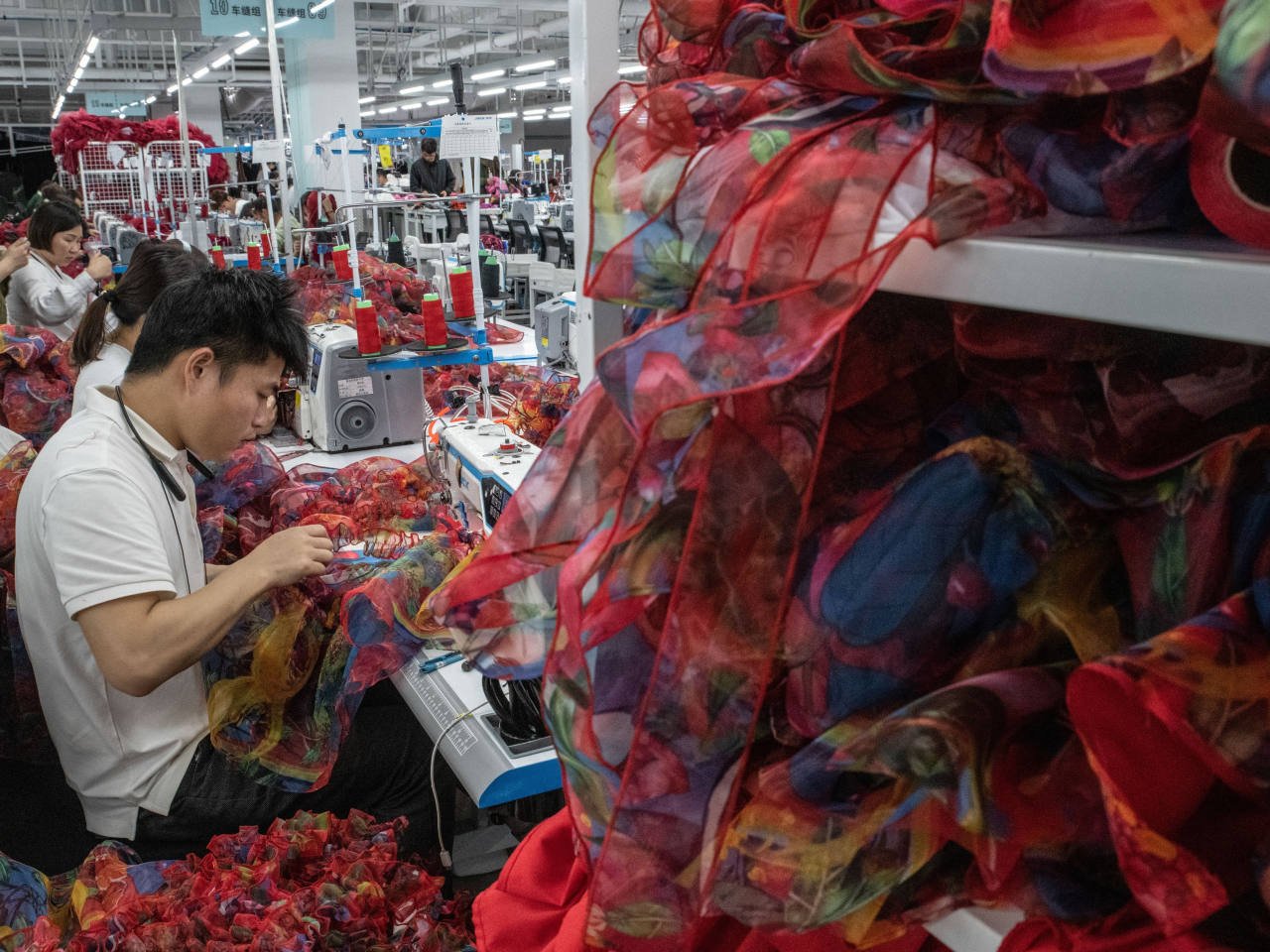
Balance abrasion resistance, seam performance, pilling control, and fabric stability around how the finished garment will be worn and washed.
Stretch Without Compromise
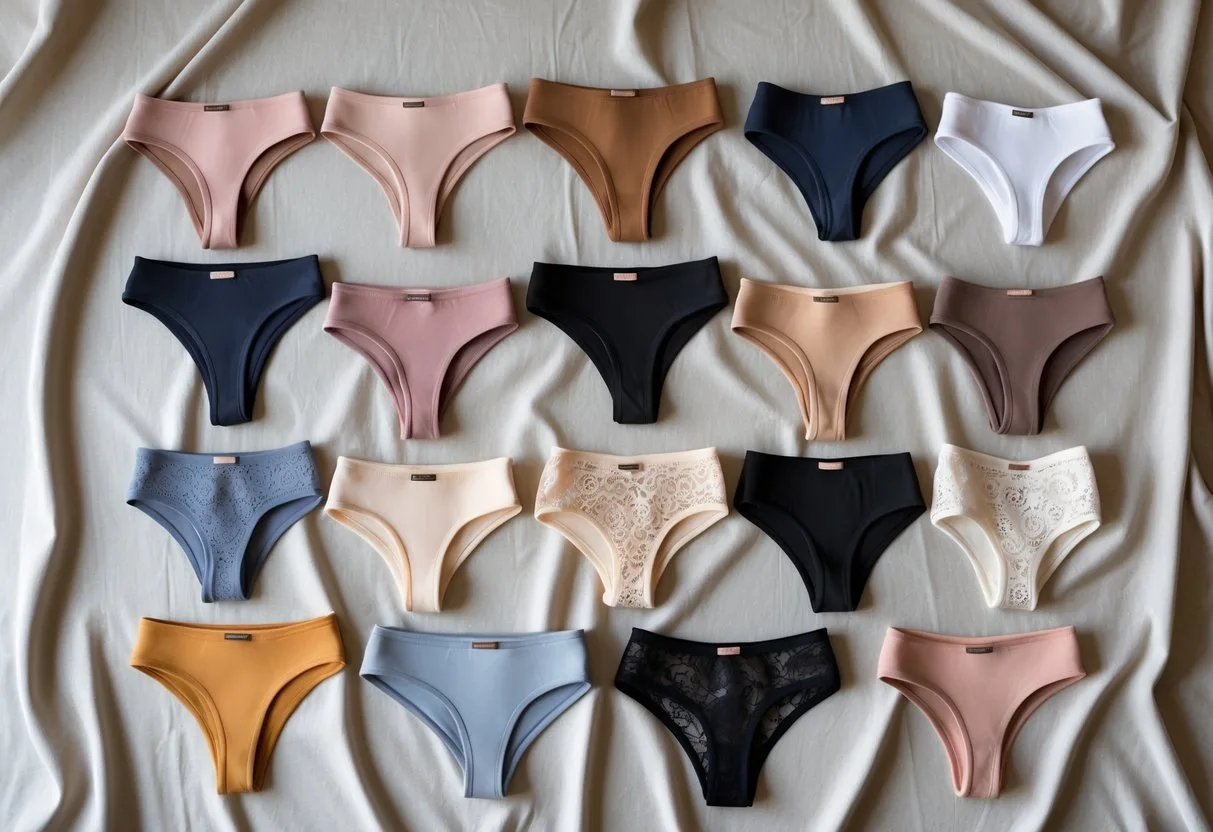
Choose stretch blends and knit recovery that support movement while protecting the intended silhouette, fit block, and long-term shape retention.
Cost Built Into Choice
Align material specifications with your target price, 100-piece-per-style MOQ, and production priorities without treating fabric as a generic commodity.
More Apparel Fabric and Material Sourcing Options and Guides
Compare adjacent product categories, manufacturing options and practical buyer resources from the VeeWen architecture.
Fabric & Material Sourcing
Apparel fabric sourcing from 100 pieces per style, matched to weight, hand feel, wash and price targets for OEM collections. Request a custom quote today.
Explore Category
Cotton Padded Jacket Manufacturer
Cotton padded jacket manufacturer for 100-piece OEM runs, with fit-approved samples, fabric sourcing and private-label packing. Request a custom quote.
Explore Category
Polyester Tee Shirts Wholesale
Polyester tee shirts wholesale from a 100-piece-per-style MOQ, with fabric sourcing, fit sampling and private-label packing for global brands. Request a quote.
Explore Category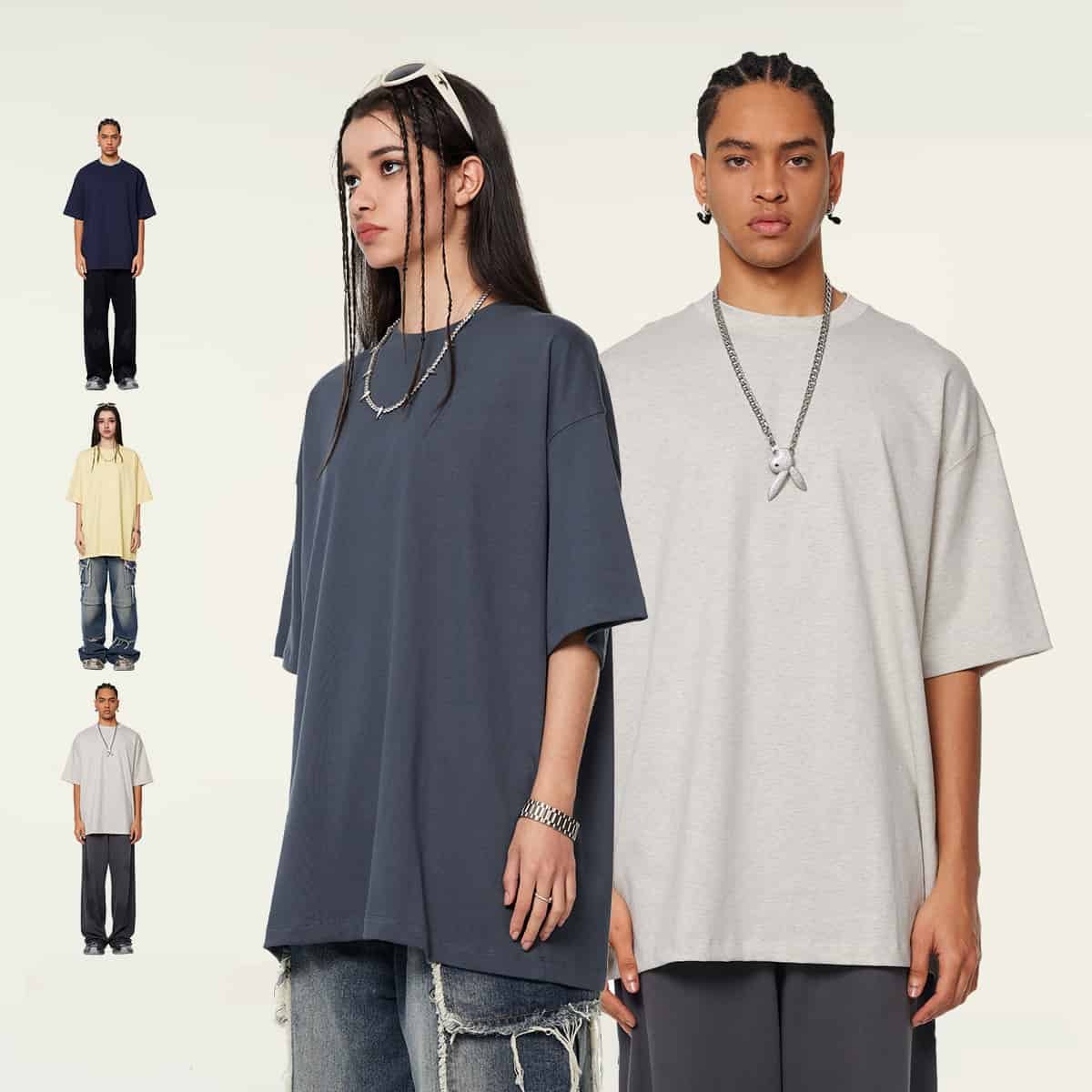
Organic Cotton Tee Shirts Wholesale
Organic cotton tee shirts wholesale from 100 pieces per style, with OEM development, private labels and approved samples. Request a custom quote today.
Explore Category
Cotton Shorts Mens Wholesale
Cotton shorts mens wholesale with a 100-piece-per-style MOQ, custom fabric weights and private-label finishing for global labels. Request an OEM quote today.
Explore Category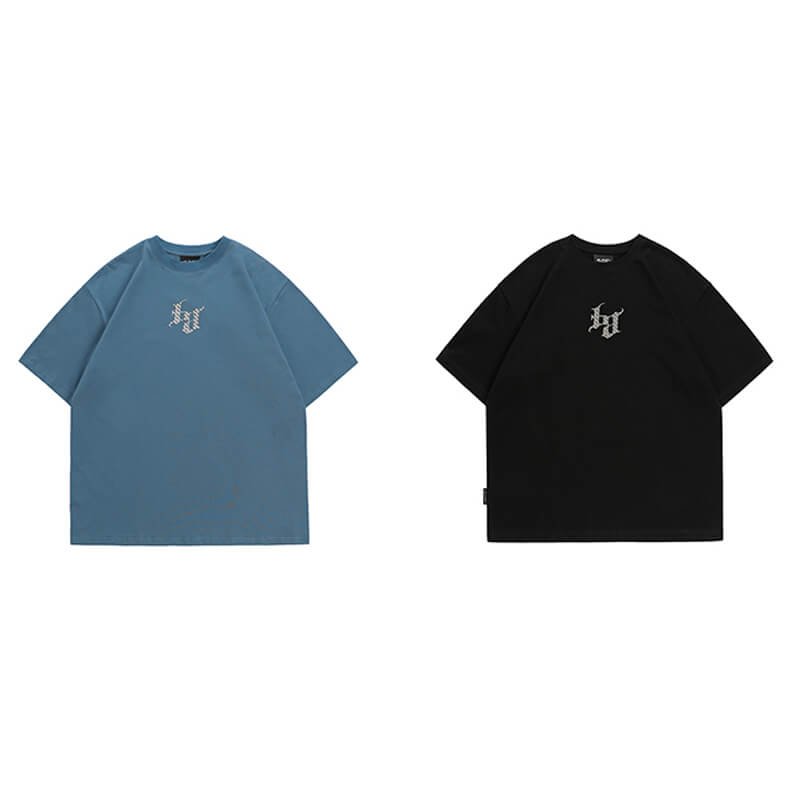
Wholesale Cotton Shorts
Wholesale cotton shorts from 100 pieces per style, with custom fabric weight, fit, labels and packing. Build your next private-label drop—request a quote.
Explore Category
Nylon Shorts Wholesale
Nylon shorts wholesale starts at 100 pieces per style, with OEM fabric sourcing, samples and private-label finishing. Request a custom quote today.
Explore Category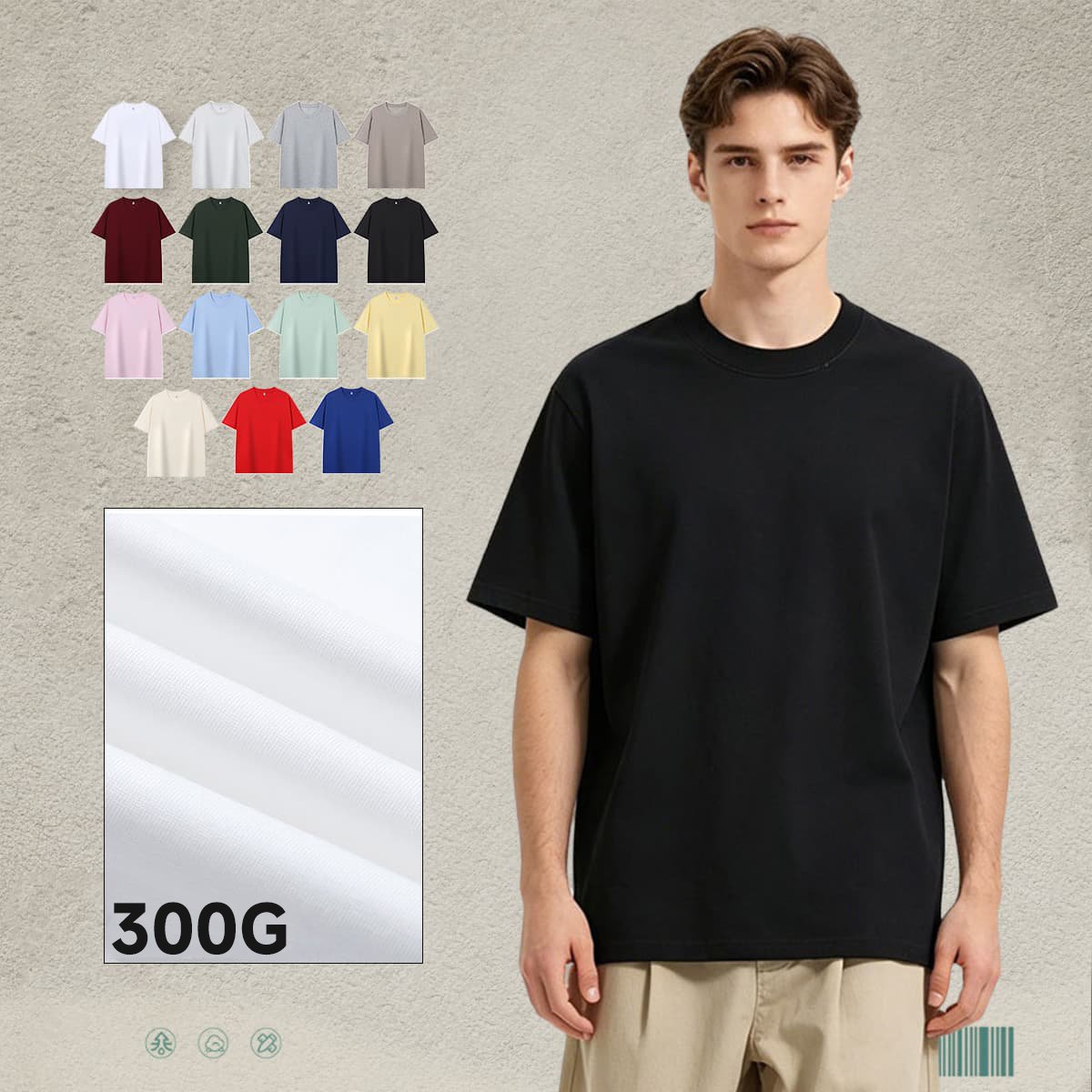
Blank Cotton Shorts Wholesale
Blank cotton shorts wholesale from a 100-piece-per-style OEM partner, with custom fit, fabric weight and private labels. Request a custom quote today.
Explore CategoryApparel Fabric & Material Sourcing Since 2016
Founded in Dongguan in 2016 by ChangKeng Luo, VeeWen helps global brands turn garment ideas into production-ready collections. Menswear and streetwear remain our core focus, with apparel fabric & material sourcing guided by the intended fit, hand feel, weight, wash direction, target price and end use.
Our full-category workflow connects fabric recommendations, pattern development, sampling, decoration tests, approvals, bulk production, quality checks and private-label packaging. Buyers can begin with a tech pack, sketch, reference sample or visual concept, then develop menswear, streetwear and broader collections for men, women and children from one accountable partner.
What makes VeeWen different is practical specification guidance and documented decision points. We explain how weight affects structure, how washes influence shrinkage and shade variation, and how trims or embroidery affect drape and timing. With a standard 100-piece-per-style MOQ, brands can approve details clearly before bulk production.

Apparel Fabric & Material Sourcing: Key Quality Controls
Confirm Weight and Hand Feel
Approve GSM, composition, knit or weave structure, and the finished hand feel against your garment’s fit block. A heavier jersey can support a boxy tee; a softer blend may improve drape but change how seams, ribs, and prints behave.
- Confirm GSM tolerance and fabric composition
- Review swatches under normal handling
- Match structure to intended fit and silhouette
- Test rib recovery and fabric drape where relevant

Control Shrinkage and Wash Effects
Wash development affects shrinkage, shade movement, surface character, and final measurements. VeeWen aligns fabric testing with the intended treatment before bulk production, so vintage fading, enzyme wash, pigment dye, or distressing do not compromise the approved size specification.
- Approve wash standard before size grading
- Check shrinkage after the planned treatment
- Review shade variation and wash character
- Set tolerances from finished-garment measurements

Align Color and Shade Consistency
Color approval should cover the standard, fabric lot, trims, prints, and any garment-dye process. For apparel fabric & material sourcing, VeeWen documents the approved reference and flags where wash direction, mixed materials, or repeat dye lots may create acceptable variation.
- Approve lab dips or production color references
- Compare shell fabric with rib, thread, and trims
- Review print colors on the actual fabric base
- Define acceptable lot-to-lot shade variation

Verify Performance Before Bulk
Performance requirements are defined by end use, not generic claims. Activewear may need stretch recovery and moisture handling; workwear may prioritize abrasion resistance; outerwear may require wind or water resistance. Samples and pre-production approvals confirm the performance level your collection actually needs.
- Specify end use and required performance
- Test stretch, recovery, and opacity when needed
- Check pilling, abrasion, and seam behavior
- Approve a pre-production sample before bulk release
Apparel Fabric & Material Sourcing vs Stock Fabric
Choose the right route for garment fit, finishes, decoration, and a 100-piece-per-style launch.
← Swipe left or right to view →
From Apparel Fabric & Material Sourcing Brief to Bulk Approval
A production-minded process that aligns fabric performance, fit, color, and cost before bulk materials are released.
Review Brief and Budget
We assess your tech pack, reference garments, target hand feel, garment weight, decoration method, end use, and target price to define practical material options.
Source and Compare Swatches
VeeWen presents suitable fabric swatches and color options, comparing composition, weight, stretch, texture, structure, and supplier availability for your intended collection.
Test Performance Details
Selected materials are checked for shrinkage, colorfastness, recovery, drape, and wash behavior, with sourcing recommendations adjusted when performance affects the finished garment.
Review Sample Garments
We build the sample in the chosen fabric so you can evaluate hand feel, fit block, weight, shade, print or embroidery compatibility, and overall appearance.
Confirm Pre-Production Standards
After sample approval, we document approved fabric, color, trims, measurements, and quality expectations to create clear production checkpoints before bulk cutting begins.
Release Bulk Materials
Bulk fabric is released only after shade, weight, hand feel, and approved specifications are reconfirmed, supporting consistent production, inspection, packing, and shipment coordination.
Start Your Apparel Fabric & Material Sourcing Project
Give VeeWen a clear material brief, then approve the swatches and sample before bulk production begins.
Submit Your Product Brief
Send a tech pack, reference garment, sketches, or inspiration images with your end use, target quantity, fit direction, and target price.
Define Material Requirements
Specify fiber preference, GSM, color references, desired hand feel, stretch, wash direction, performance needs, and any decoration or trim requirements.
Review Recommended Swatches
VeeWen matches suitable fabrics to your garment concept and shares options for weight, structure, color, wash compatibility, and production practicality.
Approve Fabric and Sample
Confirm your selected material, then review a development sample for fit, shrinkage, shade, decoration behavior, and finish before bulk specifications are locked.
Launch Bulk Production
After pre-production approval, VeeWen coordinates fabric purchasing, cut-and-sew manufacturing, quality checks, private-label packaging, and shipment preparation from one workflow.
What Buyers Achieved With VeeWen-Sourced Materials
VeeWen matched our oversized tee brief with a 280 GSM cotton jersey that held its structure after three wash tests. The approved bulk color stayed consistent across our 1,200-piece launch, so we avoided the rework we had budgeted for.
For our hoodie drop, the team sourced French terry with the right weight and rib recovery, then documented the wash behavior before bulk. Our 600 pieces arrived aligned with the approved sample measurements, which made our size-chart rollout much cleaner.
We needed apparel fabric & material sourcing for a three-style corporate uniform program with dependable navy shade matching. VeeWen locked the fabric and trim approvals early; all 450 units passed our incoming check and shipped on the production schedule we set.
Apparel Fabric & Material Sourcing FAQ
Clear material, sampling and production answers for brands developing menswear, streetwear and full-category collections with VeeWen.
What fabrics are available through apparel fabric & material sourcing?
Can I start apparel fabric & material sourcing with only an idea or reference image?
What is the MOQ for apparel fabric & material sourcing and garment production?
Can I approve fabric swatches before you make a sample?
How do you control shrinkage and wash effects on custom apparel?
Which fabrics work with screen printing, embroidery, patches and other decoration?
What information do you need to quote a fabric-sourcing project?
What artwork and files are needed for printing or private-label details?
The Complete Buyer’s Guide to apparel fabric & material sourcing
Use a practical decision framework to select fabrics, validate supplier capabilities, compare costs and quality standards, and avoid sourcing mistakes that delay launches or weaken your brand’s product performance.
1. What Is Apparel Fabric & Material Sourcing?
100-piece programs still require disciplined apparel fabric & material sourcing: selecting fibers, constructions, weights and colors, then matching zippers, labels, threads and packaging to the approved garment specification.
160–320 GSM cotton jersey, French terry, fleece or performance blends behave differently in fit, shrinkage, print results and unit cost. OEM and private-label buyers should qualify mills and trim suppliers, review Pantone lab dips, test sample materials, and confirm applicable requirements such as OEKO-TEX or GOTS when requested.
1 approved bulk standard anchors yield, MOQ, production timing and repeat-order consistency. A substituted rib, delayed zipper, or untested wash can erode margin, extend lead time and disappoint customers even when the pattern is correct.
2. Evolution of Apparel Fabric & Material Sourcing
Before the 1990s, most apparel fabric & material sourcing was local: buyers selected mill stock in person, carried swatches, and accepted limited color and fiber options. Globalized textile networks expanded access to cotton jersey, denim, nylon and specialty blends, but also made specification control more important.
By the 2010s, digital color approvals, online swatch libraries and sample photography shortened early development, while moisture-wicking polyester, stretch knits and recycled-content fabrics widened product briefs. Modern Chinese partners are expected to translate Pantone, GSM and performance requirements into trackable sample and bulk specifications.
At a 100-piece-per-style MOQ, emerging brands can now test a focused drop without committing to container-scale quantities. They still need documented inspections, clear shade and shrinkage approvals, and direct communication when a material, wash or trim changes the production window.
3. Types of Apparel Fabric & Material Sourcing
Five sourcing models balance speed, control, and commitment differently. For apparel fabric & material sourcing, match the model to launch volume, calendar, and repeat-order confidence.
Stock Fabrics
100-piece launches suit in-stock jersey or fleece: fastest, but colors can sell out.
Custom Development
500–1,000 meters often unlock custom GSM, color, or finish; allow 6–12 weeks.
Nominated Mills
1 approved mill gives established labels tighter continuity, but mill MOQs reduce flexibility.
Manufacturer-Managed Sourcing
2–3 supplier options let VeeWen balance hand feel, price, and availability; approve swatches before bulk.
Certified Materials
GOTS or OEKO-TEX requests require valid scope documents; certification adds traceability work and may extend lead time.
4. Apparel Fabric & Material Sourcing: Fabrics Compared
180–240 GSM cotton jersey suits soft tees; ring-spun yarn feels cleaner than open-end. Effective apparel fabric & material sourcing matches construction, recovery, and care to wear.
| Material | GSM | Use | Key Behavior |
|---|---|---|---|
| Cotton jersey | 180–240 | T-shirts | soft, low stretch |
| French terry | 280–360 | Hoodies | loopback, structured |
| Fleece | 320–450 | Sweatshirts | warm, brushed |
| Twill | 200–320 | Workwear | durable, crisp |
| Denim | 10–14 oz | Jeans | sturdy, wash-sensitive |
| Poly/nylon knit | 140–220 | Activewear | wicks, durable |
| Cotton-poly blend | 220–320 | Uniforms | stable, easy-care |
Cotton And Blends
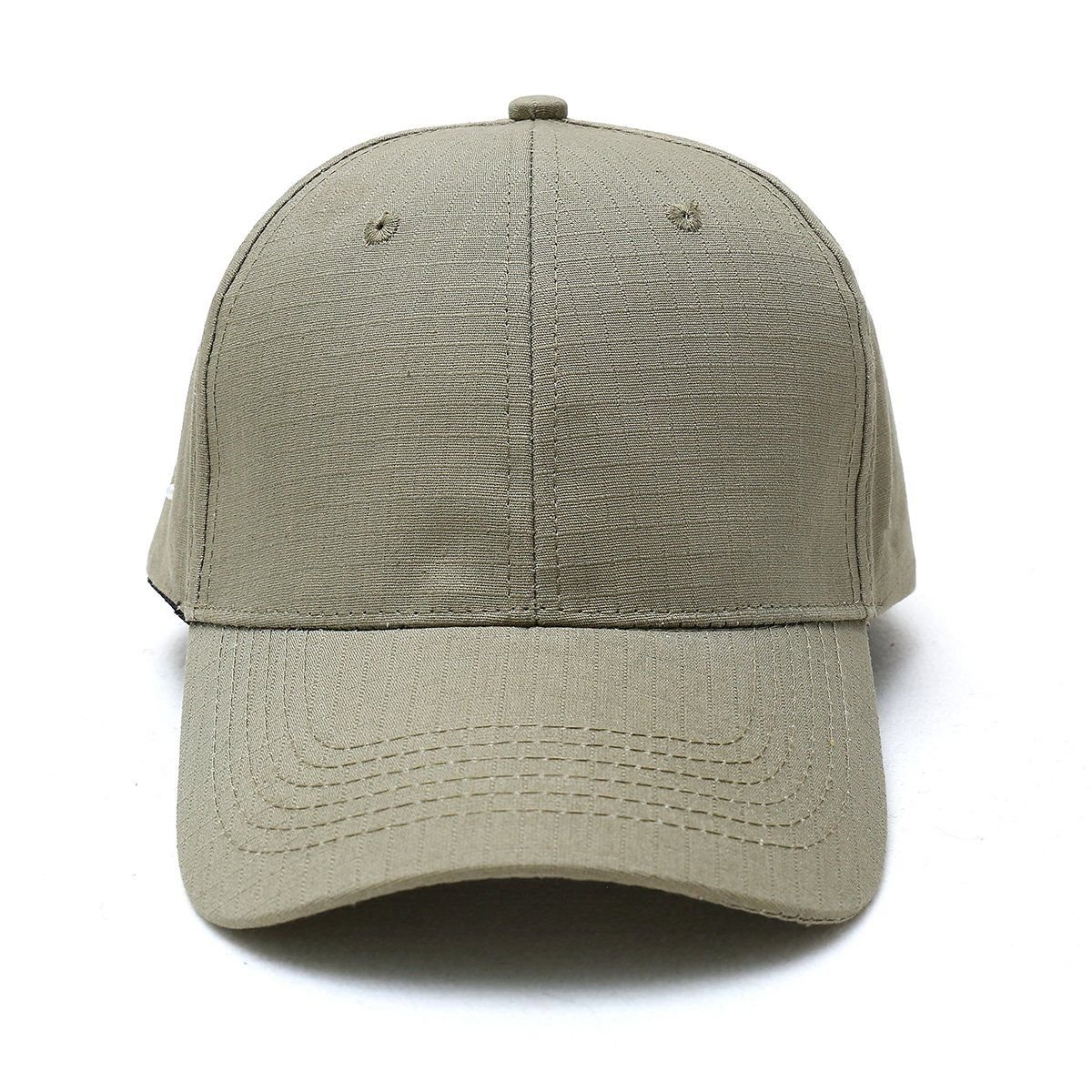
100% cotton breathes but can shrink; 85/15 cotton-poly improves stability. 2–5% elastane adds recovery for fitted jerseys.
Fleece And Twill
280–450 GSM French terry has loopback structure; brushed fleece is warmer. Twill resists abrasion, while denim needs wash testing.
Performance Constructions

140–220 GSM polyester technical knits wick and dry quickly; flatlock limits chafe. Nylon adds abrasion resistance, though heat can damage coatings.
5. Customization and Decoration Options
At 100 pieces per style, decoration must be approved with the fabric, not selected afterward. Apparel fabric & material sourcing determines ink holdout, stitch stability, wash response and decoration cost.
| Fabric | Method | Result | Constraint |
|---|---|---|---|
| Cotton jersey | Screen print or DTG | Sharp color | Artwork setup |
| Fleece | Embroidery or patch | Raised branding | Backing test |
| Polyester | Heat transfer | Clean detail | Heat test |
Print Compatibility

180–240 GSM cotton jersey suits screen printing and DTG; smooth, low-fuzz faces give sharper artwork. Fleece nap can reduce edge definition.
Stitch And Patch Weight

300–400 GSM fleece supports embroidery and patches, but dense stitching can pull lighter knits. Approve stitch count, backing and placement.
Branding Specifications

Before sampling, specify Pantone colors, artwork size, print positions, label fold, neck-label method and wash sequence. Pigment or acid washes can shift shade and crack prints.
6. Apparel Fabric & Material Sourcing Quality Checks
Before bulk approval, verify the actual fabric—not only the supplier swatch. For apparel fabric & material sourcing, attach measurable tolerances and test requirements to the tech pack.
Composition And Weight
100% cotton or a stated blend must match the mill declaration. Specify target GSM, allowable tolerance, knit construction, and finish.
2 cuttings from each sample roll reveal whether weight and hand feel remain aligned.
Performance And Seams
5 wash cycles can expose shrinkage, color bleeding, pilling, and poor stretch recovery. Request test results appropriate to the end use.
3 seam trials should confirm needle choice, stitch density, seam puckering, and fabric-to-thread compatibility.
Roll And Pre-Production Approval
4-point inspection records holes, streaks, barre, oil marks, and shade variation. Compare roll-end and roll-start cuttings.
1 approved pre-production sample should confirm fabric lot, trims, measurements, wash result, and packing before cutting bulk.
7. How to Choose a Manufacturing Partner
A capable China partner should match your product category and operating model before price enters the discussion. For apparel fabric & material sourcing, verify development control, mill access, and evidence behind every commitment.
Match Product Specialization
100-piece MOQ programs need partners fluent in your fit block, fabric weight, decoration, and wash direction. Ask: Which comparable styles have you sampled recently?
Audit Development Controls
2 sample rounds often reveal whether pattern revisions, shrinkage testing, and Pantone approval are documented. Ask for the critical-path timeline and pre-production approval point.
Verify Production Transparency
A 100-piece minimum is useful only when capacity, inspections, export paperwork, and communication remain clear. Ask which mills, checkpoints, certifications, and shipment terms apply to your order.
8. Common Apparel Sourcing Mistakes to Avoid
At a 100-piece MOQ, one wrong assumption can turn a test drop into dead stock. Treat apparel fabric & material sourcing specifications and approvals as commercial controls.
Do Not Buy From Photos

One swatch photo cannot confirm hand feel, 280 GSM tolerance, or shade behavior. Request cuttings, GSM tolerance, and lot-approved Pantone standards before sampling.
Test Wash And Color

3–8% shrinkage and wash-to-wash color variation can break fit and replenishment consistency. Test washed measurements and approve a sealed shade band before bulk.
Specify And Approve Everything

OEKO-TEX, GOTS, WRAP, and BSCI status is not automatic; neither are YKK zippers or exact trim dimensions. Verify documents, specify trims, compare landed value—not unit price—and sign a pre-production sample.
9. Steps to Launch a Sourced Apparel Collection
A 100-piece minimum per style lets a new label turn a focused brief into a controlled first drop. Lock commercial decisions before sampling, when changes are faster and less costly.
Brief And Material Direction
Week 1: define customer, fit block, target retail price, delivery date, and color count. Shortlist fabric weight, hand feel, performance, and wash direction; request swatches and supplier quotations.
Specification And Sampling
Weeks 2–4: send a tech pack with graded measurements, Pantone references, BOM, artwork, labels, and packaging. Approve the sample only after fit, shrinkage, decoration placement, and revision costs are documented.
Production And Delivery
Before bulk: freeze the approved sample, purchase order, timeline, and inspection standard. During production, check in-line workmanship and final packed quantities, then confirm carton marks, shipping documents, and delivery handover.
10. Apparel Fabric & Material Sourcing Pricing
100 pieces is VeeWen’s standard starting MOQ, where per-unit cost carries more pattern, fabric booking, and setup overhead than a repeat bulk order. Quote the garment separately from development samples, print or embroidery, labels, trims, polybags, tests, freight, insurance, import duty, and local delivery.
3 quantity bands show the usual direction, but fabric construction, color count, wash process, and packing can move either price or timing. The lowest ex-factory quote can create the highest landed cost when it omits shrinkage allowance, rework risk, compliant labeling, or shipping-ready packaging.
| Quantity | Unit-price impact | Typical lead time |
|---|---|---|
| 100–299 | Highest unit cost | 4–6 weeks |
| 300–999 | 8–18% lower | 5–7 weeks |
| 1,000+ | 15–30% lower | 6–9 weeks |
Start Apparel Fabric & Material Sourcing With VeeWen
Send your artwork, tech pack, reference sample or product idea for a custom quote and material recommendation matched to your apparel program.