
Low MOQ Training Apparel Factory for Teamwear
VeeWen develops market-ready teamwear with controlled fit, performance fabrics, and private-label details from 100 pieces per style.
Featured Products for low MOQ training apparel factory Development
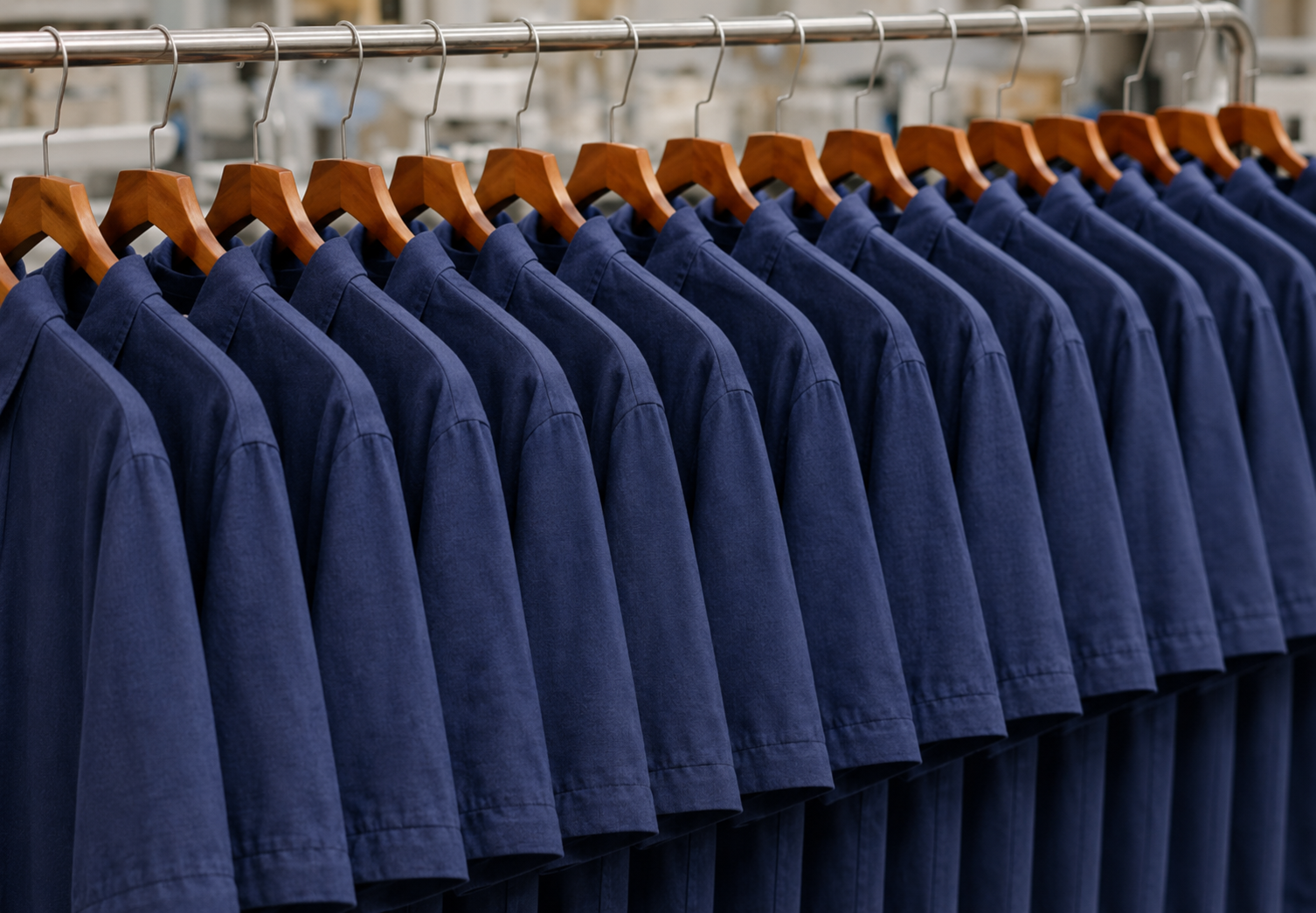
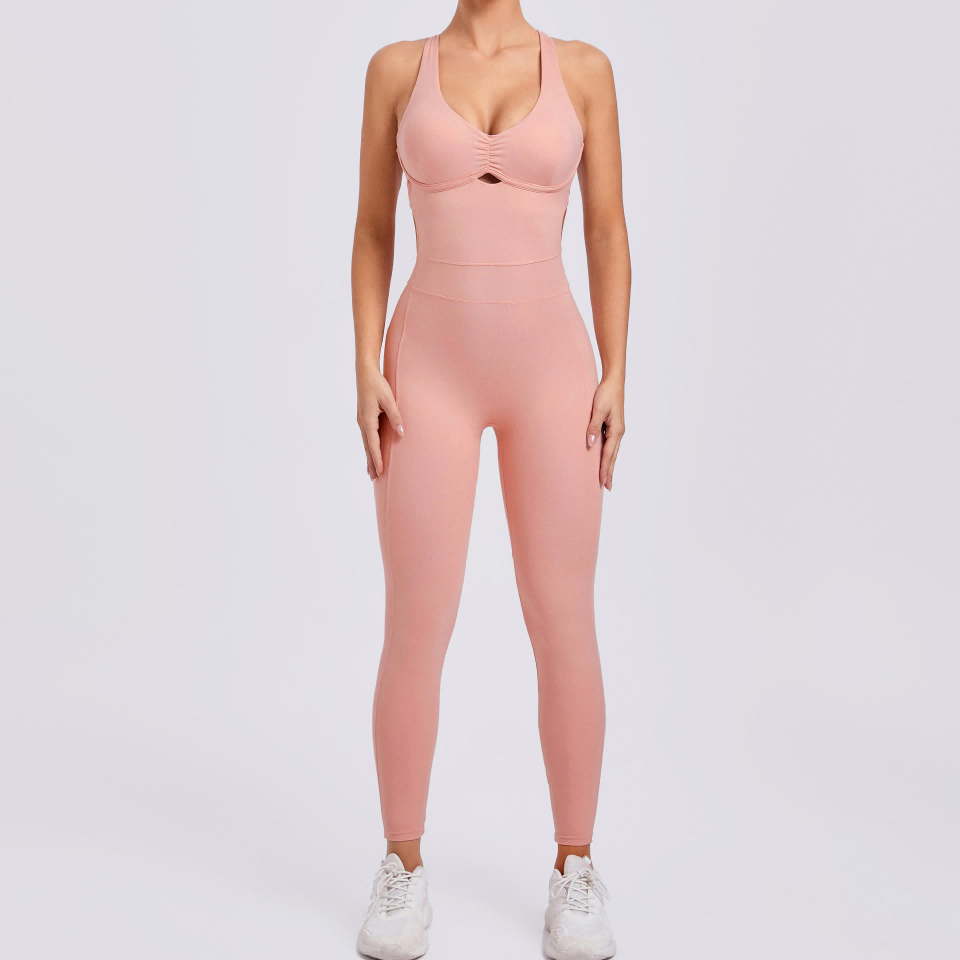


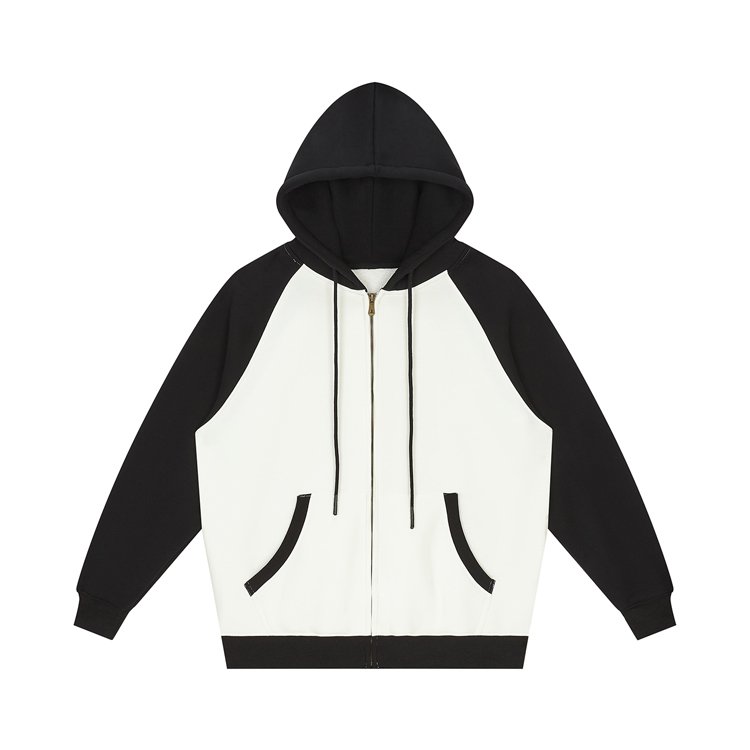


Low MOQ Training Apparel Factory Features Buyers Need
VeeWen aligns development choices with performance, fit, branding, and repeatable 100-piece-per-style production.
100-Piece Style MOQ
Launch a focused teamwear or activewear style from 100 pieces, then retain approved specifications for confident repeat orders.
Performance Fabric Matching
Match stretch, breathability, weight, recovery, and durability to your training use, target price, and preferred garment hand feel.
Fit Development Control
Refine blocks, graded measurements, sleeve pitch, rise, and inseam through samples before confirming bulk production for your size range.
Decoration Coordination
Coordinate screen print, transfers, embroidery, patches, and branded trims with practical guidance on drape, durability, and production timing.
Repeatable Specifications
Document approved fabrics, patterns, colors, trims, labels, packing, and checkpoints so future production follows the established training apparel standard.
More Low MOQ Training Apparel Factory Options and Guides
Compare adjacent product categories, manufacturing options and practical buyer resources from the VeeWen architecture.
Low MOQ & Flexible Production
low MOQ clothing manufacturing from 100 pieces per style, with OEM, ODM, sampling, trims and packing managed in one workflow. Request a custom quote today.
Explore Category
Low MOQ Windbreaker Jackets Factory
Low MOQ windbreaker jackets factory for 100-piece OEM runs, with approved samples, private labels and quality checks before bulk production. Request a quote.
Explore CategoryLow MOQ Swimwear Manufacturer
Low MOQ swimwear manufacturer for OEM and private-label orders from 100 pieces per style, with approved samples before bulk production. Request a quote.
Explore Category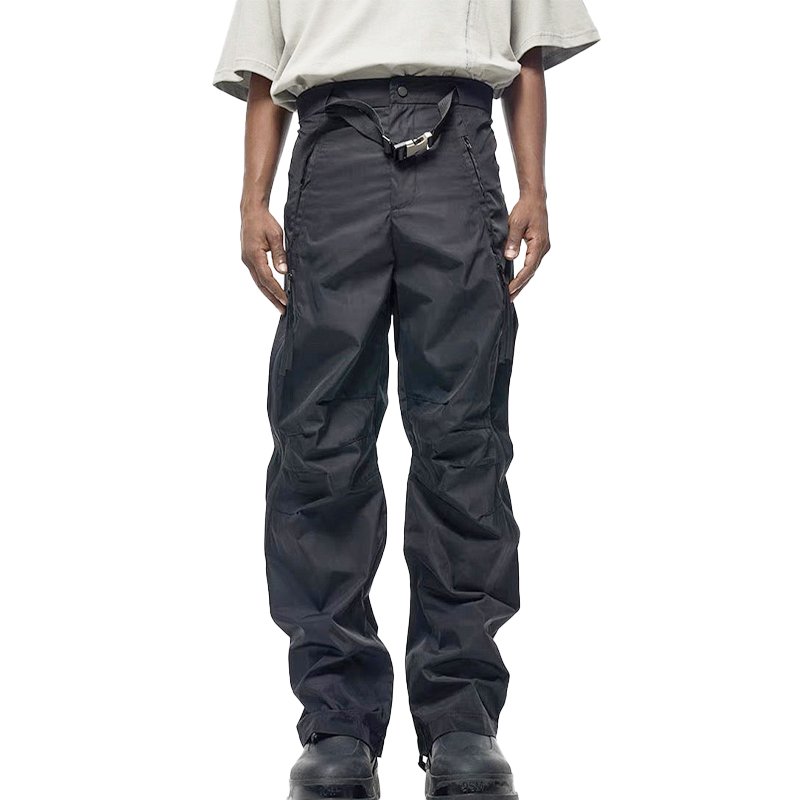
Low MOQ Full Package Apparel Production Factory
low MOQ full package apparel production factory for 100-piece-per-style streetwear runs. Develop, sample, produce and pack with one China partner. Get a quote.
Explore Category
Low MOQ Multi Style Apparel Orders Factory
low MOQ multi style apparel orders factory with 100 pieces per style, unified sampling, fabric sourcing and private-label production. Request a custom quote.
Explore Category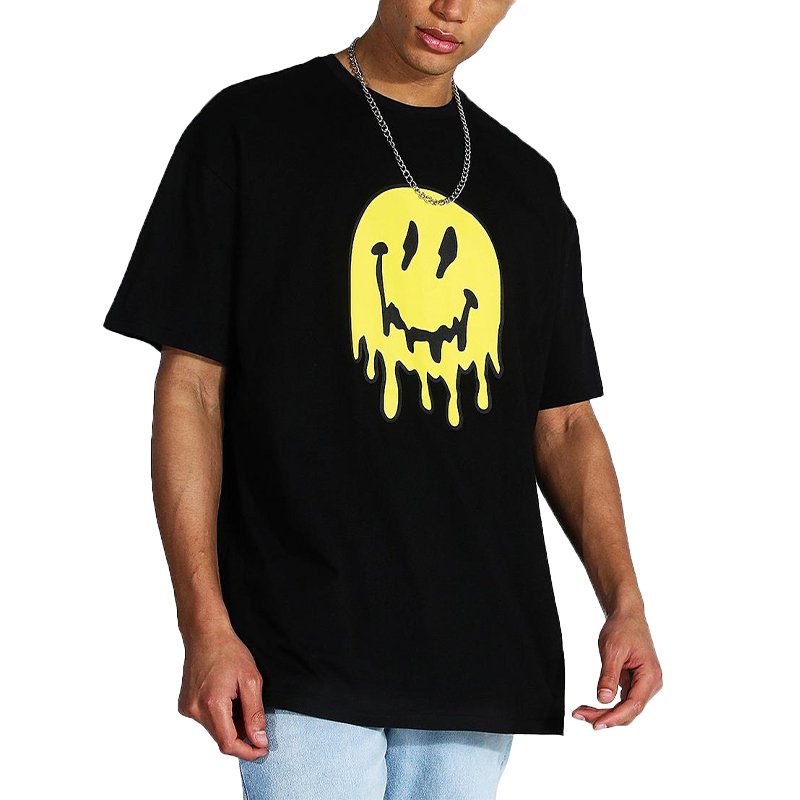
Low MOQ Oversized Streetwear Shorts Factory
Low MOQ oversized streetwear shorts factory supports custom OEM and private-label shorts from 100 pieces per style. Approve samples, then request a quote.
Explore Category
Low MOQ Running Shorts Factory
Low MOQ running shorts factory supports 100-piece OEM orders with fit samples, custom performance fabrics, and private labels. Request a quote today.
Explore Category
Low MOQ Moisture Wicking Activewear Factory
Low MOQ moisture wicking activewear factory with 100 pieces per style and performance-fabric sourcing. Build OEM samples and request a custom quote today.
Explore CategoryWhy VeeWen Is a Low MOQ Training Apparel Factory
Founded in Dongguan in 2016 by ChangKeng Luo, VeeWen helps global brands turn training apparel concepts into production-ready programs. As a low MOQ training apparel factory, we support 100 pieces per style for focused teamwear launches, private-label collections, and repeatable reorders.
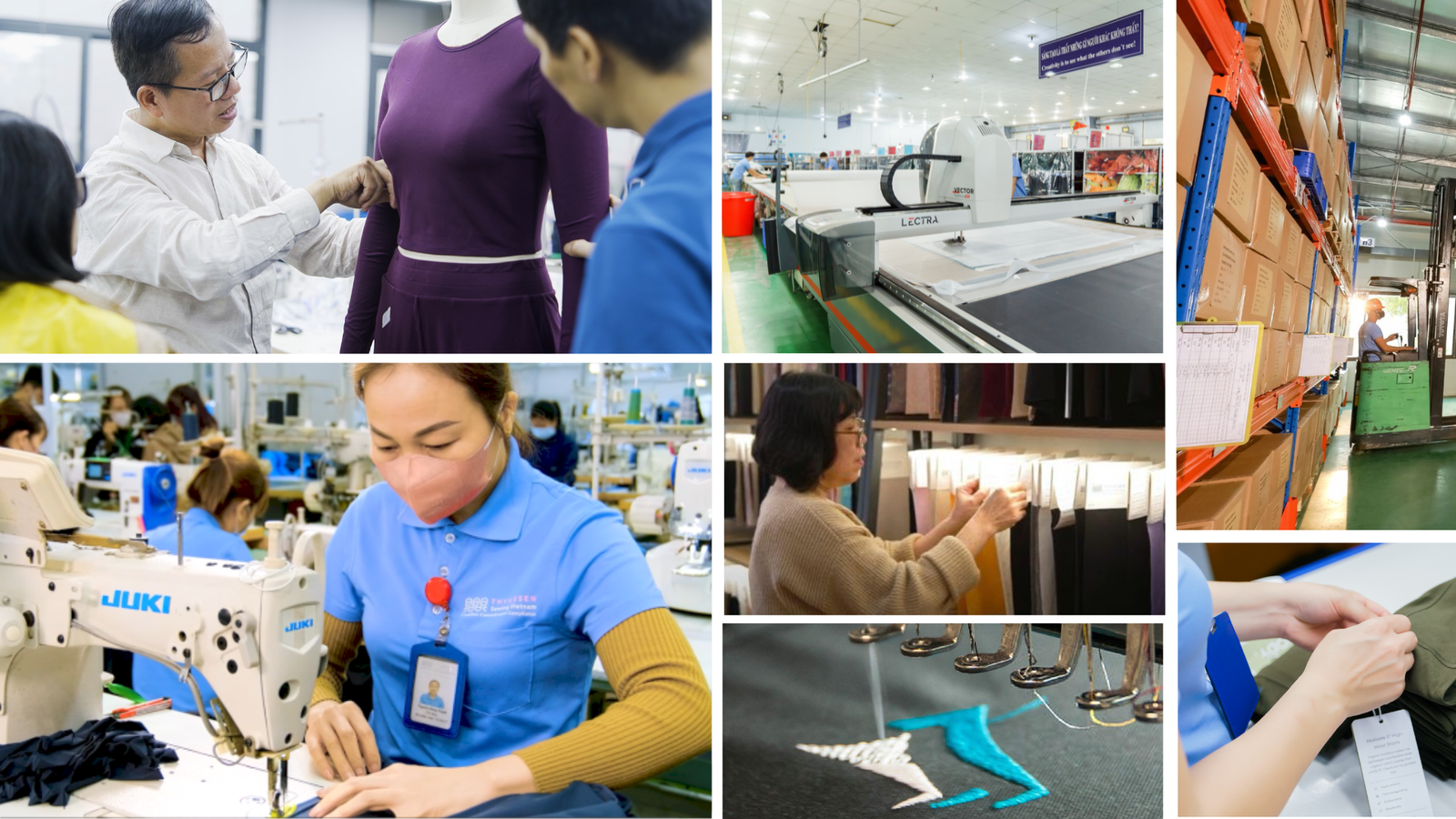
Our integrated OEM, ODM, private-label, and cut-and-sew workflow brings fabric sourcing, pattern development, sampling, decoration testing, bulk production, quality checks, and packaging under one accountable partner. Menswear and streetwear remain our core expertise, with full-category flexibility for men’s, women’s, and children’s apparel.
What differentiates VeeWen is a direct, production-minded approach to every decision. We clarify fit, fabric weight, performance needs, print or embroidery methods, wash effects, trims, and labeling before bulk approval, using transparent sample-to-production checkpoints to keep specifications aligned.

Training Apparel Controls Before Bulk Production
Performance Fabric Selection
VeeWen matches fabric weight, stretch, moisture handling and recovery to the garment’s training use, fit direction and target price. Swatches and sample construction clarify how a fabric performs after movement, washing and decoration before you commit to bulk production.
- Select jersey, interlock, mesh or stretch performance blends
- Balance breathability, opacity and garment structure
- Review shrinkage and recovery through sampling
- Align fabric hand feel with your price target

Fit Blocks That Repeat
A low MOQ training apparel factory must make small runs fit like a repeatable program. VeeWen translates reference garments into practical measurements, then reviews body width, sleeve pitch, rise, inseam and graded sizes through an approved fit sample.
- Define fit blocks from samples or technical packs
- Confirm movement room for training and teamwear
- Set graded measurements for every size
- Record approved specifications for reorders
Decoration Built for Movement
Training garments need branding that works with the fabric rather than against it. VeeWen tests screen print, heat transfer, DTF, sublimation and embroidery options against stretch, breathability, drape and placement so the finished logo supports active use.
- Match decoration method to fabric composition
- Check stretch and drape around logo placements
- Evaluate print feel for next-to-skin garments
- Coordinate labels, patches and team details

Approve Before Production
Before bulk manufacturing, VeeWen uses approved samples and documented checkpoints to lock fabric, fit, artwork, trims and packaging. This gives 100-piece-per-style training apparel buyers a clear production reference and reduces avoidable changes once manufacturing begins.
- Confirm pre-production sample details
- Approve colors, artwork and logo placement
- Review trims, labels and packaging components
- Use in-line and final quality checks
Low MOQ Training Apparel Factory vs Higher-Volume Factory Programs
Compare VeeWen’s 100-piece-per-style workflow with conventional volume-first training apparel programs.
← Swipe left or right to view →
Low MOQ Training Apparel Factory Production Process
VeeWen manages each production checkpoint so your 100-piece-per-style training apparel program moves from concept to shipment with clear approvals.
Clarify Brief and Materials
We review your tech pack, references, fit targets and end use, then recommend performance fabrics, weights and trims aligned with budget and wear requirements.
Develop Patterns and Samples
Our team builds practical fit blocks and graded measurements, produces a sample, and records revisions for body width, sleeve pitch, rise and inseam.
Test Decoration and Finishes
Before bulk approval, we test logos, transfers, embroidery or printing alongside wash and trim choices to confirm durability, hand feel, placement and garment drape.
Confirm Pre-Production Details
Approved samples become the production reference, including fabric, color, measurements, labels, packaging and decoration specifications, so every stakeholder follows the same documented standard.
Inspect Bulk and Ship
We conduct in-line inspections and final quality checks, coordinate folding and private-label packing, then prepare packed goods for your nominated shipment arrangement.
How to Order Custom Training Apparel
Send clear product and branding inputs so VeeWen can turn your training apparel concept into a production-ready 100-piece-per-style program.
Send Your Product Brief
Share a tech pack, sketches, reference samples, inspiration images, target quantity, intended use, and delivery expectations for your low MOQ training apparel factory order.
Define Fit and Materials
Provide size specifications, grading requirements, fabric preferences, garment weight, color direction, and performance needs. VeeWen recommends workable materials, trims, and construction details.
Supply Branding Assets
Upload vector logo files, Pantone references, placement artwork, label copy, hangtag details, and packaging requirements for accurate OEM or private-label development.
Review Your Development Sample
Confirm measurements, fit, decoration results, color, wash behavior, and branded components against the sample before approving specifications for bulk production.
Approve Bulk Production
Approve the pre-production details, then VeeWen coordinates manufacturing, in-line inspection, final quality checks, packing, and shipment support for your 100-piece style order.
What Buyers Achieved with a Low MOQ Training Apparel Factory
VeeWen helped us lock the fit after two sample rounds and deliver our 120-piece launch on schedule. The contrast logo transfers stayed clean through our wash testing, so we moved forward with confidence.
Our team needed breathable training tops with a premium hand feel, not generic blanks. VeeWen refined the fabric and sleeve measurements, then produced 150 units with every embroidered crest positioned consistently.
The 100-piece MOQ let us test a focused gymwear drop without overcommitting inventory. We approved the first bulk color after clear pre-production checks, and our 100 orders sold through faster than expected.
Low MOQ Training Apparel Factory FAQ
Clear answers for 100-piece-per-style custom teamwear, activewear, and private-label training apparel programs.
What is the minimum order at your low MOQ training apparel factory?
Which fabrics work best for custom training apparel?
Can a low MOQ training apparel factory combine printing, embroidery, and patches?
Can I order multiple sizes in a 100-piece training apparel run?
What artwork files does a low MOQ training apparel factory need?
Can you make a sample before my training apparel bulk order?
How long does production take for 100-piece custom training apparel orders?
How should I plan a reorder with a low MOQ training apparel factory?
Complete Guide to a low MOQ training apparel factory
Use this decision framework to compare supplier capabilities, fabrics, customization, quality controls, costs, and launch steps—while avoiding the sourcing mistakes that delay samples, inflate landed costs, or compromise your training apparel brand.
1. What Is a low MOQ training apparel factory?
100 pieces per style is a practical low-MOQ threshold for a training apparel factory: enough to set patterns, source fabric and run controlled bulk production without requiring a large seasonal buy. It lets new labels test a capsule and teams order coordinated kits with less inventory exposure.
3 common routes are OEM from an approved tech pack, ODM from an adaptable factory base design, and private label using selected blanks or proven blocks with your branding. MOQ and unit cost rise when one style adds multiple Pantone colorways, panel cutting, sublimation, dense embroidery, or separate size and trim specifications.
2016-founded VeeWen can develop training apparel from a sketch, reference sample or tech pack, then align sampling and bulk specifications before production. The 100-piece minimum supports focused runs while keeping reorders repeatable.
2. How Low-MOQ Sportswear Manufacturing Evolved
During the 2010s, direct-to-consumer launches, creator labels, and short test drops reduced the appeal of committing to a full seasonal wholesale run before demand was proven. Buyers increasingly needed smaller, repeatable activewear orders with room to adjust fit, colors, and branding.
A 100-piece minimum can now support a focused style test when digital patterns, graded measurement files, and faster sample review replace repeated manual revisions. Performance knit sourcing also makes it practical to specify polyester-spandex jerseys, interlock, mesh, or French terry by weight, stretch, and intended training use.
At VeeWen, approved samples, decoration tests, and pre-production confirmation turn that flexibility into a controlled reorder path. Screen prints, heat transfers, embroidery, labels, and packaging should be finalized early because each on-demand branding choice affects cost, hand feel, and production timing.
3. Types of low MOQ training apparel factory Orders
100-piece programs can cover training T-shirts, tanks, shorts, joggers, hoodies, compression pieces, and matching sets. Start with products whose fit, decoration, and color plan can be approved in one sample round.
Best First Products

Three low-risk starters are T-shirts, tanks, and shorts: they use familiar blocks and fewer construction variables.
- Training T-shirts
- Racerback or muscle tanks
- Elastic-waist training shorts
Fit Block Decisions
Two fit routes change development: unisex blocks suit broader sizing, while fitted compression and joggers need body-specific grading.
- Unisex: simpler size range
- Fitted: more fit approvals
Choose Production Depth
Three buying routes fit different launch stages: stock blanks test graphics, semi-custom programs adjust trims, and cut-and-sew builds a proprietary silhouette.
- Stock blanks: fastest test
- Semi-custom: selected changes
- Cut-and-sew: full control
4. Fabrics for Low-MOQ Training Apparel
Fabric choice sets comfort, opacity, and repeat performance before sampling. For a 100-piece program, specify GSM, activity, climate, stretch recovery, and wash expectations before comparing quotations.
| Fabric | Typical GSM | Best Use | Buyer Check |
|---|---|---|---|
| Polyester or recycled polyester | 130–180 | Running, team jerseys | Wicking, pilling, cool wash |
| Spandex blend or interlock | 180–250 | Training sets, leggings | Recovery, opacity, chlorine care |
| Mesh or French terry | 120–160 / 220–280 | Vent panels / warm-ups | Breathability / shrinkage |
Stretch And Recovery
8–15% elastane suits leggings and fitted tops; test recovery after laundering.
Breathability And Coverage

120–160 GSM mesh vents hot-weather panels; use interlock where opacity matters.
Care And Durability

180–280 GSM French terry suits warm-ups; cotton blends need shrinkage control.
5. Low MOQ Training Apparel Factory Customization
A 100-piece VeeWen style can use custom Pantone colors, graded sizing, neck labels, hangtags and polybags. Choose decoration by fabric, artwork detail and wear exposure.
| Method | Typical Setup | Unit Cost | Best Use |
|---|---|---|---|
| Screen print | US$40–80 | Low | Durable, simple artwork |
| Heat transfer | No screen setup | Medium | Fine detail; 100 pieces |
| Embroidery | US$30–60 digitizing | Medium-high | Durable; may stiffen knits |
| Sublimation | No setup | Low at 100 | Polyester; full color |
Private-Label Essentials
One-color neck labels and hangtags add identity without changing fit specifications.
Print Selection
Two-color screen prints suit broad logos; transfers preserve fine detail on small runs.
Technical Finishes
3D embroidery adds texture, while silicone, reflective and sublimation treatments suit specific fabric and visibility needs.
6. Construction Details That Signal Quality
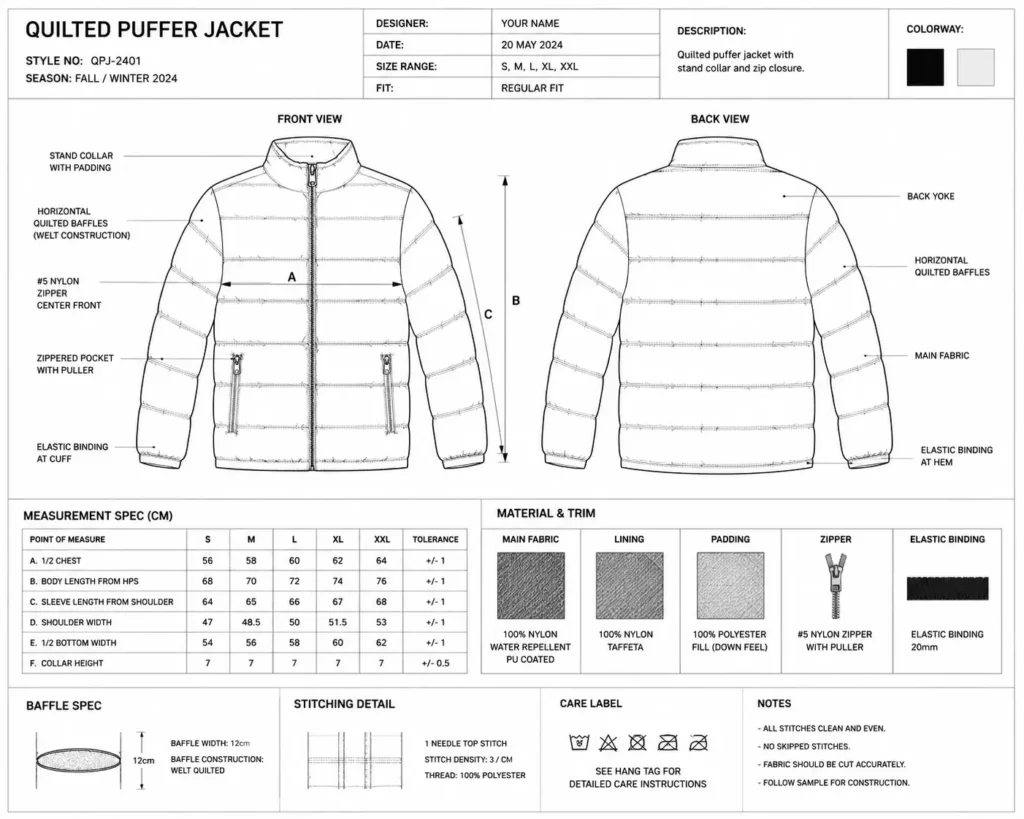
At sample approval, construction details predict comfort, repeatability, and return risk more reliably than a fabric swatch alone. Inspect the garment inside out and record requirements against graded measurements.
Stitching And Seams
Eight to 12 stitches per inch is a useful starting range for many knit seams; match density to fabric weight and stretch. Flatlock can reduce chafing on training tops, while overlock suits many non-contact seams.
Stress Points And Pockets
Two or more bartacks at pocket openings, crotch joins, and drawcord exits can prevent early failures. Check pocket bags, edge binding, and zipper-end reinforcement on the actual sample.
Waistbands And Labels
Four-way recovery testing after repeated stretch helps reveal waistband elastic that may bag out. Confirm label placement, seam allowances, and measurement tolerances before bulk; small inconsistencies across a size run drive fit-related returns.
7. Choosing a low MOQ training apparel factory
A 100-piece minimum can suit a focused training drop, but supplier selection must test development control, not just quoted capacity. Ask for evidence tied to your exact fabric, construction, size range, and destination.
Match Product Specialization
Three recent training samples reveal more than a category list: inspect flatlock seams, stretch recovery, print adhesion, and graded measurements.
100-piece orders need flexible color and size splits; confirm the MOQ is per style, color, and fabric.
- Request comparable sample photos and measurement sheets
- Ask which fabrics are locally sourceable
Verify Development Control
One approved sample should anchor bulk production; ask who owns patterns, grading, Pantone approval, and revision records.
7-14 days is a typical sampling window, but decoration tests and new fabrics can extend it.
- Confirm sample cost and approval method
- Request a dated critical-path schedule
Check Commercial Evidence
Two checkpoints—in-line and final inspection—should be documented against agreed tolerances, packing, and defect rules.
30-45 days is a common bulk range after approval; request export references, compliance documents, freight terms, and payment milestones.
- Ask for inspection-report examples
- Verify certification scope with issuer records
- Avoid vague claims without sample evidence
8. Common Low-MOQ Sourcing Mistakes
At a 100-piece MOQ, small specification errors multiply quickly. First-time buyers should lock decisions before bulk, not treat production as a second sampling round.
Price Before Scope
One low quote can exclude labels, freight, or testing; the result is an inflated landed cost. Compare like-for-like ex-factory scope and request a delivered-cost estimate.
Samples And Specifications
Two approvals matter: fit samples and a pre-production sample. Skipping either risks wrong grading, fabric, or construction; submit measured tech packs and sign off on the bulk standard.
Color, Decoration, And Packing
Three-plus colorways at 100 pieces dilute quantities and complicate shade control. Limit launch colors, test print or embroidery placement, and specify polybags, labels, cartons, and barcodes before production.
9. Steps to Launch Training Apparel
100-piece pilot orders let a new training line move from positioning to sellable proof without committing to a broad range. Build the launch around approvals that production can repeat.
Brief And Costing
2 buyer decisions come first: target athlete, retail price, and use case. Convert them into a tech pack, fabric choice, colorways, and quotation.
1 approved brief should specify performance, fit, and decoration placement. Confirm MOQ, payment terms, and freight assumptions before sampling.
Sample And Size Approval
1 fit sample exposes issues before grading. Revise measurements, stretch recovery, seams, and print or embroidery tests.
3 locked items prevent bulk drift: graded size chart, Pantone references, and branded labels. Approve a pre-production sample before cutting.
Bulk To Launch
100-piece test production can validate demand and sizing. Use in-line inspection, final checks, packing confirmation, and freight booking against launch dates.
2 reorder signals matter: sell-through by size and return reasons. Preserve approved specs, fabric details, and trim records for replenishment.
10. Low-MOQ Training Apparel Pricing and Costs
100 pieces per style is VeeWen’s standard starting point; a focused first run carries the highest unit cost because fixed development and setup work is spread across fewer garments. Approved samples, a tech pack, and a shipping destination are required for a final quotation.
2 colorways can increase fabric and print handling, while heavyweight performance knits, flatlock seams, embroidery, custom labels, packaging, sampling, and freight each change the landed cost. Bulk lead time starts after pre-production approval.
| Quantity Tier | Illustrative Unit-Price Direction | Typical Bulk Lead Time | Main Cost Considerations |
|---|---|---|---|
| 100–199 pieces | Highest | 25–35 days | Sampling, fabric MOQ, print setup |
| 200–499 pieces | Lower | 25–35 days | Colorways and decoration coverage |
| 500–999 pieces | More efficient | 30–40 days | Complex panels, trims, labels |
| 1,000+ pieces | Best scale economy | 30–45 days | Packaging, inspection, freight destination |
Start Your 100-Piece Training Apparel Program
Send your artwork, references, or tech pack for fabric, fit, branding, sampling, and a production quote from our low MOQ training apparel factory.