
Private Label Fashion Brand Clothing Supplier for 100-Piece Launches
VeeWen is your private label fashion brand clothing supplier for production-ready menswear and streetwear, from development and sampling to branded bulk goods.
Featured Products for private label fashion brand clothing supplier Development






Why Choose a Private Label Fashion Brand Clothing Supplier
VeeWen gives menswear and streetwear buyers one accountable workflow from product direction to packed bulk goods.
100-Piece Style MOQ
Launch focused drops from 100 pieces per style, balancing lower entry risk with repeatable specifications for future reorders.
Full-Category Development
Develop menswear and streetwear first, with flexible support for complete men’s, women’s, children’s, activewear, uniform and accessories programs.
Fabric and Trim Sourcing
Match fabrics, labels, hardware and packaging to your hand feel, structure, wash direction, target price and intended end use.
Custom Brand Execution
Coordinate woven labels, care labels, hangtags, patches, zipper pulls, drawcords and private-label packaging across every approved style.
Decoration and Wash Testing
Test printing, embroidery and garment-wash directions before bulk production, so drape, shrinkage, shade and finish expectations are documented.
Documented Quality Checkpoints
Use approved samples, pre-production confirmation, in-line inspection and final quality checks to keep production decisions clear and traceable.
More Private Label Fashion Brand Clothing Supplier Options and Guides
Compare adjacent product categories, manufacturing options and practical buyer resources from the VeeWen architecture.

OEM, ODM & Private Label
OEM clothing manufacturing from 100 pieces per style, with sampling, fabric sourcing, private labels, QC and packed bulk goods. Request a custom quote.
Explore Category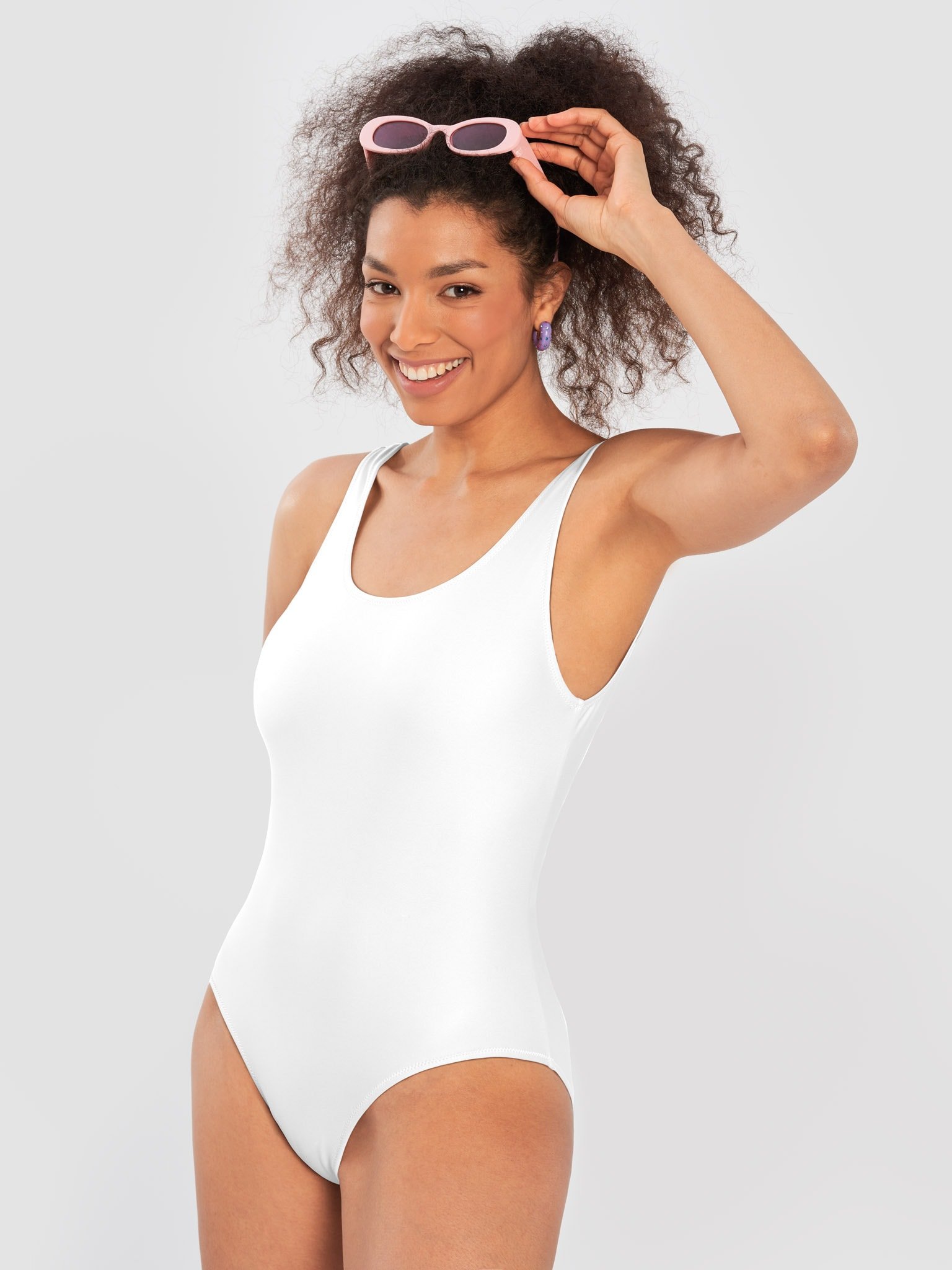
Private Label Swimwear Manufacturers
Private label swimwear manufacturers with a 100-piece-per-style MOQ, from fabric sourcing and fit samples to branded bulk packing. Request a custom quote.
Explore Category
Mens Cinch White Label Jeans
Men’s cinch white label jeans start at 100 pieces per style, with custom fit, denim washes, labels and packing managed in one workflow. Request a quote.
Explore Category
Private Label Wide Leg Jeans Supplier
Private label wide leg jeans supplier with a 100-piece-per-style MOQ, custom washes, fit development and branded trims. Request a tailored quote today.
Explore Category
Private Label Women Clothing
Private label women clothing starts at 100 pieces per style, with sampling, labels and packing managed in one workflow. Request a custom quote today.
Explore Category
Private Label Dress Manufacturers
Private label dress manufacturers with a 100-piece MOQ, custom fabrics, trims and packaging. Develop approved samples, then request a quote today.
Explore Category
Private Label Sportswear Manufacturers
Private label sportswear manufacturers with 100-piece-per-style MOQ for custom teamwear and performance collections. Request a custom quote today.
Explore Category
Private Label Underwear Manufacturers
Private label underwear manufacturers with a 100-piece-per-style MOQ, custom fabrics, fit development, labels and packaging. Request a custom quote today.
Explore CategoryPrivate Label Fashion Brand Clothing Supplier Since 2016
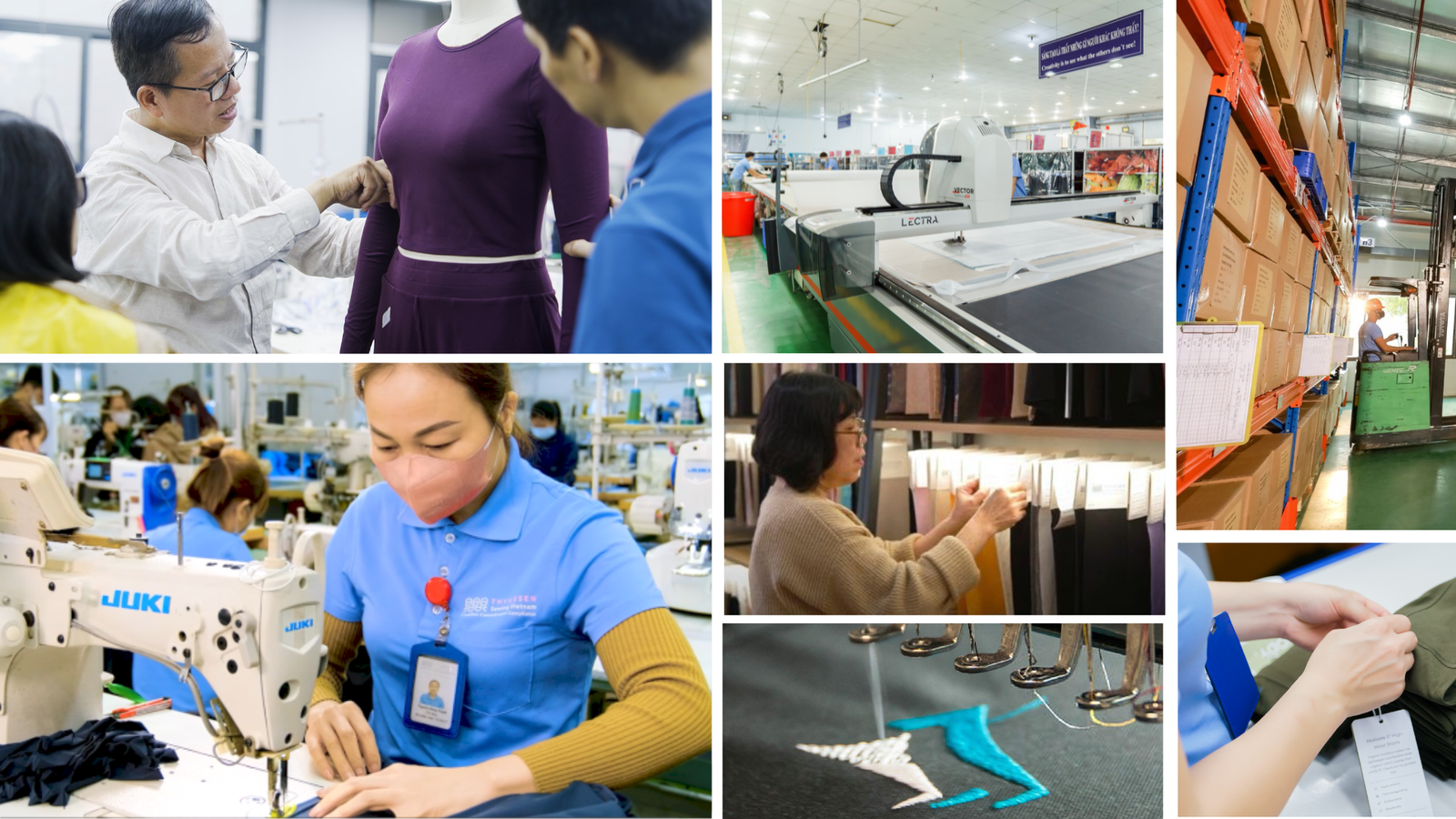
Founded in Dongguan in 2016 by ChangKeng Luo, VeeWen helps global menswear and streetwear brands turn clear concepts, reference images, sketches and tech packs into production-ready collections. As a private label fashion brand clothing supplier, we combine OEM, ODM and cut-and-sew development with direct, practical communication.
From fabric sourcing and pattern development to sampling, fit review, decoration testing and pre-production approval, one accountable team manages each program. Our 100-piece-per-style MOQ gives emerging labels a workable entry point while supporting repeatable specifications for future reorders.
VeeWen takes a production-first approach to every detail: garment weight, fit block, wash behavior, embroidery density, trims, labels and packaging. We coordinate bulk manufacturing, in-line inspections, final quality checks and shipment preparation so buyers receive documented decisions and packed goods ready for their next step.
Private Label Fashion Brand Clothing Supplier Capabilities
Fit Blocks Built for Reorders
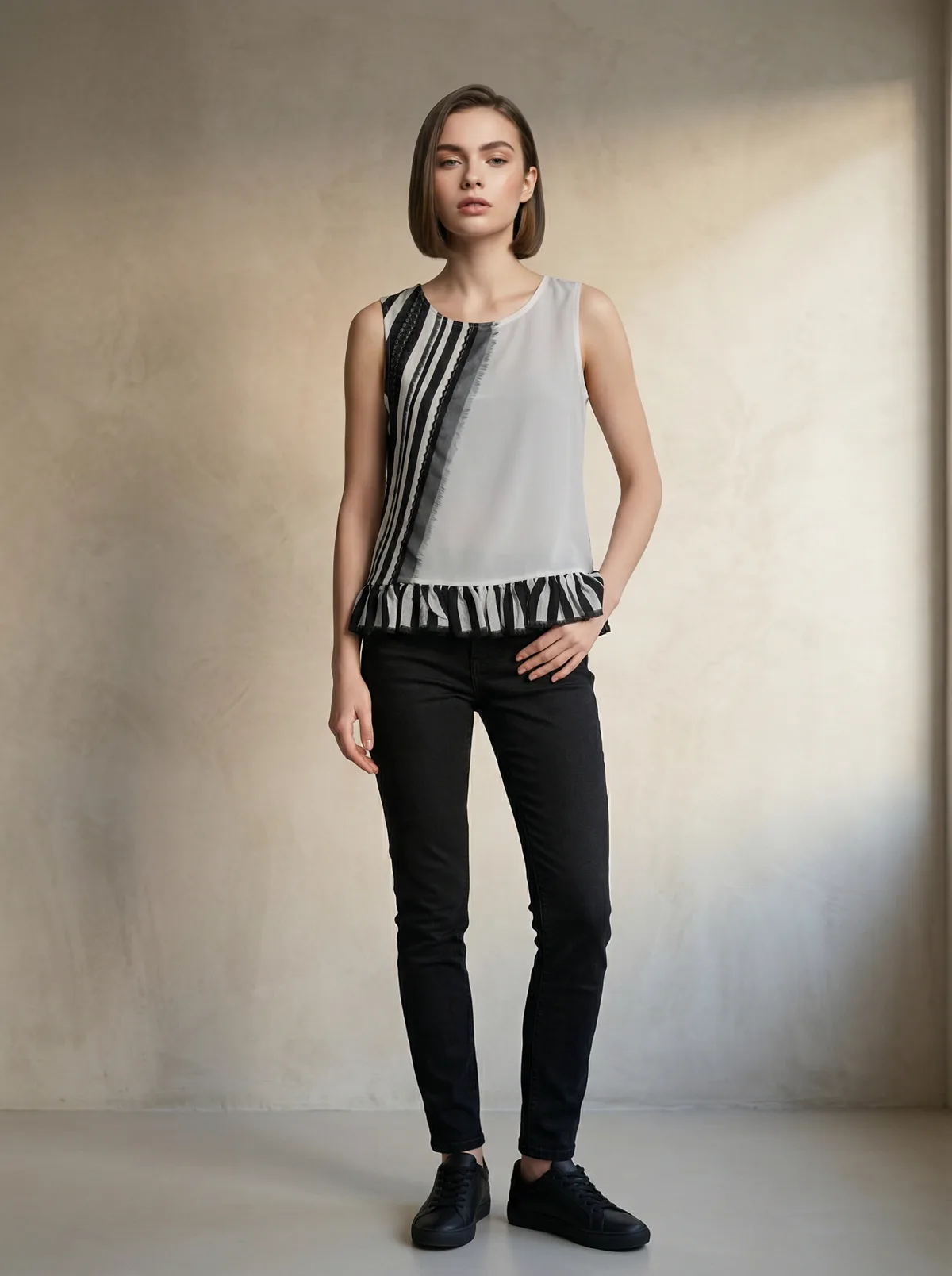
VeeWen turns your approved visual direction into practical fit blocks, patterns and graded measurements for consistent size runs. Discuss shoulder drop, body width, sleeve pitch, rise and inseam before sampling, so the collection is ready for repeatable bulk production.
- Pattern development from tech packs, sketches or reference samples
- Menswear and streetwear fit guidance for structured silhouettes
- Graded measurements documented after fit approval
- 100-piece-per-style MOQ for focused launches

Fabric and Wash Decisions
Fabric weight, composition and finishing determine structure, hand feel and long-term wear. VeeWen recommends materials and wash routes against your target price, silhouette and use case, while clarifying expected shrinkage, shade variation and surface character before bulk approval.
- Cotton jersey, French terry, fleece, denim and performance fabrics
- Recommendations matched to garment weight and end use
- Pigment, enzyme, acid, stone and vintage wash options
- Wash testing to review shrinkage and color variation
Branded Details Through Packaging
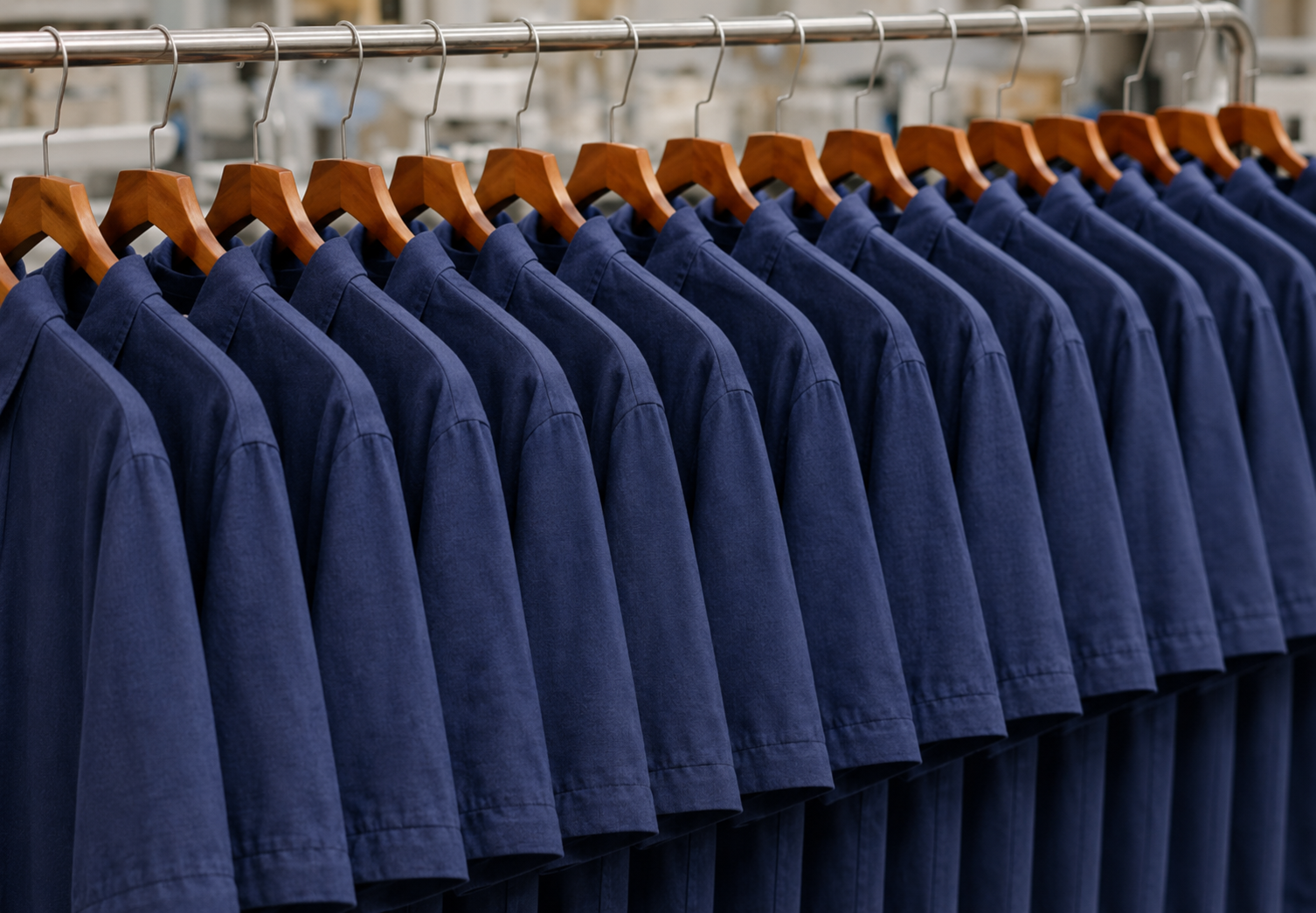
Private-label execution continues beyond the garment itself. Coordinate woven labels, care labels, hangtags, custom hardware and packaging as one specification set, helping each finished piece arrive retail-ready and recognizably yours without leaving critical trim decisions until the final stage.
- Brand, care and size-label coordination
- Custom zipper pulls, buttons, drawcords and patches
- Hangtags, polybags and packaging details
- Trim specifications reviewed before production confirmation

Decoration Tested Before Bulk
Printing, embroidery and special finishes are tested on the intended fabric before bulk manufacturing. This gives you a clear view of color, texture, drape and durability, while revealing production trade-offs such as embroidery density, print coverage or wash interaction early enough to adjust.
- Screen print, DTF, DTG, sublimation and specialty inks
- Flat, 3D, chenille and applique embroidery options
- Decoration tests on approved fabric and garment panels
- Pre-production approval before bulk manufacturing begins
Private Label Fashion Brand Clothing Supplier vs. OEM Manufacturing
Choose the route that fits your design readiness, branding needs, and 100-piece-per-style launch plan.
← Swipe left or right to view →
Private Label Fashion Brand Clothing Supplier Production Process
VeeWen turns approved ideas into production-ready menswear and streetwear collections through clear checkpoints, practical recommendations and accountable quality control.
Review Your Concept
Send a tech pack, sketch, reference sample, artwork or inspiration images. VeeWen clarifies fit, fabrics, decoration, trims, sizing and target order requirements.
Develop Materials and Samples
Our team recommends suitable materials, develops patterns and prepares samples. You review fit, measurements, hand feel, wash effects and branding details before approval.
Confirm Pre-Production Details
After sample approval, we confirm graded specifications, color standards, print or embroidery tests, labels, packaging and bulk production details for your 100-piece-per-style order.
Monitor Bulk Manufacturing
VeeWen manages cutting, sewing, decoration and finishing while conducting in-line inspections. Documented checkpoints help keep approved construction, measurements and workmanship on track.
Complete QC and Shipment
Final quality checks verify garments, labeling, packing and quantities before shipment coordination. Your private-label fashion brand clothing supplier delivers packed bulk goods ready for distribution.
How to Start With a Private Label Fashion Brand Clothing Supplier
Send the essentials, approve the sample, and move into controlled bulk production with one accountable VeeWen team.
Share Your Product Direction
Send a tech pack, sketches, reference samples, or inspiration images, plus your target quantity, customer profile, and intended launch timing.
Define Specifications Together
Confirm size range, fit block, fabric direction, garment weight, colors, print or embroidery details, wash effects, labels, and packaging requirements.
Review Your Development Sample
VeeWen develops patterns and samples for fit, construction, decoration, and material review. Approve revisions before pre-production details are locked.
Approve Bulk Production
After sample approval, confirm the 100-piece-per-style MOQ or higher quantity. VeeWen coordinates sourcing, manufacturing, inspections, packing, and shipment preparation.
Private Label Fashion Brand Clothing Supplier Results
VeeWen helped us turn two oversized tee concepts into production-ready styles with consistent shoulder drop and body width across six sizes. Both samples were approved after one fit revision, and our 240-piece launch arrived with every woven label and hangtag correctly matched.
Our vintage-wash hoodie program needed a specific faded black tone without losing rib recovery. VeeWen tested three wash directions, documented the shrinkage, and delivered 180 units within our approved measurements. The finished pieces matched the sample closely enough for our product photography and launch date.
We started with reference images and a 100-piece cargo pant order. The team clarified the rise, inseam, pocket construction, and silicone patch placement before sampling. Bulk goods passed our receiving check with no missing branded trims, which made our first private-label reorder much easier to plan.
Private Label Fashion Brand Clothing Supplier FAQs
Clear answers on VeeWen’s 100-piece MOQ, sampling, fabrics, branding, decoration and production workflow.
What is the MOQ for a private label fashion brand clothing supplier?
Can a private label fashion brand clothing supplier make my design from sketches or reference photos?
How do I choose fabrics with a private label fashion brand clothing supplier?
Can I combine screen printing, embroidery, patches and garment washes on one style?
What branding details can VeeWen add to private-label clothing?
How long does sampling and bulk production take?
What artwork files do I need for printing or embroidery?
Do I need to approve a sample before placing bulk production?
Private Label Fashion Brand Clothing Supplier: Complete Buyer’s Guide
Use this practical framework to compare supplier models, fabrics, customization, quality controls, MOQ and pricing—while avoiding sourcing mistakes that delay launches, erode margins, or compromise your brand’s product standards.
1. What Is a Private Label Fashion Brand Clothing Supplier?
100-piece programs are a practical entry point for a private label fashion brand clothing supplier: it converts a buyer’s concept into production-ready garments carrying that buyer’s labels, trims, packaging, and specifications. Unlike wholesale resale, the buyer owns the market positioning and product decisions rather than simply reselling a finished stock item.
OEM production follows the buyer’s tech pack; ODM adapts supplier-developed styles; full-package production can coordinate development through packed bulk goods. Emerging labels, retailers, teams, and e-commerce sellers benefit most when they can control fit, fabric, color, decoration, and branding while committing to a repeatable volume.
2. How Private Label Apparel Manufacturing Evolved
1990s apparel sourcing often ran through agents and seasonal purchase orders, leaving smaller labels with high minimums and limited factory contact. Global freight networks and online selling later let independent brands source across borders and test narrower product assortments.
2010s digital tech packs, measurement files, video fit reviews, and shared approval records made direct OEM and ODM collaboration practical. Streetwear’s faster drops also shifted demand from large, fixed runs toward repeatable development and quicker sampling.
100-piece style minimums now let buyers validate fit, fabric, wash, and decoration before scaling. A private label fashion brand clothing supplier is therefore expected to provide customization, documented material and approval checkpoints, and clear communication from sample through packed bulk goods.
3. Types of Private Label Fashion Brand Clothing Supplier
Supplier structure determines who owns the product, how far it can be changed, and where risk sits. Match the model to your launch window, budget, and need for repeatable specifications.
| Supplier Type | Design/Customization | MOQ, Speed, Cost | Best Fit |
|---|---|---|---|
| Ready-stock private label | Supplier design; labels only | Low; fastest; lowest | Quick test sellers |
| OEM cut-and-sew | Buyer-owned; deepest | Usually higher; slower; quote-driven | Brands with tech packs |
| ODM supplier | Shared base design; moderate | Medium; faster than OEM | Buyers adapting proven styles |
| Full-package provider | Buyer brief; end-to-end | Medium; coordinated; higher service cost | Lean teams needing accountability |
| Agent or trading company | Varies by factory | Flexible; added margin | Buyers needing local sourcing support |
Choose By Product Control
100-piece programs suit OEM or full-package development when fit, fabric, and branding matter. Ready-stock routes reduce lead time but rarely create a defensible product.
4. Fabrics From a Private Label Fashion Brand Clothing Supplier
Fabric weight and fiber content set the hand feel, silhouette, print clarity, wear life, and cost before sampling starts. A private label fashion brand clothing supplier should match construction to the garment’s end use.
| Fabric | Typical GSM | Best Use | Key Trade-Off |
|---|---|---|---|
| Cotton jersey | 160–220 | Tees | Soft hand; slower drying |
| French terry | 280–360 | Hoodies | Structured; less warmth |
| Fleece | 320–450 | Heavy hoodies | Warm; bulkier |
| Polyester blend | 140–220 | Activewear | Durable; less natural hand |
| Nylon | 90–180 | Outerwear | Light; coating affects breathability |
Core Fabric Choices

160–220 GSM ring-spun cotton jersey suits everyday tees and sharp screen prints; organic cotton follows the same use case with certified sourcing requirements. Cotton-poly blends dry faster and hold shape better, while polyester supports colorfast sportswear.
Warmth And Structure
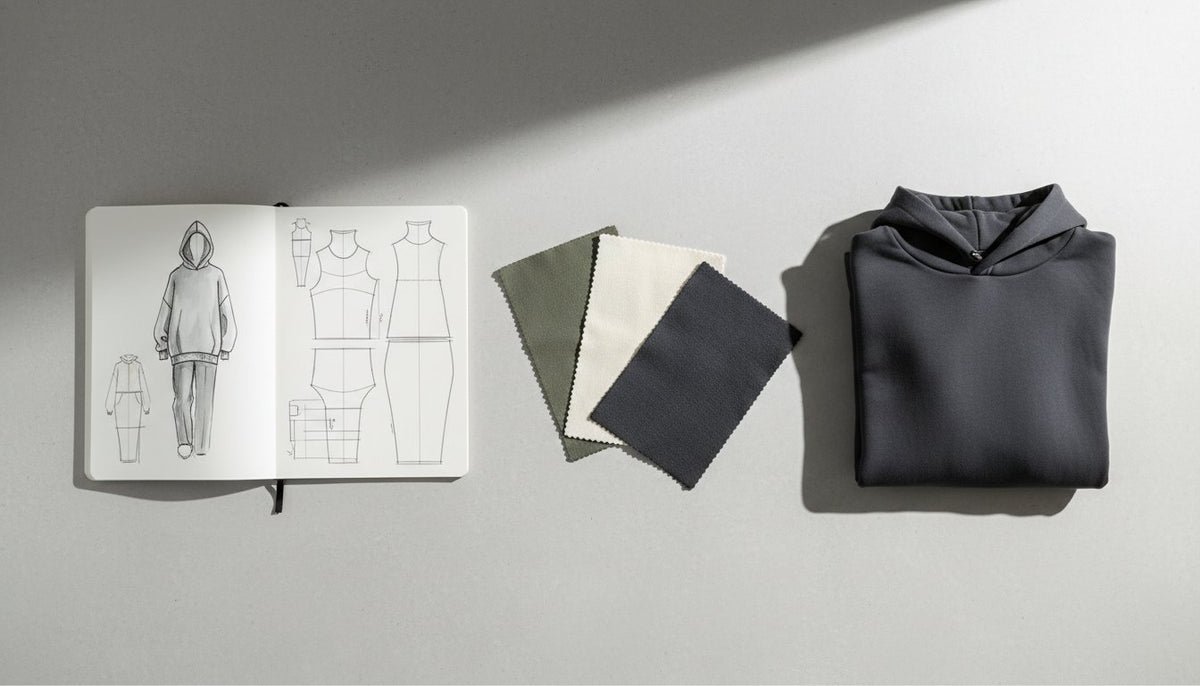
280–360 GSM French terry gives hoodies breathable loopback structure; 320–450 GSM brushed fleece adds warmth and a fuller hand. Both need shrinkage testing before grading and print placement approval.
Performance And Outerwear

90–180 GSM nylon and polyester performance fabrics suit windbreakers and activewear when stretch, moisture management, or abrasion resistance matters. Heavier coatings increase structure but can reduce breathability and raise cost.
5. Customization Options for Private Label Fashion Brand Clothing Supplier
VeeWen’s 100-piece MOQ can carry custom patterns, graded sizing, Pantone color, labels, hangtags, and polybags. Approved samples lock fit, shade, trims, and packing.
| Method | Artwork | Volume | Durability | Texture/Setup | Best Use |
|---|---|---|---|---|---|
| Embroidery | Simple-busy | 100+ | High | Raised/medium | Fleece |
| Screen Print | Simple | 100+ | High | Smooth/high | Tees |
| DTG | Detailed | Low | Medium | Soft/low | Cotton |
| DTF | Detailed | 100+ | High | Film/low | Blends |
| Heat Transfer | Simple | Low | Medium | Film/low | Jerseys |
| Patch | Simple | 100+ | High | Raised/medium | Outerwear |
Pattern And Color Control
One tech pack should specify measurements, grade rules, Pantone references, and wash target. Preproduction approval matters because dyeing can change shade and shrinkage.
Branding And Woven Details

Three files—logo, label layout, and hangtag dieline—reduce ambiguity. Approve woven labels, patches, care content, and packaging mockups before bulk.
Decoration Selection

Two approvals matter: production-ready art and a strike-off. Confirm placement, thread colors, print feel, and wash performance.
6. Construction Details That Signal Apparel Quality
Two garments at the same GSM can perform very differently. Inspect approved and pre-production samples against documented construction, measurements, and test requirements before releasing bulk.
Stitching And Reinforcement
8–12 SPI is common for knit seams; consistency matters more than a maximum count. Check seam allowance, bartacks at stress points, neck tape, and rib recovery after stretch.
Grading And Shrinkage
±1 cm body tolerance may suit tees, while graded chest, sleeve, rise, and inseam points need size-specific targets. Measure washed samples to confirm shrinkage control.
Trims And Bulk Inspection

10 zipper cycles can expose snagging, while trim attachment and Pantone shade need use checks. Require wash and rub colorfastness results plus AQL inspection criteria on bulk approval.
7. How to Choose a Private Label Fashion Brand Clothing Supplier
Compare suppliers against the same tech pack, quantities and delivery window. A private label fashion brand clothing supplier should be scored on execution risk, not its lowest quote.
| Criterion | Strong Evidence | Warning Sign |
|---|---|---|
| Specialization | Comparable garments | Generic portfolio |
| Sampling | Measured approval sample | Photos only |
| Lead Time | Written production plan | Unqualified promise |
Use A Weighted Scorecard
100-piece MOQ can suit a focused launch, but confirm fabric availability and color minimums before approving development.
- Relevant category specialization
- Approved sample and fit accuracy
- Communication response and design support
- QA, export experience, payment and lead-time clarity
Ask For Evidence
2 questions expose capability: Who approves the pre-production sample, and what happens when measurements fail inspection? Request comparable samples, inspection checkpoints and a written critical-path schedule.
- Ask which certifications apply to your fabric or factory
- Confirm deposit, balance and shipment terms
- Compare landed cost, defect risk and reorder consistency
Watch Warning Signs
1 vague quote is a warning sign when it omits fabric weight, decoration method, tolerance or packing. Reject suppliers who promise every category, rush sampling without review, or cannot explain capacity during peak season.
8. Common Private Label Sourcing Mistakes to Avoid
A 100-piece first order can become expensive when specifications remain informal. Treat each approval as a production record, then price the landed garment rather than the ex-factory quote.
Lock Specifications Before Sampling
One tech pack should state fabric, GSM, measurements, tolerances, artwork size, trims and packing. Approve a fit sample; a ±1–2 cm tolerance prevents disputes across sizes.
Approve Physical Production References
Pantone codes and lab dips beat screen colors, especially after pigment dye or washing. Test print, embroidery and wash samples before bulk; dense embroidery can change drape and shrinkage.
Plan Cost, Protection, And Reorders
Landed cost includes freight, duty, tax, inspection and packaging, not just unit price. Start with fewer custom trims, use NDAs and ownership clauses, and reserve fabric or reorder lead time before stock sells out.
9. Steps to Launch a Private Label Clothing Brand
A 100-piece first style works best when every decision is sequenced before money is committed. Build buffers into development and keep the approved sample as the production reference.
Define Customer And Brief
Week 1: lock customer, price point, fit block, color count, size range, target quantity, and delivery date. Convert references into measurable garment requirements.
Develop And Approve Samples
Weeks 2–5: send a tech pack to a shortlisted private label fashion brand clothing supplier, then approve fabric, Pantone color, trims, artwork, measurements, and wash result. Allow one revision buffer.
Control Bulk And Reorders
Weeks 6–12: sign off the pre-production sample, pay the agreed deposit, and inspect during sewing and before packing. Lock carton marks, shipment method, and reorder triggers from sell-through data.
10. Private Label Clothing Pricing, MOQ, and Lead Times
100 pieces is VeeWen’s standard MOQ per style; quoted costs should follow an approved specification, not a flat catalog price. Fabric type and GSM, construction, decoration, trims, order size, packaging, and freight all move the final landed cost.
7-15 days is a practical sampling window after materials and artwork are confirmed; bulk timing begins after sample approval. Heavyweight fabric, multi-location embroidery, washes, and custom hardware usually add cost or production time.
| Garment / Quantity | Illustrative unit price | Sample or setup | Typical bulk lead time |
|---|---|---|---|
| 180-220 GSM tee / 100 pcs | US$7-12 | US$80-180 sample | 20-30 days |
| 240-280 GSM oversized tee / 300 pcs | US$8-14 | US$100-220 sample | 25-35 days |
| 320-400 GSM hoodie / 100 pcs | US$18-32 | US$150-300 sample | 30-45 days |
| Cargo pants / 300 pcs | US$16-28 | US$150-280 sample | 30-45 days |
Build Your Private Label Fashion Brand Clothing Supplier Plan
Send your concept, artwork or tech pack for a custom quote, sample roadmap and bulk-production plan from VeeWen.