


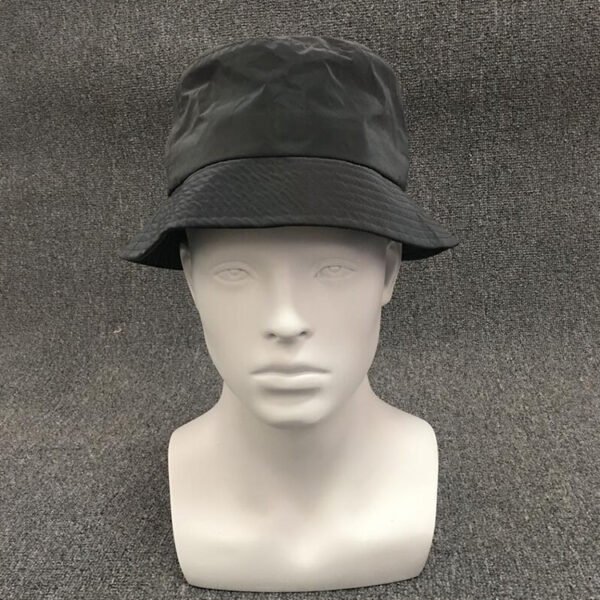



This custom unisex reflective bucket hat should be engineered from the edge inward. Binding width and stretch control govern comfort, retention, and brim stability, while the supplied evidence requires careful separation because the main image visibly depicts reflective cargo trousers rather than the named hat.
Binding Width Controls Pressure Around the Head
A bucket hat's binding is the contact interface between crown, brim, and wearer. Narrow binding can look crisp but concentrate pressure along the edge, while wider binding distributes force and may soften the silhouette or cover more visible brim structure.
Stretch must be calibrated with width rather than selected independently. Excess recovery can create a tight hat that leaves marks, while insufficient recovery allows movement during walking or dancing. The correct target is stable retention without continuous compression around the circumference.
Stretch Recovery Protects Shape During Movement
Unisex sizing introduces varied head circumferences, hair volumes, and wearing preferences. A binding that accommodates one measurement may relax unevenly across another, causing the brim to tilt or the crown to shift when the wearer looks sideways or bends forward.
Development should measure relaxed circumference, extended circumference, and post-extension recovery. These checkpoints reveal whether the binding returns smoothly or develops ripples. The brim must remain level enough to support the intended silhouette after repeated adjustment by different users.
Reflective Intent Requires Edge and Surface Coordination
The source wording identifies a reflective bucket hat and associates it with outdoor, rave, and streetwear contexts. Those uses make visibility and visual impact relevant, but the supplied main image does not show the hat or confirm reflective tape, print, piping, or placement.
Any reflective element near the binding can change stiffness, thickness, and stretch. Placement should therefore be reviewed beside the edge seam, not added after the fit is approved. Buyers need a physical sample to confirm visibility, comfort, and clean transitions.
VeeWen Workflow Is Built Around Binding Trials
VeeWen's development brief should define the binding width, target stretch range, relaxed circumference, and acceptable edge pressure before finalizing artwork. A small set of binding constructions can then isolate whether fit changes come from width, elastic content, seam allowance, or attachment tension.
The sample review should include static fitting and movement checks, followed by visual inspection of the brim. Record where the binding rolls, twists, or exposes uneven seam allowance. This evidence gives pattern and sewing teams a precise revision path.
Brim Stability Creates a Practical Trade-Off
A firmer brim can preserve a stronger bucket shape and help reflective details sit predictably, but it may reduce packability and feel less natural against the head. A softer brim improves casual comfort, yet can collapse when the wearer moves or stores the hat.
Binding width can moderate that trade-off by stabilizing the perimeter without making the entire brim rigid. The approved combination should reflect the buyer's channel: active outdoor use, nightlife styling, or everyday accessory wear may require different priorities.
Approve Fit Before Decorative Execution
The key approval checkpoint is a fitted sample showing the binding at relaxed and extended states. Reviewers should check circumference tolerance, edge pressure, recovery, brim level, crown alignment, and whether any reflective treatment interferes with stretch or seam comfort.
Because the supplied main image is mismatched, the buyer should also approve a dedicated hat reference image or prototype before locking color and trim. This prevents unrelated trouser details from entering the accessory specification or production artwork.
Buyer Questions
Why is binding width important on a bucket hat?
Binding width distributes edge pressure, influences visual proportion, and affects how securely the hat sits across different head circumferences.
Is reflective construction confirmed by the image?
No. Reflective intent appears in the source wording, while the supplied image shows unrelated trousers. Exact reflective material, placement, and performance remain To Confirm.
What should the first sample test?
Test relaxed and extended circumference, recovery, edge pressure, brim level, crown alignment, and binding behavior during movement before approving decoration.
What is the commercial minimum?
The commercial minimum is MOQ: 100 pieces per style. Final hat dimensions, binding specifications, reflective details, and grading should follow sample approval.
Approve the Binding System
Share your target head circumference range, preferred binding feel, brim character, and reflective direction with VeeWen. The first sample review should focus on retention, recovery, and edge comfort.


Reviews
There are no reviews yet.