
Clothing Production for Designers, From Concept to Bulk
VeeWen turns menswear and streetwear ideas into production-ready collections with clothing production for designers from 100 pieces per style.
Featured Products for clothing production for designers Development







Related Product Catalogue and Quotation
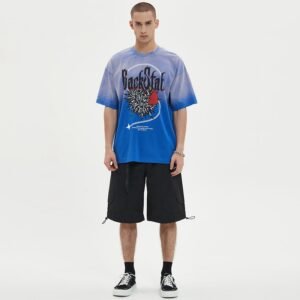

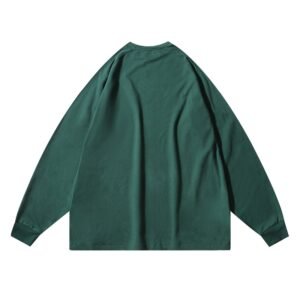


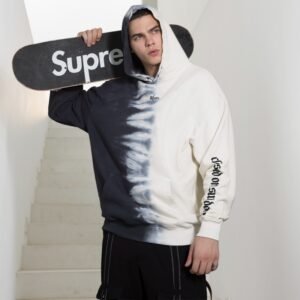


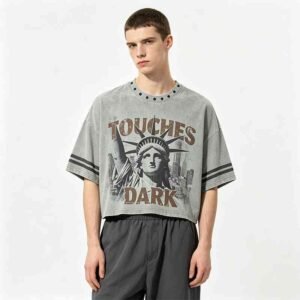
Clothing Production for Designers, Built for Brands
Production-focused support for emerging labels and B2B buyers, from first specifications through packed bulk goods.
100-Piece Style MOQ
Launch a focused drop with a standard minimum of 100 pieces per style, then build repeatable specifications for reorders.
Full-Category Development
Develop menswear and streetwear first, with flexible capability for complete men’s, women’s and kidswear collections under one production partner.
Practical Fit Guidance
Translate your visual direction into consistent size runs through practical discussions of fit blocks, shoulder drop, body width and graded measurements.
Materials Matched to Brief
Source fabrics around hand feel, garment weight, wash effect, performance needs, target price and intended end use.
Decoration With Direction
Choose printing, embroidery, washes, trims and labels with clear guidance on drape, shrinkage, shade variation and production timing.
Documented Production Checkpoints
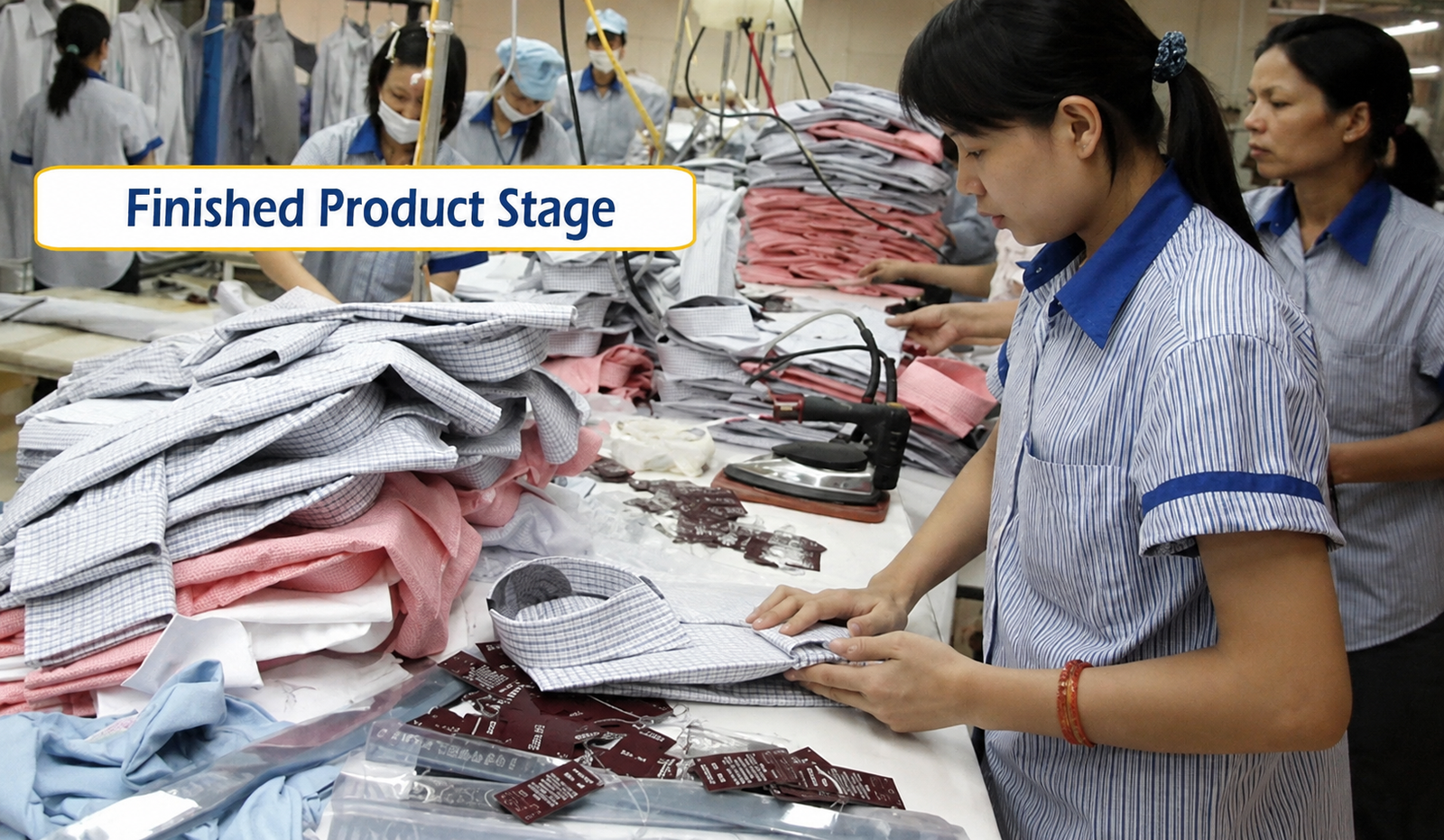
Approve samples and pre-production details with defined in-line inspection, final quality checks, packing review and shipment coordination.
Explore Solutions for Designers
Continue to every direct child page in this Studio architecture section.
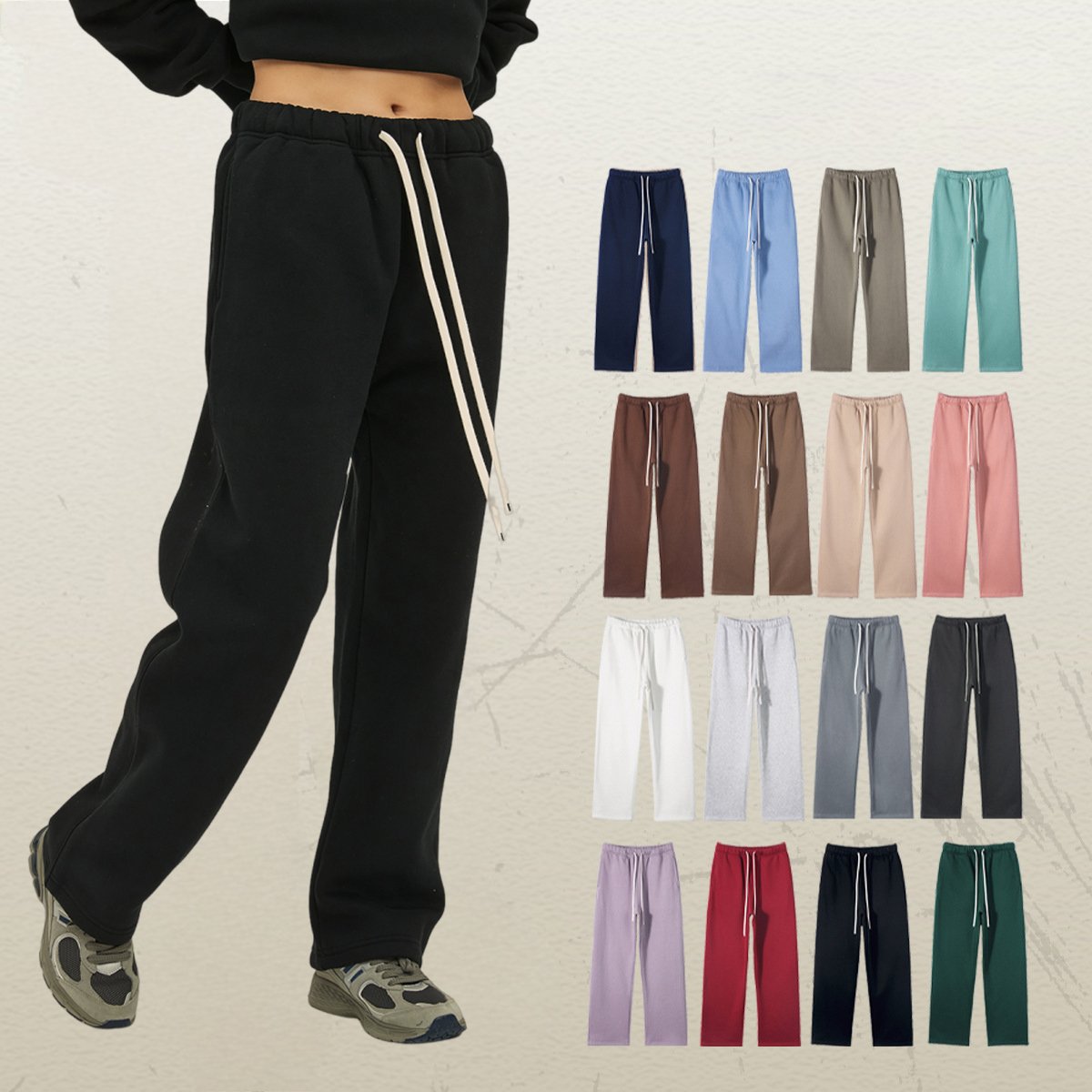
Designer Prototype Development
Clothing prototype development for designers starts at a 100-piece-per-style MOQ, with fit, fabrics and trims aligned before bulk production. Request a quote.
Explore Category
Pattern & Fit Development for Designers
Pattern and fit development for designers starts at 100 pieces per style, with sampling, grading and fit review in one workflow. Request a custom quote today.
Explore Category
Fabric Sourcing for Independent Designers
Fabric sourcing for independent designers starts at 100 pieces per style, with material guidance, sampling and OEM production. Request a custom quote today.
Explore Category
Design-to-Production Handoff
Clothing design to production handoff with OEM development from 100 pieces per style. Align fabrics, fits, trims, sampling and QC—request a custom quote today.
Explore CategoryMaterials for Clothing Production for Designers
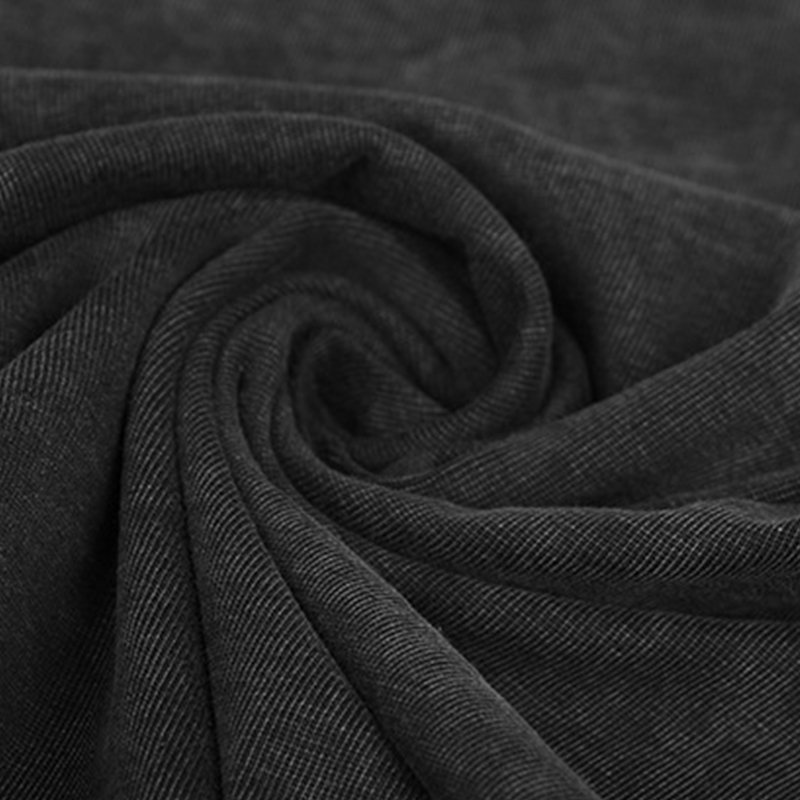
Heavyweight Cotton Jersey
A dense, structured knit with a dry-to-soft hand, ideal for oversized T-shirts, boxy tees and premium basics. Higher GSM improves shape retention and opacity, while adding weight and a more substantial drape.

French Terry Fleece
Loopback French terry delivers breathable comfort for hoodies, sweatshirts and coordinated sets. Its mid-to-heavyweight construction offers body without the full brushed warmth of fleece, making it practical for trans-seasonal streetwear programs.

Brushed Cotton Fleece
Soft brushed backing creates warmth and a plush hand for hoodies, joggers and winter layers. Heavier weights give garments stronger structure, but require controlled shrinkage testing before approving washed or garment-dyed bulk production.

Cotton Nylon Twill
A durable woven fabric for cargo pants, workwear, overshirts and lightweight outerwear. Cotton adds a natural hand feel, while nylon improves abrasion resistance and recovery for utility-focused garments with crisp, defined pockets.

Performance Stretch Blend
Polyester or nylon stretch blends suit activewear, jerseys and movement-driven uniforms. Moisture management, quick-dry performance and controlled stretch support training use, while fabric weight determines whether the result feels sleek, supportive or breathable.

Rigid Cotton Denim
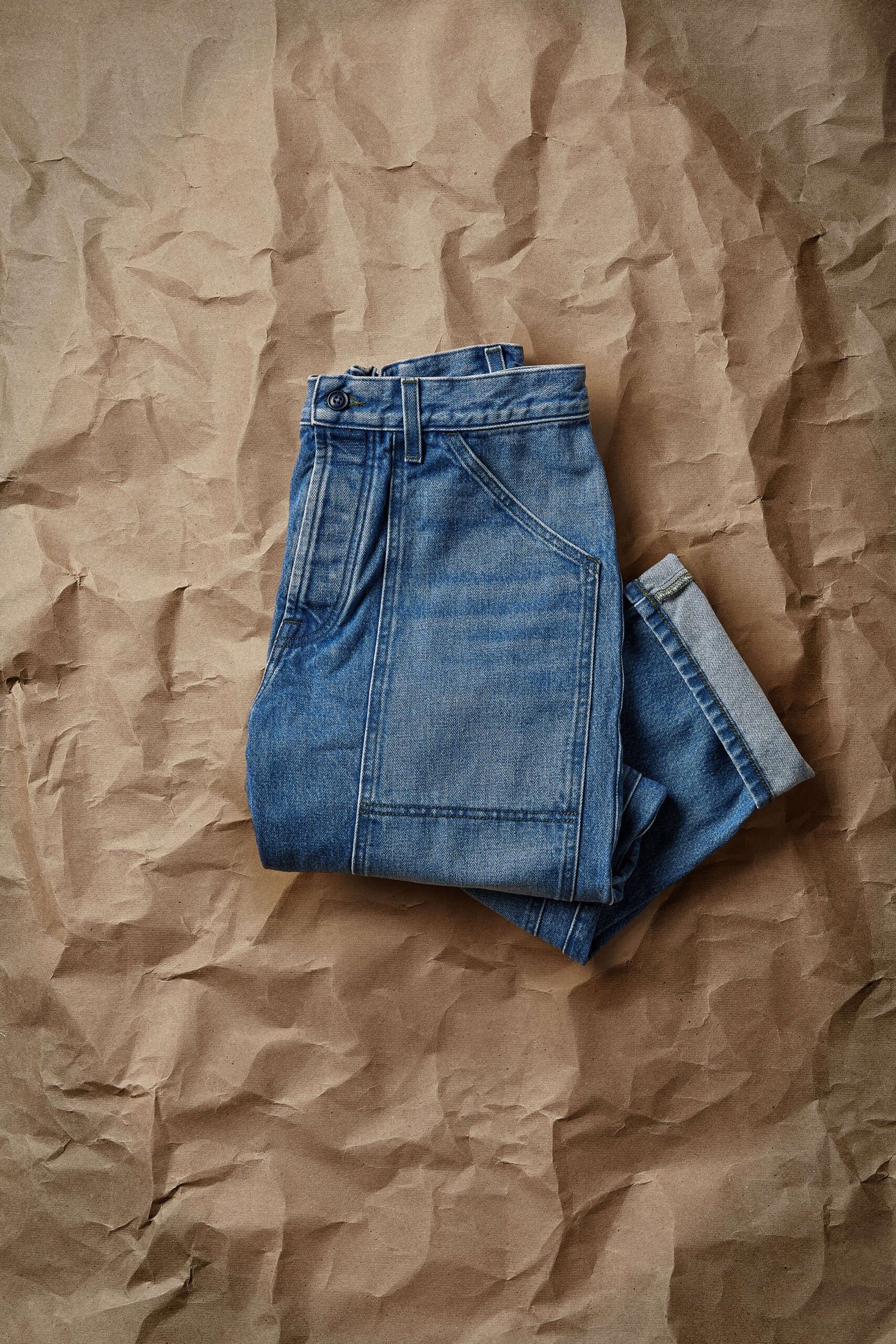
Structured cotton denim is suited to jeans, trucker jackets and washed streetwear pieces. Heavier ounces create a firmer silhouette and durable character, while enzyme, stone or acid washes introduce shade variation and softer wear-in.
Clothing Production for Designers: Decoration, Wash and Finishing Options
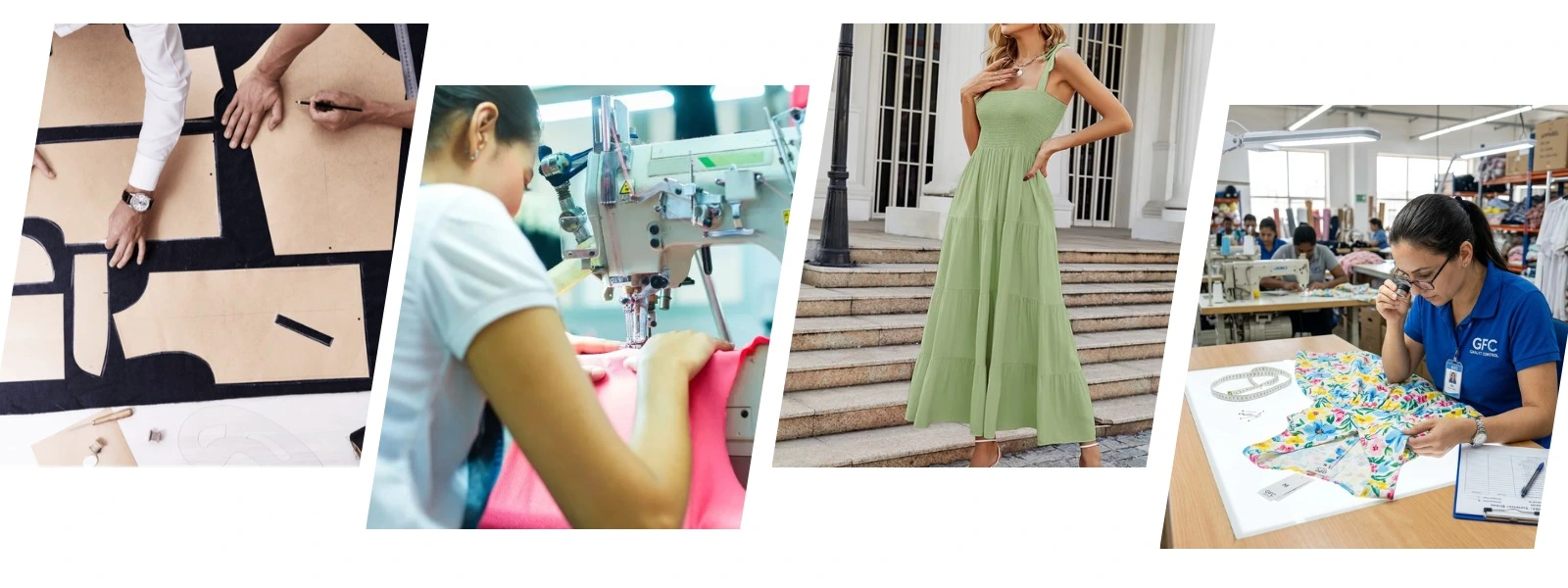
Screen Printing
Screen printing delivers strong, repeatable color coverage for graphics on tees, hoodies and fleece. Water-based, plastisol, puff and high-density inks create distinctly different hand feel, texture and wash durability.
Embroidery Details
Flat, 3D and chenille embroidery add dimension to logos, patches and statement graphics. Stitch density, backing and placement are reviewed to protect fabric drape, reduce puckering and maintain durable results.
Heat Transfer
Heat transfers, DTF and DTG support detailed artwork, gradients and smaller production runs. The best option depends on fabric composition, artwork complexity, desired finish and the balance between softness and durability.

Sublimation Printing
Sublimation permanently infuses full-color artwork into compatible polyester fabrics without adding surface weight. It is well suited to jerseys, activewear and all-over graphics where breathable performance and vivid color matter.

Garment Washing
Enzyme, pigment, acid, stone and snow washes build a worn-in or vintage character after construction. Wash development affects shrinkage, shade variation and hand feel, so approvals are confirmed through controlled samples.
Private-Label Trims for Clothing Production for Designers

Woven Brand Labels
Custom woven main labels, size tabs and care labels give each piece a clear brand identity. Specify placement, fold style, yarn color and label material to suit tees, hoodies, outerwear and complete collections.
Custom Hangtags
Hangtags communicate your brand story, sizing and product details at retail. VeeWen can coordinate paper stock, shapes, finishes, strings and attachment methods to match your collection’s price point and visual direction.

Zippers and Snaps
Select zipper pulls, coil or metal zippers, snap buttons and custom hardware for jackets, cargos, hoodies and workwear. Hardware choices affect durability, garment weight, function and the perceived quality of the finished piece.
Drawcords and Tipping
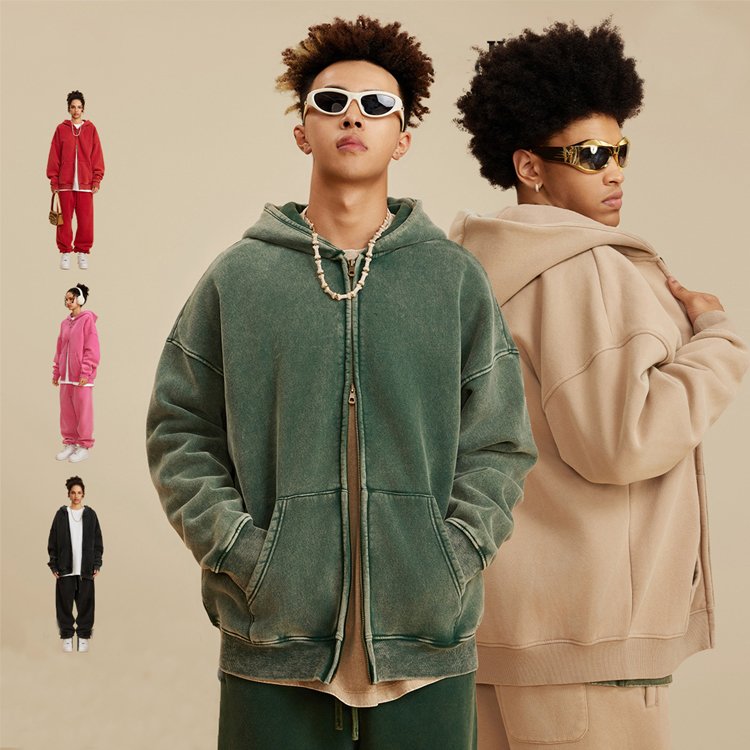
Custom drawcords, aglets and contrast tipping refine hoodies, joggers and shorts. Choose cord thickness, material, color and end finish carefully, as these details influence both daily wear performance and your garment’s streetwear character.

Custom Logo Patches
Rubber, silicone, woven, embroidered or chenille patches add a durable branded focal point to outerwear, caps, jerseys and bags. VeeWen helps match patch construction and attachment method to fabric weight and intended use.

Retail-Ready Packing
Coordinate polybags, size stickers, barcode labels, tissue paper and carton marking for organized delivery. Clear packing specifications help protect garments, simplify warehouse receiving and keep your private-label presentation consistent for e-commerce or wholesale.
VeeWen Clothing Production for Designers
Founded in Dongguan, China, in 2016 by ChangKeng Luo, VeeWen helps designers turn a product idea, sketch, reference sample or complete tech pack into production-ready apparel. Our primary focus is menswear and streetwear, with practical guidance that connects visual direction to fit, fabric, decoration and repeatable specifications.
We provide clothing production for designers through OEM, ODM, private-label and cut-and-sew services. From heavyweight tees and hoodies to denim, outerwear, jerseys and coordinated sets, our full-category supply chain also supports women’s, kids’ and specialty apparel programs with a standard 100-piece-per-style MOQ.
VeeWen stays accountable from fabric sourcing and pattern development through sampling, approved specifications, bulk production, quality checks, branded packaging and shipment coordination. We make recommendations in clear production terms, so you understand the trade-offs behind garment weight, wash effects, embroidery density, trims and production timing before bulk goods are packed.

Clothing Production for Designers That Protects Design Intent
Pattern and Fit Development
VeeWen turns your tech pack, sketch or reference garment into a workable fit block with graded measurements. We review shoulder drop, body width, sleeve pitch, rise and inseam before bulk production, so the approved silhouette can be repeated across your size run.
- Translate visual references into production-ready specifications
- Develop patterns and samples for fit review
- Confirm graded measurements before pre-production
- Flag construction trade-offs early

Materials and Decoration Testing
Fabric, wash and decoration choices are tested against the intended hand feel, structure and end use. We help balance garment weight, print coverage, embroidery density and wash effects so a strong concept still performs reliably during clothing production for designers.
- Match fabric weight to drape and structure
- Test print, embroidery and wash compatibility
- Review shrinkage, shade variation and surface effects
- Recommend options aligned with target pricing
Private-Label Details Executed
A collection feels complete when every branded detail follows the same brief. VeeWen coordinates woven labels, care labels, hangtags, zipper pulls, drawcords, patches, polybags and packing requirements alongside the garment, keeping private-label execution within one accountable workflow.
- Coordinate labels, tags and custom packaging
- Specify trims with approved samples or references
- Align branding details across multiple styles
- Keep packaging requirements documented

Documented Quality Checkpoints
Quality control is built around the approved sample and documented specifications, not assumptions. From pre-production confirmation through in-line inspection and final checks, VeeWen verifies construction, measurements, decoration and packing before coordinating shipment for your 100-piece-per-style or repeat order.
- Confirm pre-production details before bulk cutting
- Inspect key workmanship during production
- Check measurements, decoration and finishing
- Verify packing before shipment coordination
Clothing Production for Designers: Why VeeWen Stands Apart
A visual, specification-led workflow built to carry approved design intent through bulk production.
← Swipe left or right to view →
Clothing Production for Designers: Our Workflow
A clear, sample-led production sequence that keeps your specifications, approvals and delivery details aligned from first brief to packed bulk goods.
Clarify Your Production Brief
Share a tech pack, sketch, reference sample or idea. We confirm fit, materials, decoration, target pricing, quantities and private-label requirements before development begins.
Source Materials and Build Patterns
We recommend fabrics, trims and construction details for your intended hand feel, structure and end use, then develop patterns and graded measurements for review.
Sample, Fit and Approve
Review the development sample for fit, measurements, print or embroidery placement, wash effect and finishing. Revisions are resolved before pre-production confirmation.
Manufacture Your Bulk Order
After approval, VeeWen coordinates cutting, sewing, decoration and finishing for your production run, starting from the standard 100-piece-per-style MOQ.
Inspect, Pack and Ship
In-line inspections and final quality checks verify approved specifications before labels, hangtags, polybags and cartons are prepared for shipment coordination.
Start Clothing Production for Designers With VeeWen
Move from a first brief to approved bulk goods through a practical, documented development workflow.
Send Your Design Brief
Share a tech pack, sketch, reference sample, inspiration images, or initial idea. We clarify fit, fabric, decoration, trims, quantities, and target price.
Confirm Specifications and Quote
Review recommended materials, construction details, production options, 100-piece-per-style MOQ, and quotation. Clear trade-offs help align your design direction with manufacturability.
Develop and Review Samples
We create patterns and samples for fit, measurements, fabric hand feel, wash, and decoration review. Submit feedback until the production specifications are ready.
Approve Pre-Production Details
Confirm the final sample, graded measurements, labels, packaging, colors, and artwork before bulk production. This approved reference guides every documented production checkpoint.
Produce, Inspect and Ship
VeeWen coordinates bulk manufacturing, in-line inspection, final quality checks, packing, and shipment coordination so your collection arrives ready for your next sales channel.
Documented Standards for Buyer Review

Applicable material certificates and scope documents can be reviewed against the selected fabric and production order.

GOTS-related material and chain documentation is matched to the selected program and verified for current scope before use.

Current social-compliance audit documentation can be supplied for buyer review and onboarding when applicable.
Responsible-sourcing and audit records can be reviewed with the VeeWen team for the relevant factory and order scope.

Order-specific material declarations and test documentation are reviewed for applicable REACH requirements; this neutral icon denotes documentation rather than an official REACH certification logo.
What B2B Buyers Say About Clothing Production for Designers
VeeWen clarified our oversized tee block during sampling and achieved fit approval on the second round. The approved measurement sheet now supports repeat orders across 6 SKUs without redefining the fit every time.
We launched a 420-piece streetwear capsule with consistent pigment-dye color and properly placed woven labels. Their sample feedback was direct, which prevented a costly bulk revision and kept our delivery window intact.
Starting from sketches, VeeWen helped us set fabric weight, embroidery placement and graded measurements for three hoodies. The 100-piece-per-style MOQ let us test the collection before committing to a larger seasonal buy.
Clothing Production for Designers FAQ
Clear answers on MOQ, samples, timing, private labeling and shipment planning for your next collection.
What is the minimum order for clothing production for designers?
Can I start clothing production for designers with only sketches or reference images?
How does sampling work before bulk clothing production for designers?
How long do samples and bulk orders take?
What payment terms are available for a custom apparel order?
Can VeeWen arrange international shipping and export packing?
How do you protect my designs, artwork and private-label information?
Can I choose custom fabrics, washes, labels and packaging?
The Complete Buyer’s Guide to clothing production for designers
Use a practical decision framework to compare production models, materials, quality standards, supplier capabilities, costs, and launch steps—while avoiding sourcing mistakes that delay sampling, inflate landed costs, or weaken your brand.
1. What Is clothing production for designers?
2016 is when VeeWen began supporting clothing production for designers: turning a concept, sketch, tech pack, or reference sample into approved patterns, samples, bulk goods, quality checks, packed orders, and delivery. Each stage locks practical details such as measurements, fabric, trims, decoration, and tolerances before production scales.
100 pieces per style is VeeWen’s standard MOQ, unlike ready-made wholesale apparel where buyers select existing garments with limited changes. OEM suits brands with finished specifications; ODM helps emerging labels develop workable products; private-label service adds branded labels, hangtags, and packaging for retailers or corporate buyers.
2 approvals matter most: the fit sample confirms wearability, and the pre-production sample becomes the bulk reference. In-line inspection and final checks then compare garments against the approved specification before shipment.
2. How Designer Apparel Production Evolved
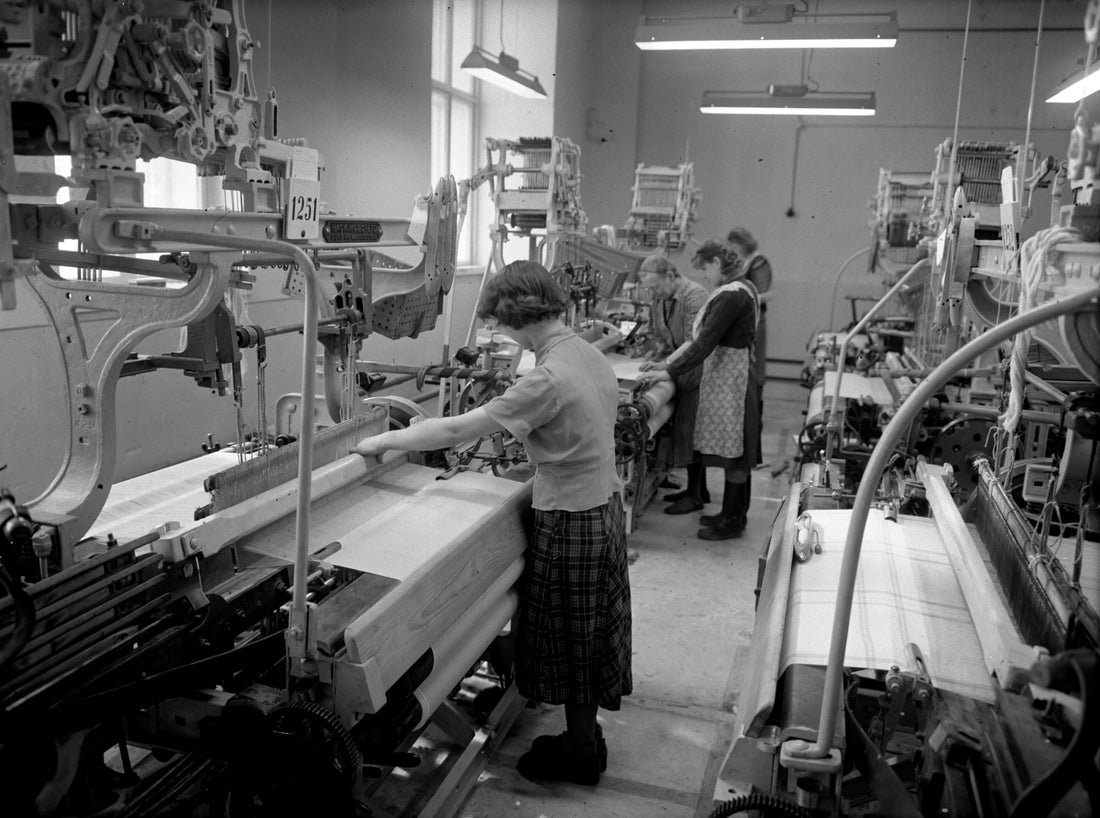
Before the 2000s, independent labels commonly relied on local cut-and-sew workshops, with limited fabric choices and production runs often measured in several hundred pieces. Overseas sourcing broadened access to specialized mills, denim laundries, embroidery, and streetwear-ready construction.
By the 2010s, tech packs, Pantone references, measurement charts, and video fit reviews made remote development practical. A digital sample cycle lets designers revise shoulder drop, body width, wash effect, and artwork before approving bulk.
Today, 100-piece MOQs allow a focused menswear or streetwear drop to test demand without committing to deep inventory. Direct factory access also makes recycled blends, organic cotton, and traceability requests part of the same development conversation—provided samples and specifications are approved clearly.
3. Types of clothing production for designers
Production routes trade creative control against development time and minimums. Match the route to your specification readiness, launch speed, and ownership requirements.
| Route | Control | Support | Speed/MOQ | Best For |
|---|---|---|---|---|
| OEM cut-and-sew | High | Patterns and samples | Slower; often 100+ | Tech-pack-ready labels |
| ODM customization | Medium | Existing blocks | Fast; usually lower | Speed-focused brands |
| Private label | Low | Branding only | Fast; stock MOQ | Retail tests |
| Full package | High | End-to-end sourcing | Moderate; 100+ | New collections |
| Made-to-order | High | Limited scale support | Slow; low volume | Niche validation |
Route Comparison
100-piece runs suit focused launches, while stock-based options move faster. Confirm ownership of patterns, artwork, and graded files before sampling.
4. Materials for clothing production for designers
Fabric selection starts with the wearer, climate and price target. For clothing production for designers, approve composition and performance before committing to color or trims.
| Material | Typical GSM | Strengths | Limitations | Best Uses |
|---|---|---|---|---|
| Cotton jersey | 180–240 | Soft, breathable | Can shrink | T-shirts |
| French terry | 280–360 | Structured warmth | Slower drying | Hoodies |
| Polyester blend | 160–260 | Durable, quick-dry | Less natural hand | Activewear |
| Cotton twill | 220–320 | Hardwearing | Stiffer drape | Cargos |
Match Fabric To Product

180–240 GSM cotton jersey suits tees; 300–450 GSM fleece adds winter structure. Polyester blends improve drying and abrasion resistance, while twill and poplin suit woven shirts, cargos and uniforms.
Control Production Risk
3–5% shrinkage can change graded fit after washing. Test wash shrinkage, pilling, colorfastness and stretch recovery; request OEKO-TEX or GOTS documentation when the supplied material supports it.
5. Customization and Decoration Options
At VeeWen, decoration is specified alongside fabric, fit, and wash—not added after sampling. For clothing production for designers, artwork complexity and 100-piece MOQ should guide the method.
| Method | Effect | Setup | Durability | Best Fit | Cost Driver |
|---|---|---|---|---|---|
| Screen print | Opaque, graphic | Screens | High | 100+ pieces | Color count |
| DTG | Fine detail | Minimal | Medium | Small placements | Ink coverage |
| DTF/transfer | Sharp, flexible | Minimal | Medium-high | Low-volume variants | Print area |
| Embroidery | Textured, premium | Digitizing | High | Logos | Stitch count |
| Patches/appliqué | Layered, tactile | Sampling | High | Statement pieces | Labor and materials |
Branding Components

Custom patterns, Pantone dyeing, woven labels, hangtags, and branded polybags create a coherent retail identity. Dye and wash approvals are essential because shade and shrinkage can vary by fabric lot.
Match Method To Artwork

Screen print suits bold repeat graphics; DTG suits detailed multicolor art; DTF and heat transfer suit small runs or variable designs. Embroidery, patches, and appliqué add dimension but can stiffen lightweight fabrics.
6. Construction Quality That Protects Your Brand
A sealed pre-production sample is the bulk reference, not a formality. Set measurable checkpoints before cutting so fit, finish, and branded details remain repeatable.
Stitching And Reinforcement
8–12 stitches per inch is typical for many knit seams; confirm it suits the fabric and seam type.
Bar-tacks at pocket corners, crotches, and stress points prevent premature failures.
Fit And Wash Control
±1 cm tolerances at key measurements give inspectors a pass/fail standard across the size run.
Three wash cycles reveal shrinkage, twist, rib recovery, shade movement, and fabric-weight inconsistency.
Approval Through Final Inspection
100% alignment against approved placement artwork keeps prints, labels, embroidery, and trims where customers expect them.
A final inspection should compare packed goods to the sealed sample, protecting repeat-order fit consistency and reducing returns.
7. Choosing clothing production for designers Partners
Choose partners by evidence, not a capability list. For clothing production for designers, compare the factory’s closest category sample, response quality, quote detail, and export-ready process before placing bulk.
Ask For Comparable Samples
100-piece MOQ flexibility matters only if the sample matches your fit block, fabric weight, print, wash, and trim requirements.
2 checks reveal execution: measure graded points against the tech pack and inspect seam consistency, shrinkage, shade variation, and decoration registration.
- Which streetwear or menswear styles do you make routinely?
- Can you support tech-pack clarification and pattern revisions?
- What is included and excluded in the quotation?
Verify Production Controls
2 lead-time questions matter: sample turnaround and bulk window after PP approval. Ask how in-line and final inspections are documented, and request references from comparable export markets.
1 credible partner states actual capacity, accepted certifications such as BSCI or WRAP where applicable, and risks affecting delivery rather than promising everything.
- Who owns communication in English?
- How are defects corrected before packing?
- Can export documents and labeling be coordinated?
8. Common Designer Production Mistakes
At a 100-piece MOQ, one unclear decision can turn a test drop into stranded inventory. Preventable mistakes usually surface after sampling, decoration, or landed-cost calculations—not at the sketch stage.
Specify Before Sampling
One-page tech packs without graded measurements, tolerances, seam details, or Pantone references invite interpretation.
One fit round is rarely enough; approve a measured sample and record revisions before bulk.
Validate Cost And Material
Fabric photos cannot confirm GSM, shrinkage, hand feel, or color under production lighting.
Request swatches, test washes, and a landed-cost estimate including freight, duties, trims, and packaging.
Control Scale And Rights
100 pieces per style is safer than over-ordering an untested fit, wash, or graphic.
Confirm artwork ownership, decoration limits, strike-offs, and written approval rights before production.
9. Steps to Launch a Clothing Brand
Start 16–24 weeks before launch. Define customer, price band, channel, and a tight first assortment so product, campaign, and ecommerce deadlines share one critical path.
Plan And Document
Week 1–2: build a line plan with styles, colors, sizes, target margin, and 100-piece MOQ. Send factories a tech pack, graded measurements, Pantone references, BOM, and delivery date; compare feasibility before quoting.
Develop And Approve
Weeks 3–8: choose fabric by GSM, hand feel, shrinkage, and decoration limits, then approve a sample. Gate bulk only after fit, wash, artwork, trims, and packaging are signed off in writing.
Deliver And Reorder
Weeks 9–16: use in-line checks, final inspection, carton marks, and shipping documents to protect the launch date. Reserve freight early, photograph approved goods, and record sell-through, defects, and reorder lead time.
10. Clothing Production Pricing and Costs
100-piece orders spread pattern, sample, and print-screen setup across fewer units; fabric, trims, labor, packaging, quality control, freight, and import duties still vary by specification. A 280 GSM French-terry hoodie with embroidery and garment wash costs differently from a plain jersey tee.
1 approved specification is the basis for a usable quote: quantity, size ratio, fabric composition and weight, colors, decoration, labels, packing, destination, and Incoterm. VeeWen can price development separately so buyers see recurring unit costs versus one-time setup.
| Quantity | Unit-price direction | Setup-cost impact | Typical production lead time |
|---|---|---|---|
| 100–299 | Highest | Most visible per unit | 3–5 weeks after approval |
| 300–999 | Lower | Spread wider | 4–6 weeks |
| 1,000+ | Lowest potential | Smallest per unit | 5–8 weeks |
Start Clothing Production for Designers With VeeWen
Send your tech pack, sketches or reference images for a custom quote covering sampling, bulk production and private-label details.