
Clothing Prototype Development for Designers, Ready for Bulk
VeeWen develops menswear and streetwear prototypes through OEM, ODM and private label services, with a 100-piece-per-style MOQ.
Featured Products for clothing prototype development for designers Development


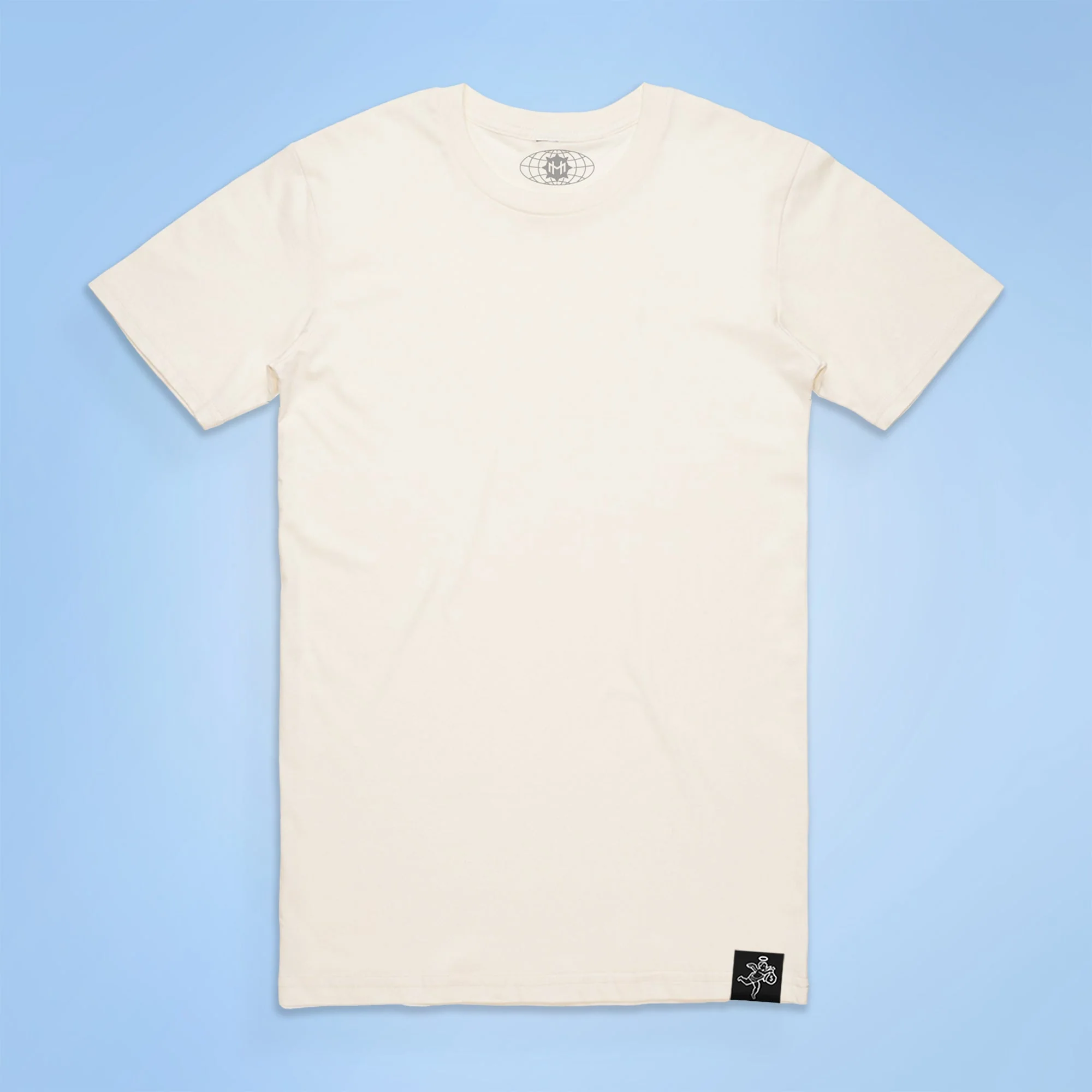
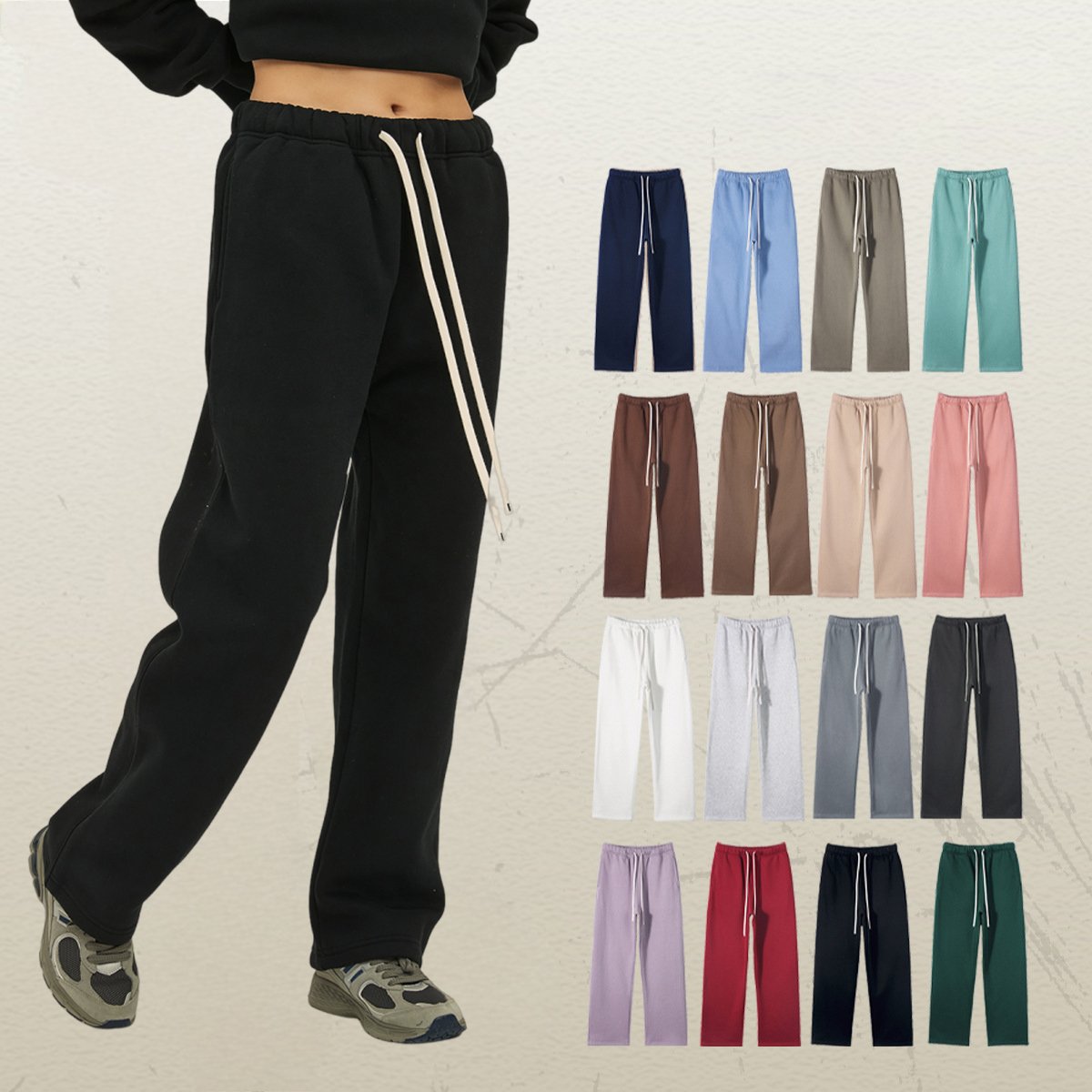




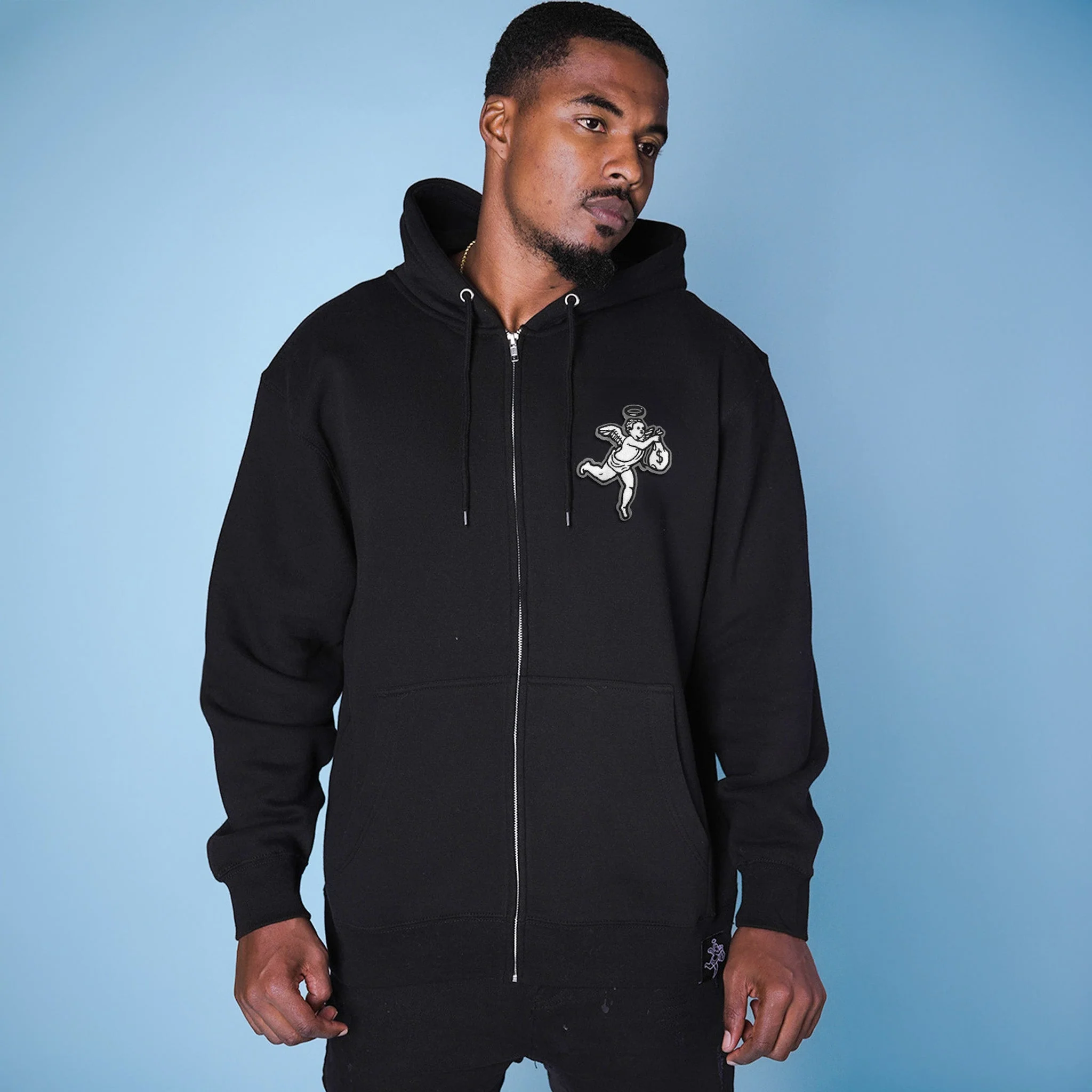
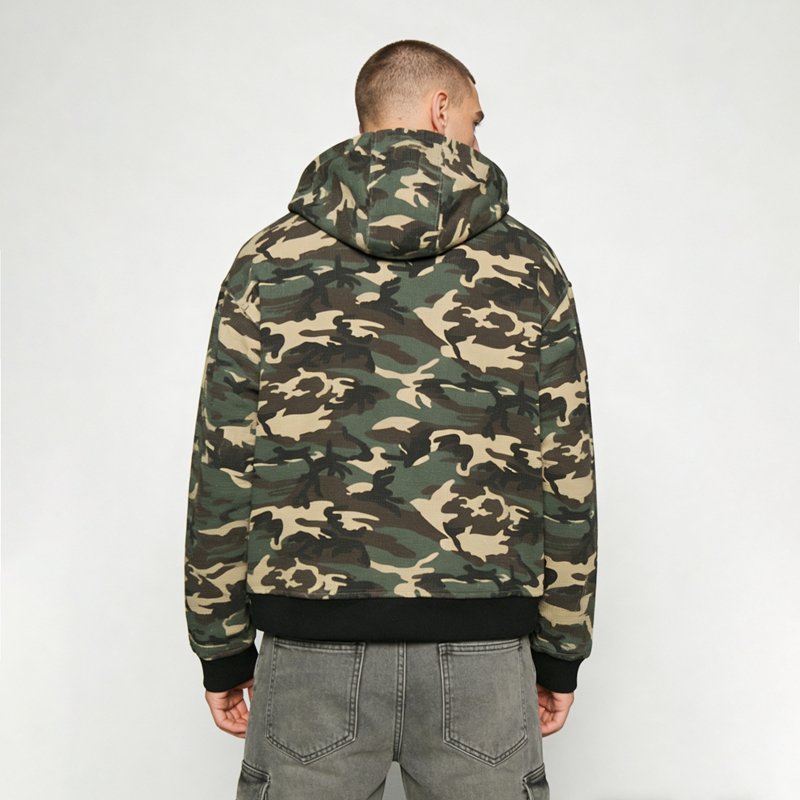

Clothing Prototype Development for Designers: Related Products & Quotes


Why Designers Develop With VeeWen
Production-minded prototype development that turns visual direction into approved, repeatable garment specifications.
Practical Fit Blocks
Discuss shoulder drop, body width, sleeve pitch, rise and graded measurements in clear garment terms before sampling begins.
100-Piece MOQ
Develop a focused drop from 100 pieces per style, giving emerging labels flexibility to test and refine proven specifications.
Material Guidance
Choose fabrics around hand feel, weight, structure, wash behavior, performance needs, target price and intended end use.
Decoration Testing
Test printing, embroidery, washes and trims during development to confirm appearance, drape, durability and production feasibility.
Documented Approvals
Use approved samples, fit feedback and pre-production confirmations to create clear checkpoints before bulk manufacturing moves forward.
One Accountable Workflow
Keep sourcing, sampling, quality checks, private-label packaging and shipment coordination aligned through one production-minded VeeWen team.
More Designer Prototype Development Options and Guides
Compare adjacent product categories, manufacturing options and practical buyer resources from the VeeWen architecture.
Solutions for Designers
Clothing production for designers starts from 100 pieces per style, with OEM, ODM, sampling and private-label support. Send your tech pack and request a quote.
Explore Category
Fabric Sourcing for Independent Designers
Fabric sourcing for independent designers starts at 100 pieces per style, with material guidance, sampling and OEM production. Request a custom quote today.
Explore Category
Design-to-Production Handoff
Clothing design to production handoff with OEM development from 100 pieces per style. Align fabrics, fits, trims, sampling and QC—request a custom quote today.
Explore CategoryPattern & Fit Development for Designers
Pattern and fit development for designers starts at 100 pieces per style, with sampling, grading and fit review in one workflow. Request a custom quote today.
Explore Category
Custom Clothing Manufacturing
Custom clothing manufacturing from 100 pieces per style, with OEM, ODM, sampling and private-label finishing. Send your tech pack to request a quote.
Explore Category
Apparel Manufacturing Capabilities
Apparel manufacturing capabilities for OEM, ODM and private-label collections from 100 pieces per style, from sampling to packed bulk goods. Request a quote.
Explore Category
Apparel Manufacturing Solutions
Apparel manufacturing solutions with OEM, ODM and private-label production from 100 pieces per style. Send your tech pack and request a custom quote.
Explore Category
Apparel Manufacturing Guides
Apparel manufacturing guide for OEM, ODM and private-label buyers, with 100 pieces per style and end-to-end production support. Request a quote.
Read the GuideMaterials Matched to Fit, Hand Feel & End Use
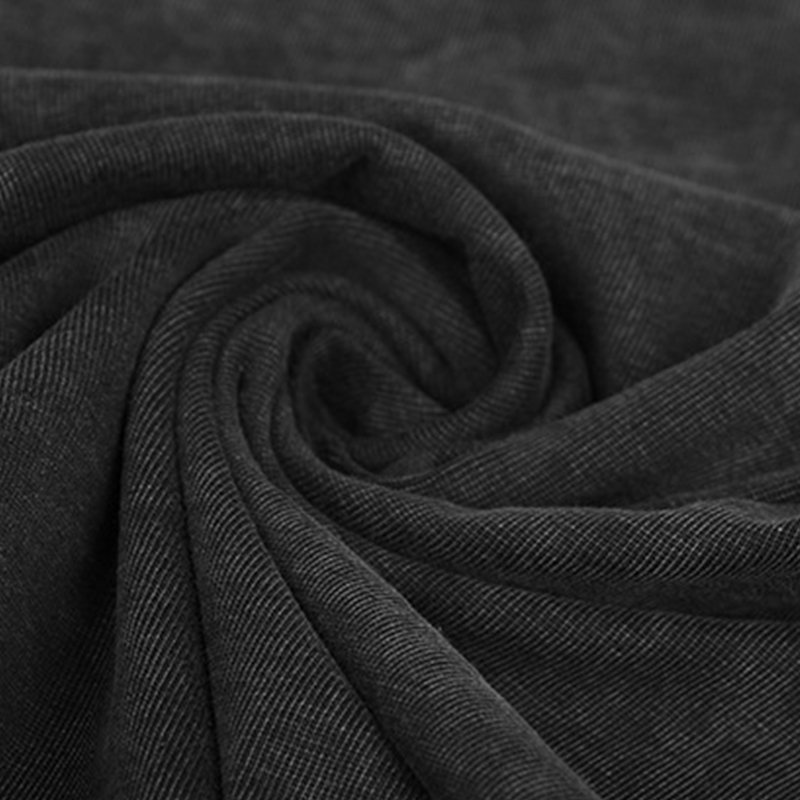
Heavyweight Cotton Jersey
Dense, dry-hand cotton jersey for boxy T-shirts, oversized tees and structured basics. Typically 240–320 gsm, it holds a clean shoulder line and body shape while providing dependable print coverage.

French Terry
Soft-faced knit with unbrushed loops inside, suited to hoodies, sweatshirts and coordinated sets. Mid-to-heavy weights offer breathable warmth, while rib selection and shrinkage testing help maintain cuff and hem recovery.
Brushed Fleece
Plush, insulating fleece for cold-weather hoodies, joggers and casual outer layers. Its brushed inner surface creates a fuller hand feel; heavier constructions add warmth but require wash testing for controlled shrinkage.

Cotton Twill
Durable woven cotton with a diagonal texture, ideal for cargo pants, workwear, overshirts and caps. Weight and weave density influence abrasion resistance, drape and how sharply pockets, seams and utility details hold.

Performance Nylon Blend
Smooth, lightweight technical fabric for windbreakers, activewear and utility outerwear. Nylon blends offer strong tear resistance and quick-drying performance; stretch content and coating choice affect mobility, breathability and surface feel.
Clothing Prototype Development for Designers: Decoration & Finishing Tests

Screen Print
Test water-based, plastisol, puff or high-density inks on approved fabrics. Ink coverage, curing and artwork scale affect hand feel, stretch recovery and durability, so samples help confirm the right balance before bulk production.
Embroidery Application
Evaluate flat, 3D, chenille or applique embroidery for stitch definition and garment drape. Thread density, backing choice and placement are checked during sampling to prevent puckering and keep the finished piece production-ready.
Heat Transfer
Compare DTF, heat-transfer and reflective graphics for color clarity, edge detail and adhesion. Prototype testing confirms how the transfer performs on the selected fabric, especially across stretch panels, seams and repeated washing.

Garment Wash
Develop pigment dye, enzyme wash, acid wash or vintage fading with controlled sample trials. Washes can change shade, shrinkage, seam appearance and fabric hand, making approval essential for repeatable production expectations.
Patch Finishing
Test woven labels, rubber patches, silicone badges or embroidered patches against the garment’s structure. Attachment method and placement influence flexibility, durability and surface appearance, particularly on heavyweight streetwear and outerwear.
Private-Label Trims & Packaging for Clothing Prototype Development for Designers

Woven Brand Labels
Add woven main labels, size tabs and care labels to establish a consistent brand identity. VeeWen coordinates placement, fold style and material choice during sampling so label details are approved before bulk production.


Zippers And Buttons
Choose zippers, snap buttons, shank buttons or branded hardware suited to the garment’s function and visual direction. Prototype testing confirms finish, puller style, attachment strength and compatibility with the fabric weight.

Drawcords And Tips
Specify drawcord material, thickness, length, color and tipped ends for hoodies, joggers and waist-adjustable styles. These details help define the garment’s finish while keeping fit adjustment and production specifications consistent.

Custom Logo Patches
Use rubber, silicone, woven, embroidered or applique patches to add a recognizable branded accent. VeeWen reviews patch size, placement and attachment method because density and backing can affect drape and durability.
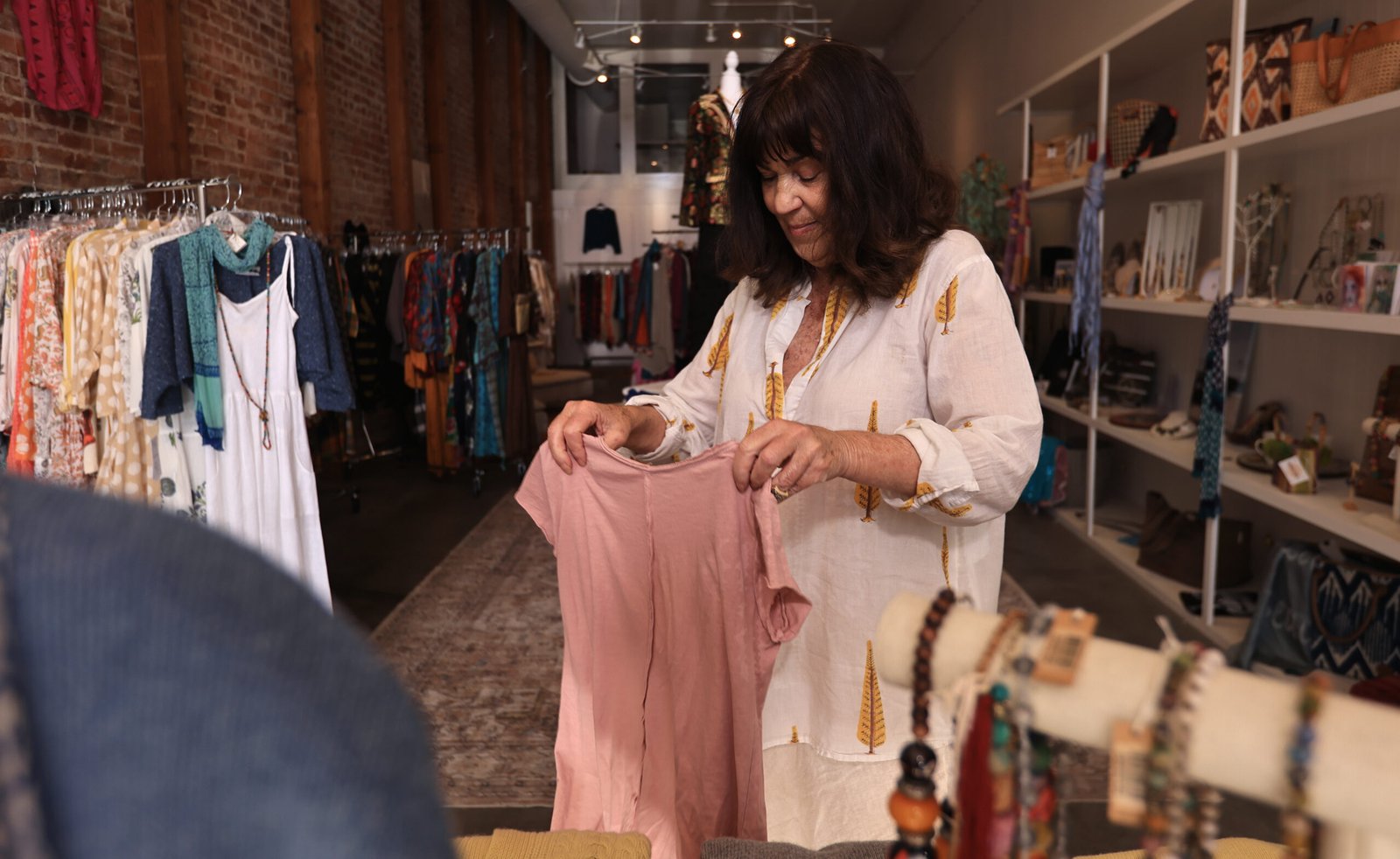
Retail-Ready Packaging
Complete the program with branded polybags, barcode stickers, tissue paper, carton marks and other packing details. Clear packaging specifications help protect finished goods, support fulfillment and keep presentation consistent across your order.
About VeeWen, Your China Development Partner
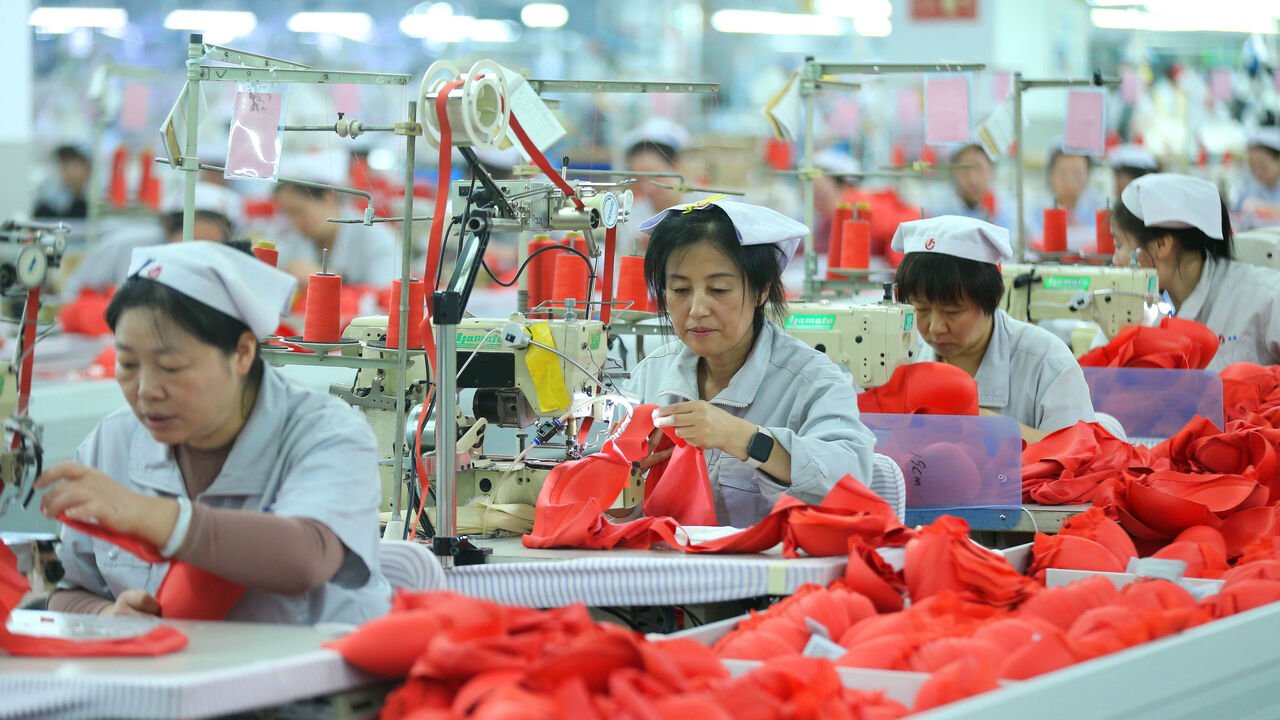
Founded in Dongguan in 2016 by ChangKeng Luo, VeeWen was built to help brands turn visual direction into garments ready for repeatable production. Our lead focus is menswear and streetwear, with practical development support for designers starting from a tech pack, sketch, reference sample or early product idea.
For clothing prototype development for designers, we connect design clarification, fabric sourcing, pattern work, sampling, fit review, decoration testing and pre-production approval in one accountable workflow. From heavyweight tees and hoodies to denim, outerwear and coordinated sets, every detail is developed with the next production stage in mind.
VeeWen supports OEM, ODM, private-label and cut-and-sew programs across men’s, women’s and kids’ apparel, with a standard MOQ of 100 pieces per style. Clear specifications, approved samples, quality checkpoints, branded packaging and direct communication help buyers move confidently from prototype through packed bulk goods.
Clothing Prototype Development for Designers, Built for Production
Clarify the Design Direction
VeeWen turns tech packs, sketches, reference garments and inspiration images into clear production specifications. For menswear and streetwear programs, we discuss the intended fit block, silhouette, construction details and decoration placement before sampling begins.
- Review reference images, measurements and intended end use
- Define oversized, boxy, regular or tailored fit direction
- Confirm construction details before pattern work
- Flag production trade-offs early

Refine Pattern and Fit
A prototype must establish more than appearance; it must create a repeatable fit standard. VeeWen reviews body width, shoulder drop, sleeve pitch, rise, inseam, rib recovery and graded measurements so approved feedback can support consistent future size runs.
- Develop patterns around the agreed fit block
- Review sample measurements against target specifications
- Record fit comments for the next revision
- Prepare graded measurements for bulk readiness
Choose Fabrics and Trims
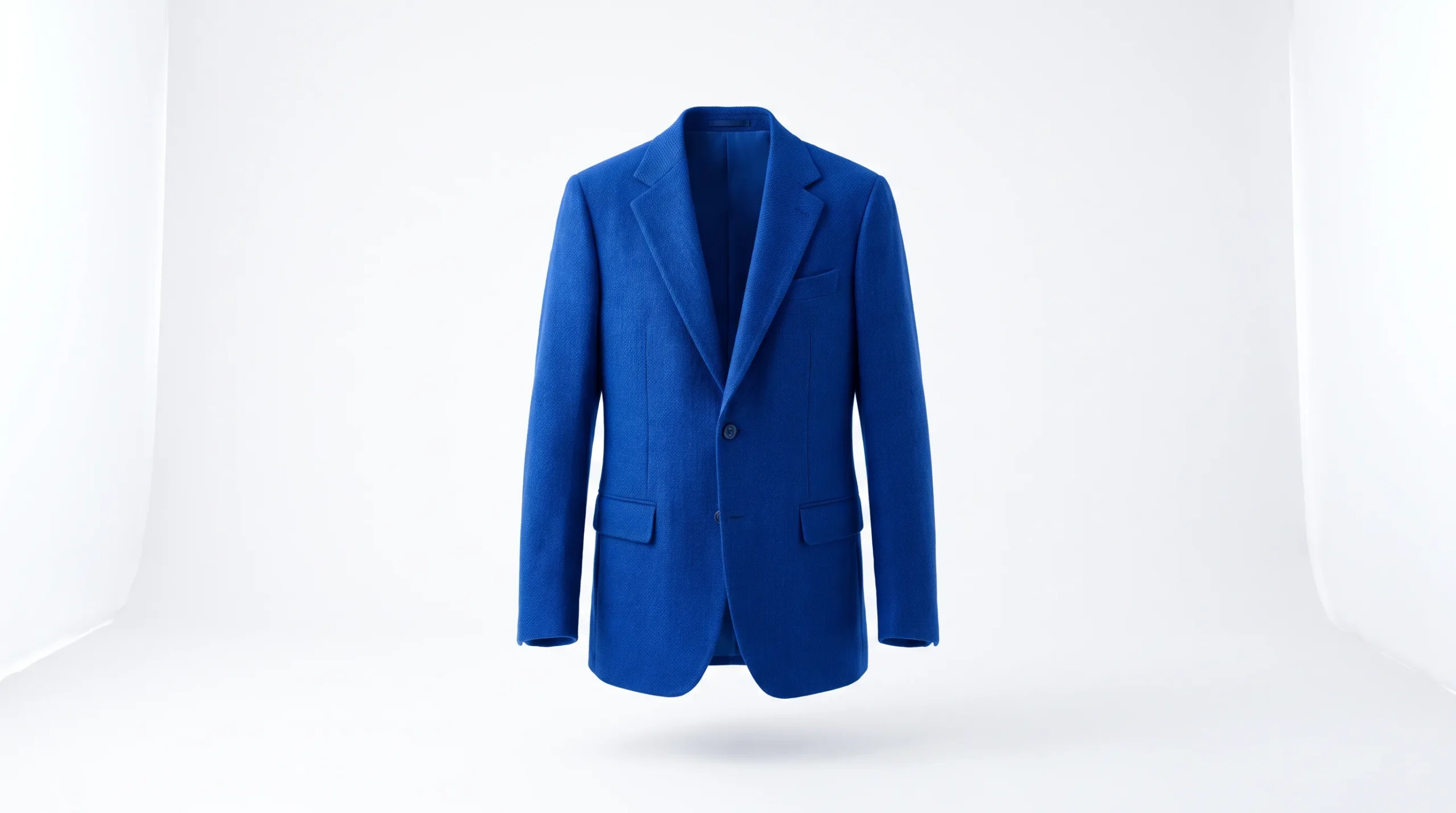
Fabric weight, structure and finishing directly affect how a prototype wears and performs. We recommend materials, labels and trims based on hand feel, wash direction, garment function and target price, while explaining how each choice may affect drape, shrinkage or lead time.
- Match fabric weight to silhouette and structure
- Test wash effects before approving color expectations
- Coordinate labels, patches, zippers and drawcords
- Balance trim complexity with production timing

Approve Before Bulk Production
Clothing prototype development for designers becomes production-ready through documented approvals. Before bulk manufacturing, VeeWen confirms the pre-production sample, final materials, artwork, measurements, labeling and packaging details, then carries those decisions into in-line inspection and final quality checks.
- Approve the final pre-production sample
- Confirm artwork, placements and decoration method
- Lock packaging and private-label specifications
- Use checkpoints from bulk cutting through final inspection

Clothing Prototype Development for Designers: VeeWen vs. Typical Suppliers
One accountable workflow for development, approvals and bulk-ready production.
← Swipe left or right to view →
Our Prototype-to-Bulk Production Process
A documented development path that turns your approved menswear or streetwear concept into repeatable, production-ready bulk goods.
Clarify Design Direction
Share a tech pack, sketch, reference sample, or concept. We align fit block, measurements, construction, decoration, target price, and production priorities.
Source Materials And Trims
We recommend fabrics, weights, washes, labels, hardware, and packaging suited to the garment’s hand feel, structure, end use, and budget.
Develop Patterns And Samples
Our team creates patterns and prototype samples, then reviews fit, sleeve pitch, body proportions, stitching, print placement, embroidery, and wash behavior.
Approve Production Specifications
After fit review and revisions, we confirm the approved sample, graded measurements, materials, colors, trims, artwork, packaging, and pre-production requirements.
Produce Inspect And Ship
Bulk production follows approved specifications with in-line inspection, final quality checks, packing verification, and shipment coordination for your 100-piece-per-style order.
How to Work With VeeWen
Move from an initial garment concept to controlled bulk production with one accountable menswear and streetwear manufacturing partner.
Send Your Product Direction
Share a tech pack, sketch, reference sample, inspiration images or initial idea. Include intended fit, fabric direction, decoration details, target quantity and delivery requirements.
Review Specifications and Quote
Confirm construction, fabric weight, trims, wash effects and production trade-offs with our team. Receive practical recommendations and a clear quotation for your 100-piece-per-style program.
Approve Your Development Sample
Review the sample for fit, measurements, hand feel, artwork placement and finishing. Refine specifications until the approved version establishes a reliable production standard.
Launch Controlled Bulk Production
After pre-production confirmation, VeeWen manages manufacturing, in-line inspections, final quality checks, private-label packing and shipment coordination for your finished collection.
Documented Standards for Buyer Review

Applicable material certificates and scope documents can be reviewed against the selected fabric and production order.

GOTS-related material and chain documentation is matched to the selected program and verified for current scope before use.

Current social-compliance audit documentation can be supplied for buyer review and onboarding when applicable.
Responsible-sourcing and audit records can be reviewed with the VeeWen team for the relevant factory and order scope.

Order-specific material declarations and test documentation are reviewed for applicable REACH requirements; this neutral icon denotes documentation rather than an official REACH certification logo.
Clothing Prototype Development for Designers: Real Buyer Outcomes
VeeWen turned our oversized tee sketches into a repeatable fit block in two sample rounds. The graded measurement sheet made approval much clearer, and we launched our first 240-piece drop without the sizing inconsistencies we had faced before.
Our hoodie program had vague fabric and decoration notes when we started. VeeWen helped specify a 460 GSM French terry, puff-print placement, and wash allowances. We approved the final sample 18 days faster than our previous development cycle.
The 100-piece-per-style MOQ let us test three coordinated menswear styles without overcommitting inventory. Sampling, labels, hangtags, and packing were handled in one workflow, so our e-commerce launch arrived with consistent branding and production-ready specs for reorders.
Clothing Prototype Development for Designers FAQ
Clear answers on MOQ, sampling, revisions, payment, shipping and the path from approved prototype to bulk production.
What is the MOQ for clothing prototype development for designers?
How much does clothing prototype development for designers cost?
How long does clothing prototype development for designers take?
Do I need a complete tech pack before requesting a prototype?
How many sample revisions can I make?
How do you protect my designs and product information?
What payment terms apply to samples and bulk orders?
Can VeeWen ship samples and finished clothing internationally?
What is the bulk production lead time after prototype approval?
Clothing Prototype Development for Designers: Complete Buyer’s Guide
Use this decision framework to plan prototypes, compare Chinese manufacturing suppliers, control sample quality and costs, and avoid the sourcing mistakes that delay a market-ready apparel launch.
1. Clothing Prototype Development for Designers Explained
1 prototype is the first physical garment made to test a design before commercial commitment. In clothing prototype development for designers, it exposes silhouette, fit, construction sequence, material behavior and practical manufacturability.
A tech pack is the specification document; a fit sample checks measurements on body; a sales sample supports presentation. A pre-production sample is the approved bulk reference, while a production run repeats that locked standard.
100 pieces is VeeWen’s standard MOQ per style, so prototype approval should happen first. Reviewing fabric weight, wash shrinkage, trim placement and sewing details early prevents costly changes after bulk cutting begins.
2. From Sketches to Factory Samples
Before 1900, ateliers translated sketches into calico toiles, then corrected balance, seam placement, and ease directly on a dress form. The method was tactile but slow, and each revision depended heavily on the pattern cutter’s judgment.
By the 1990s, CAD patternmaking and digital grading made measurement changes easier to record, repeat, and share across factories. Tech packs, Pantone references, and annotated measurement specs now give overseas teams a common production language.
At a 100-piece MOQ, emerging menswear and streetwear labels can use clothing prototype development for designers to lock an oversized fit block, 280–450 GSM fabric choice, wash tolerance, and decoration placement before bulk. Faster sample feedback reduces the risk of approving a visually strong design that cannot reproduce consistently across sizes.
3. Types of Clothing Prototype Development for Designers
Six sample types prevent designers from treating every prototype as production-ready. For clothing prototype development for designers, request only the stage that unlocks the next decision.
| Type | Purpose | Supplier Input |
|---|---|---|
| Concept | Test idea | Sketch, references |
| Fit | Confirm block | Measurements, feedback |
| Size-set | Check grading | Size chart, grade rules |
| Sales | Present line | Colorways, branding |
| Revised | Verify changes | Marked sample, notes |
| Pre-production | Lock bulk standard | Approved sample, final specifications |
Early Direction Samples
One concept sample tests silhouette and fabric direction. One fit sample confirms measurements and construction changes.
Range Review Samples
A size-set sample checks grading before bulk. A sales sample supports photography, buyer review, or preorders.
Bulk Approval Samples
One revised sample verifies agreed corrections. One pre-production sample locks approved materials, trims, and workmanship.
4. Fabrics for Apparel Prototypes
Fabric choice sets prototype drape, measurement stability and realistic costing. For clothing prototype development for designers, match the sample fabric to the intended production specification before approving fit.
| Fabric | Best Prototype Use | Key Risk |
|---|---|---|
| Cotton jersey | T-shirts | Shrinkage changes length |
| French terry or fleece | Hoodies | Weight changes structure |
| Twill or poplin | Wovens | Different drape alters fit |
| Nylon or polyester | Activewear | Finish affects cost |
Match Fabric To Use
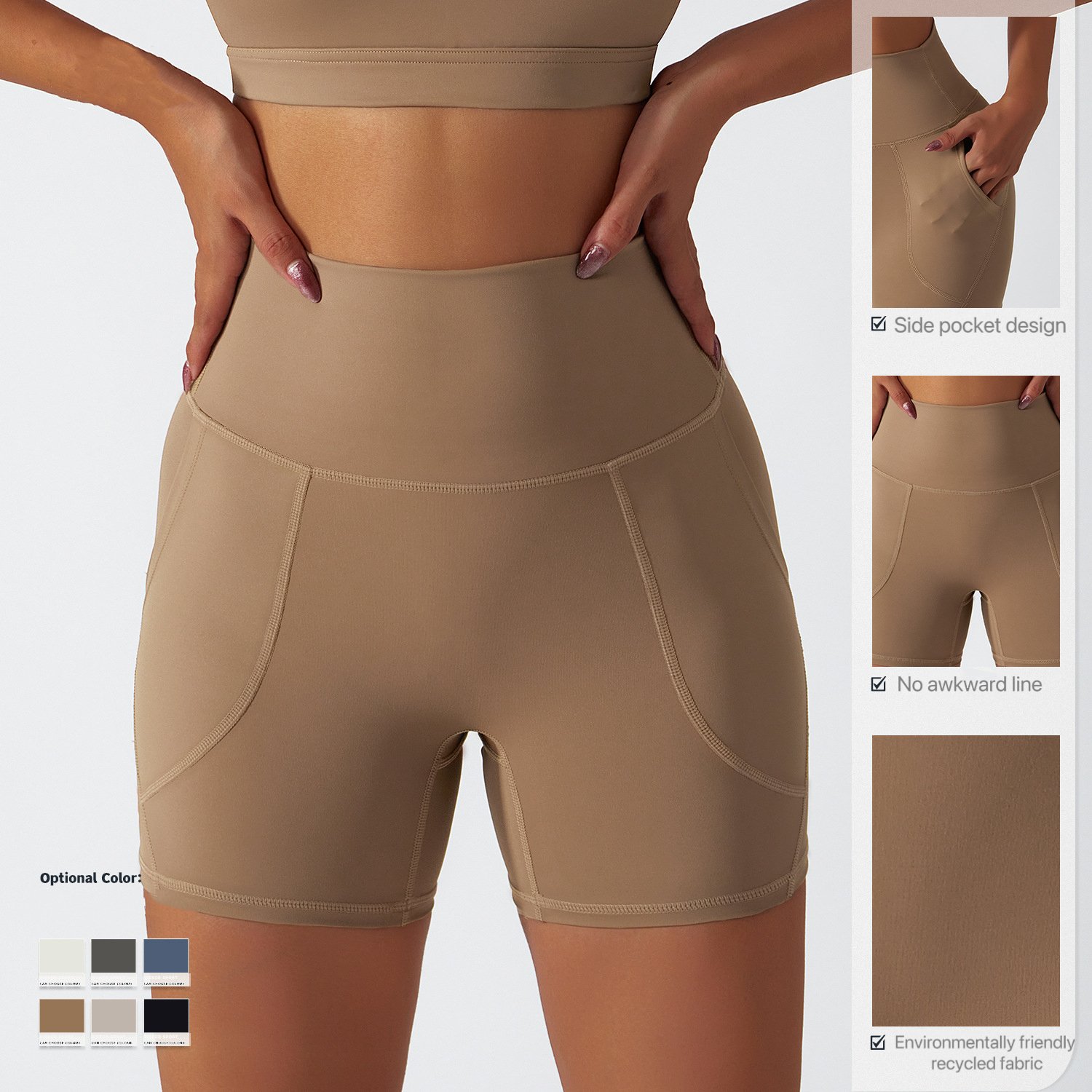
180–220 GSM cotton jersey suits structured tees; 320–400 GSM French terry supports premium hoodies. A substitute can change shrinkage, rib recovery and silhouette.
Check Production Variables

Test stretch, colorfastness and shrinkage before grading. Nylon and polyester performance fabrics need comparable denier, finish and availability; blended fabrics alter hand feel and unit cost.
5. Customization and Decoration Options
Sampling should lock decoration, trims, and packing before bulk. VeeWen can test artwork, placement, hand feel, wash response, and private-label components on an approved sample.
| Method | Best Use | Durability | Sampling Requirement |
|---|---|---|---|
| Screen print | Bold multi-piece graphics | High after cure | Vector art, ink colors, placement |
| DTG | Detailed short-run artwork | Moderate to high | High-resolution file, fabric test |
| Embroidery | Logos and dimensional marks | High | Stitch file, density, backing approval |
| Heat transfer | Small details and variable names | Moderate | Print file, heat test, location |
| Patches | Heritage or tactile branding | High when stitched | Patch sample, edge and attachment approval |
Decoration Approval Checklist

Before sampling, supply vector artwork, Pantone references, size, placement from seams, and a strike-off approval. Confirm wash or special-effect expectations early; puff ink, dense embroidery, and silicone patches can change drape.
- Screen print, DTG, heat transfer
- Embroidery and sewn patches
- Woven labels, neck labels, hangtags
- Polybags and specialty finishes
6. Construction Details That Define Quality
One approved prototype should define construction before color or packaging approval. A 100-piece production run still needs repeatable fit, seams, and finishing.
Pattern And Measurements
Base measurements should match the approved spec at chest, body length, sleeve, rise, and inseam. Grade each size logically; set tolerances, often ±1 cm for key garment measurements.
Seams And Reinforcement
Four-thread overlock suits many knit seams, while flatlock reduces chafing in sportswear. Check stitch density, bar tacks at pocket and crotch stress points, and neckline or cuff rib recovery.
Hardware And Finish
Zipper pulls must run smoothly and pockets must sit symmetrically from the center front. Inspect loose threads, seam twist, puckering, label placement, and wash-related distortion before approval.
7. Choosing Clothing Prototype Development for Designers Partners
Choose a China partner by evidence from comparable garments, not a polished catalogue. For clothing prototype development for designers, an approved sample should be the documented benchmark for bulk—not a one-off showroom piece.
| Partner Type | Best Evidence | Bulk-Prediction Test |
|---|---|---|
| OEM | Comparable category production | Match sample specs in PPS |
| ODM | Adaptable existing blocks | Confirm ownership and revisions |
| Private Label | Trim and packing control | Approve final production sample |
Verify Development Control
100-piece MOQ programs need a patternmaker, fabric options, sample-room access, dated revisions, and English fit feedback. Ask whether measurement tolerances, wash shrinkage, QC checkpoints, IP handling, and realistic lead times are recorded before approval.
8. Prototype Development Mistakes to Avoid
A 100-piece pilot makes preventable development errors expensive because each revision affects sample timing and repeatability. Lock decisions in writing before bulk approval.
Define The Product Clearly
One incomplete tech pack forces assumptions on measurements, construction, and trims; unrealistic reference images can compound them. Provide flats, a measurement spec, fabric targets, and feasible reference callouts before sampling.
Approve Fit And Materials
One sample approved without a measurement check can produce a full size run with the wrong body width or sleeve length. Measure against tolerance, review grading, and freeze fabric before final approval; late substitutions change shrinkage, shade, and drape.
Control Files And Revisions
One low sample price can hide omitted testing, unclear artwork, or repeat sampling costs. Supply print-ready artwork and record every revision with date, file version, and approved change; this protects production quality and delivery timing.
9. Launching After Clothing Prototype Development for Designers
After clothing prototype development for designers, turn the approved sample into a controlled production file. For a 100-piece launch, sequence approvals before announcing retail or wholesale delivery dates.
Lock The Production File
100 pieces is enough to lock the tech pack, Pantone colors, fabric GSM, trims, placement artwork, measurements, tolerances, and graded size chart.
1 approved reference sample prevents the factory from interpreting later changes during bulk cutting.
Approve Pre-Production Sample
1 pre-production sample should use bulk-intended fabric, labels, decoration, wash, and packaging. Compare it against the signed prototype for fit, shade, shrinkage, print placement, and trim function.
2 written approvals—buyer and factory—create a clear release point before bulk manufacturing.
Plan Inspection And Launch
100-piece brands should schedule in-line checks after cutting and during sewing, then a final inspection before packing. Confirm carton marks, polybags, hangtags, barcode needs, and delivery address before goods are sealed.
2 launch calendars matter: reserve product photography and e-commerce uploads after final sample approval, while wholesale dates should retain transit contingency.
10. Prototype and Production Pricing
100-piece orders are VeeWen’s standard MOQ, so quotes should separate prototype work from repeatable bulk costs. A single approved sample may require pattern, material sourcing, and decoration setup before unit pricing is meaningful.
1–3 fit revisions are common when translating sketches into production-ready measurements. Fabric GSM, custom trims, wash effects, embroidery density, print colors, freight method, and destination can each change the final quote and schedule.
| Quantity tier | Unit-price drivers | Sample/setup cost | Typical lead time |
|---|---|---|---|
| 1–2 prototypes | Pattern, fabric availability, complex construction | Pattern, sample, print or embroidery setup | 2–4 weeks |
| 100–299 pieces | Fabric yield, trims, decoration, colorways | Approved pre-production sample; some setup amortized | 3–6 weeks |
| 300+ pieces | Material volume, grading, packing, repeat decoration | Lower setup share per unit | 4–8 weeks |
Start Clothing Prototype Development for Designers Today
Send your tech pack, sketch, reference sample or product idea to VeeWen for a production-minded custom quote and 100-piece MOQ guidance.