
US Clothing Manufacturing Cost Compared to Overseas
Compare production costs with VeeWen’s China-based OEM, ODM, private-label, and cut-and-sew workflow, starting at 100 pieces per style.
Featured Products for us clothing manufacturing cost compared to overseas Development

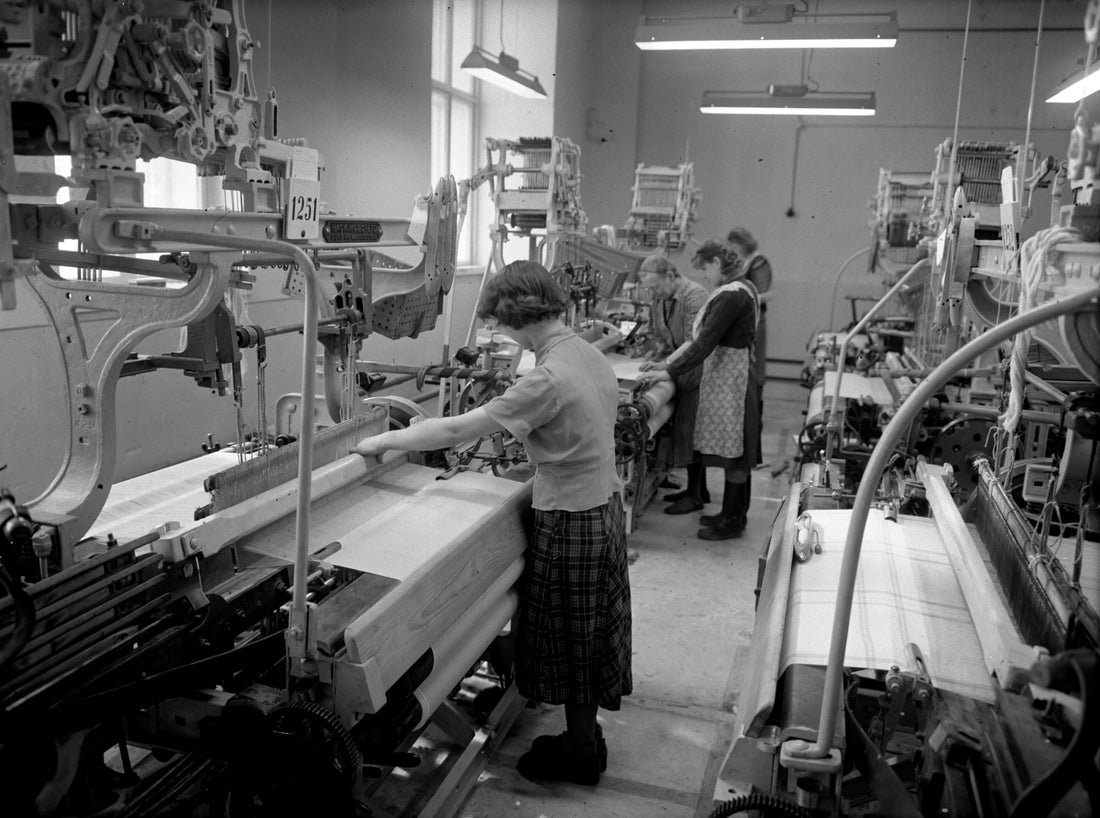






Related Product Catalogue and Quotation

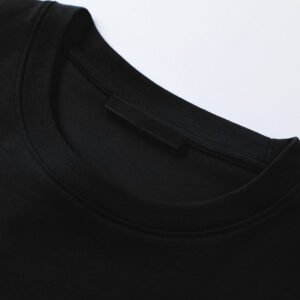
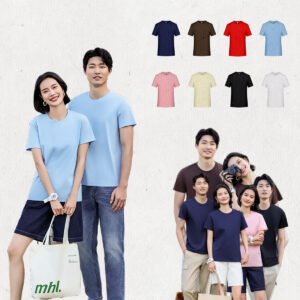

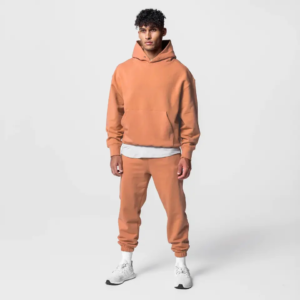



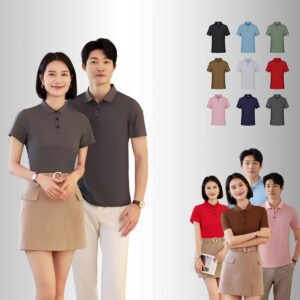


US Clothing Manufacturing Cost Compared to Overseas: Control the Production Variables
VeeWen helps apparel buyers compare total sourcing value through clear specifications, flexible development and accountable production support.
100-Piece Style MOQ
Launch focused menswear or streetwear drops from 100 pieces per style, helping manage inventory exposure while establishing repeatable reorder specifications.
One Accountable Workflow
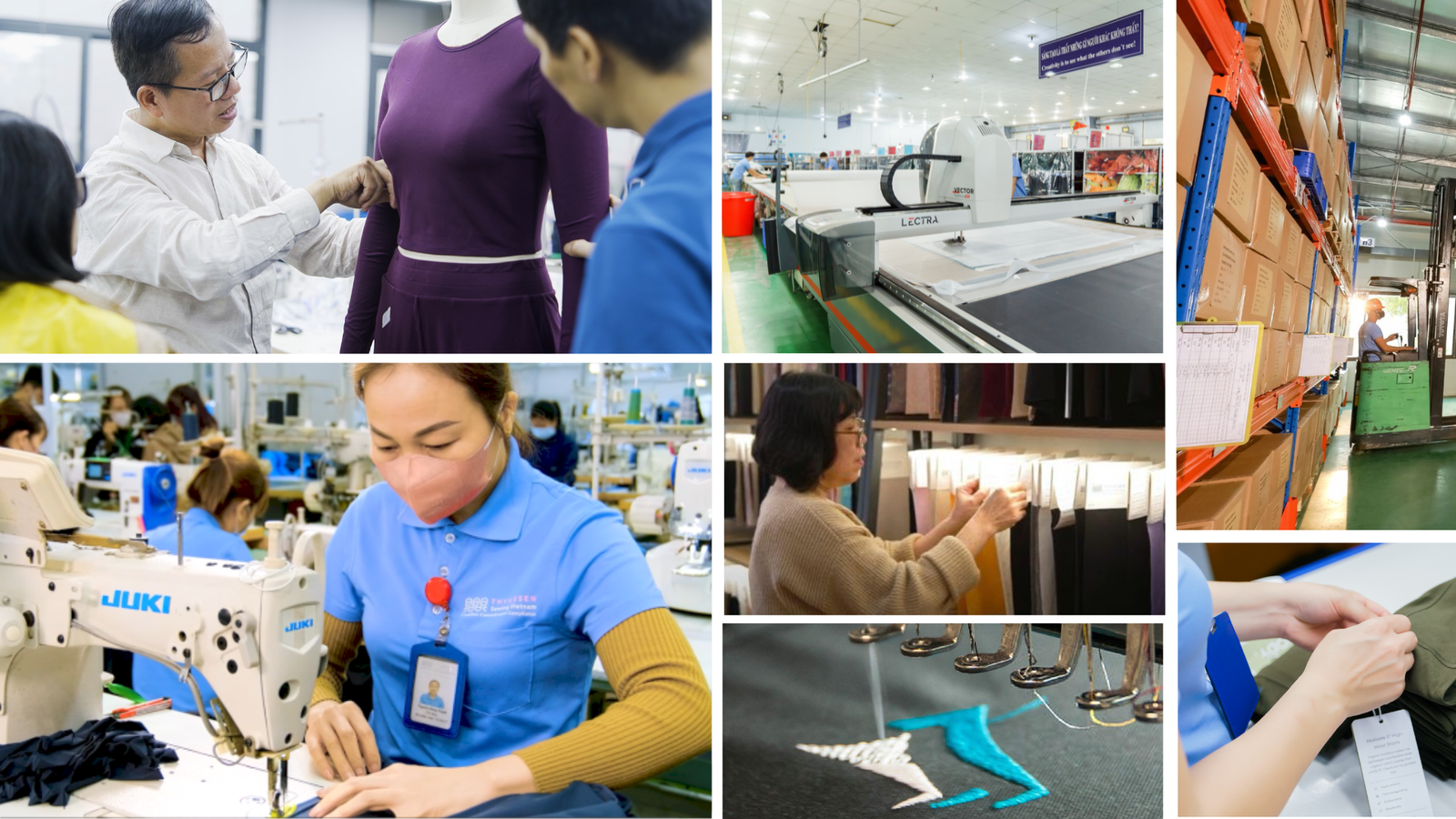
Coordinate fabric sourcing, patterns, sampling, bulk production, inspections, packing and shipment support through one production-minded apparel partner.
Clear Cost Specifications
Define fabric weight, fit block, decoration and trims early, reducing avoidable revisions when evaluating US clothing manufacturing cost compared to overseas.
Flexible Brand Decoration
Match prints, embroidery, washes, labels and packaging to your target price, visual direction and intended garment performance.
Documented Quality Checks
Use approved samples, in-line inspections and final checks to keep workmanship, measurements, finishing and packing aligned before bulk goods ship.
More Us Clothing Manufacturing Cost Compared to Overseas Options and Guides
Compare adjacent product categories, manufacturing options and practical buyer resources from the VeeWen architecture.

Apparel Factory
Apparel factory OEM, ODM and private-label production starts at 100 pieces per style, with sampling and QC in one workflow. Request a custom quote today.
Explore CategoryUs Vs Overseas Clothing Manufacturing Cost Multiplier
Compare the US vs overseas clothing manufacturing cost multiplier with 100-piece-per-style MOQ production and clear sourcing trade-offs. Request a custom quote.
Explore CategoryCost Multiplier Us Vs Overseas Apparel Manufacturing
Cost multiplier us vs overseas apparel manufacturing explained for 100-piece OEM programs, from sourcing trade-offs to landed-cost planning. Request a quote.
Explore CategoryUs Apparel Manufacturing Costs Compared to Overseas
us apparel manufacturing costs compared to overseas are easier to control with VeeWen’s 100-piece MOQ, approved samples, and China OEM workflow. Request a quote.
Explore Category
Oversized Clothing Production Manufacturer
Oversized clothing production manufacturer with a 100-piece MOQ for OEM, ODM and private-label streetwear. Send your tech pack and request a quote today.
Explore Category
Custom Fitness Apparel Manufacturer
Custom fitness apparel manufacturer for OEM and private-label programs from 100 pieces per style. Send your tech pack and request a custom quote today.
Explore Category
Fitness Clothing Manufacturer
Fitness clothing manufacturer for OEM, ODM and private-label collections from 100 pieces per style. Develop samples, approve specifications and request a quote.
Explore CategoryUs Clothing Manufacturing Lead Times Vs Overseas
Compare us clothing manufacturing lead times vs overseas for 100-piece apparel programs. Plan samples, approvals and bulk delivery. Request a quote.
Explore CategoryFabrics Matched to Target Cost, Feel and End Use
Cotton Jersey
Soft, breathable jersey for tees, polos and everyday basics. Midweight options around 180–260 GSM balance a smooth hand-feel with reliable print surfaces, while heavier constructions add body and streetwear structure.
French Terry
Loopback French terry gives hoodies, shorts and coordinated sets a substantial yet breathable feel. Common 280–400 GSM weights support clean silhouettes; heavier fabric raises material cost but improves drape and perceived value.
Brushed Fleece
Brushed fleece delivers a warm, soft interior for hoodies, sweatshirts and joggers. Its 320–450 GSM range creates a plush hand-feel and strong cold-weather appeal, though brushing can affect shrinkage planning and print testing.
Denim Twill
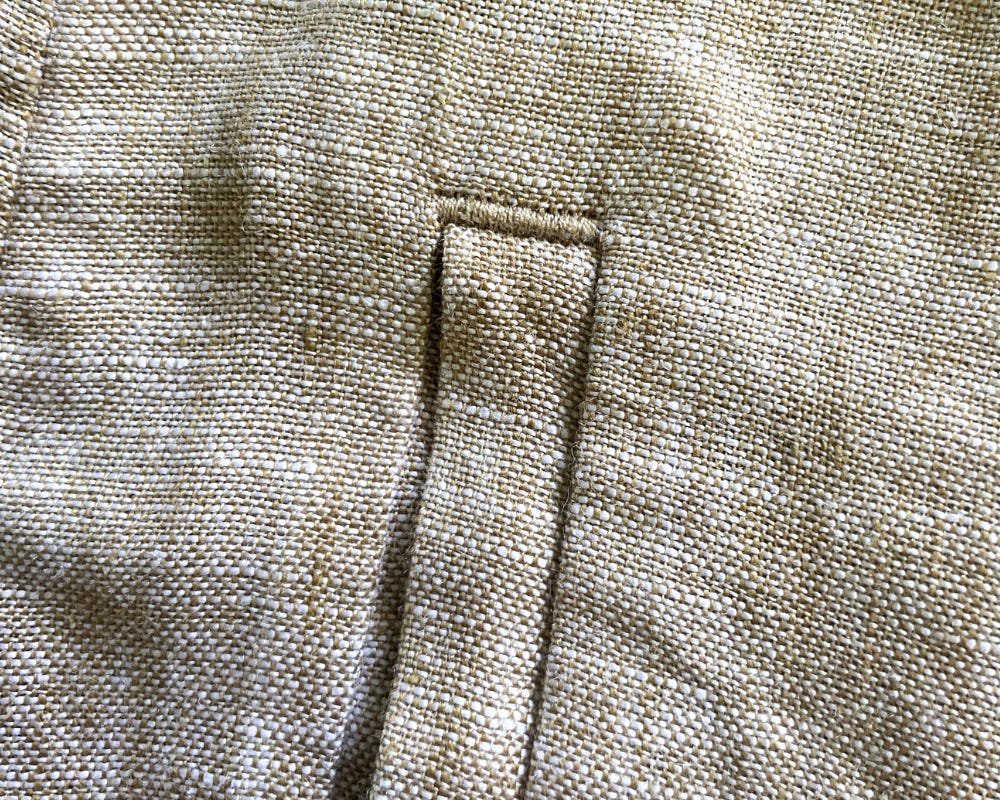
Durable denim and cotton twill suit jeans, cargos, overshirts and workwear. Structured woven fabric holds shape well, typically from 8–14 oz, with wash choices influencing shade variation, softness and total development cost.

Performance Blends
Polyester, nylon and stretch blends support jerseys, activewear, windbreakers and technical outerwear. Moisture management, recovery and lighter weight improve function, while fabric composition and specialty finishes should match the intended end use.
Decoration Options for US Clothing Manufacturing Cost Compared to Overseas

Screen Print
Screen printing delivers bold, repeatable artwork on tees, hoodies, and fleece. Water-based, plastisol, puff, and high-density inks can be matched to fabric weight, hand feel, opacity, and expected wash durability.

Heat Transfers
DTF, heat transfers, reflective films, and foil details support detailed graphics, small placements, and multicolor artwork. VeeWen tests adhesion and finish on the selected garment fabric before confirming the approved production sample.

Sublimation Printing
Sublimation infuses full-color graphics into compatible polyester garments, making it suited to jerseys, activewear, and performance programs. The result is lightweight and breathable, with artwork that will not sit heavily on the fabric surface.
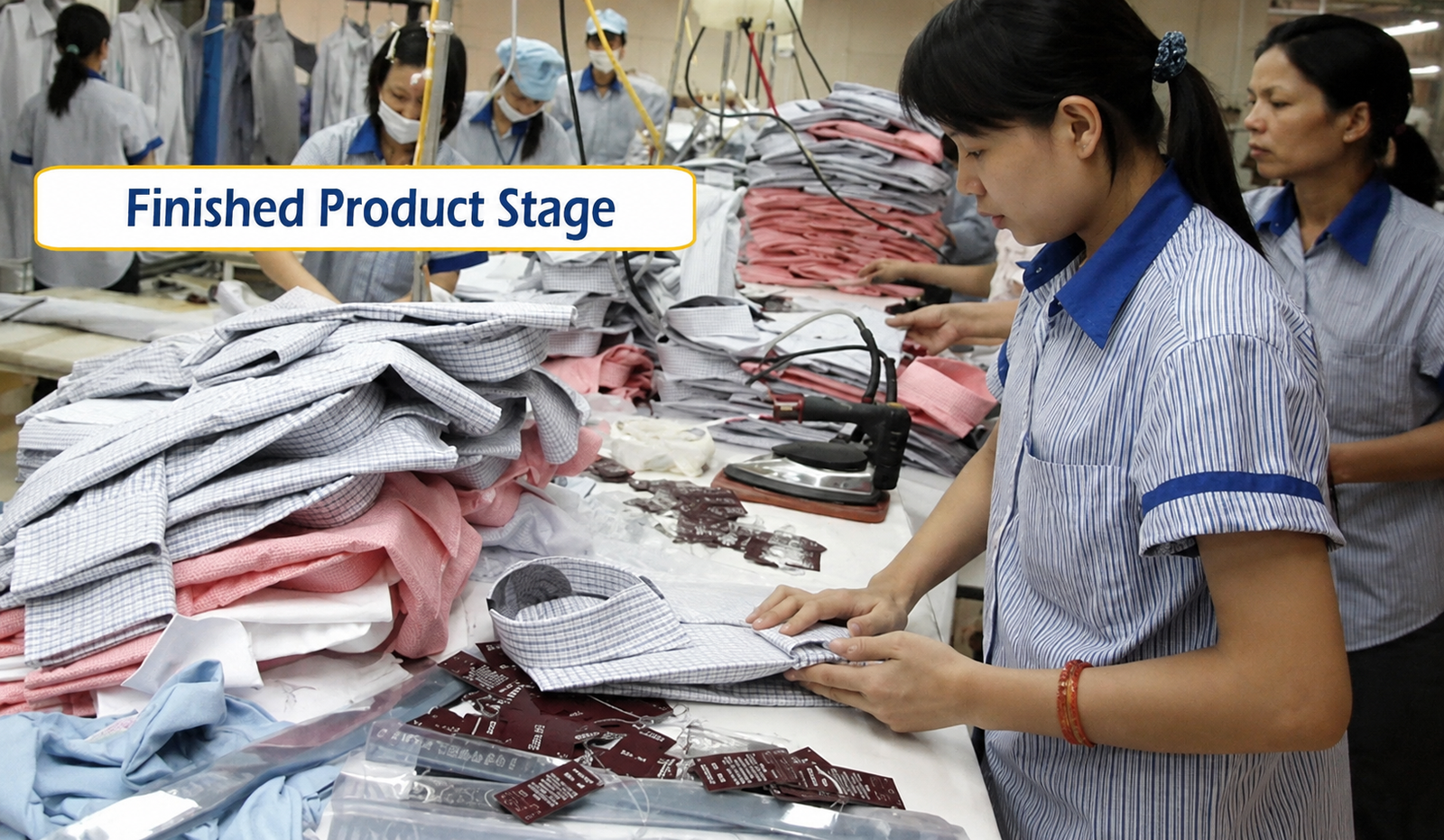
Garment Dye
Pigment dye, tie dye, and garment-dye treatments create lived-in color and individual character for streetwear. Because dyeing can affect shrinkage and shade variation, VeeWen confirms measurements, color direction, and wash standards through sampling.
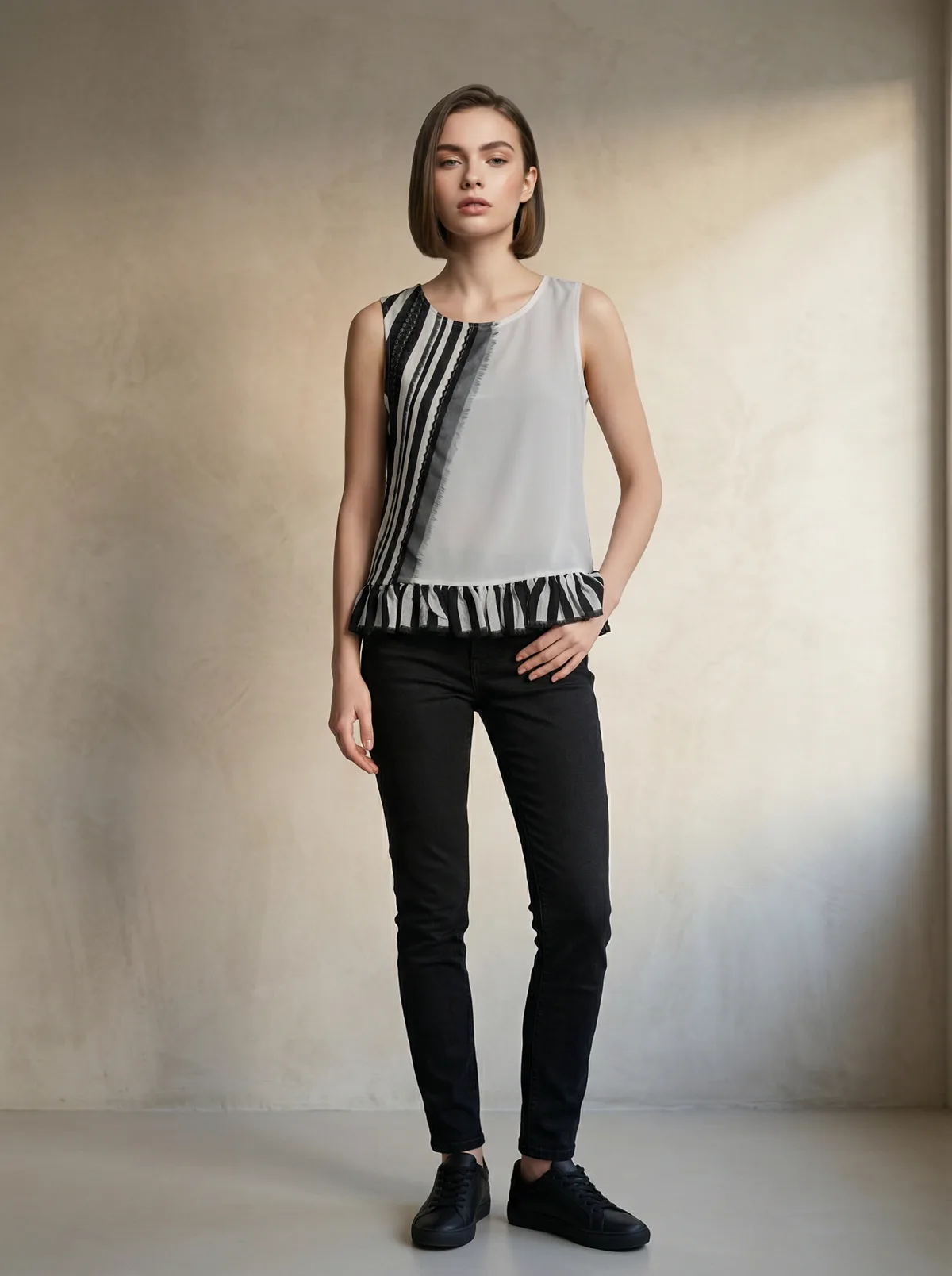
Wash Effects
Enzyme, acid, stone, snow, and vintage washes build texture, fading, or distressing into denim, tees, fleece, and outerwear. Each wash recipe is sampled to balance the intended visual effect with fabric strength and consistent bulk results.
Private-Label Trims and Packaging Support
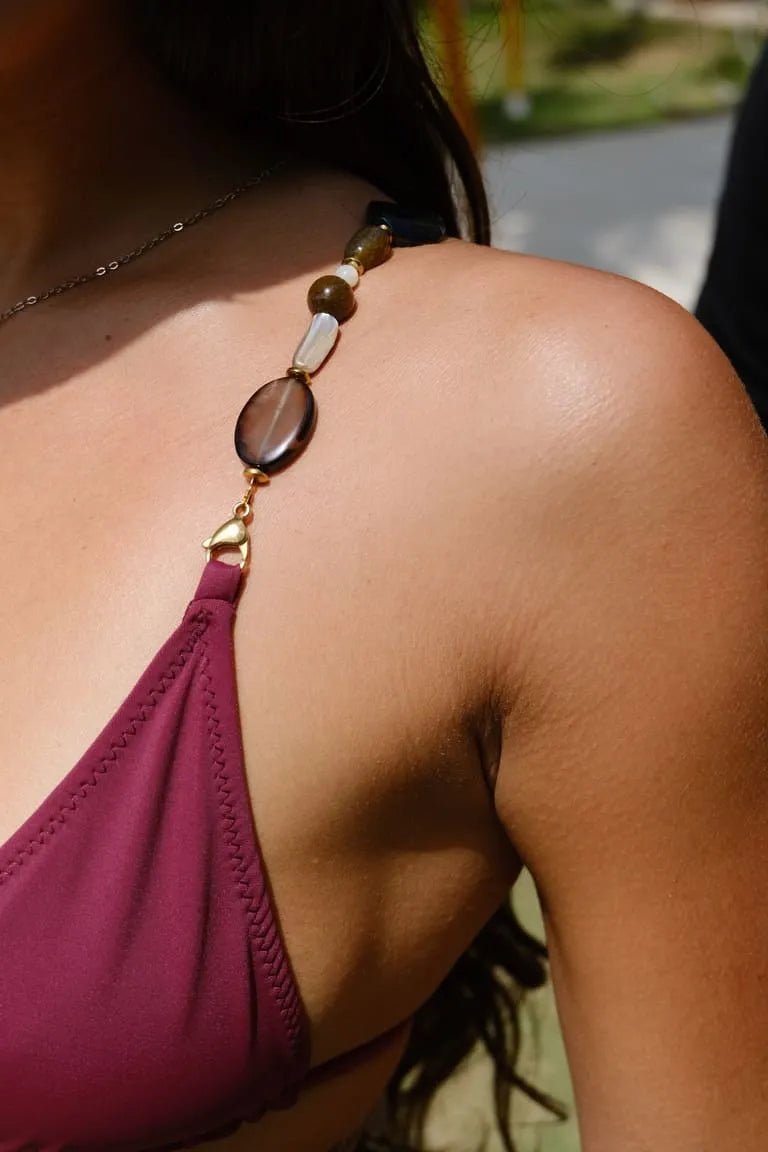
Woven Brand Labels
Custom woven main labels, size labels and care labels establish a consistent identity inside tees, hoodies, jackets and bottoms. We confirm placement, fold type, material and artwork before bulk production to support accurate repeat orders.


Zippers and Snaps
Coordinate zipper pulls, metal snaps, buttons and other hardware for hoodies, jackets, cargos and workwear. Hardware selection affects appearance, durability and lead time, so VeeWen reviews the required finish and function during development.

Drawcords and Tipping
Custom drawcords, aglets and contrast tipping give hoodies, joggers and shorts a more intentional private-label finish. Options can be matched to fabric weight, wash direction and intended garment use for a cohesive result.


Retail-Ready Packaging
Polybags, barcode stickers, folding instructions and branded packaging can be coordinated alongside final quality checks. Clear packaging specifications help ecommerce sellers, retailers and wholesalers receive organized bulk goods ready for distribution.
US Clothing Manufacturing Cost Compared to Overseas
Founded in 2016 by ChangKeng Luo, Dongguan VeeWen Clothing Co., Ltd. helps global labels turn menswear and streetwear concepts into production-ready collections. For buyers evaluating us clothing manufacturing cost compared to overseas, we provide direct, specification-led communication from the first product discussion onward.
Our team supports OEM, ODM, private-label and cut-and-sew programs across heavyweight tees, hoodies, denim, outerwear, workwear and coordinated streetwear, with full-category flexibility for men, women and children. A 100-piece-per-style MOQ helps emerging brands test focused drops without losing control of fit, fabric or finish.
What makes VeeWen different is one accountable workflow: fabric sourcing, pattern development, sampling, decoration testing, bulk production, quality checks, private-label packaging and shipment coordination. We explain production trade-offs clearly, confirm details through approved samples and stay reachable by email, phone and WhatsApp.

How US Clothing Manufacturing Cost Compared to Overseas Changes by Specification
Material Matching Before Commitment
A lower unit quote can shift quickly when fabric weight, shrinkage control, color consistency, and minimums are not aligned. VeeWen matches jersey, fleece, denim, twill, and performance options to the intended hand feel, target price, wash direction, and order scale before sampling.
- Compare fabric weight, composition, and usable width
- Flag mill minimums and shade-variation considerations
- Balance structure, durability, and target landed cost

Fit Development Reduces Rework
When comparing US clothing manufacturing cost compared to overseas, pattern accuracy matters as much as labor. VeeWen develops fit blocks, graded measurements, shoulder drop, body width, sleeve pitch, rise, and inseam from your tech pack, reference, or visual direction before bulk approval.
- Translate visual references into measurable specifications
- Review samples before confirming the size run
- Document approved fit points for repeatable reorders

Decoration Planned for Production
Print, embroidery, wash, and trim choices affect labor time, garment drape, yield, and production windows. VeeWen tests decoration routes early, helping buyers choose screen print, embroidery, transfers, patches, or wash effects that support the design without creating avoidable cost surprises.
- Assess artwork coverage, placement, and print layers
- Consider embroidery density and fabric drape
- Account for wash shrinkage and shade variation

Checkpoints Protect Bulk Value
The overseas advantage is strongest when approved specifications carry through to packed goods. VeeWen manages sampling, pre-production confirmation, in-line inspection, final quality checks, labels, packaging, and shipment coordination in one workflow, with a standard 100-piece-per-style MOQ for focused launches.
- Confirm materials, trims, and labels before bulk
- Check workmanship during and after production
- Pack to your private-label and shipping requirements

Why VeeWen Makes Overseas Apparel Sourcing More Accountable
For buyers evaluating US clothing manufacturing cost compared to overseas, VeeWen pairs a 100-piece MOQ with clearer development, specifications and production control.
← Swipe left or right to view →
Our Apparel Production Workflow
A clear, approval-led process that helps buyers compare US clothing manufacturing cost compared to overseas with production details, not assumptions.
Clarify Design Direction
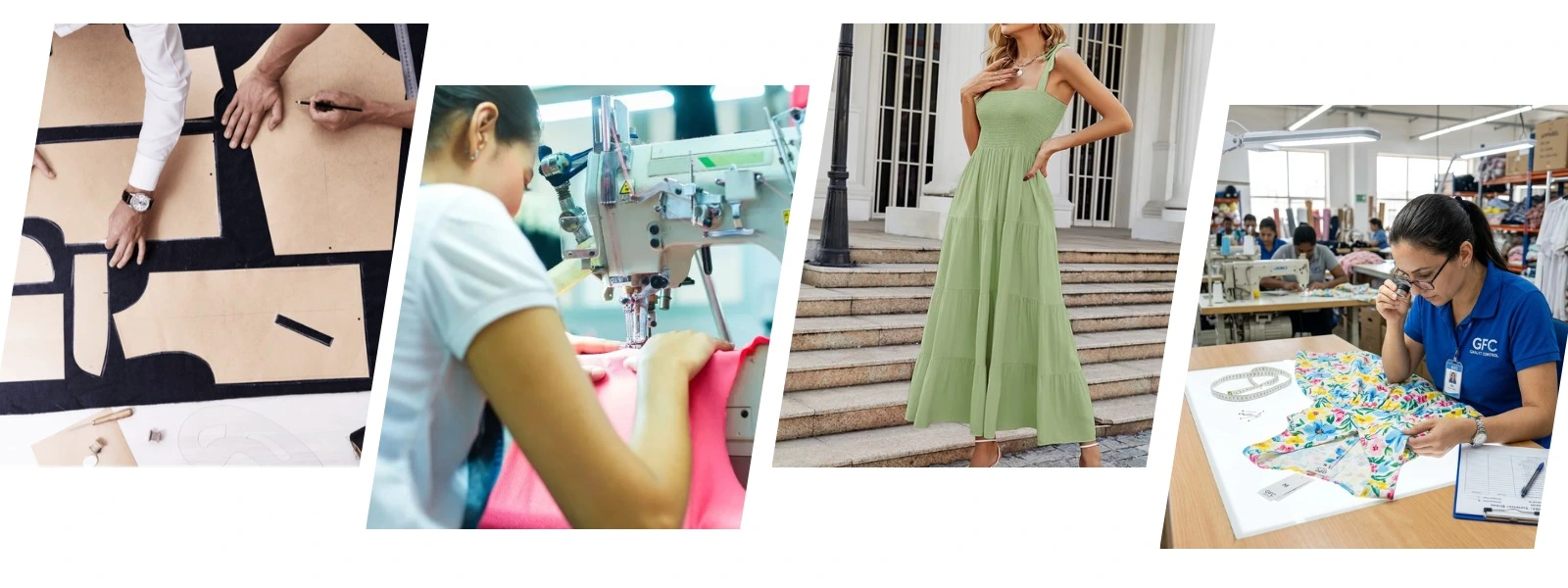
We review your tech pack, sketches, references, or idea, then confirm fit, measurements, decoration, target price, and intended market.
Source Materials and Trims
VeeWen recommends fabrics, washes, labels, hardware, and packaging aligned with hand feel, performance needs, construction, and overseas cost targets.
Develop Patterns and Samples
Our team builds patterns, produces samples, and records fit revisions so approved specifications can guide a consistent production-ready size run.
Confirm Pre-Production Details
Before bulk cutting, we confirm the approved sample, colors, artwork, trims, measurements, packing requirements, and 100-piece-per-style order specifications.
Produce and Inspect Bulk
Bulk manufacturing follows documented specifications, with in-line inspection monitoring construction, printing, embroidery, wash effects, measurements, and workmanship throughout production.
Final QC and Shipment
We complete final quality checks, pack branded goods, and coordinate shipment details, giving you a clear handoff from finished cartons to delivery.
Start an OEM or Private-Label Program
Move from a concept to repeatable bulk production with one production-minded partner.
Send Your Product Brief
Share a tech pack, sketch, reference sample, inspiration image, or concept. VeeWen clarifies fit, fabric, decoration, trims, packaging, target quantity, and target price.
Review Your Quote
Confirm the proposed specifications, 100-piece-per-style MOQ, development scope, and production trade-offs. This makes us clothing manufacturing cost compared to overseas easier to evaluate accurately.
Approve the Sample
Review the developed sample for fit, measurements, hand feel, wash effect, print or embroidery quality, and private-label details before bulk specifications are finalized.
Confirm Bulk Production
Approve the pre-production direction, then proceed with material sourcing, cut-and-sew manufacturing, in-line inspection, final quality checks, packing, and shipment coordination for dependable reorders.
Documented Standards for Buyer Review

Applicable material certificates and scope documents can be reviewed against the selected fabric and production order.

GOTS-related material and chain documentation is matched to the selected program and verified for current scope before use.

Current social-compliance audit documentation can be supplied for buyer review and onboarding when applicable.
Responsible-sourcing and audit records can be reviewed with the VeeWen team for the relevant factory and order scope.

Order-specific material declarations and test documentation are reviewed for applicable REACH requirements; this neutral icon denotes documentation rather than an official REACH certification logo.
US Clothing Manufacturing Cost Compared to Overseas: Results From Development to Reorders
VeeWen turned our oversized tee references into a clear graded spec and approved the second sample round. We launched a 300-piece drop on schedule, with measurements consistent across all five sizes.
The team explained where our wash, embroidery density, and heavyweight fleece were affecting cost before bulk production. That clarity helped us keep the hoodie program within target while approving 4 colorways at 150 pieces each.
Our first 100-piece cargo-pant run gave us a repeatable fit block for reorders. The documented measurements and trim details made the next 500 units far easier to confirm with our retail team.
US Clothing Manufacturing Cost Compared to Overseas: Buyer FAQ
Clear answers on MOQ, samples, specifications, payment, shipping and the cost variables that shape a production-ready apparel quote.
How does us clothing manufacturing cost compared to overseas change after freight and duties?
What factors most affect us clothing manufacturing cost compared to overseas?
Can VeeWen help compare us clothing manufacturing cost compared to overseas for my exact style?
What is your minimum order quantity for custom clothing?
How long do samples take, and what do they cost?
What do you need to quote an OEM or private-label order accurately?
What payment and shipping costs should I budget for?
How do you protect my designs and prevent production mistakes?
US Clothing Manufacturing Cost Compared to Overseas: Buyer’s Guide
Compare total landed costs, quality control, lead times, supplier capabilities, and minimums to select the right production route while avoiding margin-eroding sourcing mistakes.
1. What Is US Clothing Manufacturing Cost Compared to Overseas?
100 pieces is a practical starting point for comparing us clothing manufacturing cost compared to overseas: use total landed cost, not the factory quote. Add fabric and trims, labor, sampling, freight, duties, inspection, payment terms, and the cost of correcting defects or holding unsold inventory.
2 production paths create different risks. US production can reduce transit time and simplify communication, while overseas production may lower labor and material costs but adds shipping, customs, longer approval cycles, and larger commitment exposure.
1 low unit price can still weaken margin if a delayed hoodie drop misses seasonality or an unapproved wash creates rework. Compare approved specifications, lead time, MOQ, quality checkpoints, and delivered cost per sellable unit.
2. Evolution of US and Overseas Apparel Sourcing
1990s offshoring moved much US cut-and-sew capacity toward China and other Asian supply hubs, where fabric, trims, decoration, and assembly could be coordinated at scale. That legacy still favors complex menswear and streetwear programs needing several processes.
2000s e-commerce shortened trend cycles and made small private-label drops viable, while trade-policy changes encouraged diversification into Vietnam, Bangladesh, India, Mexico, and Central America. Buyers now balance category capability against duty exposure and replenishment speed.
2020s automation improved domestic cutting and repeatability, but it has not removed labor-intensive sewing economics. Nearshoring suits faster corporate-apparel reorders; China remains practical when a 100-piece style needs development, washes, embroidery, packaging, and accountable bulk coordination.
3. Types of US Clothing Manufacturing Cost Compared to Overseas
Six sourcing models change margin before fabric, decoration, freight and duty are even compared. For us clothing manufacturing cost compared to overseas, match the model to order volume, development control and replenishment risk.
| Model | Ideal Order | Control | Speed | Complexity | Main Driver |
|---|---|---|---|---|---|
| US cut-and-sew | 50–300 | High | Fast | Medium | Labor |
| China OEM/ODM | 100+ | High | Medium | High | Materials and labor |
| Other Asia | 300+ | Medium | Slow | High | Scale |
| Nearshore | 100–500 | Medium | Fast | Medium | Freight |
| Print-on-demand | 1+ | Low | Fast | Low | Per-unit fulfillment |
| Hybrid sample-to-bulk | 100+ | High | Medium | High | Sampling |
Domestic And China
100-piece launches favor US cut-and-sew when local fittings and fast approvals outweigh labor cost. China OEM/ODM suits 100-plus pieces when complex cut-and-sew, sourcing and private labels need one workflow.
Regional Offshore Options
300-piece programs can fit Vietnam, Bangladesh or other Asian factories where category specialization drives the choice. Mexico and Central America suit shorter transit windows, although fabric and trim availability may narrow options.
Low-Risk Launch Paths
1-piece print-on-demand validates graphics with minimal inventory but limited garment control. One approved sample followed by overseas bulk protects fit decisions before scaling.
4. Materials That Change US Clothing Manufacturing Cost Compared to Overseas
Fabric is often the largest variable in us clothing manufacturing cost compared to overseas. Composition, weight, finishing, and mill minimums can outweigh a lower sewing rate.
| Material | Typical Specification | Quote Effect | Control Point |
|---|---|---|---|
| Cotton jersey | 180–220 GSM | Combed ring-spun costs more | Share colorways |
| Fleece/French terry | 320–450 GSM | Higher weight increases yield | Lock shrinkage test |
| Polyester performance | 140–200 GSM | Special finishes raise minimums | Use stocked fabric |
| Denim | 10–14 oz woven | Wash and shade variation add cost | Approve wash standard |
| Cotton-poly blend | 260–320 GSM | Usually steadier than custom fibers | Pre-approve substitute |
Weight And Construction

180–220 GSM cotton jersey suits tees; 320–450 GSM fleece or French terry raises yarn use and freight.
Mill Origin And Compliance
Imported stock fabric can reduce lead time, while custom dye lots, GOTS, or OEKO-TEX documentation add cost and minimums.
Consolidate Specifications
100-piece styles benefit from shared colors, trims, and approved substitute fabrics; approve swatches before bulk cutting.
5. Customization and Decoration Cost Options
At 100 pieces per style, decoration choice can outweigh sewing savings. Match artwork complexity, placement count, and wash durability before comparing US and overseas quotes.
| Technique | Setup Effect | Best Volume | Cost Comparison |
|---|---|---|---|
| Screen print | Screens per color | 100+ | Overseas wins multi-color runs |
| DTG | Minimal setup | Small runs | US can suit fast replenishment |
| Embroidery | Digitizing fee | 100+ | Overseas lowers stitch-heavy work |
| Sublimation | Artwork setup | Polyester runs | Overseas suits all-over placement |
| Woven labels | Loom/setup charge | 300+ | Overseas reduces unit cost |
Print Methods
1–2-color screen prints suit repeat runs; each added color increases screens and setup. DTG suits photographic low-volume art but costs more per garment.
Branding And Texture

Woven labels and neck prints add identity with low per-unit cost after setup. Embroidery, patches, and applique add durable dimension but can stiffen lightweight jersey.
Finishing And Packing

1 wash recipe adds sampling risk, shade variation, and lead time. Custom mailers, hangtags, and inserts are economical when overseas freight consolidates a larger run.
6. Construction Quality Elements That Affect Cost
Construction cost reflects repeatable workmanship, not just labor geography. For us clothing manufacturing cost compared to overseas, comparable quotes require the same approved specifications, tolerances, and inspection points.
Pattern And Fit Control
100-piece programs still need a production-ready pattern, graded size chart, and fit sample. Specify garment measurements and ±0.5–1 cm tolerances so suppliers price the same risk.
Seams And Reinforcement
8–12 stitches per inch, bartacks at stress points, and coverstitch or flatlock seams add time but prevent early failures. Call out seam type, stitch density, and reinforcement locations in the tech pack.
Materials And Hardware

280–400 GSM French terry, stable rib, pre-shrunk fabric, and branded zippers change both handling and testing. List rib ratio, wash target, shrinkage limit, hardware finish, and approved alternatives.
Inspection Checklist
AQL-based final inspection should cover measurements, seam defects, shade variation, print placement, and packing. Attach photos, measurement points, defect limits, and sample approval dates to every quote request.
7. How to Choose a Clothing Manufacturer
Choose against the product brief, not the lowest quote. For us clothing manufacturing cost compared to overseas, compare like-for-like fabric, decoration, inspection, freight terms, and payment exposure.
Verify Category Fit
100-piece MOQ flexibility and a documented sample path matter most for emerging labels. Ask to review comparable menswear, streetwear, teamwear, or uniform construction.
- Check tech-pack clarification and pattern support
- Confirm fabric sourcing and Pantone control
- Request reference checks and export history
Audit Production Controls
2 checkpoints—pre-production approval and final inspection—should be defined before bulk. Confirm communication cadence, capacity window, compliance documents where required, Incoterms, deposit balance, and rework responsibility.
- Established wholesale programs prioritize repeat capacity
- Teamwear buyers prioritize grading and delivery dates
8. Common US Versus Overseas Sourcing Mistakes
Three quote-stage checks prevent most cross-border surprises. For us clothing manufacturing cost compared to overseas, control landed cost and approved specifications before issuing a PO.
Price Beyond Ex-Factory
100-piece quotes can exclude duty, brokerage, freight, and local delivery. Build a landed-cost sheet by Incoterm, HS code, carton count, and destination before selection.
Samples And Specifications
One unapproved sample can turn bulk production into rework and delayed launch dates. Use a signed tech pack with graded measurements, fabric, Pantone, trims, artwork, wash, and tolerance approvals.
Control Supplier Risk
A 100-piece MOQ can still tie up cash when volume is unrealistic. Set feasible MOQs, inspection checkpoints, written pattern ownership, and certificate verification; choose suppliers on capability and delivery, not price alone.
9. Steps to Launch a Cost-Controlled Apparel Line
A 100-piece style can control risk only when retail price, landed cost, cash timing, and delivery date are set before supplier commitment. Build each decision around an approved specification and target gross margin.
Set Commercial Guardrails
A 2.5–3.0× wholesale-to-retail relationship should be checked against landed cost, duties, freight, and returns. Define quantity, deposit budget, launch date, and reorder trigger first.
Normalize Quotes And Samples
Three comparable quotes should use identical fabric GSM, Pantone colors, trims, decoration, packing, MOQ, and Incoterm. Use US sampling before overseas bulk only when local fit speed offsets duplicate development cost; approve revised samples before deposits.
Release And Replenish
A 30–50% production deposit should follow a signed PO, approved pre-production sample, and inspection plan. Schedule in-line checks, final AQL inspection, freight booking, and a reorder forecast before bulk ships.
10. US Clothing Manufacturing Cost Compared to Overseas: Pricing
100-piece runs usually favor overseas cut-and-sew when specifications are approved; US production can offset part of its higher unit price with lower freight and faster replenishment.
7–35 days of transit, duties, brokerage, testing, and inbound delivery belong in landed cost: ex-factory price + development + freight + duty/tax + receiving. Fabric weight, color count, wash, print coverage, trims, and reorder volume move every range.
| Quantity tier | US estimated unit price | Overseas estimated unit price | Setup/development and lead time |
|---|---|---|---|
| 100 pcs | $24–$55 | $12–$30 | $100–$500/sample; US 3–6 weeks, overseas 6–12 weeks plus transit |
| 300 pcs | $16–$38 | $8–$20 | Screen setup often $20–$80/color; freight and duty add to overseas landed cost |
| 1,000 pcs | $11–$26 | $5–$14 | Bulk fabric booking reduces cost; allow 7–35 transit days overseas |
Compare US Clothing Manufacturing Cost Compared to Overseas
Send your tech pack, references, target quantities and requirements for a production-minded quote from VeeWen’s China manufacturing team.