
Factory Second Jeans OEM From 100 Pieces
Develop factory second jeans with OEM, ODM and private-label support—from fabric sourcing and samples to checked, packed bulk production.
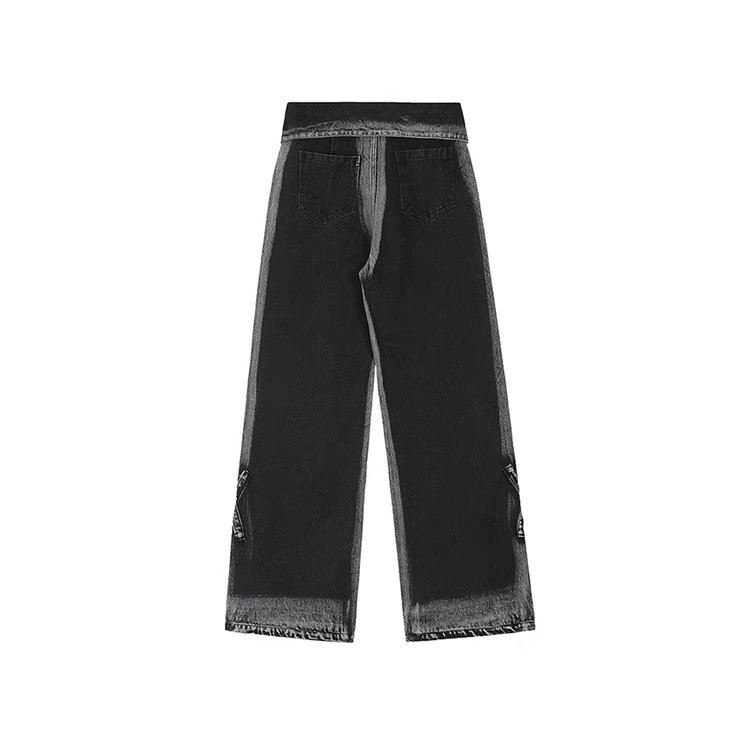
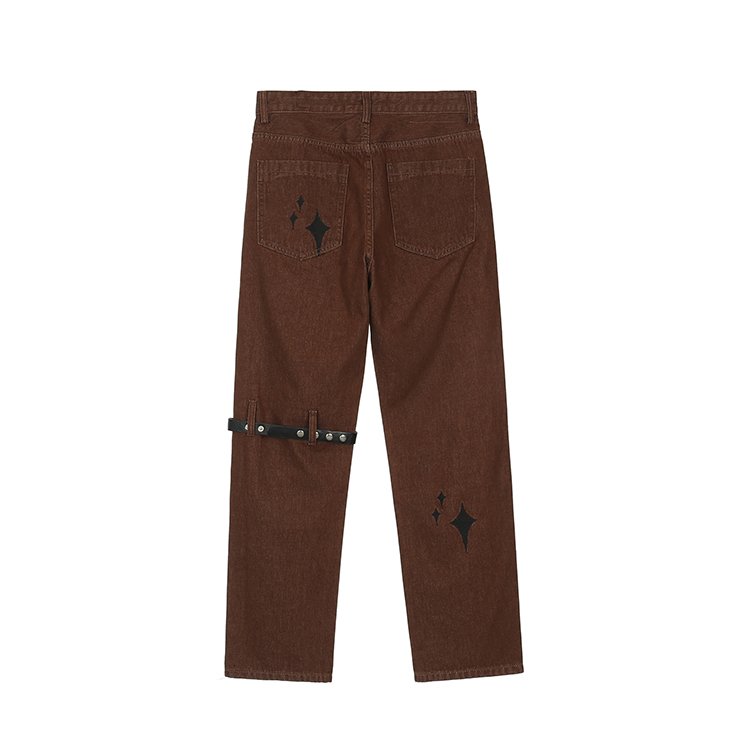
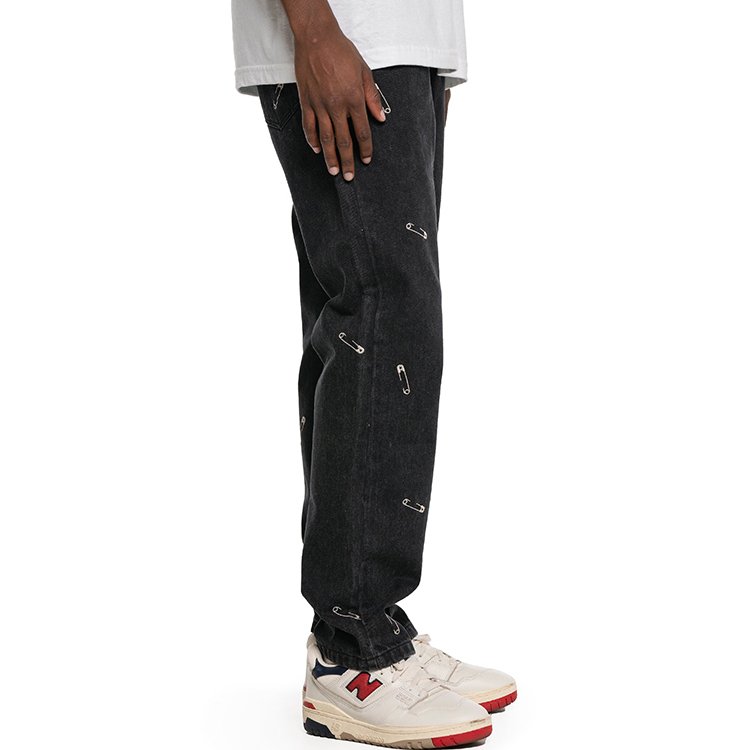
Featured Products for factory second jeans Development




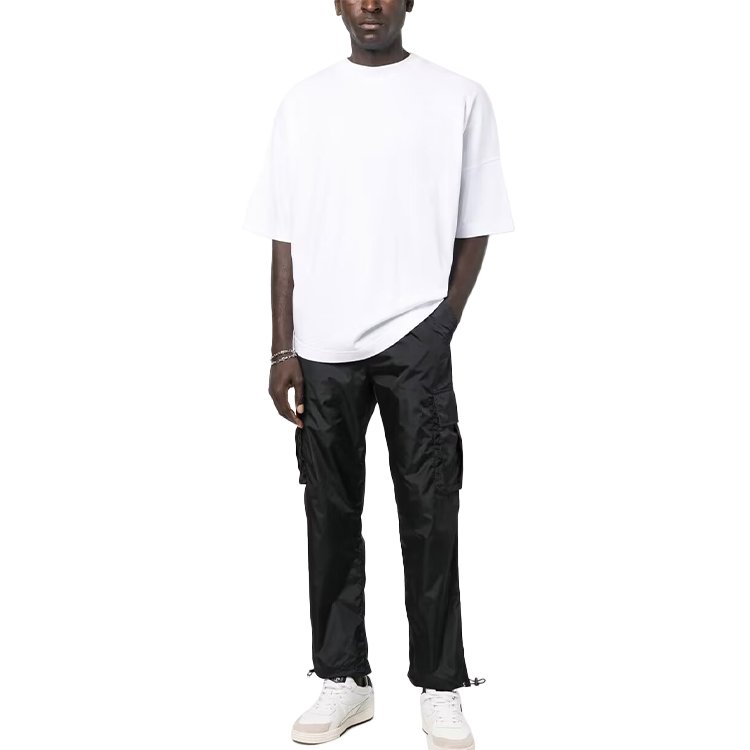

Related Product Catalogue and Quotation




Why Source Factory Second Jeans With VeeWen
Practical denim development and private-label coordination for focused drops, repeatable specifications and production-ready bulk orders.
100-Piece Test Runs
Start a focused factory second jeans drop from 100 pieces per style, then refine proven fits and details for reorders.
Specification-Led Development
Turn reference samples, sketches or tech packs into clear measurements, fit blocks, construction details and approved production specifications.
Wash Development Support
Develop enzyme, stone, acid or vintage wash directions while reviewing shade variation, shrinkage and the intended denim hand feel.
Menswear Denim Focus
Work with a production partner centered on menswear and streetwear, from straight-leg jeans to baggy fits, cargos and coordinated sets.
Private-Label Coordination
Coordinate woven labels, care labels, hangtags, buttons, zipper pulls, patches, polybags and packing details within one accountable workflow.
Checked Before Shipment
Move from sampling through bulk production with documented checkpoints, in-line inspection, final quality checks and shipment-ready packing.
More Factory Second Jeans Options and Guides
Compare adjacent product categories, manufacturing options and practical buyer resources from the VeeWen architecture.

Denim Apparel Manufacturing
Denim apparel manufacturer VeeWen delivers OEM, ODM and private-label denim development from 100 pieces per style. Send your tech pack to request a quote.
Explore Category
Buckle Factory Seconds Mens Jeans
buckle factory seconds mens jeans: build OEM-ready denim from 100 pieces per style, with custom washes and private labels. Request a custom quote today.
Explore Category
Miss Me Jeans Supplier
Miss me jeans supplier for OEM and private-label programs from 100 pieces per style, with samples, washes and custom trims. Request a custom quote today.
Explore Category
Purple Jeans Vendor
Purple jeans vendor for OEM and private-label production from 100 pieces per style. Develop custom washes, trims and packaging—request a custom quote.
Explore Category
Denim Dyeing Supplier
denim+dyeing+supplier for custom washed denim, from a 100-piece-per-style MOQ. Confirm shades, sampling and bulk specifications—request a quote today.
Explore Category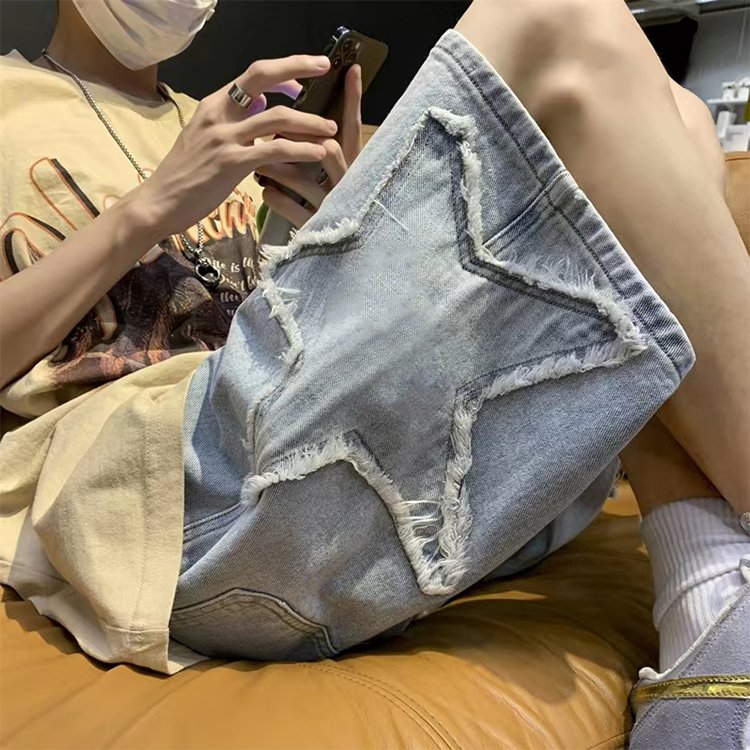
Denim Clothing Manufacturer
Denim clothing manufacturer for OEM and private-label programs from 100 pieces per style. Develop washed denim, trims and fits with VeeWen. Request a quote.
Explore Category
Denim Manufacturing
Denim manufacturing with a 100-piece-per-style MOQ, OEM/ODM development, custom washes, and private-label trims. Send your tech pack to request a quote today.
Explore Category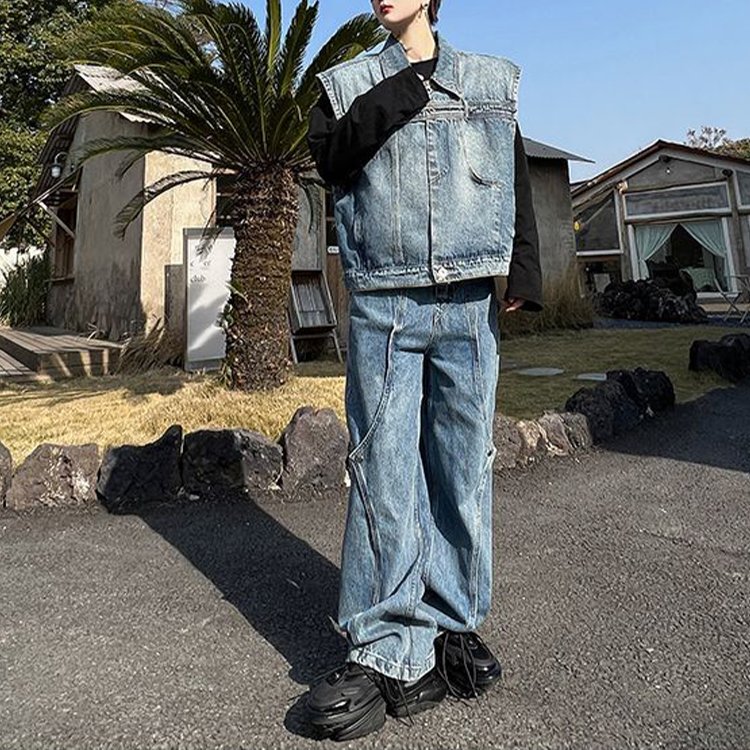
Denim Jeans Supplier
Denim jeans supplier for OEM and private-label programs from 100 pieces per style, with sampling, washes and custom trims. Request a custom quote today.
Explore CategoryFactory Second Jeans Denim Fabrics We Source


Tencel Blend Denim
Cotton and Tencel blend denim with a softer, smoother hand for relaxed jeans, wide-leg fits and lighter collections. Usually 8–11 oz, it drapes more easily and takes subtle enzyme or softener washes well.
Colored Twill Denim
Yarn-dyed or piece-dyed cotton twill for black, ecru, olive and fashion-color denim programs. Its medium-weight 10–13 oz construction suits jeans and overshirts, with wash testing used to control shade variation.
Factory Second Jeans Washing, Decoration and Finishing
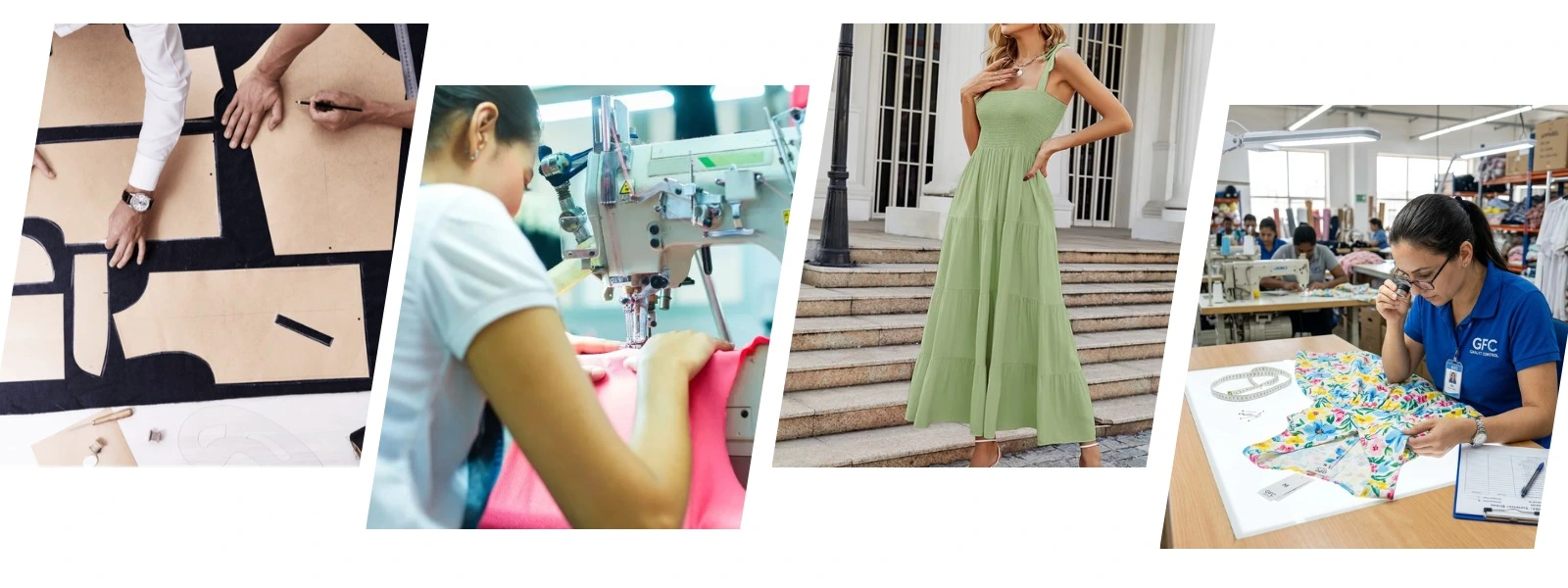
Enzyme Wash
Enzyme washing softens factory second jeans and creates a naturally worn surface with less abrasive treatment than traditional stone wash. It supports comfortable hand feel, controlled color reduction and a cleaner vintage-inspired denim character.

Stone Wash
Stone washing uses abrasion to break in denim, fade high-contact areas and add authentic texture. VeeWen can align the wash target to your approved sample, balancing visual contrast with fabric strength and seam durability.
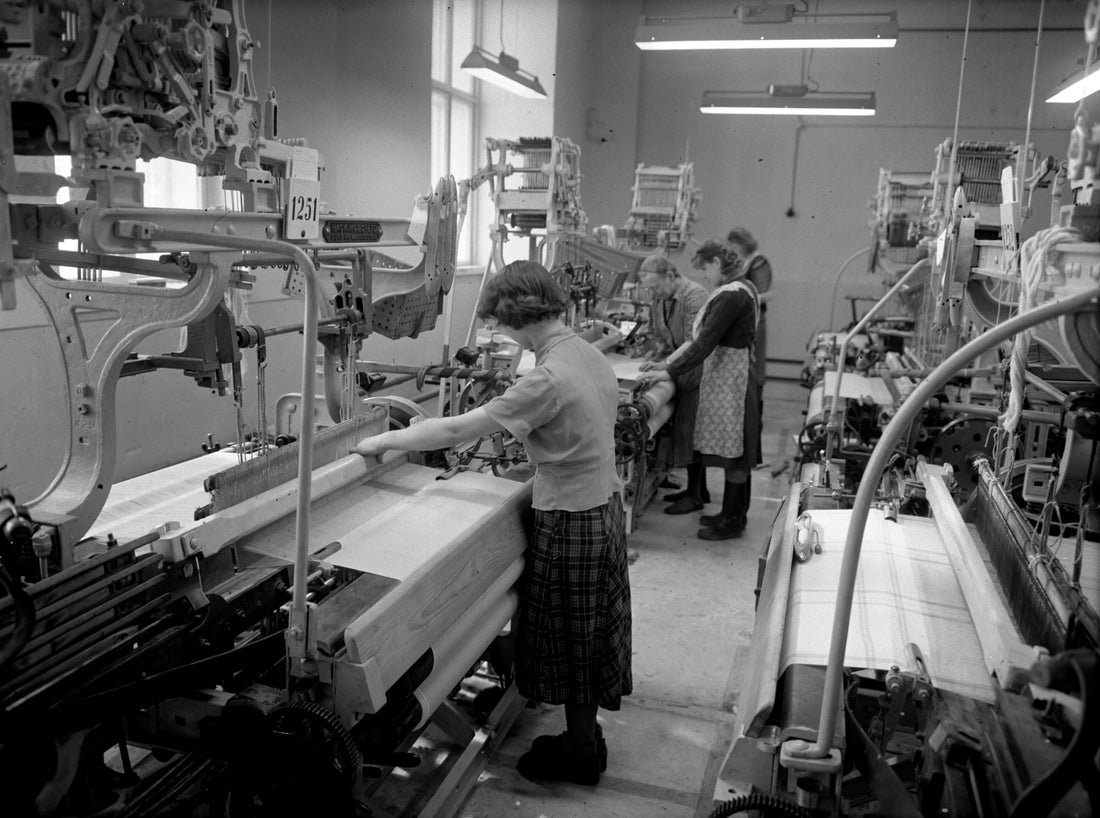
Vintage Distressing
Strategic sanding, whiskering, grinding and controlled tears create factory second jeans with a broken-in streetwear look. Placement is reviewed against the pattern and fit block so distressing reads consistently across graded sizes.
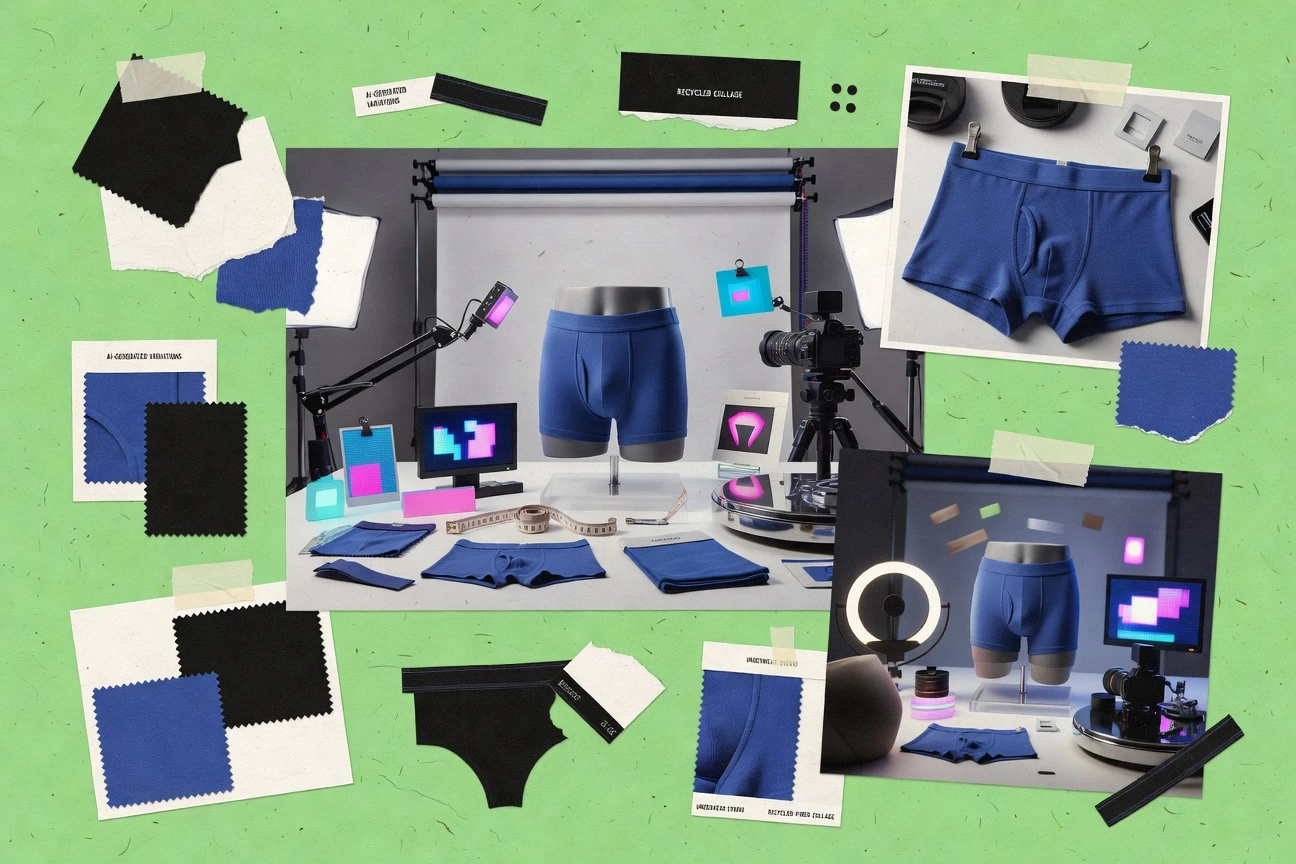
Screen Printing
Screen printing adds bold graphics, branding or placement artwork to denim panels and pockets. Ink selection and print size are tested for adhesion, flexibility and wash performance, helping artwork retain a clear, durable visual result.

Denim Embroidery
Flat or 3D embroidery adds textured logos, motifs and premium detail to factory second jeans. We review stitch density, backing and placement to protect denim drape, avoid puckering and achieve a reliable finish in bulk production.

Pigment Dye
Pigment dye creates uneven depth, faded character and a garment-worn appearance for denim programs. Because shade and shrinkage can vary by wash recipe, VeeWen confirms the target through sampling before bulk production.
Trims and Packaging for Factory Second Jeans

Woven Brand Labels
Custom woven main labels, size tabs and care labels provide consistent brand identification inside factory second jeans. We help position them at the waistband, pocket seam or neck area while matching your requested color, fold and construction.

Metal Snap Buttons
Branded snap buttons add a durable, workwear-informed closure for jean waistbands, pockets and denim jackets. Choose finishes such as antique brass, gunmetal or matte black, then confirm logo artwork and pull-test requirements during sampling.

Custom Zipper Pulls
Custom zipper pulls give fly zippers, cargo pockets and denim overshirts a more finished private-label look. Material, plating, logo treatment and pull shape can be matched to the garment wash and your intended price point.

Leather Waist Patches
A debossed leather or synthetic leather patch creates a recognizable waistband signature on factory second jeans. We can coordinate patch size, edge treatment, logo placement and color against the denim wash before bulk production approval.
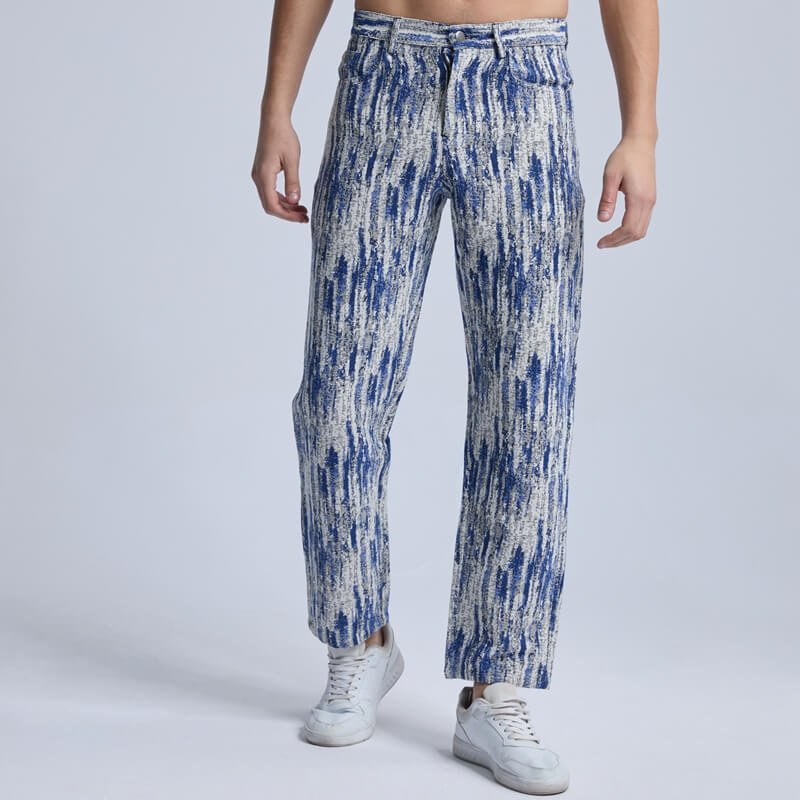
Printed Hangtags
Custom hangtags communicate your collection story, sizing and retail details at point of sale. Select stock, shape, print finish and attachment method to complement your jeans, then pair them with branded strings, seals or safety pins.

Branded Polybags
Branded polybags protect folded denim during packing and support cleaner warehouse handling for e-commerce or wholesale orders. Add your logo, size sticker, barcode placement and warning copy according to your sales-channel requirements.
Factory Second Jeans, Built Accountably
Founded in Dongguan in 2016 by ChangKeng Luo, VeeWen helps global labels turn denim concepts into production-ready factory second jeans and complete apparel collections. Our lead focus is menswear and streetwear, with practical development support for brands that need clear specifications before bulk production begins.
From a tech pack, sketch, reference sample or initial idea, we coordinate fabric sourcing, pattern development, sampling, fit review, washing, private-label trims, bulk manufacturing, quality checks, packing and shipment coordination. Our standard MOQ is 100 pieces per style, giving emerging brands a workable route to test focused denim drops.
What sets VeeWen apart is one accountable, production-minded workflow from concept through packed bulk goods. We explain the trade-offs behind denim weight, wash effects, shrinkage, shade variation and finishing choices, so approved samples and documented checkpoints guide repeatable reorders.
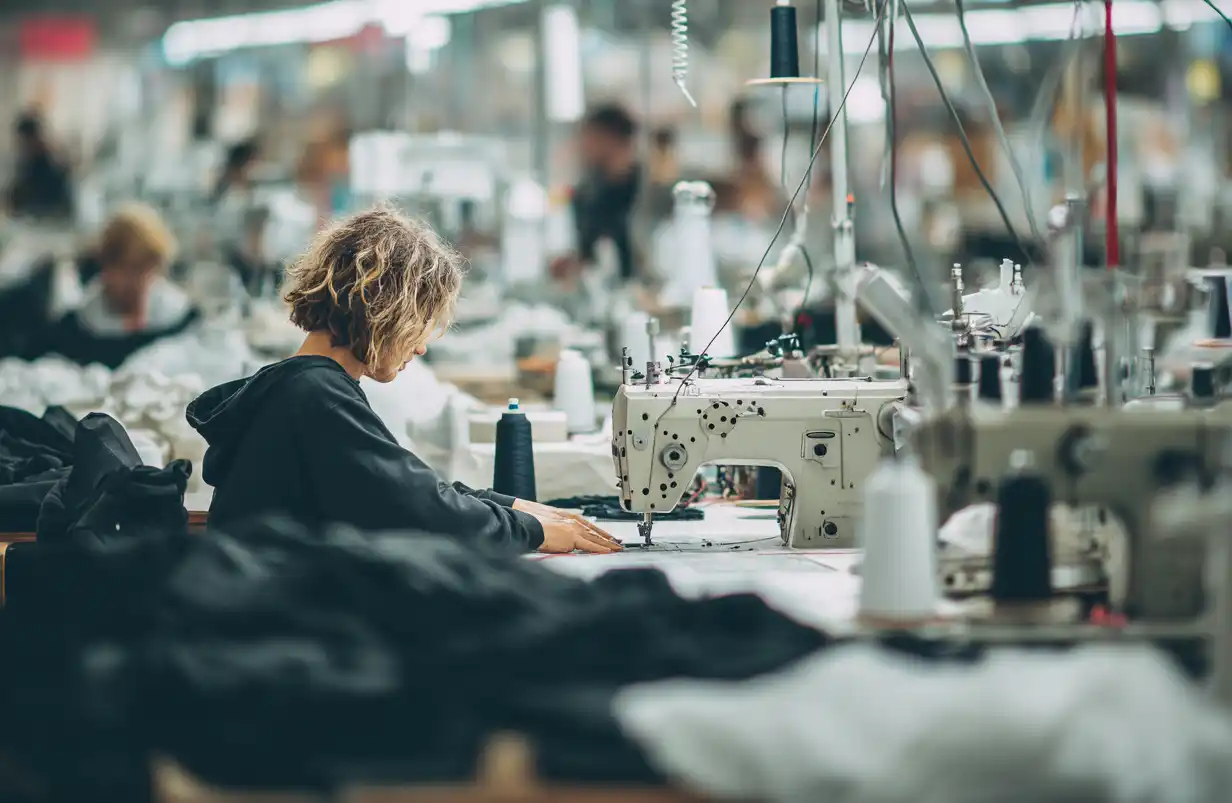
Production-Ready Factory Second Jeans Capabilities
Visual Concepts Into Specifications
Bring sketches, reference samples, fit images or an initial brief. VeeWen translates the direction into practical factory second jeans specifications, including construction details, measurement points, trim requirements and decoration placement for sample approval.
- Tech-pack clarification from visual references
- Construction, pocket and stitch-detail definition
- Labels, hardware and packaging mapped early

Denim and Wash Direction
Fabric weight, fiber blend and wash recipe must support the intended silhouette and price point. VeeWen recommends denim and finishing options while explaining expected shade variation, hand feel, shrinkage and distressing trade-offs before bulk production.
- Denim selection by weight, structure and hand feel
- Vintage fading, enzyme, stone and acid wash options
- Wash testing before pre-production confirmation

Fit Blocks That Stay Consistent
Factory second jeans still need a dependable size run. VeeWen reviews fit blocks in production terms, from waist and rise to thigh, inseam and leg opening, then uses approved measurements to guide grading and repeat orders.
- Fit review against your target silhouette
- Graded measurements across the size range
- Sample feedback documented before bulk release

Documented Bulk Production Checks
Clear checkpoints keep denim programs aligned after sampling. VeeWen coordinates pre-production confirmation, in-line inspection, final quality checks, packing review and shipment preparation, giving buyers one accountable workflow from concept through packed goods.
- Pre-production sample and specification confirmation
- In-line checks for construction and wash consistency
- Final inspection, packing and shipment coordination

Why Choose VeeWen for Factory Second Jeans
A production-minded denim partner for clear specifications, controlled development and private-label execution.
← Swipe left or right to view →
Factory Second Jeans Manufacturing Process
A production-minded denim workflow that converts approved specifications into packed bulk goods with clear checkpoints at every stage.
Clarify Specs and Source
Share your tech pack, reference jeans or visual direction; we confirm fit, target price, denim weight, wash direction and suitable fabric options.
Develop Pattern and Sample
Our team builds the pattern, graded measurements and first sample, then reviews fit, construction, shrinkage, shade and distressing details with you.
Approve Wash and Details
We test washes, printing, embroidery, trims and private-label components, documenting approved specifications before pre-production confirmation and bulk release.
Run Controlled Bulk Production
VeeWen coordinates cutting, sewing, washing and finishing for your factory second jeans order, with in-line checks against approved samples and measurements.
Inspect Pack and Ship
Final quality checks verify workmanship, measurements, wash appearance and labeling before packing, carton preparation and shipment coordination for your destination.
How to Work With VeeWen on Factory Second Jeans
Move from an initial denim concept to approved bulk production through a clear, documented development workflow.
Send Your Product Direction
Share a tech pack, reference sample, sketches, images, target quantity, sizing and wash direction. VeeWen reviews construction, fabric, trims and production requirements.
Confirm Quote and Sampling
Review the recommended specifications, pricing and development plan, then confirm your sample order. We source materials, develop patterns and test agreed wash or decoration details.
Review and Approve Samples
Assess fit, measurements, denim hand feel, shade, wash effect, labels and packaging. Submit revisions where needed before approving the final production-ready specification.
Authorize Bulk Production
Approve the pre-production details and VeeWen moves into bulk manufacturing, in-line inspection, final quality checks, packing and shipment coordination for your factory second jeans order.
Documented Standards for Buyer Review

Applicable material certificates and scope documents can be reviewed against the selected fabric and production order.

GOTS-related material and chain documentation is matched to the selected program and verified for current scope before use.

Current social-compliance audit documentation can be supplied for buyer review and onboarding when applicable.
Responsible-sourcing and audit records can be reviewed with the VeeWen team for the relevant factory and order scope.

Order-specific material declarations and test documentation are reviewed for applicable REACH requirements; this neutral icon denotes documentation rather than an official REACH certification logo.
Factory Second Jeans Results From OEM Apparel Programs
VeeWen helped us turn a four-wash denim capsule into a production-ready program. We approved samples after two fit rounds and launched 600 pairs with consistent grading, labels, and packing details ready for our fulfillment team.
Our first private-label order was 300 jeans across three sizes. The team flagged wash-shade and shrinkage trade-offs early, which prevented a costly revision. The finished cargo denim drop sold through 72% of units in the first month.
We needed heavyweight streetwear denim with embroidery, custom patches, and retail-ready hangtags at a 100-piece-per-style MOQ. VeeWen kept every approval clear, and our repeat order increased from 150 to 450 units per style.
Factory Second Jeans FAQ
Clear answers on MOQ, samples, production, quality control and private-label denim sourcing with VeeWen.
What is the MOQ for factory second jeans orders?
Can you make factory second jeans from my tech pack or reference sample?
Are factory second jeans actually defective or rejected goods?
How long does a factory second jeans sample and bulk order take?
Can I approve a denim sample before you begin bulk production?
What payment terms do you offer for private-label jeans?
Can VeeWen arrange international shipping for denim orders?
How do you protect my designs, branding and product information?
Complete Buyer’s Guide to factory second jeans
Use this framework to evaluate factory second jeans opportunities, compare supplier quality and customization capabilities, estimate costs, and avoid sourcing mistakes when selecting a dependable China manufacturing partner for your brand.
1. What Are factory second jeans?
100% new, factory second jeans are unworn denim garments set aside during production or final inspection because of a minor nonconformity or approved surplus. Typical issues include uneven wash shade, small stitching irregularities, misaligned labels, cosmetic marks, or measurements outside the agreed tolerance.
2016-style sourcing discipline matters: legitimate seconds are not customer returns, used jeans, counterfeit goods, or intentionally distressed private-label denim. They arise from inspection failures, cancelled allocations, overproduction, or wash variation, and can suit value retail, outlet, resale, or upcycling programs when defects are graded, disclosed, and commercially acceptable.
2. Evolution of Factory Seconds in Denim
1960s outlet retail gave denim mills and brands a channel for garments rejected during inspection, often for shade variation, skew, stitching, or wash inconsistency. As automated cutting, washing, and higher-volume production expanded, over-runs and cancelled orders added surplus beside true seconds.
2000s sustainability scrutiny changed the sourcing conversation: disposal became harder to defend when denim carries water, energy, chemicals, and transport costs. Wholesale buyers now need lot-level traceability, consistent defect grading, and approved rework or resale rules before accepting factory second jeans.
100-piece private-label programs require the same discipline. VeeWen can document sample approvals, inspection checkpoints, and packing specifications so imperfect inventory is identified early and disposition decisions remain commercially and reputationally controlled.
3. Types of factory second jeans
Six common streams appear in factory second jeans lots, and each needs separate grading before resale. A 100-piece mixed lot should never be priced or labeled as one uniform program.
Cosmetic And Measurement Seconds
One loose stitch, scuff, or 1–2 cm measurement variance can suit outlet resale when defects are visible and wear-safe. Grade consistency is moderate; label as seconds, making it best for value-led retailers.
Wash And Shade Variation

Two indigo lots may differ in cast, fading, or contrast after washing. Consistency is low, so disclose shade variation; this suits vintage-focused sellers able to photograph individual units.
Samples, Overruns, And Repairs

One-off samples, excess units, cancelled orders, and repaired jeans can be resale-ready, but size and trim continuity varies. Remove prior branding where authorized and label repairs clearly; they fit curated resellers and upcycling brands.
4. Materials Behind factory second jeans
12–14 oz denim sets both perceived value and failure exposure in factory second jeans. Lock fiber, construction, dye, and wash against the approved sample before bulk cutting.
| Market | Durability | Hand | Shrinkage | Color | Sustainability |
|---|---|---|---|---|---|
| Heritage | High | Crisp | Low | Variable | None |
| Mass | Medium | Soft | Medium | Steady | None |
| Eco | Medium | Dry | Medium | Variable | Recycled |
Fiber Content
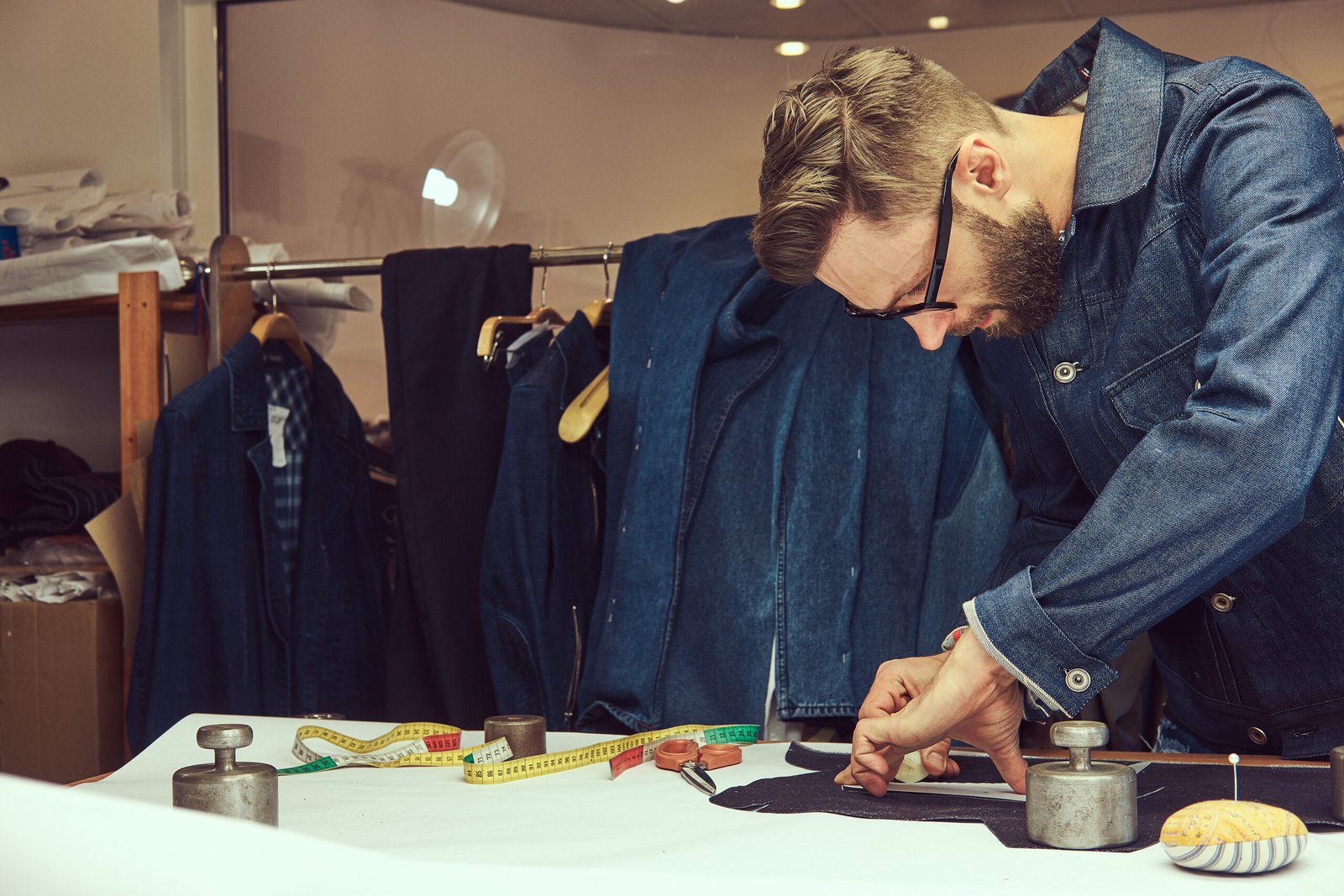
Ring-spun cotton is smoother; open-end cotton is cheaper and hairier. Recycled cotton can weaken abrasion resistance unless blended with virgin fiber.
Weight And Weave

3×1 right-hand twill is the standard durable denim weave. Rigid fabric holds shape; 1–2% elastane adds recovery but raises growth risk.
Dye And Wash

Indigo lots can vary in cast, especially after enzyme or stone washing. Sanforized fabric reduces shrinkage; wash trials reveal crocking and shade loss.
5. Customizing factory second jeans for Brands
Existing factory second jeans can accept selected private-label additions, but the original defect and shade variation remain. VeeWen can assess available stock against your branding plan before committing to a 100-piece style program.
| Option | Existing Seconds | Made To Order |
|---|---|---|
| Relabels and hangtags | Usually workable | Workable |
| Patches and repairs | Case-dependent | Fully specified |
| Laser and wash effects | Limited | Best controlled |
Stock-Safe Branding
100-piece lots suit relabeling, hangtags, polybags, woven patches, and small repair details.
1 approval sample should confirm patch position, needle marks, and label removal risk.
- Disclose second-grade status accurately
- Keep original care requirements
Made-To-Order Enhancements
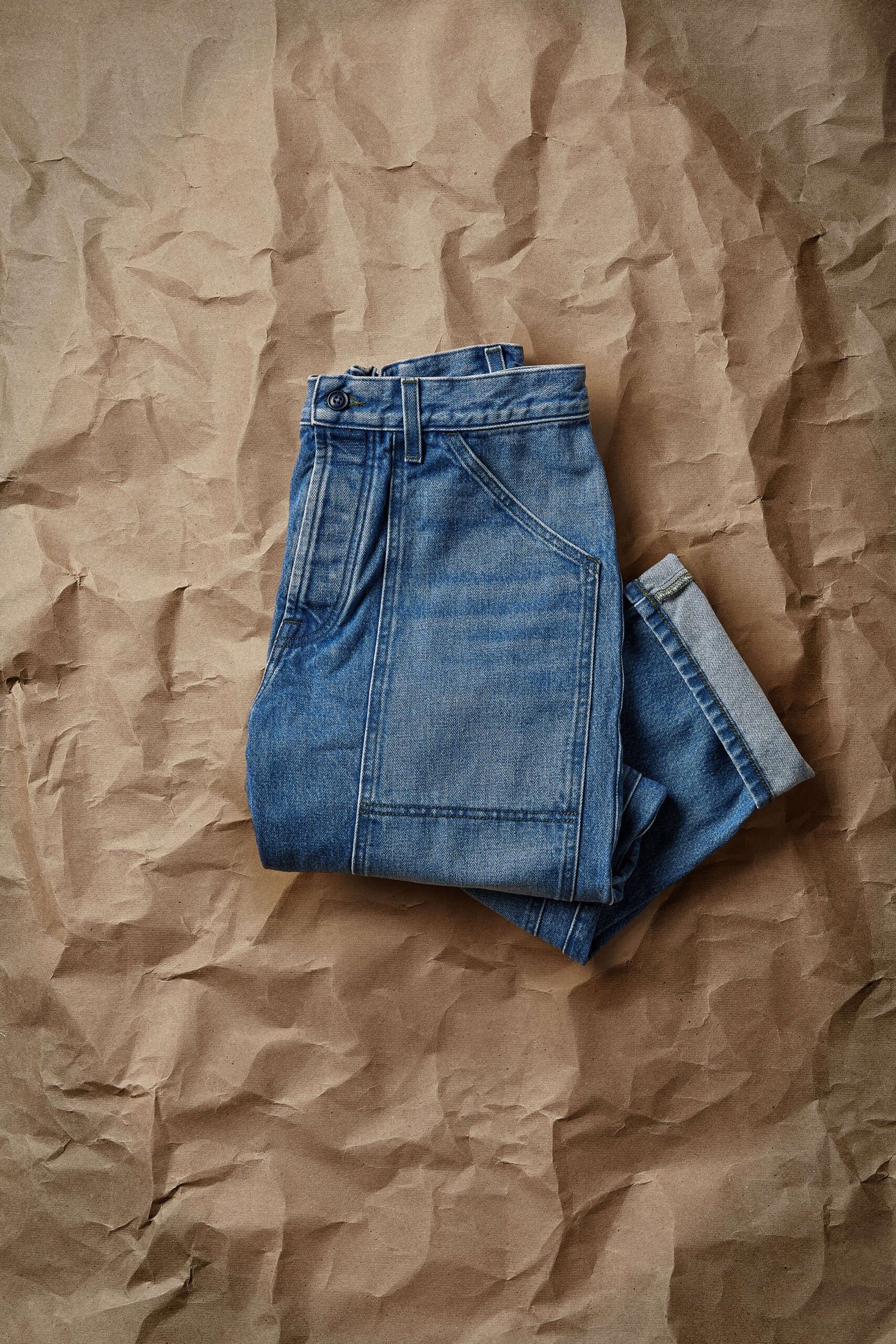
100-piece made-to-order runs allow embroidery, screen prints, laser artwork, custom repairs, and controlled enzyme or pigment washes.
2 wash approvals are prudent because denim shade, shrinkage, and distressing cannot match perfectly between lots.
- Approve artwork before bulk cutting
- Use a sealed pre-production sample
Customization Fit
1 clear specification separates resale-ready seconds from a branded denim capsule.
100 pieces per style is VeeWen’s standard MOQ; complex washes or trims may require practical quantity and lead-time review.
6. Construction and Quality Checks
A pre-shipment report should separate repairable seconds from defects that compromise fit, durability, or saleability. Inspect against the approved sample, graded measurement chart, and agreed AQL before packed goods leave the factory.
Fit And Grading
100% of key points should be measured across the size run, including waist, rise, inseam, leg opening, and waistband shape.
±0.5–1.0 cm tolerances should be agreed by point; twisted seams or uneven hems require classification.
Seams And Hardware
8–10 stitches per inch is a practical denim benchmark; inspect inseams, seat seams, belt loops, and pocket attachment.
Every zipper, button, and rivet should function securely; loose hardware, skipped stitches, or broken bartacks are major defects.
Wash And Final Audit
AQL 2.5 is commonly requested for major defects, while critical safety or functional defects receive zero acceptance.
24-hour rub tests should check indigo color transfer; compare wash shade, fading, distressing, pocket placement, and labels against the sealed sample.
7. Choosing a factory second jeans Supplier
Three supplier checks prevent a low purchase price from becoming an inconsistent resale program. Compare documented evidence before approving any factory second jeans bulk order.
Verify The Supply Chain
100-piece MOQs suit testing, but ask whether the supplier owns stock or brokers it. Request source invoices, lot numbers, warehouse photos, and export references.
Define Grade And Size
3 grade labels are common: A, B, and mixed, yet each needs written defect limits. Review defect photos, measured size-ratio data, wash shade variation, and repeat-lot availability.
Test Commercial Readiness
1 pre-shipment sample should confirm grading, labels, repairs, and packing before payment. Verify compliance documents, customization capability, English response speed, payment milestones, and destination-market export experience.
8. Common Sourcing Mistakes to Avoid
Factory second jeans vary by defect type, wash lot, size curve and legal resale status. A low unit price can quickly become margin loss when grading, rework and assortment rules are undocumented.
Define Defect Grades
3 grade labels can hide very different faults, from loose threads to off-spec rise. Ask: What exact defect codes and acceptable defect rate apply?
Approve A Representative Sample
1 photo set rarely reveals shade variation, skew or pocket placement. Ask: Can we approve samples from the actual lot before payment?
Protect Brand And Reorder Plans
2 risks are misleading labels and assuming stock can repeat. Ask: Are labels removed legally, and is this a one-time lot or a controlled program?
9. Launching a Factory-Seconds Denim Program
A 30-day launch starts by defining the buyer, sales channel, and disclosure language for factory second jeans. Use existing stock for rapid testing; use a controlled OEM run when repeatable grades and reorders matter.
Set Grades And Claims
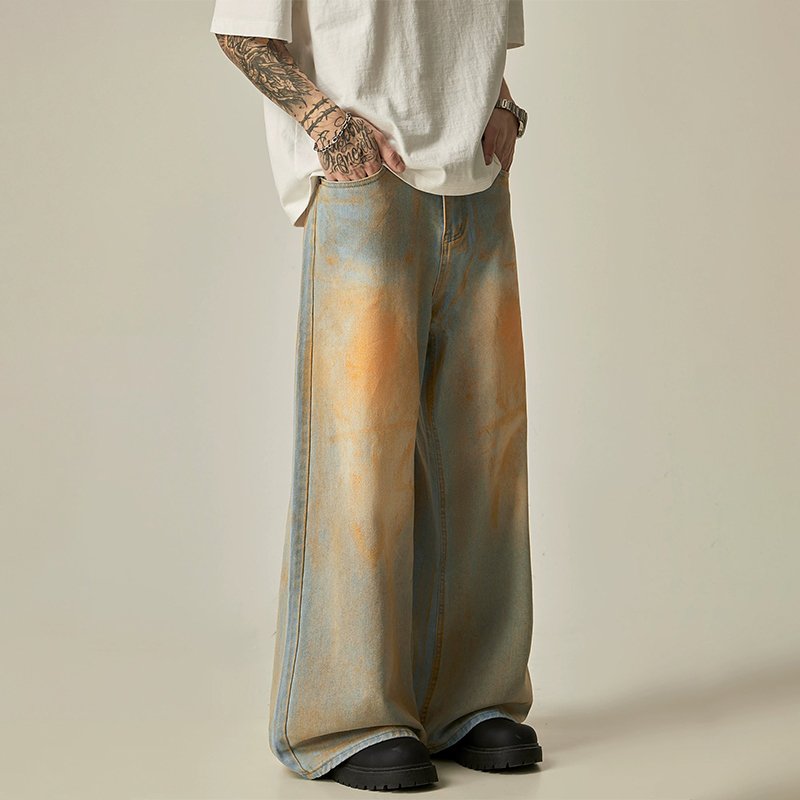
Three grades are usually enough: saleable cosmetic variance, repairable flaw, and reject. Photograph approved examples and state defects plainly.
Approve The Selling Setup

100-piece OEM runs need an approved sample, size mix, labels, polybags, and carton marks before cutting. Keep grade rules on the purchase order.
Control Delivery And Feedback
Two quality gates—pre-production and final inspection—separate acceptable units from rejects. Plan fulfillment by grade, then collect return reasons, fit comments, and sell-through data.
10. Factory Second Jeans Pricing and Cost
100-piece orders typically carry the highest unit cost because sorting, measurement checks, and packing are spread across fewer jeans. Treat the ranges below as planning estimates, not quotes; verified inventory, defect grade, wash work, and destination set the final figure.
1 landed-cost comparison should add unit price, customization, packaging, inspection, duty, and freight to the same destination. A heavier 13–14 oz denim or intensive acid/stone wash can move cost more than a small ex-factory price difference.
| Quantity tier | Estimated USD/unit | Typical lead time |
|---|---|---|
| 100–299 pieces | $11–18 | 20–30 days |
| 300–999 pieces | $9–15 | 25–35 days |
| 1,000+ pieces | $7–13 | 30–45 days |
Start Your Factory Second Jeans Quote
Send your tech pack, reference images, or product idea for sampling and production planning from 100 pieces per style.