
T-Shirts & Tops Styles and Specifications for 100-Pc OEM
Turn t-shirts & tops styles and specifications into production-ready menswear and streetwear with OEM, ODM, and private-label support from sample to packed bulk goods.
Featured Products for t-shirts & tops styles and specifications Development



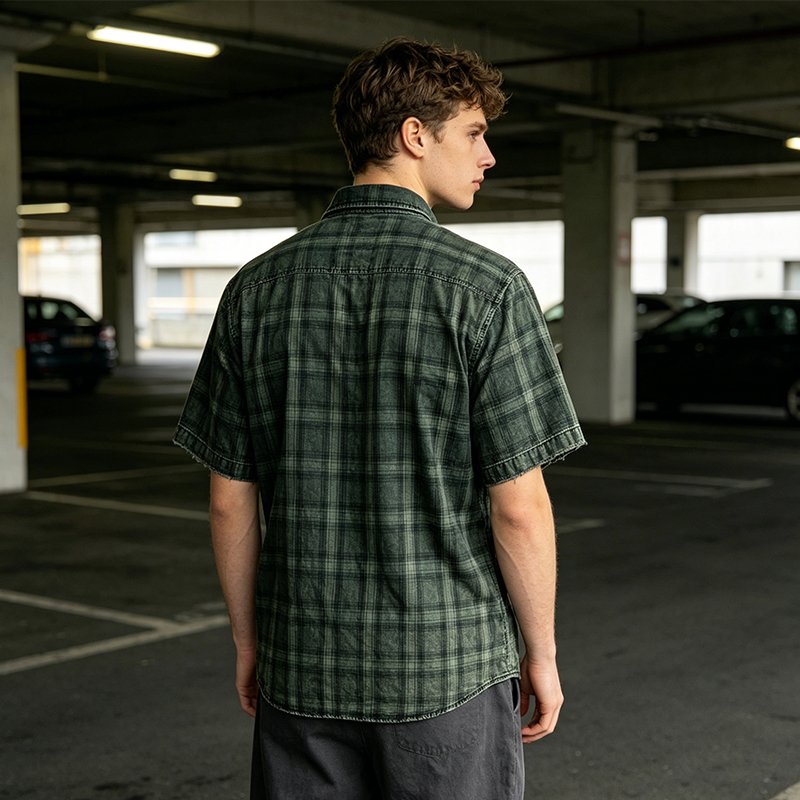

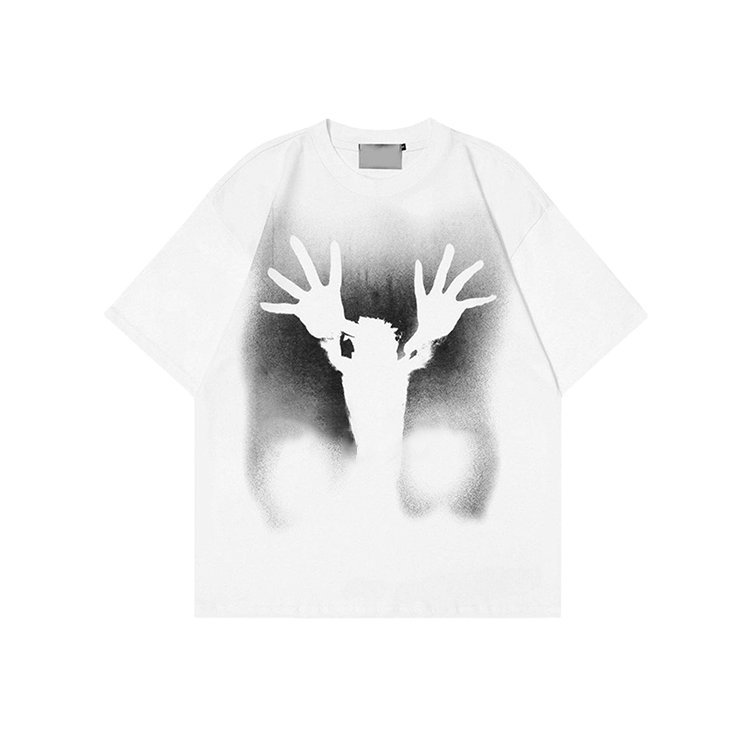


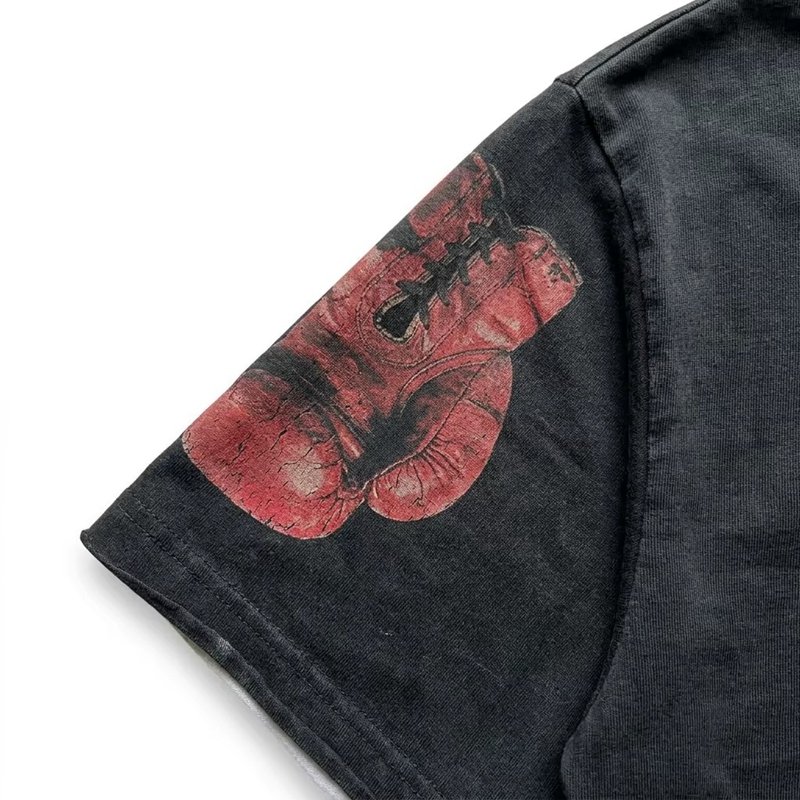
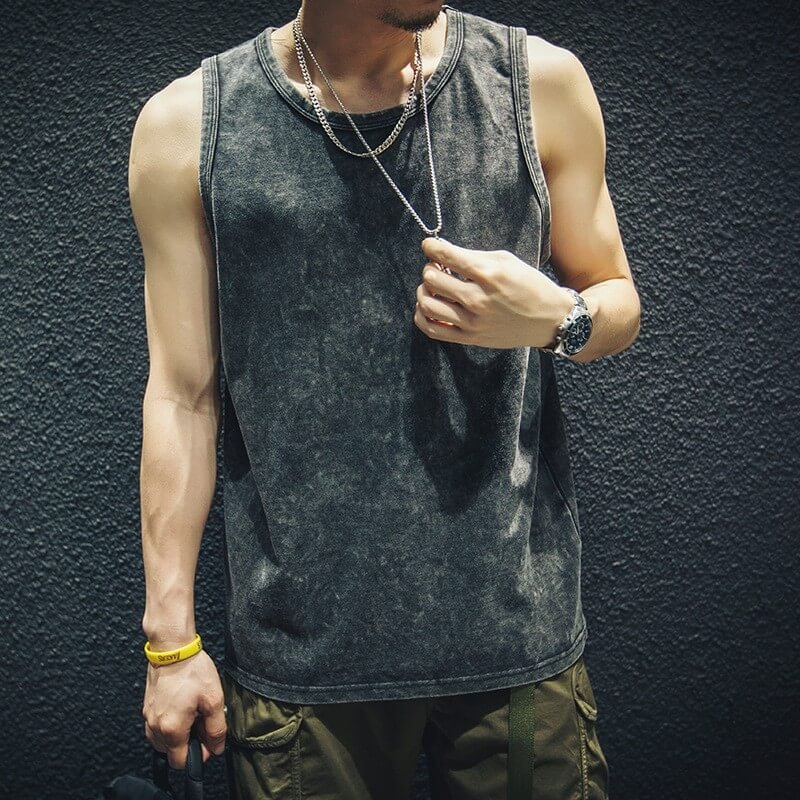


Related Product Catalogue and Quotation





T-Shirts & Tops Styles and Specifications, Made Repeatable
VeeWen turns visual direction into approved, production-ready top programs with clear checkpoints from first sample to packed bulk goods.
100-Piece Style MOQ
Launch focused T-shirt and top drops from 100 pieces per style while establishing specifications ready for future reorders.
Fit Blocks Made Clear
Translate references into practical measurements for body width, shoulder drop, sleeve pitch, length, and graded size consistency.
Material Guidance
Choose jersey, rib, fleece, or performance blends around hand feel, weight, structure, wash behavior, price, and end use.
Decoration Testing
Test screen print, embroidery, transfers, washes, and patches before bulk production to protect drape, durability, and visual impact.
Documented Approvals
Confirm samples, measurements, colors, decoration details, trims, and packaging through clear checkpoints before bulk manufacturing begins.
Direct Production Communication
Work directly with VeeWen’s English-speaking team for practical updates across sourcing, sampling, quality checks, packing, and shipment coordination.
Explore T-Shirts & Tops Styles & Specifications
Continue to every direct child page in this Studio architecture section.

Oversized T Shirt Manufacturers
Oversized t shirt manufacturers for OEM and private-label streetwear, with a 100-piece-per-style MOQ and sample-led approvals. Request a custom quote today.
Explore CategoryT-Shirts & Tops Styles and Specifications: Materials Matched to Hand Feel and Performance

Cotton Single Jersey
A breathable, soft everyday knit for classic tees, fitted tops and layering pieces. Available across light to heavyweight constructions, with 180–260 GSM commonly chosen to balance comfort, opacity and print readiness.
Heavyweight Cotton Jersey
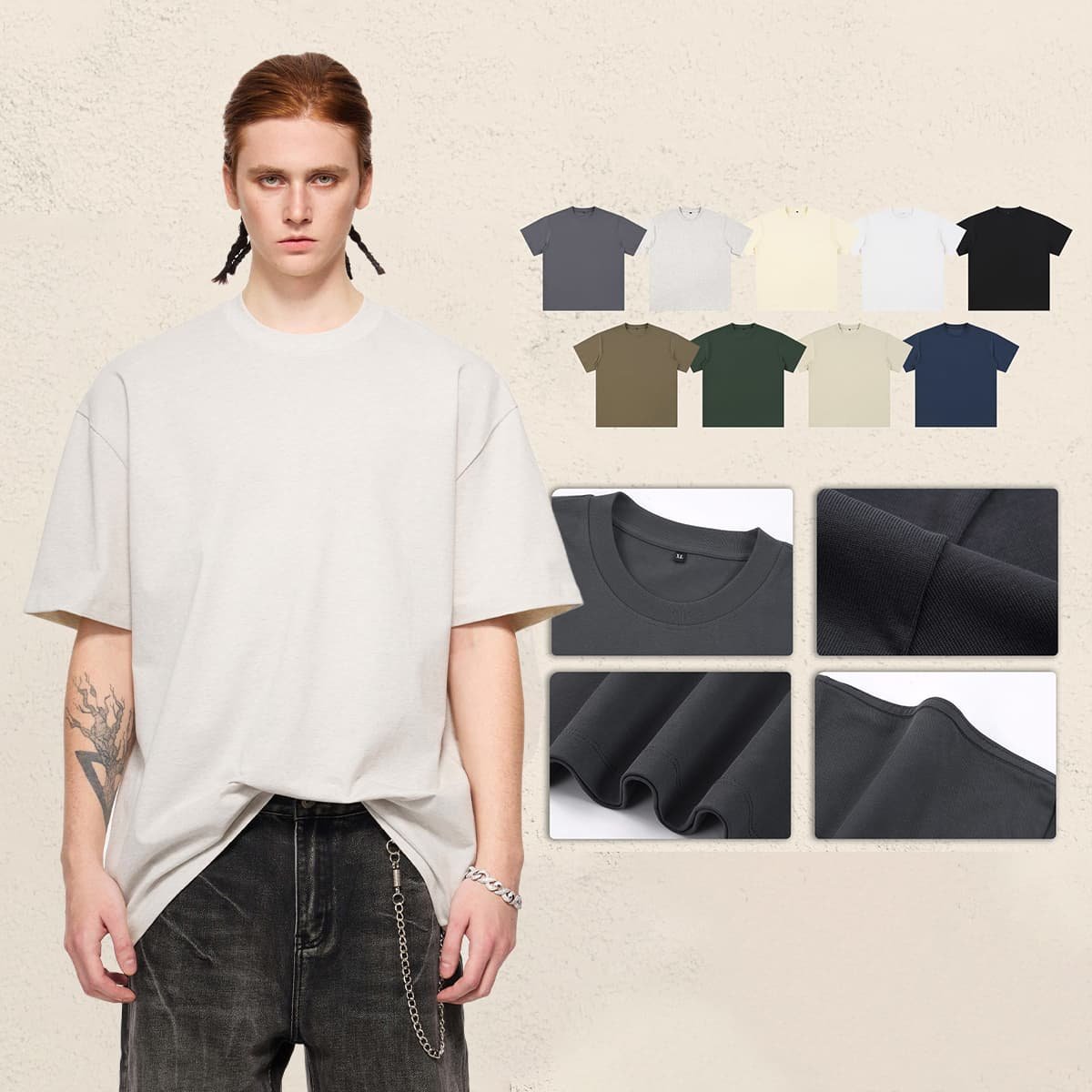
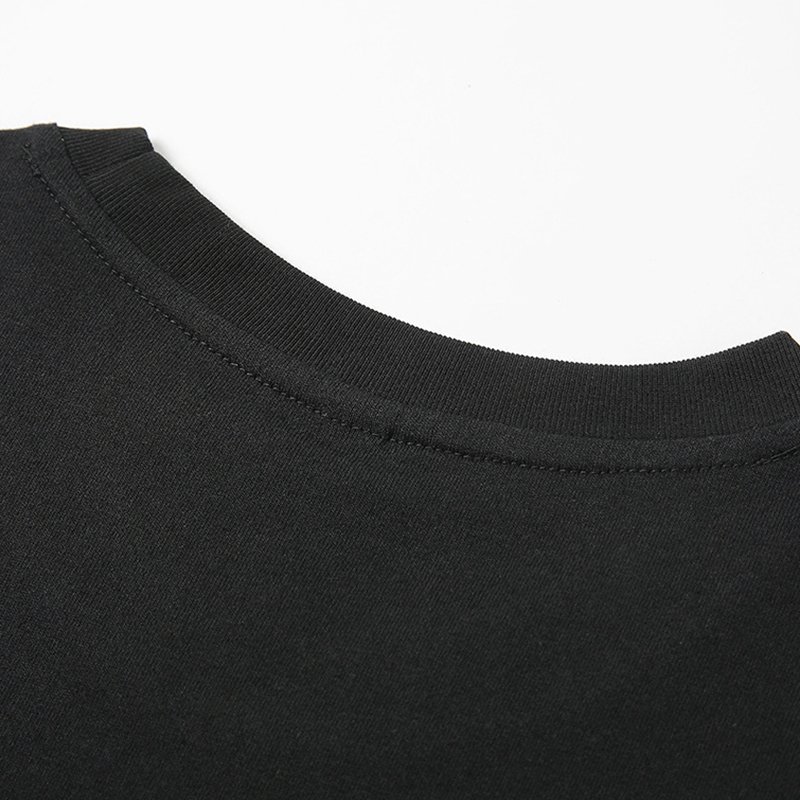
A dense, structured jersey suited to oversized, boxy and premium streetwear T-shirts. Typically 240–320 GSM, it holds a stronger silhouette, supports ribbed necklines and gives washes and graphics a substantial base.
Cotton Spandex Jersey
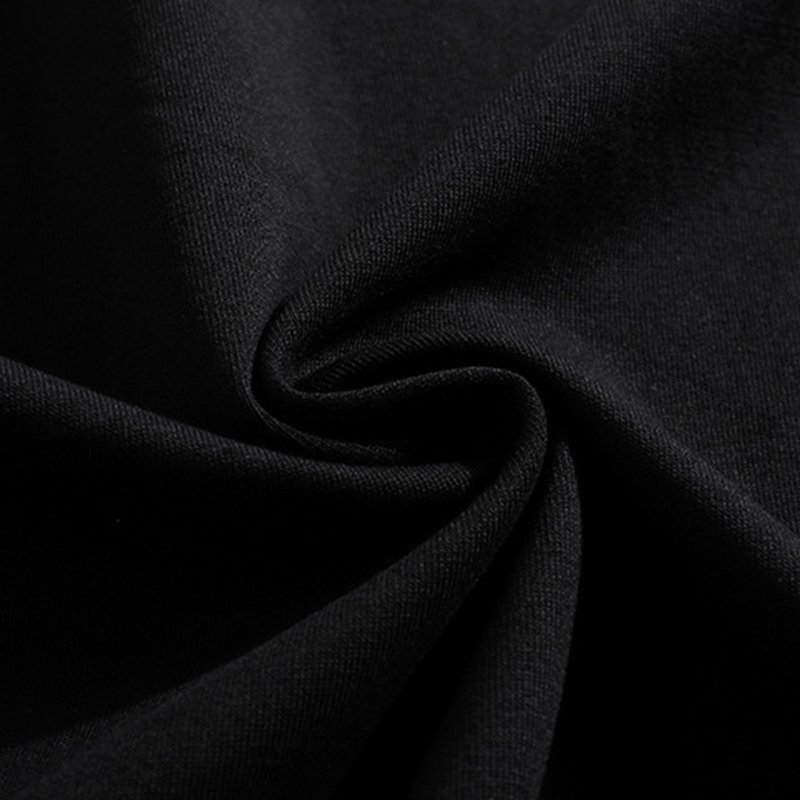
A smooth jersey with controlled stretch and recovery for fitted T-shirts, tanks, polos and body-conscious tops. A small elastane content improves shape retention while preserving the familiar cotton hand feel.

Cotton Modal Jersey
A softer, drapier knit for elevated basics, fashion tops and next-to-skin layers. Modal adds a silky hand feel and fluid fall, making medium-weight constructions well suited to refined casual collections.
Polyester Performance Knit
A lightweight, quick-drying option for training tops, teamwear and active streetwear. Moisture-management yarns and engineered stretch can support movement, while the knit weight is matched to coverage, ventilation and sublimation needs.

Cotton Pique Knit
A textured, breathable fabric most often used for polos and smart-casual tops. Its raised knit structure adds visual depth and airflow, with medium-weight options providing a clean collar shape and durable everyday wear.
T-Shirts & Tops Styles and Specifications: Decoration and Finish Options

Screen Printing
Screen printing delivers bold, opaque artwork for branded tees and uniforms. Water-based inks feel softer, while plastisol improves coverage on dark garments; both require approved artwork and color testing before bulk production.

Puff High-Density Print
Puff and high-density inks build raised graphics for streetwear-focused tops. The dimensional finish creates visual impact, but large or dense coverage can reduce fabric stretch and alter the garment’s drape.

DTF Heat Transfer
DTF heat transfers reproduce detailed, multi-color artwork with flexible setup for smaller runs. They suit complex logos and placement tests, though the transfer film has a different hand feel than direct ink printing.

Flat 3D Embroidery
Flat or 3D embroidery adds durable stitched logos, lettering and patches to polos, caps and heavier tops. Stitch density must be balanced carefully, since dense embroidery can stiffen lightweight jersey or pull the fabric.

Garment Dye Wash
Pigment dye, enzyme wash and vintage fading create lived-in color and texture for streetwear. Wash treatments can introduce shade variation and shrinkage, so VeeWen confirms measurements and approved wash standards before bulk production.

Patch Application
Woven, chenille, applique, rubber and silicone patches add tactile branding to tees, sweatshirts and workwear. Patch size, backing and attachment method affect flexibility, durability and the production window for each style.
T-Shirts & Tops Styles and Specifications: Branded Trims and Packaging

Woven Brand Labels
Add woven main labels, size tabs and care labels at the neck, side seam or hem to give every garment clear brand identification, sizing guidance and market-ready finishing.


Drawcord Tipping
Specify drawcord material, diameter, color and tipped ends for hooded tops and waist styles. The right combination reinforces your color story while helping the finished garment feel intentional and durable.

Zippers and Snaps
Use zippers, snap buttons or custom pullers on zip hoodies, overshirts and technical tops. We review placement, hardware finish and trim complexity before sampling so function and production timing stay aligned.


Retail Ready Packaging
Coordinate polybags, barcode stickers, folding instructions and carton packing with your labeling plan. Clear packaging specifications help protect bulk goods, streamline receiving and support a consistent unboxing experience.
T-Shirts & Tops Styles and Specifications Partner
Founded in 2016 by ChangKeng Luo in Dongguan, China, VeeWen helps menswear and streetwear brands turn visual direction into production-ready t-shirts and tops. We combine OEM manufacturing, ODM development, private-label execution and cut-and-sew customization for buyers building focused drops or scalable collections.
Our t-shirts & tops styles and specifications workflow begins with a tech pack, sketch, reference sample or idea. Fabric sourcing, pattern development, sampling, fit review, decoration testing, bulk production, quality checks, labeling and packed goods are managed through one accountable production partner, with a standard MOQ of 100 pieces per style.
Menswear and streetwear remain our lead focus, while our full-category supply chain supports coordinated apparel for men, women and children. VeeWen gives buyers direct, practical guidance on fabric weight, fit blocks, washes, prints, embroidery and trims, so approved specifications can be repeated with confidence.
T-Shirts & Tops Styles and Specifications, Made Production-Ready
Specification That Holds Up
VeeWen converts visual direction into usable t-shirt and top specifications, defining fit block, body width, shoulder drop, sleeve shape, fabric weight, rib construction and graded measurements before sampling begins.
- Tech packs, sketches, reference samples or ideas accepted
- Fit, measurement and construction details clarified early
- Fabric weight matched to structure, hand feel and price target
- 100-piece-per-style MOQ for focused launch programs

Patterns and Samples With Purpose
Development moves from pattern work to fit-reviewed samples so buyers can confirm proportions and construction before bulk production. Practical adjustments are documented to help maintain a consistent fit across the approved size run.
- Pattern development based on approved design direction
- Sample fit review for body, sleeves, neck and hems
- Graded measurements prepared for size-run consistency
- Pre-production approval establishes the bulk benchmark

Decoration Tested Before Bulk
Printing, embroidery and wash effects are validated on the intended garment and fabric, not assumed from artwork alone. VeeWen explains how ink coverage, embroidery density or wash treatment can affect drape, shrinkage, shade and lead time.
- Screen print, puff, high-density, DTF and DTG options
- Flat, 3D, chenille, patch and applique embroidery
- Pigment, enzyme, acid and vintage wash directions
- Decoration tests reviewed before bulk confirmation

Checkpoints From Floor to Pack
One accountable workflow connects material sourcing, bulk manufacturing, in-line inspection, final quality checks and private-label packing. Approved samples and documented checkpoints keep t-shirts and tops aligned with the specifications buyers signed off.
- Material and trim checks against approved references
- In-line inspections during bulk manufacturing
- Final checks before labels, polybags and packed goods
- Shipment coordination through email, phone or WhatsApp

T-Shirts & Tops Styles and Specifications: Why Buyers Choose VeeWen
Production-ready development for 100-piece-per-style orders.
← Swipe left or right to view →
T-Shirts & Tops Styles and Specifications Production Timeline
A documented VeeWen workflow turns approved garment details into repeatable 100-piece-per-style OEM production.
Clarify Product Specifications
Share a tech pack, sketch, reference sample, or idea. We align fit block, measurements, fabric weight, decoration, trims, target price, and required delivery window.
Source Materials and Components
We recommend jersey, rib, fleece, or performance fabrics matched to hand feel and end use, then coordinate color, labels, hangtags, and branded packaging.
Develop Patterns and Samples
Our team builds patterns, confirms graded measurements, and produces samples for fit review. Print, embroidery, wash, and trim tests are assessed before approval.
Confirm Pre-Production Details
Approved samples become the production reference. We document construction, artwork placement, color standards, measurements, packing instructions, and any acceptable wash or shade variation.
Manufacture and Check Bulk
VeeWen coordinates cut-and-sew production with in-line inspection and final quality checks, helping ensure each T-shirt or top follows the approved specifications.
Pack and Coordinate Shipment
Finished goods are folded, labeled, polybagged, and packed to your requirements. We prepare bulk orders for dispatch and coordinate shipment communication with your team.
How to Work With VeeWen on T-Shirts & Tops Styles and Specifications
Move from concept to packed bulk goods through a clear, sample-led development workflow built for international apparel buyers.
Send Your Product Direction
Share a tech pack, sketch, reference sample, inspiration images, or initial idea, including target fit, fabric feel, decoration, quantities, and preferred delivery requirements.
Review Specifications and Quote
Confirm t-shirts & tops styles and specifications with VeeWen’s team, then receive practical material guidance, production recommendations, MOQ details, timing considerations, and a tailored quotation.
Approve Development Samples
Review fit, measurements, fabric weight, wash effect, trims, labels, and decoration tests before approving a production-ready sample and finalizing repeatable bulk specifications.
Launch Bulk Production
Move into bulk manufacturing with in-line inspections, final quality checks, private-label packing, and shipment coordination, starting from VeeWen’s standard 100-piece-per-style MOQ.
Documented Standards for Buyer Review

Applicable material certificates and scope documents can be reviewed against the selected fabric and production order.

GOTS-related material and chain documentation is matched to the selected program and verified for current scope before use.

Current social-compliance audit documentation can be supplied for buyer review and onboarding when applicable.
Responsible-sourcing and audit records can be reviewed with the VeeWen team for the relevant factory and order scope.

Order-specific material declarations and test documentation are reviewed for applicable REACH requirements; this neutral icon denotes documentation rather than an official REACH certification logo.
T-Shirts & Tops Styles and Specifications: Verified Client Results
VeeWen converted our oversized tee references into an approved 7-size fit block in two sample rounds. The final 280 GSM jersey held its shoulder shape after wash testing, and our 300-piece launch arrived ready for fulfillment.
Our first reorder matched the approved measurements, pigment-dye tone, and private-label trims closely enough to ship alongside the original drop. We reordered 500 tees with confidence because every production checkpoint was documented clearly.
We needed polos and heavyweight T-shirts for a tournament program with a 100-piece-per-style starting point. VeeWen clarified fabric, embroidery placement, and packaging early, helping us approve bulk production before our launch deadline.
T-Shirts & Tops Styles and Specifications FAQ
Clear answers on MOQ, sampling, approvals, production, payment and shipment for custom OEM, ODM and private-label programs.
What is the MOQ for custom T-shirts & tops styles and specifications?
Can you make a sample before I place a 100-piece order?
How do you approve T-shirts & tops styles and specifications before bulk production?
How long do custom T-shirt and top orders take?
Which fabrics do you recommend for T-shirts & tops styles and specifications?
Can you handle private labels, printing, embroidery and custom packaging?
How do payment terms and shipping work for overseas buyers?
How do you protect our designs, tech packs and brand information?
Buyer’s Guide to t-shirts & tops styles and specifications
Use a practical framework to compare silhouettes, fabrics, construction, decoration, and MOQ options; evaluate China OEM and private-label suppliers confidently; and avoid costly sampling, fit, compliance, and production mistakes.
1. What Are t-shirts & tops styles and specifications?
2 parts define a production-ready top: style is the visual product—crewneck, oversized tee, cropped tank, or polo—while specifications are the measurable instructions that make it repeatable. Document silhouette, fit block, body and sleeve proportions, fabric composition, GSM, color, and graded size chart together.
100 pieces is VeeWen’s standard MOQ per style, so the first specification should also state construction, seam and rib details, shrinkage tolerance, trims, labels, packaging, and decoration placement. A print file alone is insufficient: screen-print ink type, artwork dimensions, Pantone references, and approved sample requirements prevent factory interpretation from changing the finished garment.
2. Evolution of T-Shirts and Tops
1913 U.S. Navy-issued cotton undershirts helped establish the crew-neck T-shirt as a practical, washable base layer; workwear then made durability and ease of movement essential conventions.
1950s film and youth culture turned the tee into outerwear, while later music, skate, and streetwear scenes made graphics, oversized proportions, and garment washes central to identity.
180–260 GSM heavyweight jerseys now support boxy private-label tees, whereas polyester performance tops prioritize moisture management. Gender-neutral ranges need deliberate shoulder, body-width, and length grading—not merely unisex labeling; promotional programs still depend on clear artwork, color, and print-placement specifications.
3. t-shirts & tops styles and specifications: Types
Start with 3–4 silhouettes sharing one fit block; this keeps grading, neck labels, and color stories coherent. Specify finished chest, body length, shoulder, sleeve, and neck opening before sampling.
Crew Neck

180–260 GSM crew tees suit streetwear launches; set shoulder drop and neck-rib recovery.
V-Neck

15–25 mm V depth creates a cleaner casual option for retail basics; stabilize the point seam.
Polo

200–260 GSM piqué polos suit uniforms and smart-casual programs; confirm placket length, collar stand, and button spacing.
Long-Sleeve And Tank

Long sleeves need cuff opening and sleeve pitch control; tanks require armhole depth and binding width. Both extend one core fabric program.
Fashion Or Performance Tops

Boxy tops prioritize body width and short sleeves; performance tops need stretch, ventilation placement, and decoration compatibility.
4. t-shirts & tops styles and specifications: Fabrics
Fabric selection sets drape, print results, shrinkage risk, and the credibility of any sustainability claim. Lock composition, GSM, and finish before approving a size-set sample.
| Fabric | GSM | Best Use | Key Trade-Off |
|---|---|---|---|
| Cotton | 160–180 | Lightweight tee | Breathable; may shrink |
| CVC cotton-poly | 180–220 | Core branded tee | Durable; stable print base |
| Tri-blend | 140–170 | Vintage top | Soft drape; less structure |
| Cotton | 220–280 | Heavyweight streetwear | Structured; warmer |
| Performance synthetic | 140–180 | Sports top | Quick-dry; test decoration |
Natural Fiber Choices
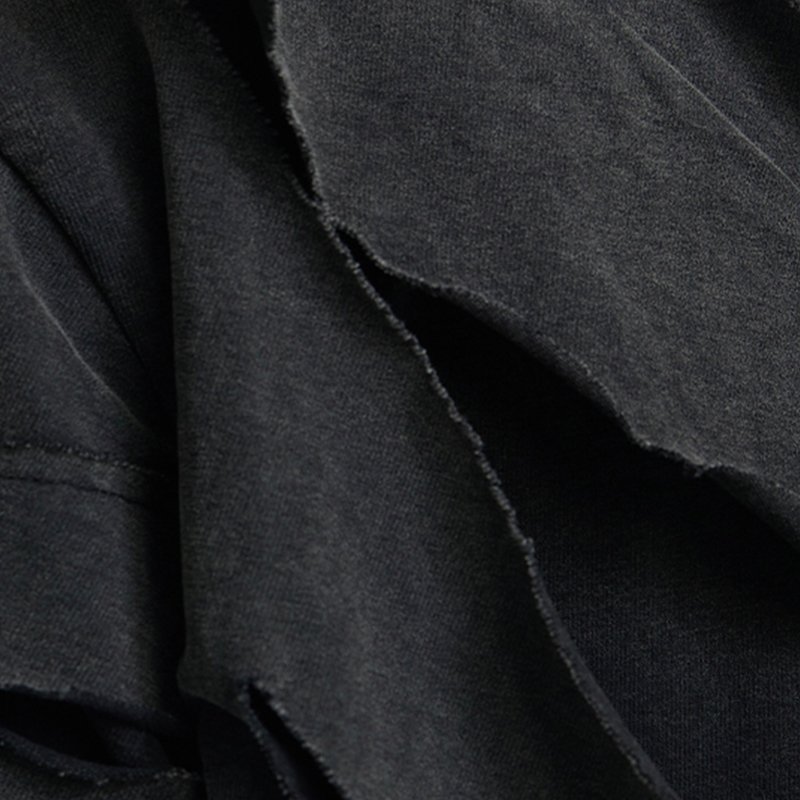
100% ring-spun cotton is breathable and print-friendly; 160–180 GSM suits light tees, while 220–280 GSM creates heavyweight structure. Organic cotton supports a claim only with documented chain-of-custody certification.
Blended Jersey Trade-Offs

CVC uses more cotton than polyester for a familiar hand and better durability; cotton-poly reduces shrinkage. Tri-blends add a soft vintage drape, while modal or viscose blends feel smooth but need controlled washing.
Performance Fabric Requirements

Polyester and nylon performance knits dry quickly and resist abrasion, but heat-transfer or sublimation compatibility should be tested. Specify recycled-content claims only when supplier documentation supports them.
5. Customization and Decoration Options
At VeeWen, decoration decisions begin with the approved fabric and a 100-piece style MOQ. Match artwork complexity, hand feel, wash plan, and target margin before sampling.
| Method | Best Run | Aesthetic |
|---|---|---|
| Screen print | 300+ pcs | Durable, bold |
| DTG | 100–200 pcs | Soft, detailed |
| DTF | 100+ pcs | Vivid, versatile |
| Embroidery/appliqué | 100+ pcs | Premium texture |
Choose the Print Method

1–2 color screen prints suit larger runs and cotton jersey; DTG handles photographic detail, while DTF suits small mixed-color orders. Puff, foil, and high-density inks need larger artwork clearances and wash testing.
Build Private-Label Details

3 core trim files—woven label, neck print, and hangtag—should specify dimensions, Pantone references, placement, and attachment method. Custom dyeing can create shade variation; approve a lab dip and garment sample before bulk.
Protect Color And Durability
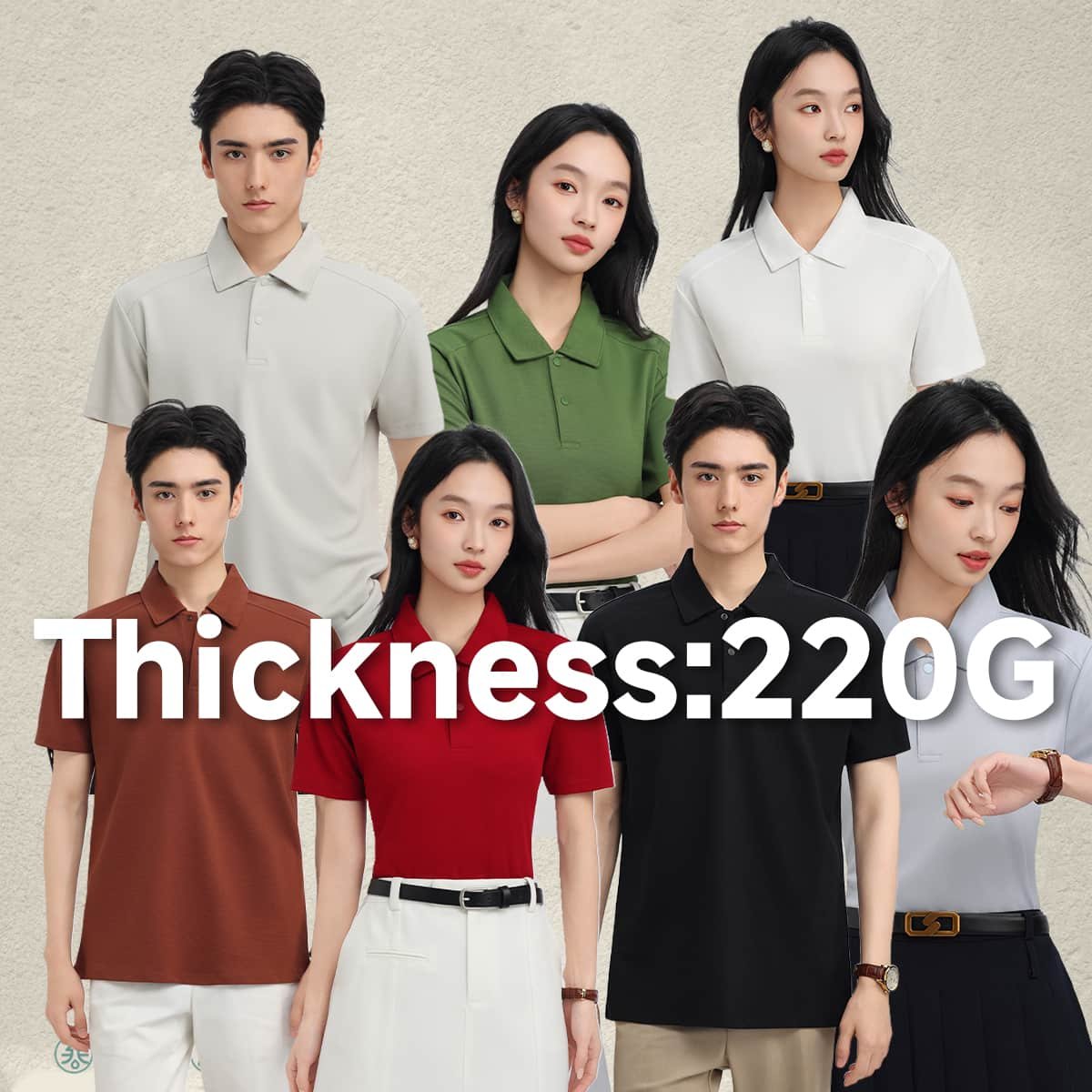
Pantone-matched artwork, vector files, and separated spot colors reduce approval ambiguity. 30–50 wash-cycle expectations depend on fabric, ink, embroidery density, and care instructions; test the final decorated sample.
6. Construction Quality Specifications
A tech pack should specify construction, not merely a silhouette. At VeeWen’s 100-piece minimum, approved measurements and wash results create a repeatable reorder standard.
Collar And Shoulder Stability
1×1 or 2×1 rib, rib width, neck opening, and recovery after wash should be stated. Shoulder tape limits seam stretching and helps the neckline retain its shape.
Seams And Finishes
3-needle coverstitch hems and sleeve finishes give a durable retail appearance; specify stitch type and SPI. Side seams improve shaping, while tubular bodies remove side seams but can limit placement control.
Measurements And Wash Testing
2–5% shrinkage allowance, graded measurements, and tolerances should appear by size. Wash-test samples before bulk production; confirmed shrinkage and tolerances reduce fit-related returns and protect repeat-order consistency.
7. Choosing a T-Shirts and Tops Manufacturer
A 100-piece minimum suits a focused launch only when the supplier can hold approved specifications through repeat orders. Verify the factory against your product complexity, not its catalogue.
Confirm Development Fit
1 sample round should test pattern, fabric, print and wash together; request graded measurements and revision records.
Audit Production Control
2 checkpoints—pre-production approval and final inspection—should be documented. Ask which steps are in-house and which are outsourced.
Check Commercial Readiness
3 documents matter: export references, payment terms and applicable BSCI, WRAP, GOTS or OEKO-TEX records. Confirm capacity, lead time and English response ownership before deposit.
8. Common Buyer Mistakes to Avoid
100-piece orders expose specification gaps quickly: small omissions become repeated bulk defects. Treat every approval as a production checkpoint, not a purchasing formality.
Lock The Tech Pack
1 approved tech pack should state measurements, graded tolerances, Pantone references, stitch details, labels, and packing. Vague notes create inconsistent samples and disputed bulk output.
Validate Materials And Decoration
180–260 GSM jersey, composition, shrinkage, and colorfastness need testable confirmation before approval. Match screen print, DTF, or embroidery to fabric weight and stretch; otherwise cracking, puckering, or poor drape can follow.
Sample And Reorder Planning
2 checkpoints—fit sample and wash test—reveal shrinkage, twist, and placement issues before bulk. Approve tolerances, destination labeling rules, and replenishment fabric reservations; lowest unit price alone can delay reorders or force substitutions.
9. Steps to Launch a Topwear Collection
100-piece OEM launches move safely when each approval locks the next production decision. VeeWen coordinates development and production; the buyer owns commercial direction, artwork, and approvals.
Define The Drop
One target customer and a three-SKU starter assortment set fit, price, and color.
Buyer provides references; VeeWen converts them into measurable specifications.
Lock Materials And Cost
One tech pack must lock graded measurements, Pantone colors, artwork, labels, and placement.
VeeWen proposes fabric and trims; buyer approves swatches before quotation.
Approve The Sample
One sample validates fit, shrinkage, print quality, and construction before bulk.
Buyer submits revisions; VeeWen updates costing and requires written pre-production approval.
Produce And Launch
During bulk, VeeWen performs in-line and final checks against approved standards.
Buyer confirms freight details while preparing product pages, measurements, care, and delivery claims.
10. T-Shirts and Tops Pricing and Cost
100 pieces is VeeWen’s standard MOQ; an approved sample, fabric weight, wash process, color count, decoration, labels and packing determine the final quote.
2 cost layers matter for margin planning: sampling and print setup are upfront, while freight, duties, inspections and defect tolerance determine landed cost.
| Quantity Tier | Indicative Unit Price | Typical Lead Time | Main Cost Driver |
|---|---|---|---|
| 100–299 pcs | US$7–16 | 25–40 days | 220–280 GSM, labels, one print |
| 300–999 pcs | US$5–13 | 30–45 days | Fabric yield, print colors, wash |
| 1,000+ pcs | US$4–10 | 35–50 days | Complexity, packaging, inspection level |
Start Your T-Shirts & Tops Styles and Specifications Program
Send your tech pack, sketches or reference images for a clear 100-piece OEM quote from VeeWen’s production team.