
Custom Baby Shirts, Built for Your Brand
Launch custom baby shirts with 100-piece-per-style MOQ, OEM, ODM and private-label development from sampling through packed bulk goods.
Featured Products for custom baby shirts Development


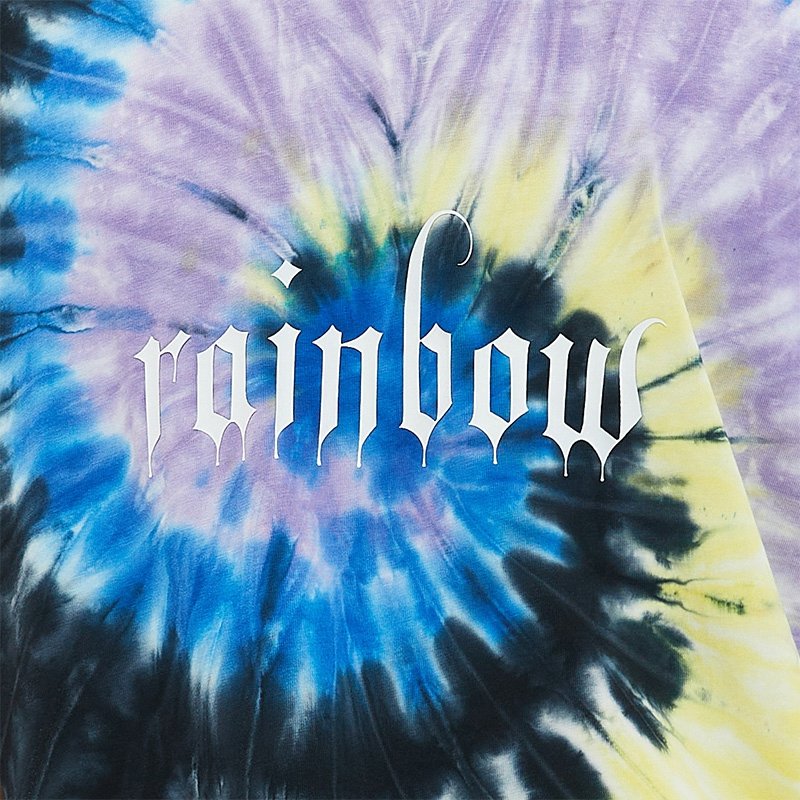


Related Product Catalogue and Quotation


Why Source Custom Baby Shirts from VeeWen
A specification-led OEM and private-label workflow for focused babywear programs, from first sample through packed bulk goods.
100-Piece Style MOQ
Launch focused custom baby shirts programs from 100 pieces per style while establishing repeatable specifications for future reorders.
Specification-Led Sampling
Share a tech pack, sketch, reference sample, or idea; VeeWen clarifies measurements, construction, decoration, and fit before bulk approval.
Practical Material Guidance
Select fabrics around hand feel, garment weight, durability, wash behavior, target price, and the intended end use of each style.
Private-Label Details
Coordinate woven labels, care labels, size labels, hangtags, patches, packaging, and selected trims within one accountable production workflow.
Documented Quality Checkpoints
Use approved samples, pre-production confirmation, in-line inspection, and final quality checks to keep custom baby shirts aligned with agreed specifications.
More Custom Baby Shirts Options and Guides
Compare adjacent product categories, manufacturing options and practical buyer resources from the VeeWen architecture.
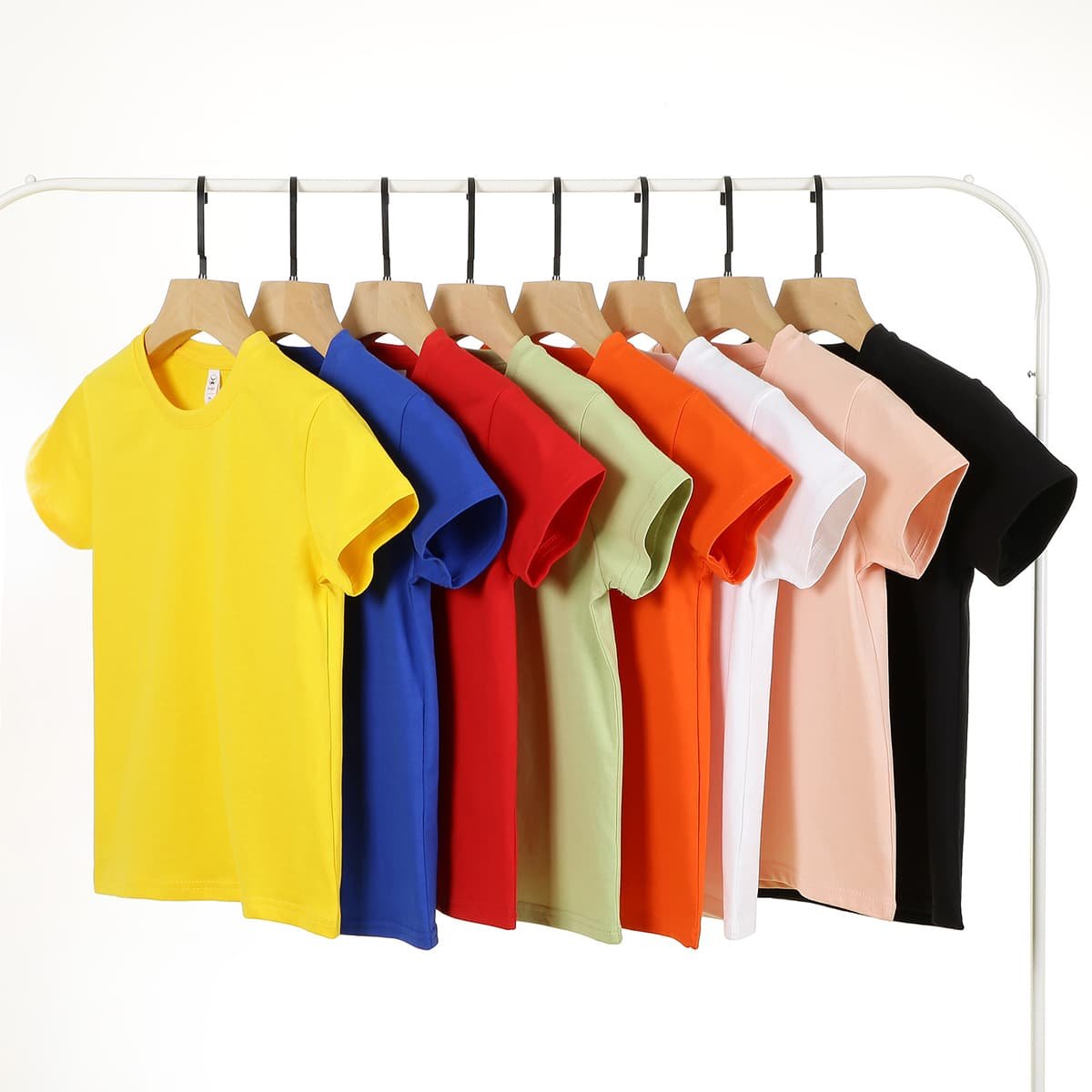
Custom Kidswear u0026 Babywear
Custom kidswear u0026 babywear OEM manufacturing from 100 pieces per style, with sampling, private labels and coordinated QC. Send your tech pack to request a quote.
Explore Category
Custom Baby Tee Shirt
Custom baby tee shirt manufacturing from 100 pieces per style, with private-label development, sampling and QC in one workflow. Send tech pack for a quote.
Explore Category
Custom Toddler Shirts
Custom toddler shirts from a 100-piece-per-style MOQ, with OEM development, private labels and approved samples. Request a custom quote for your collection.
Explore Category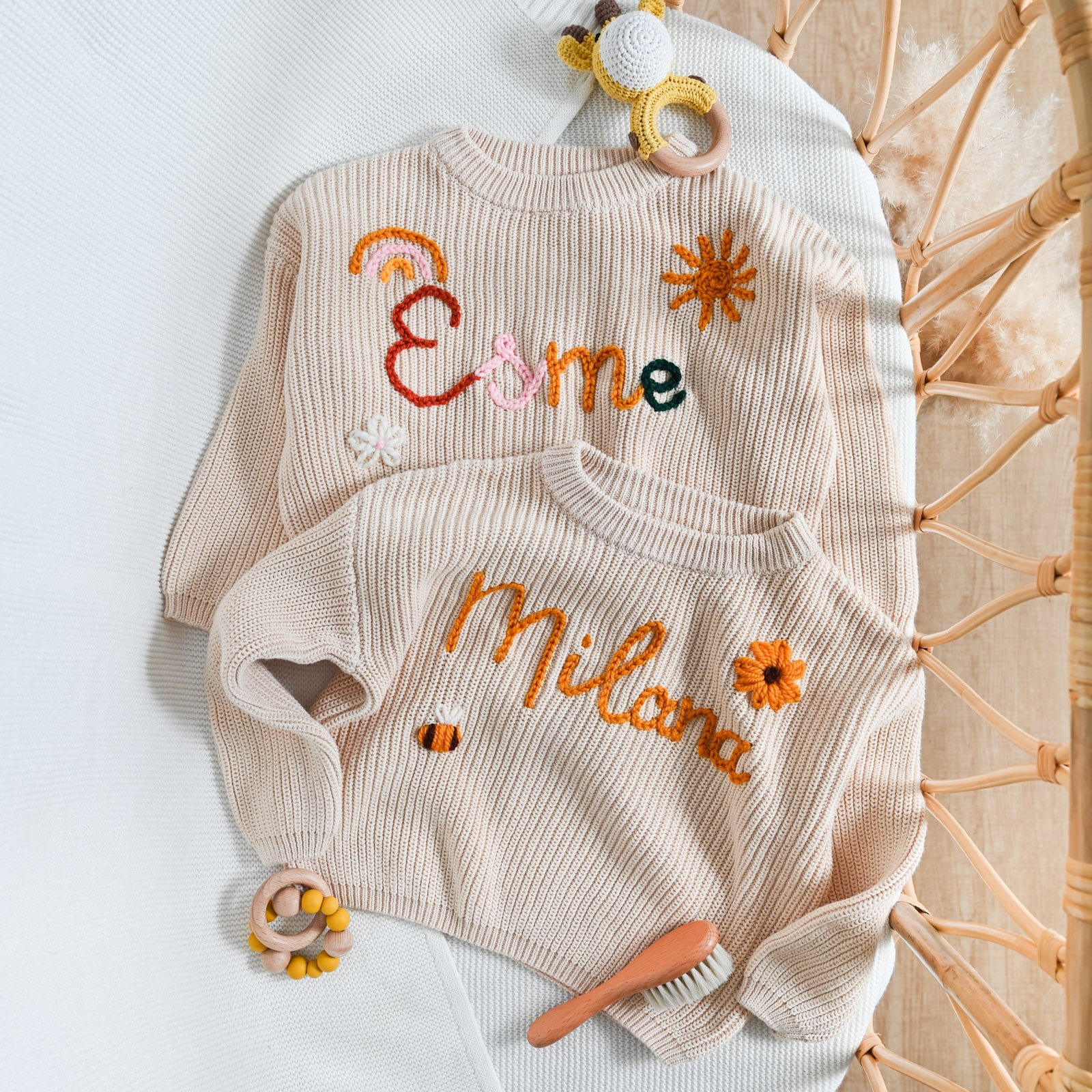
Custom Baby Sweater
Custom baby sweater OEM from 100 pieces per style, with sampling, labels and packing coordinated in one workflow. Send your tech pack to request a quote.
Explore Category
Custom Kids Hoodie
Custom kids hoodie manufacturing starts at 100 pieces per style, with OEM, ODM and private-label development. Send your tech pack and request a quote today.
Explore Category
Custom Kids Shirts
Custom kids shirts from a 100-piece-per-style MOQ, with OEM development, private labels and coordinated QC. Send your tech pack and request a quote.
Explore Category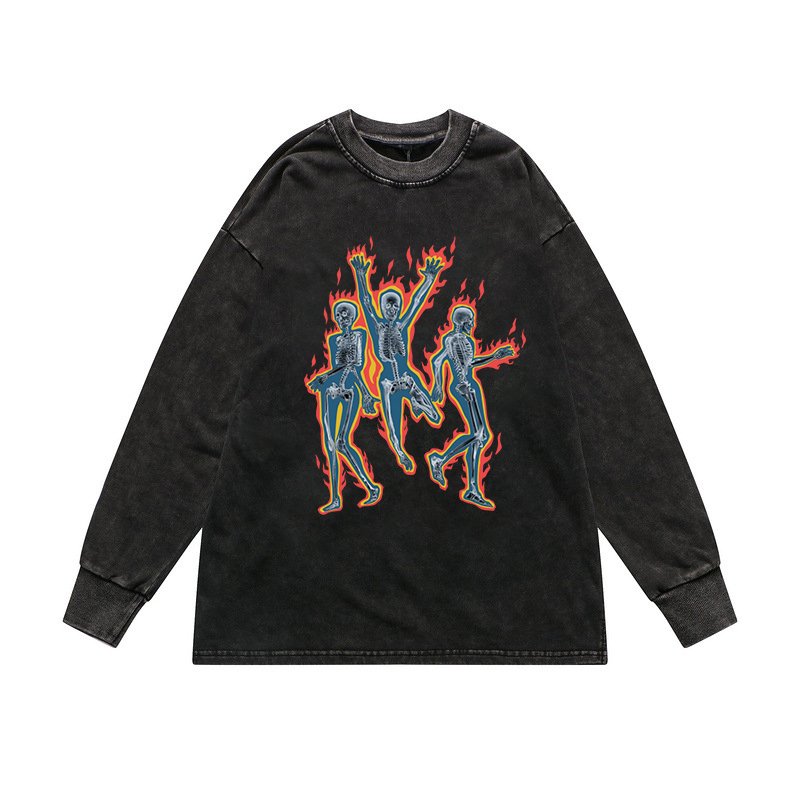
Custom Toddler Sweatshirt
Custom toddler sweatshirt manufacturing from 100 pieces per style, with private-label trims and approved samples. Send your tech pack and request a quote.
Explore Category
Custom Kids Sweatshirt
Custom kids sweatshirt manufacturing from 100 pieces per style, with OEM development, private labels and approved samples. Request a custom quote today.
Explore CategoryCustom Baby Shirts: Materials We Support
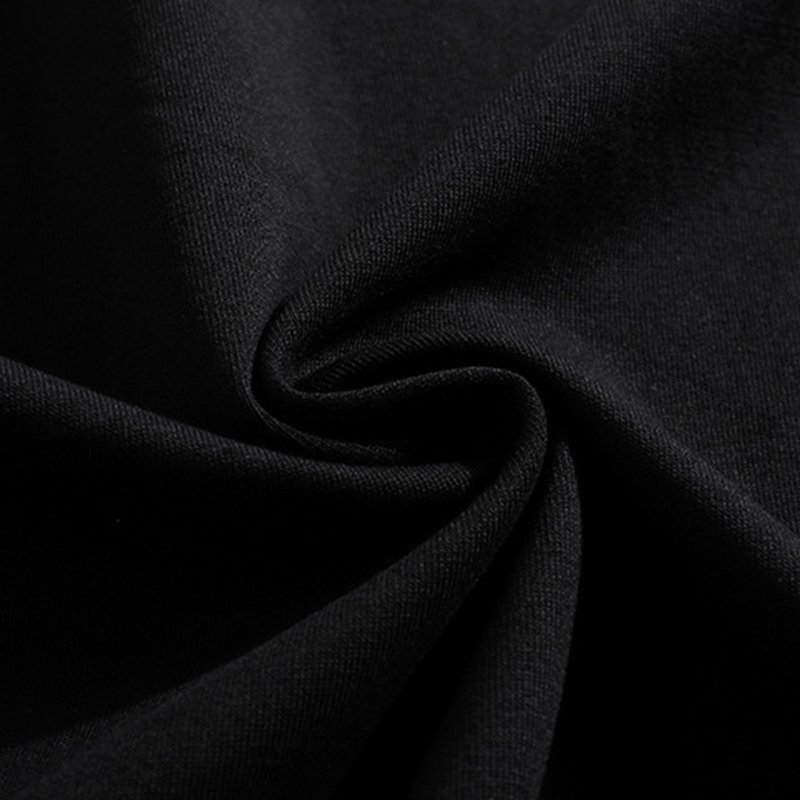
Combed Cotton Jersey
A soft, breathable everyday choice for infant tees, bodysuits, and long-sleeve baby shirts. Combed yarn removes shorter fibers for a smoother hand feel, while jersey construction provides comfortable natural stretch and dependable wash performance.

Organic Cotton Jersey
A gentle, breathable option for premium baby shirt programs where a clean natural hand feel matters. Available in light-to-midweight constructions, it suits next-to-skin essentials and can be specified with documentation requirements discussed before sourcing.
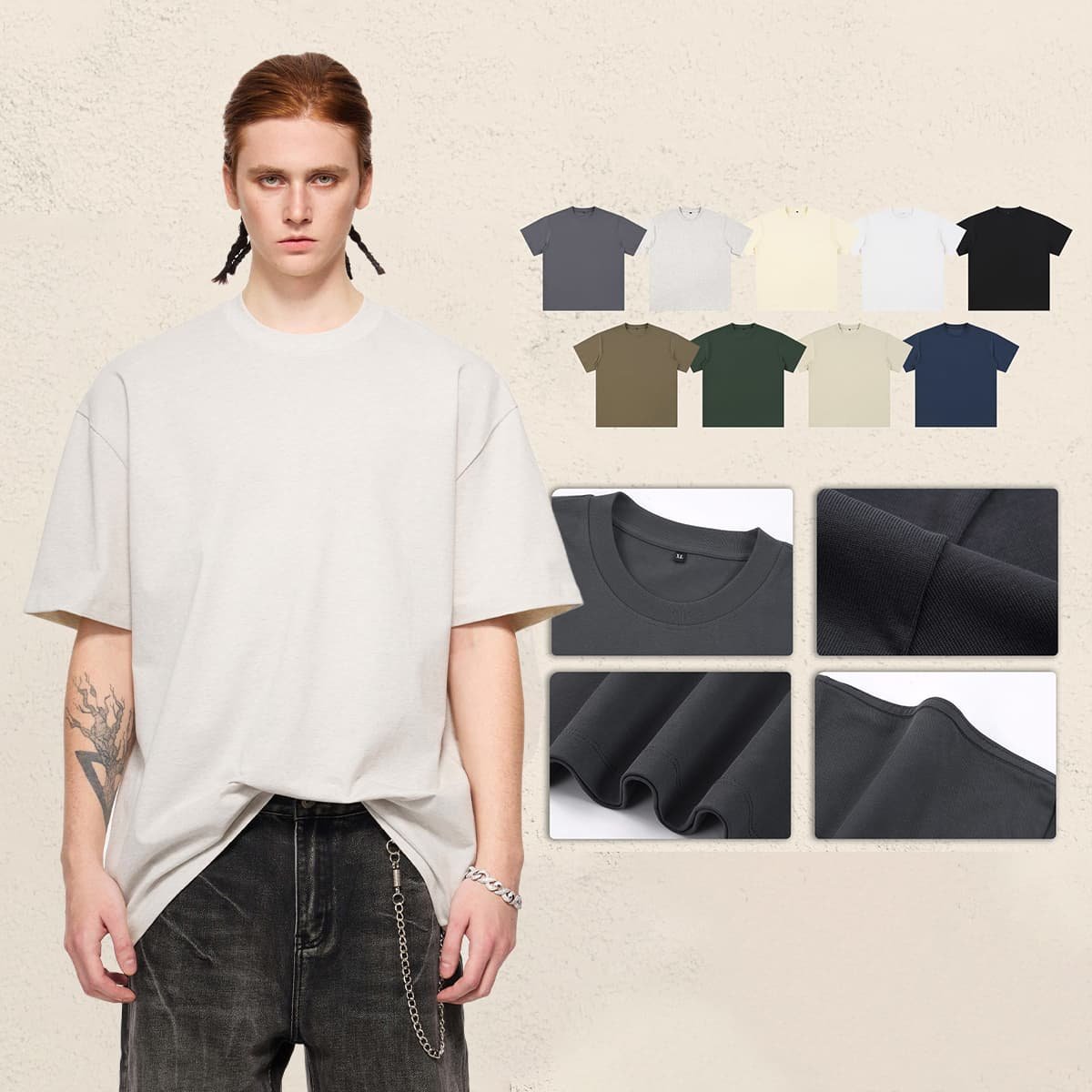
Cotton Spandex Rib
A close-fitting, flexible fabric for baby tees, neckline bindings, cuffs, and bodysuit panels. Rib construction delivers recoverable crosswise stretch, helping garments retain shape through movement and repeated laundering without feeling restrictive.

Interlock Cotton Knit
A smooth, stable double-knit option for more structured baby shirts and cooler-season basics. Its two-sided construction creates a fuller, softer hand than single jersey, with reduced curl at edges and reliable coverage.
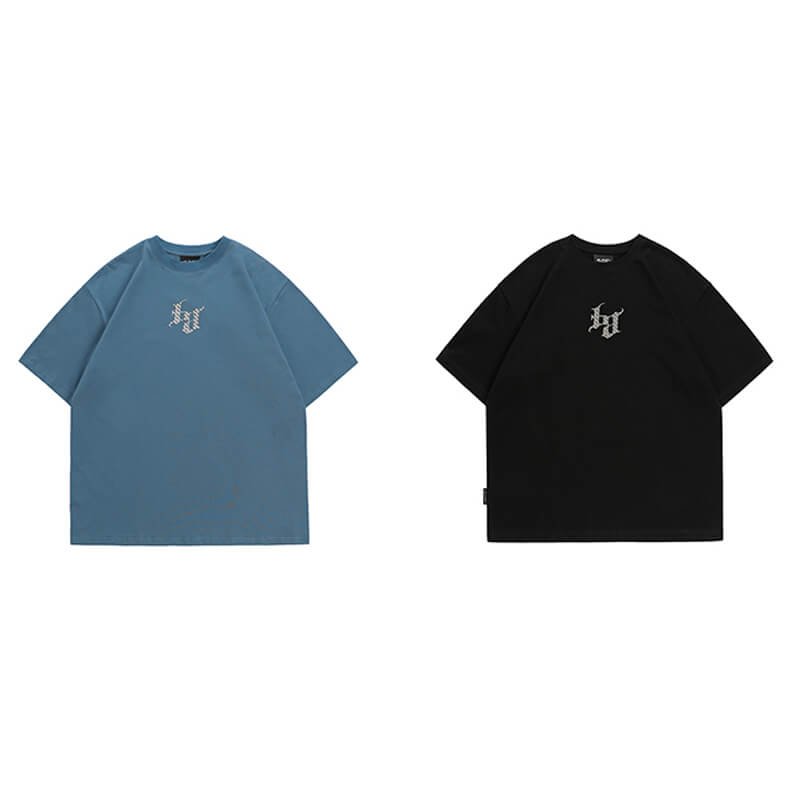
Cotton Modal Blend
A notably soft, fluid fabric for elevated baby shirts and sleepwear-inspired essentials. Modal adds a silky hand feel and drape to cotton, while blend ratios can be adjusted to balance softness, durability, and cost targets.
Custom Baby Shirts: Decoration u0026 Finishing Options

Water-Based Printing
A soft, breathable ink option for custom baby shirts, well suited to simple artwork on cotton jersey. It absorbs into the fabric for a low-hand feel, while final results depend on fabric color, artwork coverage and wash testing.

Screen Print
Screen printing creates consistent color and durable graphic coverage for repeat babywear programs. We assess ink type, print size and garment stretch to help avoid an overly heavy print hand on lightweight infant shirt fabrics.

Heat Transfer
Heat transfers support detailed, multicolor artwork and smaller production runs without extensive screen setup. VeeWen reviews film feel, placement and edge adhesion during sampling, particularly for areas that may flex during wear and laundering.

Flat Embroidery
Flat embroidery adds a dimensional, premium branded detail for chest logos or small motifs. For baby shirts, we evaluate stitch density, backing and placement so the decoration remains neat while limiting stiffness and potential irritation.
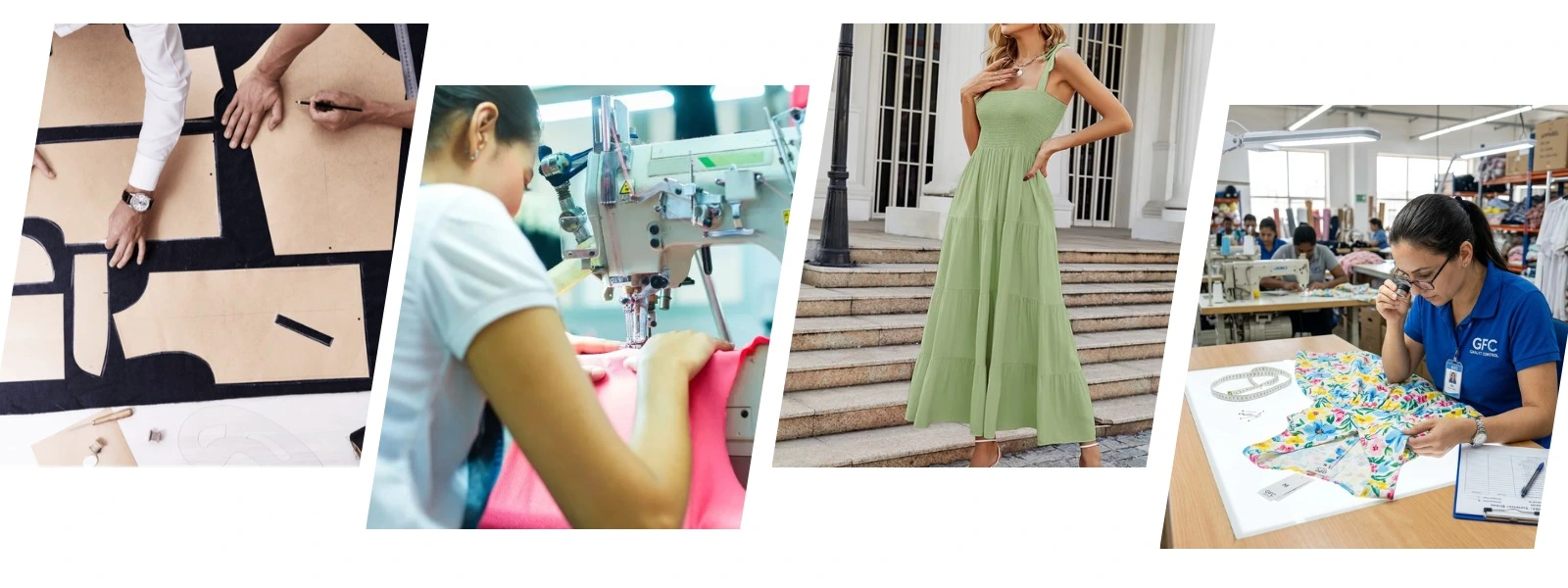
Garment Washing
Enzyme and pigment wash directions can create a softer hand or a lived-in color effect on selected babywear fabrics. We confirm shrinkage, shade variation and trim compatibility through samples before setting approved bulk-production standards.

Applique Patches
Applique and sewn patch details give custom baby shirts a tactile, layered finish. We assess patch material, edge treatment, stitch security and placement to achieve a durable result that stays visually balanced on smaller garment proportions.
Private-Label Accessories for Custom Baby Shirts

Woven Brand Labels
Custom woven neck labels establish a consistent private-label identity on custom baby shirts. VeeWen can coordinate logo artwork, label dimensions, fold style, placement, and soft backing selected for the garment’s intended construction.

Printed Care Labels
Printed or woven care labels carry fiber content, wash guidance, sizing, and required market information. We review placement and attachment methods during sampling so the label supports clear compliance information without distracting from the finished garment.


Snap Button Sets
Coordinate snap buttons for plackets, shoulder openings, or bodysuit-style closures where the garment design requires them. Material, color, finish, and placement are confirmed against the sample to balance appearance, usability, and production consistency.

Logo Patches
Woven, embroidered, rubber, or silicone patches can add a focused brand detail to select custom baby shirts. VeeWen advises on patch size, backing, and placement so added density or thickness suits the garment fabric.

Retail Packaging
Complete orders with branded polybags, size stickers, tissue, inserts, or carton markings matched to your fulfillment needs. Packaging specifications are documented before bulk production to help your custom baby shirts arrive organized and ready to sell.
About VeeWen Custom Baby Shirts
Founded in 2016 by ChangKeng Luo in Dongguan, China, VeeWen was built to turn apparel concepts into production-ready collections. Menswear and streetwear remain our lead expertise, while our full-category development capability gives brands a practical partner for custom baby shirts and children’s programs.
From an initial tech pack, sketch, reference sample, or idea, VeeWen coordinates fabric sourcing, pattern development, sampling, fit review, decoration testing, bulk production, quality checks, private-label packaging, and shipment preparation. Our standard MOQ is 100 pieces per style, helping emerging brands launch focused collections with repeatable specifications.
We work with OEM, ODM, private-label, and cut-and-sew buyers who value clear production decisions over vague promises. Whether selecting a soft jersey, testing embroidery, or approving labels and trims, VeeWen explains the trade-offs, documents checkpoints, and keeps communication direct from development through packed goods.

Custom Baby Shirts Development Capabilities
Clarify Every Construction Detail
Send a tech pack, sketch, reference sample, or product idea. VeeWen converts it into practical specifications for custom baby shirts, including fit, neckline, placket, sleeve shape, sizing, labels, closures, and packing requirements before sampling begins.
- Tech-pack and reference review
- Measurement and grading guidance
- Construction and trim recommendations
- Pre-sample specification confirmation

Match Fabrics to End Use
Material choices are evaluated for hand feel, weight, stretch, durability, wash behavior, and target price. Our team helps buyers select suitable jersey, rib, interlock, poplin, or knit options while accounting for the intended season and decoration method.
- Fabric and weight recommendations
- Color and hand-feel review
- Shrinkage and wash considerations
- Material options aligned to budget

Test Decoration Before Bulk
Print, embroidery, patches, and labels are tested during development so placement, scale, color, and garment drape can be reviewed on the actual sample. This reduces avoidable changes before your 100-piece-per-style bulk order is approved.
- Artwork placement review
- Print and embroidery testing
- Label and packaging mockups
- Approved pre-production reference
Control Quality Through Packing
VeeWen manages sampling, bulk production, in-line inspection, final quality checks, and private-label packing in one accountable workflow. Documented checkpoints keep approved measurements, materials, decoration, and presentation aligned from first sample through shipment coordination.
- In-line production inspections
- Final measurement and appearance checks
- Private-label packaging coordination
- Shipment-ready bulk-goods review

Why Choose VeeWen for Custom Baby Shirts
Compare a documented, approval-led workflow with common sourcing alternatives.
← Swipe left or right to view →
Custom Baby Shirts Production Timeline
A documented workflow that moves approved babywear specifications through sourcing, decoration, inspection, packing, and shipment coordination.
Confirm Product Specifications
We review your tech pack, artwork, size range, construction details, target hand feel, and private-label requirements, then clarify production-ready specifications before sampling or bulk planning.
Source Fabrics And Trims
VeeWen matches suitable fabrics, labels, snaps, packaging, and decoration methods to your requested quality, price target, wash requirements, and intended babywear end use.
Approve Samples And Preproduction
Patterns, fit, measurements, artwork placement, and finishing are reviewed through samples. Approved details become the reference for custom baby shirts bulk production and repeatable reorders.
Cut Sew And Decorate
Production teams cut panels, assemble garments, apply approved printing or embroidery, and monitor key construction points, maintaining alignment with the confirmed sample and specification sheet.
Inspect Pack And Coordinate Shipment
We complete in-line and final quality checks, verify labeling and packing details, prepare bulk goods, and coordinate shipment documentation and handover with your selected logistics arrangement.
How to Develop Custom Baby Shirts with VeeWen
Move from a tech pack or initial concept to approved samples and production-ready bulk orders through one accountable manufacturing workflow.
Share Your Product Brief
Send your tech pack, sketches, reference sample, artwork, or concept. Specify intended fit, fabric direction, sizes, decoration, labels, target quantity, and destination market.
Review Quote and Sample Plan
VeeWen clarifies specifications, recommends suitable materials and finishes, then provides a production-minded quotation, 100-piece-per-style MOQ guidance, and a sampling plan for your program.
Approve Development Details
Review the sample, fit, measurements, print or embroidery execution, wash effect, trims, and packaging details. Confirm revisions before approving the final pre-production specifications.
Launch Bulk Production
After approval, VeeWen coordinates material sourcing, cutting, sewing, decoration, in-line inspection, final quality checks, private-label packing, and shipment preparation for your custom baby shirts.
Documented Standards for Buyer Review

Applicable material certificates and scope documents can be reviewed against the selected fabric and production order.

GOTS-related material and chain documentation is matched to the selected program and verified for current scope before use.

Current social-compliance audit documentation can be supplied for buyer review and onboarding when applicable.
Responsible-sourcing and audit records can be reviewed with the VeeWen team for the relevant factory and order scope.

Order-specific material declarations and test documentation are reviewed for applicable REACH requirements; this neutral icon denotes documentation rather than an official REACH certification logo.
Custom Baby Shirts: Customer Results u0026 Development Cases
VeeWen adjusted the neck opening and sleeve proportions across two sample rounds, then delivered our 300-piece launch order with approved woven labels and polybags. The finished size run matched the fit comments we documented for infants and toddlers.
We moved from a reference sample to three custom baby shirt styles at the 100-piece-per-style MOQ. Their team flagged that our embroidery was too dense for the fabric, helping us switch to a softer finish before bulk production and avoid a costly remake.
The first production run gave us clear specifications we could reuse. On our reorder of 600 custom baby shirts, VeeWen kept the fabric weight, print placement, labels, and packing consistent, which made fulfillment much easier for our e-commerce team.
Custom Baby Shirts FAQ
Clear answers for sourcing, sampling, private labeling, and shipment planning with VeeWen.
What is the MOQ for custom baby shirts?
Can I order a sample before producing custom baby shirts in bulk?
How long does custom baby shirt production take?
Do you offer private labels and custom packaging for babywear?
What payment terms do you accept for an OEM babywear order?
Can VeeWen ship custom baby shirts internationally?
How do you protect my custom baby shirts designs and artwork?
Can you help choose safe-feeling fabrics and decorations for baby shirts?
Complete Buyer’s Guide to Custom Baby Shirts
Use this decision framework to select materials, decoration methods, quality standards, and a reliable China supplier for custom baby shirts—while avoiding costly sampling, compliance, pricing, and production mistakes.
1. What Are Custom Baby Shirts?
100-piece production minimums make custom baby shirts a workable entry point for labels testing a focused infant drop. The term covers garments altered to a buyer’s specification, from artwork and labels to fit, fabric, trims, and packaging.nnTwo sourcing routes are often confused. A blank shirt with screen print, embroidery, or heat transfer is a decoration program; a fully developed private-label style adds a defined pattern, size specification, materials, labels, and approved sample for repeat production.nnFive common commercial uses are merchandise, gifting, teamwear, promotional campaigns, and coordinated infant collections. A branded retail program combines the product specification with consistent decoration placement, retail-ready labeling, hangtags, and pack-out so buyers can sell or distribute custom baby shirts under their own name.
2. Evolution of Custom Baby Shirts
1900s infant tees evolved from simple cotton underlayers into practical, easy-change basics as ready-to-wear childrenswear expanded. Parents prioritized soft hand feel, washable construction, and neck openings that could tolerate repeated laundering.nn1980s personalized infant apparel turned shirts into gifting products, with names, birth announcements, and holiday graphics driving small-batch demand. Screen printing suited repeat artwork, while embroidery and appliqué added a more premium presentation.nn2010s DTG, DTF, and photo-ready graphics made short runs and social-media-led launches more accessible. Modern custom baby shirts buyers now expect comfort-led fabrics, traceable material options, consistent decoration, branded packaging, and 100-piece-per-style MOQ programs that let private-label collections test demand before reordering.
3. Types of Custom Baby Shirts
Custom baby shirts should be selected by wear season, care routine, and how the collection will be branded. For a 100-piece style run, grouping compatible fits helps brands test a focused capsule.
Everyday Tee Formats

0–24 months: short-sleeve tees suit warm-weather basics; long sleeves extend fall and layering programs. Use a chest print, neck label, or small woven hem flag for recognizable private-label identity.
- Short sleeve: summer, daycare, gift sets
- Long sleeve: cooler weather, layering, sleepwear
Detail-Led Styles

3–24 months: raglan tees add contrast sleeves for sport-inspired capsules, while pocket tees create a quieter premium look. Polo-style tops suit smart-casual sets and occasion retail; embroider a small logo where soft backing is appropriate.
- Raglan: transitional sport styling
- Pocket tee: minimal branded essentials
- Polo: smart-casual and eventwear
Coordinated Programs

0–24 months: matching family tees and top-and-bottom sets work especially well for gifting, holidays, and social-commerce launches. Keep one color palette and repeat the same graphic, label system, or embroidery placement across adult and baby sizes.
4. Materials for Custom Baby Shirts
150–180 GSM jersey balances breathability and opacity for custom baby shirts. Softer ring-spun, combed yarns reduce surface fuzz, while preshrink testing controls post-wash size change.
| Fabric | GSM | Hand Feel | Climate |
|---|---|---|---|
| Combed cotton | 150–180 | Smooth, breathable | Mild/warm |
| Organic cotton | 150–180 | Soft, natural | Mild/warm |
| Cotton-spandex jersey | 160–190 | Stretchy, smooth | All-season |
| Interlock | 180–220 | Dense, stable | Cool/mild |
| Rib knit | 180–220 | Flexible, textured | Mild/cool |
| Recycled blends | 160–200 | Varies by blend | All-season |
Weight And Climate
150–180 GSM works well in warm climates; 180–220 GSM interlock adds durable, insulating structure. 1×1 rib feels supple but can lose shape without adequate recovery.
Stretch And Recovery
3–5% spandex improves neckline recovery and movement, but excessive stretch can reduce durability. Recycled blends need pilling and colorfastness testing before approval.
Safety Documents
OEKO-TEX Standard 100 reports should cover fabric, inks, and trims. GOTS scope certificates, fiber-content records, REACH testing, and restricted-substance declarations should match the approved production lot.
5. Custom Baby Shirts: Decoration Options
At VeeWen’s 100-piece MOQ, decoration should follow artwork complexity, reorder plans, and infant comfort. Approve a washed sample before bulk production, especially for large prints or raised trims.
| Method | Best Artwork | Cost And Comfort |
|---|---|---|
| Screen print | 1–4 colors | Low setup; soft water-based option |
| DTG | Photographic detail | No screens; soft on cotton |
| DTF / transfer | Multicolor logos | Low setup; can feel firmer |
| Embroidery / appliqué | Small motifs | Durable; avoid baby chest bulk |
| Labels / neck prints | Brand information | Soft labels; print neck details |
Print Methods

For 100+ pieces, screen print suits simple 1–4-color art; DTG suits detailed cotton artwork. DTF and heat transfer handle short-run multicolor logos, but keep chest coverage small.
Softness And Safety

For newborn sizes, water-based screen print and DTG give the softest hand. Avoid dense embroidery, stiff transfers, and scratchy appliqué against the chest; test wash cracking and edge lift.
Branding Details

For 100 pieces, woven labels, neck prints, and hangtags create private-label identity. Use soft folded labels and place hangtags outside the garment; confirm care information and attachment method.
6. Construction Quality for Custom Baby Shirts
A pre-production sample turns infant-shirt quality into measurable approval points before bulk cutting. For custom baby shirts, comfort, consistent sizing, and trim safety deserve equal weight.
Seams And Reinforcement
Three-thread overlock seams should lie flat, with no scratchy seam ends. Reinforce shoulder joins and verify stitch density is even across the garment.
Collars Labels And Trims
After wash testing, the neck rib should recover without waviness. Place soft labels away from friction points; reject loose threads, sharp hardware, and detachable trims.
Fit And Wash Controls
Each approved size should match graded measurements within agreed tolerances. Confirm colorfastness and shrinkage after laundering, then inspect finished goods against the approved sample to prevent returns and safety complaints.
7. How to Choose a Baby Shirt Manufacturer
100-piece MOQ programs suit focused launches, but flexibility matters only when sampling, grading and approvals are controlled. Compare China OEM/ODM partners against documented infant-product checkpoints before placing custom baby shirts.
Verify Product Experience
2 relevant babywear samples should show stable necklines, soft seams and graded sizing. Ask: Which comparable styles have you developed, and can you provide a pre-production sample?
Check Materials And Testing
1 fabric specification should identify composition, weight, supplier and color standard. Ask: Can you trace each lot and arrange required chemical or performance testing for the destination market?
Confirm Production Control
7 checkpoints—from sample approval through final inspection—reduce avoidable deviations. Ask: What is the bulk lead time, inspection method, export support, and single English-speaking contact?
8. Common Custom Baby Shirts Sourcing Mistakes
Most avoidable custom baby shirts failures begin before bulk production: a cheap fabric, vague artwork, or rushed approval becomes costly after grading and washing. Lock practical specifications before sampling.
Price-Only Fabric Choices

150–180 GSM jersey may feel economical yet twist or lose shape after laundering.nn100-piece orders should compare shrinkage, recovery, and hand feel—not only cost.
Print And Trim Safety

1 large plastisol print can feel stiff against infant skin; test the cured hand feel.nn0 loose components is the target: specify child-safe trims and appropriate ink documentation.
Approval Specification Gaps
2 wash tests reveal shrinkage, shade change, and print cracking before bulk.nn±1 cm tolerances, complete tech packs, and realistic sampling windows prevent size disputes and delayed launches.
9. Steps to Launch Custom Baby Shirts
A launch-ready brief turns custom baby shirts from an idea into repeatable specifications. Set decision gates before sampling so margin, consistency, and delivery timing stay controllable.
Define The Customer
1 target age range, price point, and sales channel should shape the mood board, fit, colors, and pack count. Confirm whether the line is gift-led, everyday basics, or licensed retail before development.
Lock Development Inputs
100 pieces per style is VeeWen’s standard MOQ, so submit a tech pack, size chart, Pantone references, fabric target, and print-ready artwork together. Request quotation only after trim, decoration, and packaging choices are defined.
Approve Before Bulk
1 approved sample is the production gate: review measurements, shrinkage, print placement, hand feel, and labeling; document every revision. Approve a pre-production sample, then use in-line and final inspection before packed goods and shipment coordination.
10. Custom Baby Shirts Pricing and Costs
100 pieces is VeeWen’s standard starting quantity for custom baby shirts. Unit cost rises with premium ring-spun cotton, higher GSM, multi-color screen prints, woven labels, and individual packaging.nn3–5 weeks is a typical bulk window after sample and pre-production approval; complex embroidery, garment washes, or custom trims can extend it. Sampling, freight, duties, and destination delivery must be added to calculate landed cost.nn1 detailed quote requires final fabric, GSM, Pantone colors, size ratio, decoration artwork, labels, packaging, and shipping destination. Clear specifications prevent price changes caused by revised color counts or order quantities.
| Order quantity | Indicative unit-price driver | Expected bulk lead time |
|---|---|---|
| 100–299 | Highest setup cost per piece | 3–5 weeks |
| 300–999 | Better fabric and print efficiency | 3–5 weeks |
| 1,000+ | Lowest repeatable unit cost | 4–6 weeks |
Ready to Develop Custom Baby Shirts?
Send your tech pack, reference images, or product idea to VeeWen and request a production-ready quote for your next babywear collection.