
Featured Products for low MOQ printed jeans factory Development


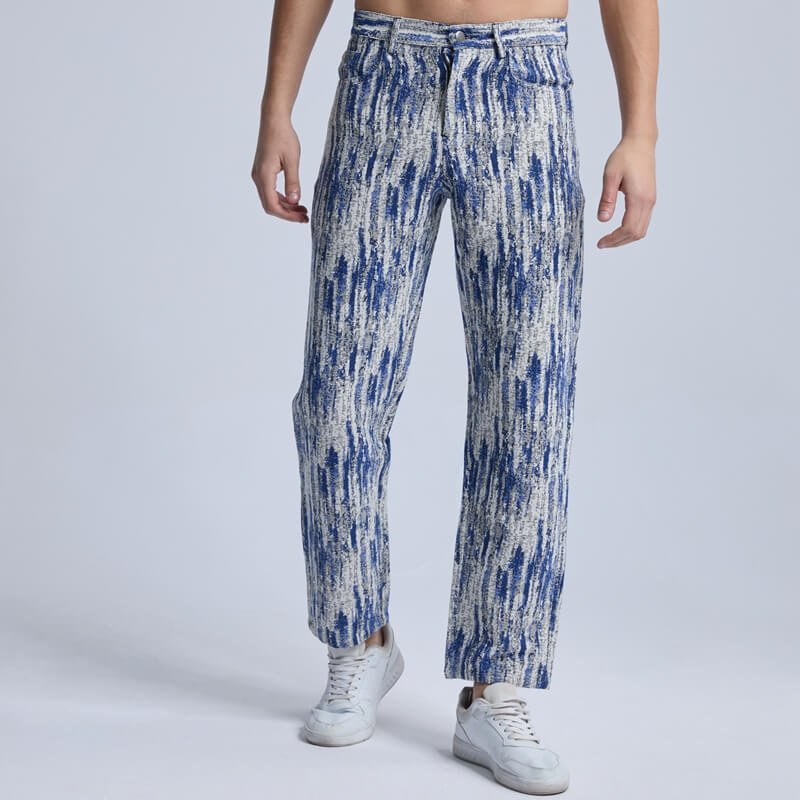
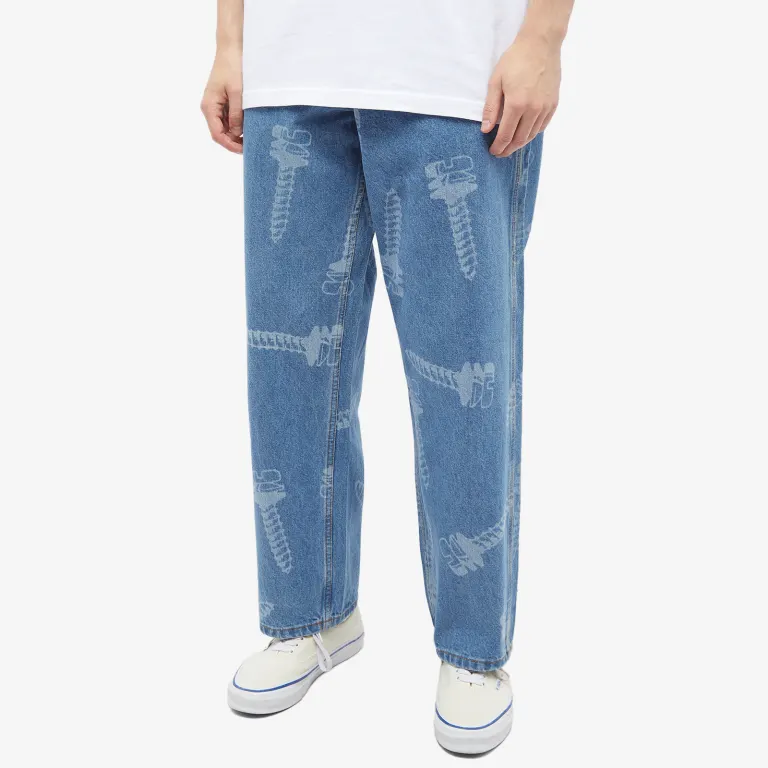





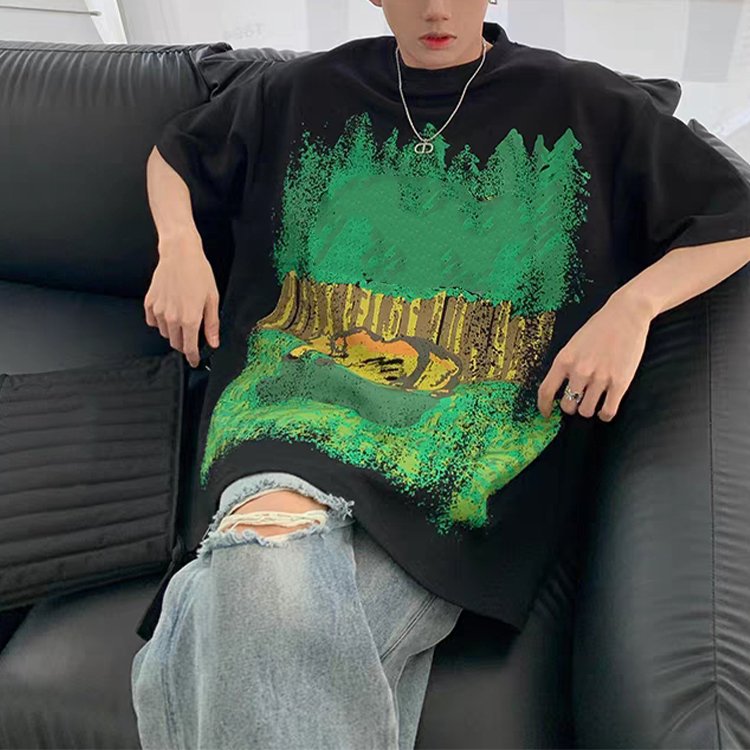
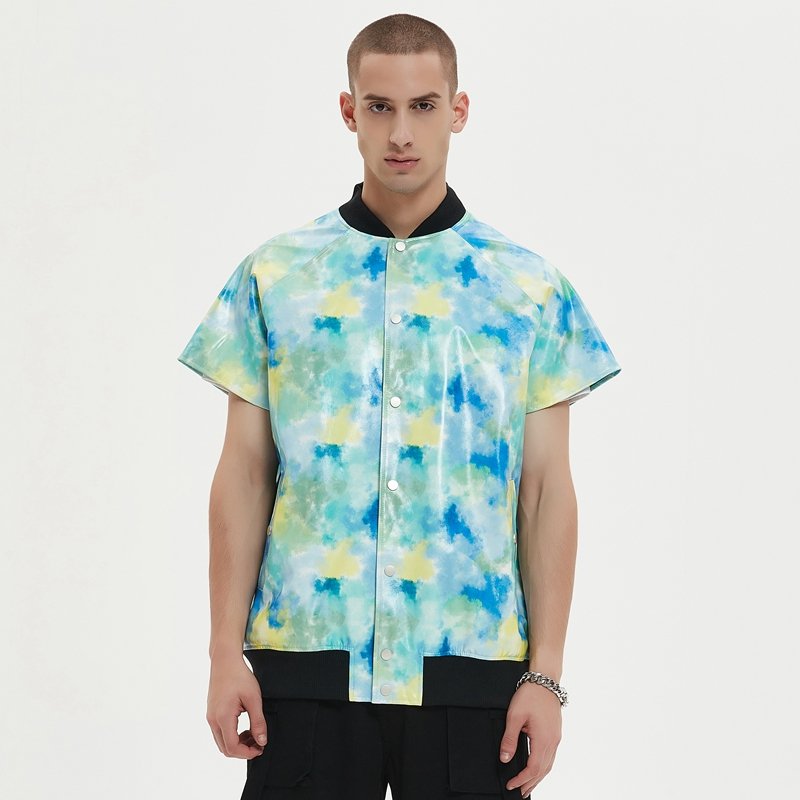

Low MOQ Printed Jeans Factory Capabilities for Focused Drops
VeeWen aligns artwork, denim weight, wash direction and approved specifications so 100-piece-per-style printed-jeans programs remain production-ready.
Placement Mapping
Confirm front, back, leg and pocket artwork placement against graded patterns before sampling, helping protect intended proportions across every size.
Denim Weight Matching
Match print methods to denim weight, stretch content and surface texture, balancing artwork clarity with the structure and hand feel your design needs.
Wash Coordination
Plan pigment, enzyme, stone or vintage wash effects around the print process to manage shade variation, distressing and garment shrinkage.
Color Appearance Review
Test ink colors against the selected denim base and wash direction, then approve sample appearance before bulk production begins.
Repeatable Bulk Specs
Document approved artwork scale, placement points, fabric, wash, trims and labels for consistent quality checks and future reorder reference.
More Low MOQ Printed Jeans Factory Options and Guides
Compare adjacent product categories, manufacturing options and practical buyer resources from the VeeWen architecture.
Low MOQ & Flexible Production
low MOQ clothing manufacturing from 100 pieces per style, with OEM, ODM, sampling, trims and packing managed in one workflow. Request a custom quote today.
Explore Category
Low MOQ Full Package Apparel Production Factory
low MOQ full package apparel production factory for 100-piece-per-style streetwear runs. Develop, sample, produce and pack with one China partner. Get a quote.
Explore Category
Low MOQ Multi Style Apparel Orders Factory
low MOQ multi style apparel orders factory with 100 pieces per style, unified sampling, fabric sourcing and private-label production. Request a custom quote.
Explore Category
Low MOQ Oversized Streetwear Shorts Factory
Low MOQ oversized streetwear shorts factory supports custom OEM and private-label shorts from 100 pieces per style. Approve samples, then request a quote.
Explore Category
Low MOQ Running Shorts Factory
Low MOQ running shorts factory supports 100-piece OEM orders with fit samples, custom performance fabrics, and private labels. Request a quote today.
Explore Category
Low MOQ Moisture Wicking Activewear Factory
Low MOQ moisture wicking activewear factory with 100 pieces per style and performance-fabric sourcing. Build OEM samples and request a custom quote today.
Explore Category
Low MOQ Training Apparel Factory
Low MOQ training apparel factory for 100-piece-per-style OEM/ODM teamwear, with fabric, fit and branding coordination. Request a custom quote today.
Explore Category
Low MOQ Stacked Jeans Factory
Low MOQ stacked jeans factory with a 100-piece-per-style minimum, from development and fit samples to packed bulk denim. Request a custom quote.
Explore CategoryYour Low MOQ Printed Jeans Factory
Founded in 2016 by ChangKeng Luo in Dongguan, China, VeeWen is a menswear and streetwear production partner built to turn printed-denim concepts into clear, repeatable specifications. We support OEM, ODM, private-label and cut-and-sew programs from artwork direction and fabric selection through sample approval.
As a low MOQ printed jeans factory, VeeWen works with a standard minimum of 100 pieces per style. Our workflow coordinates denim sourcing, pattern development, print and wash testing, fit review, bulk production, quality checks, labels and packaging so buyers have one accountable team from first sample to packed goods.
What distinguishes VeeWen is direct, production-minded communication. We explain how print placement, ink choice, denim weight, wash effects and distressing can affect shade, hand feel, shrinkage and delivery timing—then document the approved sample before bulk production. This creates a practical foundation for confident reorders and collection growth.
Low MOQ Printed Jeans Factory: Critical Controls
Denim Weight and Wash
A successful printed-jeans program begins with the right denim weight, fiber blend and wash direction. VeeWen matches fabric structure to your silhouette and artwork, then accounts for shrinkage, shade movement and surface texture before a 100-piece-per-style bulk commitment.
- Select denim weight for the intended fit and print hand feel
- Review enzyme, stone, acid or vintage wash effects early
- Confirm shrinkage and shade variation during sampling
- Balance wash character against artwork clarity

Artwork Placement That Holds
Placement on jeans must follow real pattern pieces, seams, pockets and body shaping rather than a flat visual mockup. As your low MOQ printed jeans factory, VeeWen tests scale, registration and visibility across the front, back and leg panels before approval.
- Map artwork around pockets, fly seams and side seams
- Set measurements from stable pattern reference points
- Check print scale across the graded size range
- Confirm placements on a finished sample

Decoration Tests Before Bulk
Print methods respond differently to indigo, washed denim and textured surfaces. VeeWen evaluates ink coverage, adhesion, cracking and color contrast on the selected garment construction, helping prevent a decoration choice that looks right digitally but performs poorly after wash testing.
- Compare screen print, high-density, transfer and DTF options
- Test adhesion on washed or uneven denim surfaces
- Review cracking, opacity and color contrast
- Choose methods that support the intended wash durability

Pre-Production Approval Checkpoints
Before bulk manufacturing, VeeWen aligns the approved fit, denim lot, wash appearance, print placement, trims, labels and packing details in a pre-production review. Clear checkpoints give buyers a documented production reference and reduce interpretation risk from sample to shipment.
- Approve the final sample against measurements and artwork
- Lock fabric, wash, decoration and trim specifications
- Document private-label labels, hangtags and packaging
- Use in-line and final quality checks against approved standards
Low MOQ Printed Jeans Factory vs. Embroidered Denim
Choose the denim decoration method that best supports your artwork, wash direction, hand feel, and 100-piece-per-style production plan.
← Swipe left or right to view →
Low MOQ Printed Jeans Factory Production Process
A production-minded workflow for 100-piece-per-style printed denim programs, with approvals that protect artwork, wash character, fit and packing details.
Review Artwork and Fit
We assess reference images, placement artwork, fit block, size range, distressing direction and target price, then clarify printable areas and production specifications.
Source Denim and Trims
VeeWen recommends denim weight, stretch, color and trims for the intended silhouette, balancing print adhesion, wash response, structure and wear comfort.
Develop Sample and Prints
Patterns, samples and print strike-offs are developed before bulk approval, allowing buyers to review artwork scale, ink coverage, placement and garment drape.
Approve Wash and Details
We test the selected wash after printing where required, checking shade variation, fading, shrinkage and print durability before confirming the pre-production sample.
Inspect Bulk and Pack
In-line inspection verifies measurements, print placement, wash consistency and construction; final checks confirm labels, hangtags, polybags and packed bulk goods.
How to Work With Our Low MOQ Printed Jeans Factory
Give VeeWen the production details needed to quote accurately, develop a clear sample, and move your printed-denim program into controlled bulk production.
Share Your Denim Brief
Send your jeans silhouette, target quantity, size range, reference images, intended market, and target price. VeeWen clarifies feasibility, materials, construction, and production priorities.
Submit Artwork and Placement Files
Provide print-ready artwork, placement measurements, color references, and desired print method. Include wash references so decoration testing accounts for fading, texture, and shade variation.
Confirm Specifications and Branding
Review denim weight, fit block, graded size specifications, trims, labels, hangtags, packaging, and wash direction. Clear specifications support an accurate quote and repeatable private-label production.
Approve the Development Sample
Assess fit, print placement, wash outcome, hand feel, and branding details on the sample. Confirm revisions before VeeWen locks pre-production specifications for bulk manufacturing.
Launch Controlled Bulk Production
VeeWen coordinates fabric sourcing, cutting, printing, washing, sewing, quality checks, packing, and shipment preparation. Standard orders start at 100 pieces per style.
What Buyers Achieved With Custom Printed Jeans
VeeWen matched the front-thigh graphic placement from our approved sample across a 180-piece drop. The print stayed clean after our wash test, and we reordered the same specification for our next launch.
We needed a low MOQ printed jeans factory that could balance a vintage wash with bold white ink. The 120-piece run arrived on schedule, with consistent fading and no unexpected shrinkage across the graded size range.
Our first 100-piece printed-denim capsule sold through faster than planned. VeeWen documented the fabric, wash, artwork size, and placement clearly, so the 300-piece reorder matched the original approved sample.
Low MOQ Printed Jeans Factory FAQ
Clear answers on artwork, denim selection, washes, sampling and 100-piece production with VeeWen.
What denim fabrics work best for custom printed jeans?
How many colors and how large can my printed-jeans artwork be?
Can a low MOQ printed jeans factory combine printing with embroidery, patches or distressing?
Can printed jeans be washed, acid washed or stone washed after printing?
What is the MOQ for a low MOQ printed jeans factory order?
How long does a low MOQ printed jeans factory take to make samples and bulk orders?
What files do I need to send for custom printed jeans?
Can VeeWen help if I only have an idea or reference sample?
The Complete Low MOQ Printed Jeans Factory Buyer’s Guide
Use this decision framework to evaluate low-minimum denim suppliers, compare fabrics and print methods, validate quality and pricing, and avoid costly sourcing mistakes before launching your custom jeans collection.
1. What Is a Low MOQ Printed Jeans Factory?
100 pieces per style is a practical low MOQ for a printed-jeans factory handling OEM, ODM, or private-label work. It means one production partner can develop the denim block, artwork placement, wash, trims, labels, and packed bulk goods.
12–14 oz denim, enzyme or acid washes, and multi-color artwork can raise minimums because mills, wash lots, screens, and setup time must be shared across fewer garments. A simpler single-color print on stocked denim may support a smaller test run than custom fabric, all-over placement, or heavy distressing.
3 buyer types benefit most: emerging labels validating a drop, e-commerce sellers testing demand, and teams needing branded apparel. A factory controls garment construction and coordination; a trading company sources from others, while a print-only vendor decorates buyer-supplied jeans.
2. How Low-MOQ Printed Denim Evolved
1850s workwear denim was valued for abrasion resistance, then garment washing turned rigid indigo into stone-washed, enzyme-washed and faded fashion product. Those processes made each jean’s shade, shrinkage and hand feel part of the specification rather than an afterthought.
1980s streetwear pushed denim beyond wash effects through screen prints, patches, embroidery and distressed graphics. Placement artwork and approved wash standards became essential because seams, pockets and leg panels interrupt a flat print area.
2020s digital artwork files, Pantone references and faster sampling let e-commerce labels test narrower drops before committing to replenishment. A low MOQ printed jeans factory can make a 100-piece style practical when the tech pack fixes the denim weight, wash target, print method and size grading before bulk production.
2016-founded VeeWen applies this production-minded approach to Chinese OEM sourcing, from visual references through sample approval and packed goods.
3. Types of Low MOQ Printed Jeans Factory Orders
Order route determines sampling time, control, and risk. A low MOQ printed jeans factory should match the route to your launch calendar and fit requirements.
| Order Model | Typical MOQ | Development | Design Control | Best Use |
|---|---|---|---|---|
| Stock Blank + Print | 50–100 | Low; fastest | Artwork only | Event capsules |
| Semi-Custom Jeans | 100 | Moderate | Wash, print, trims | Focused first drop |
| Custom OEM Style | 100 | High; pattern and sample | Full fit and construction | Core denim line |
| ODM Adaptation | 100 | Moderate | Selected changes | Fast market testing |
| Private-Label Program | 100 | Moderate | Labels, packaging, details | Repeatable branded reorders |
Order Route Comparison
100 pieces per style is VeeWen’s standard MOQ for a production-ready program. Use approved artwork and measurements before bulk confirmation.
4. Low MOQ Printed Jeans Factory Fabric Options
Fabric choice sets print clarity, garment structure, wash risk, and costing before sampling. For a 100-piece style, approve fabric swatches and a washed print strike-off first.
| Fabric Option | Typical Weight | Print And Wear | Best Fit |
|---|---|---|---|
| Cotton rigid | 13–15 oz | Crisp print; breaks in | Cool-to-mild climate |
| Stretch denim | 10–12 oz | Comfort; test recovery | Everyday slim fits |
| Colored/coated | 11–14 oz | Test adhesion | Fashion statements |
| Recycled blend | 11–14 oz | Test shade variation | Lower-impact capsules |
Weights And Weaves

10–12 oz twill suits lighter climates and softer fits; 13–15 oz denim delivers a rigid streetwear silhouette. Right-hand twill usually shows cleaner diagonal texture under print.
Fiber And Finish

100% cotton prints predictably but may shrink after washing; stretch denim commonly uses 1–3% elastane for mobility. Colored denim reduces dye steps, while coated denim needs adhesion testing before decoration.
Recycled Blend Trade-Offs
20–40% recycled cotton can support a lower-impact brief, but fiber variation may affect shade consistency and surface smoothness. Enzyme and stone washes should be tested for print abrasion.
5. Printing and Customization Options for Jeans
At a 100-piece MOQ, artwork should match denim weight, wash plan, and placement before sampling. A low MOQ printed jeans factory can combine print, texture, and private-label trims without forcing one decoration method.
| Method | Color And Hand | Wash Durability | Setup Or Limits |
|---|---|---|---|
| Screen print | Vivid; raised hand | High when cured | Screens; simplified colors |
| DTG digital | Detailed; soft hand | Moderate | Best on smooth, light panels |
| Heat transfer | Bright; film hand | Moderate to high | Flexible placement; heat-sensitive washes |
| Embroidery or patch | Textured; structured | High | Dense stitches can stiffen denim |
| Laser effect | Tone-on-tone; no ink | High | Monochrome artwork; test wash first |
Choose The Decoration
Screen print suits bold spot-color art; DTG favors tonal, detailed files on smoother panels.
Heat transfers allow small placements, while laser fading creates graphics by removing surface dye.
Build Brand Recognition

Two brand touchpoints—such as a woven waistband label and hangtag—make a sample read as retail-ready.
Metal buttons, rivets, zipper pulls, polybags, and care labels should be approved against the wash sample.
6. Construction and Quality Checks That Matter
At 100-piece MOQs, quality risk is controlled before cutting, not after packing. A low MOQ printed jeans factory should document measurable approval points across fit, construction, wash and decoration.
Pattern And Fit
One approved size set should confirm rise, inseam, leg opening, pocket position and graded measurements. Set tolerances by critical point, commonly ±1 cm for key measurements.
Construction And Hardware

Eight to 10 stitches per inch is a useful benchmark for durable denim seams, subject to fabric weight and seam type. Check bartacks, belt loops, zipper operation, button security and symmetric back-pocket placement.
Wash And Print Approval

One sealed pre-production sample should match the approved wash shade, hand feel, print placement and adhesion after laundering. Final inspection should recheck colorfastness, measurements and visible defects against that signed reference.
7. Choosing a Low MOQ Printed Jeans Factory
100-piece programs require evidence, not assurances. A capable low MOQ printed jeans factory documents its denim process, communicates decisions quickly, and states every commercial limit before sampling.
| Checkpoint | Evidence To Request | Decision Rule |
|---|---|---|
| MOQ | Written style-color-size breakdown | 100 pieces per style confirmed |
| Lead Time | Critical-path schedule | Sample and bulk dates agreed |
| Payment | Pro forma invoice | Deposit and balance triggers defined |
| Compliance | Current test or audit documents | Scope matches target market |
Verify Denim Capability

12-ounce and 14-ounce denim behave differently after printing and washing. Request comparable sample photos, wash test records, capacity schedules, and artwork separations.
- Ask for fit-block measurements and graded specs
- Confirm print placement after wash
- Request production-line and inspection evidence
Control Sampling And Quality
2 approval stages—development and pre-production—reduce bulk surprises. Request fit comments, Pantone references, defect criteria, in-line reports, and final inspection photos.
- Confirm revision limits and sample timing
- Ask who approves artwork proofs
- Define acceptable shade variation
Confirm Export Terms
30–45-day bulk windows are common after approval, depending on wash and trims. Verify export destinations, compliance documents, payment milestones, packing specifications, and transparent style-color-size MOQ rules.
- Request recent shipping references
- Confirm compliance scope and validity
- Put change charges in writing
8. Common Low-MOQ Printed Denim Sourcing Mistakes
At a 100-piece MOQ, small specification gaps can erase the savings from a lower quote. Treat every approval as a production control, not a purchasing formality.
Price Before Specification
A $1 lower unit price can hide setup charges, weak denim, or excluded trims. Request an itemized quote covering print screens, wash tests, labels, packing, and shipping terms before comparing suppliers.
Vague Artwork And Wash Approvals
One missing Pantone, print placement, wash reference, or distress map can create inconsistent bulk goods. Approve a measured tech pack and tested wash-and-print sample, including shrinkage and abrasion results.
Sample And Delivery Assumptions
One approved sample does not prove bulk consistency, size grading, or freight responsibility. Confirm graded measurements, pre-production approval, in-line checks, Incoterms, destination, duties, and shipment handoff in writing.
9. Steps to Launch Your Printed Jeans Collection
A 100-piece printed-jeans launch moves fastest when the buyer locks commercial and technical decisions before sampling. Send references, target retail price, size chart, delivery date, and artwork early.
Build The Development Pack
1 tech pack should define silhouette, measurements, denim weight, wash, trim, and placement artwork. Supply vector AI, PDF, or 300-dpi files plus Pantone references to prevent redraw delays.
Approve Before Bulk
1 sample cycle should confirm fit, print adhesion, wash shade, and graded sizing before production approval. Inspect bulk goods against the approved sample, then retain measurements and artwork files for a faster reorder.
10. Low MOQ Printed Jeans Factory Pricing and Lead Times
100-piece programs commonly cost more per jean because pattern work, wash testing, and print setup are spread across fewer units. VeeWen confirms pricing after fabric, wash, print coverage, trims, packaging, and shipping destination are specified.
15-30 working days is a practical bulk window after sample approval; complex all-over prints, laser effects, or custom hardware can extend it. Estimates below are planning ranges, not guaranteed quotations.
| Quantity Tier | Estimated Unit Price | Sample or Setup | Bulk Lead Time |
|---|---|---|---|
| 100-199 pieces | US$18-32 | US$100-250 per style | 20-30 working days |
| 200-499 pieces | US$15-28 | US$100-220 per style | 18-28 working days |
| 500-999 pieces | US$13-24 | US$80-200 per style | 15-25 working days |
| 1,000+ pieces | US$11-21 | Quoted by artwork and wash | 15-22 working days |
Low MOQ Printed Jeans Factory: Start Your Sample Plan
Send your artwork, denim references and target quantity for a production-minded quote, sample plan and clear 100-piece-per-style MOQ guidance.