
Cinch White Label Jeans for Private-Label Denim Drops
Turn a reference fit into cinch white label jeans with custom fabrics, washes, trims and production from 100 pieces per style.
Featured Products for cinch white label jeans Development
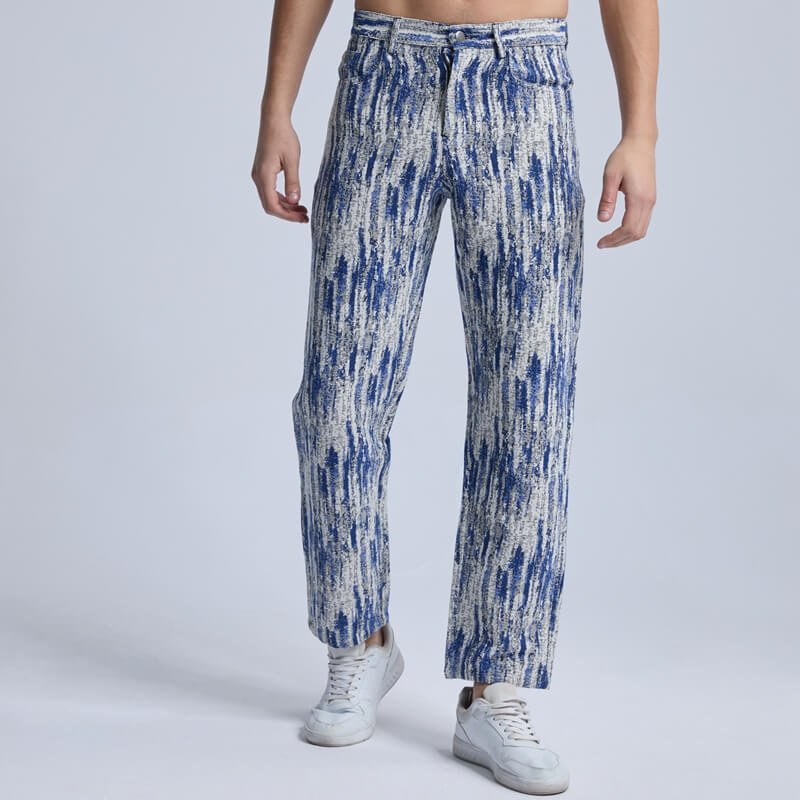








Cinch White Label Jeans: Key Development Features
Turn a defined denim direction into a repeatable private-label program with practical fit, fabric, wash and trim decisions.
Controlled Cinch Fit
Set the rise, waist shaping, leg profile and inseam against approved measurements for consistent fit across your full size run.
Purpose-Matched Denim Weight
Choose denim weight and stretch based on desired structure, comfort and drape, balancing authentic hand feel with everyday wearability.
Wash Direction Testing
Develop vintage fading, enzyme, stone, acid or distressed wash effects through samples while accounting for shrinkage, shade variation and final measurements.
Private-Label Details
Coordinate woven labels, care labels, hangtags, buttons, zipper pulls, patches and packaging so cinch white label jeans arrive ready for your brand.
Repeatable Production Specs
Document approved fabrics, patterns, washes and trim placements before bulk production, creating a reliable foundation for future denim reorders.
More Cinch White Label Jeans Options and Guides
Compare adjacent product categories, manufacturing options and practical buyer resources from the VeeWen architecture.

OEM, ODM & Private Label
OEM clothing manufacturing from 100 pieces per style, with sampling, fabric sourcing, private labels, QC and packed bulk goods. Request a custom quote.
Explore Category
Private Label Jacket Manufacturer
Private label jacket manufacturer with a 100-piece MOQ, sampling, trim sourcing and quality checks for OEM-ready outerwear. Request a custom quote today.
Explore Category
White Label Jeans
White label jeans from 100 pieces per style, with OEM/ODM development, custom washes, labels, and fit-approved samples. Request a custom quote today.
Explore Category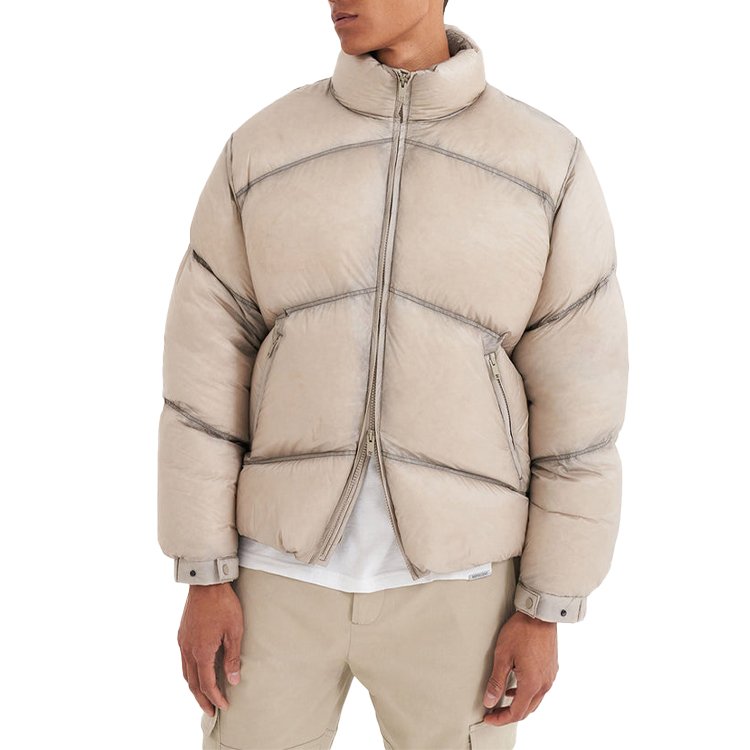
Private Label Puffer Jackets
Private label puffer jackets from a 100-piece MOQ, with custom fabrics, trims, branding and approved samples before bulk production. Request a custom quote.
Explore Category
Luxury Hoodie Manufacturer Custom Design Private Label
luxury hoodie manufacturer custom design private label programs start at 100 pieces per style, with sampling, trims and packaging coordinated. Request a quote.
Explore Category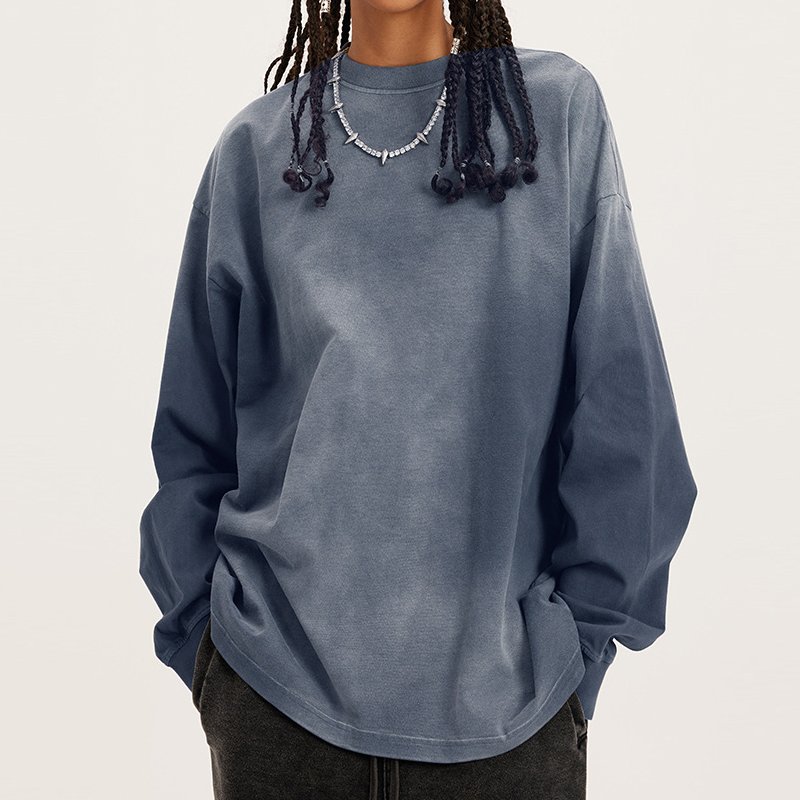
Private Label Garment Dyed Sweatshirts Supplier
Private label garment dyed sweatshirts supplier for 100-piece-per-style production, with approved wash samples to control shade and shrinkage. Request a quote.
Explore Category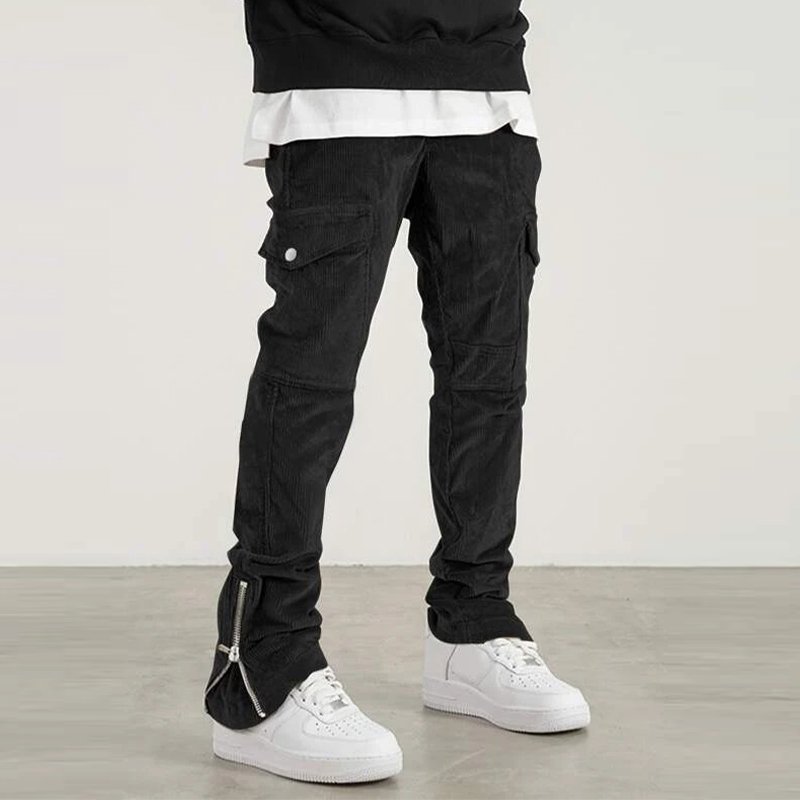
Private Label Activewear
Private label activewear from 100 pieces per style, with fabric sourcing, fit samples, labels and performance trims in one workflow. Request a quote.
Explore Category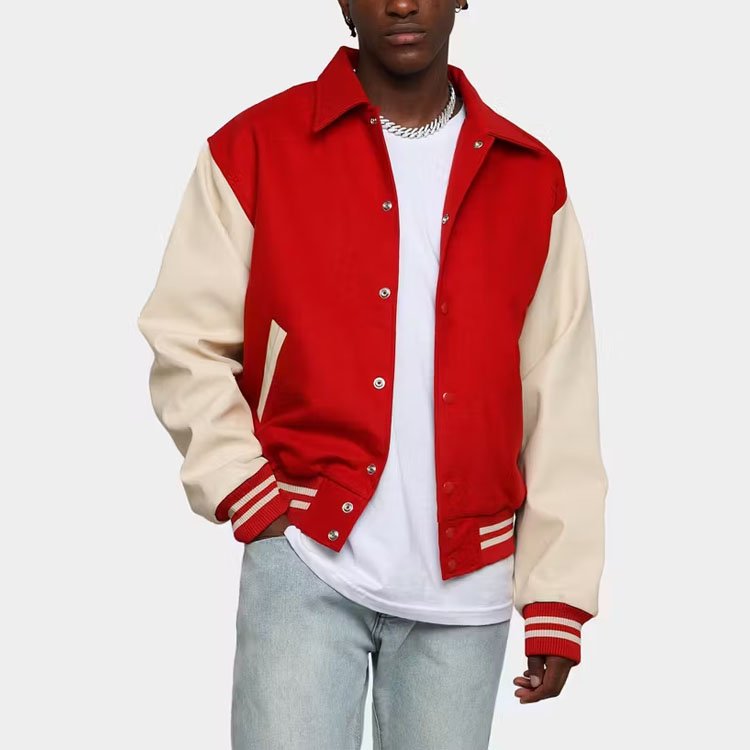
Bulk Private Label Varsity Jackets Vendors
Bulk private label varsity jackets vendors can develop OEM-ready jackets from 100 pieces per style, with custom fabrics, trims and labels. Request a quote.
Explore CategoryCinch White Label Jeans Development Experience
Founded in 2016 by ChangKeng Luo in Dongguan, China, VeeWen helps menswear and streetwear labels turn cinch white label jeans concepts into production-ready denim programs. We begin with the intended fit block, rise, leg shape, inseam, fabric weight and visual reference, then clarify the specifications needed for a consistent graded size run.
Our OEM, ODM, private-label and cut-and-sew workflow connects denim sourcing, pattern development, wash testing, sample review, bulk manufacturing, in-line inspection, final quality checks and packed goods. A 100-piece-per-style MOQ lets emerging brands test a focused jean drop while establishing repeatable details for later reorders.
VeeWen works as one accountable production partner, balancing the choices that shape a jean: denim weight for structure, wash direction for shade variation and shrinkage, trim selection for durability, and labeling for a complete private-label finish. Approved samples and documented checkpoints keep every decision visible before bulk production moves forward.

Cinch White Label Jeans: Details That Build Repeatability
Fit Blocks and Grade Rules
VeeWen converts your cinch white label jeans direction into measurable fit specifications, from waist and rise to thigh, knee, leg opening, inseam and waistband shape. Approved measurements and grade rules protect consistency across sizes before the 100-piece-per-style bulk run begins.
- Define front and back rise for the intended silhouette
- Set thigh, knee and hem measurements from the approved sample
- Review seat ease, pocket placement and yoke balance in fit sessions
- Document graded measurements for repeatable reorders

Denim Weight and Construction
Denim selection determines structure, comfort and finishing results. We source fabric around your target hand feel, stretch recovery, shade and price point, then test it through sampling. Heavier rigid denim holds a stronger shape; added stretch improves mobility but changes recovery and wash behavior.
- Choose rigid, comfort-stretch or stretch denim by wear intent
- Match ounce weight to structure, season and desired drape
- Check shrinkage and skew before confirming production measurements
- Align fabric shade and texture with your wash direction

Wash Control and Variation
A wash gives private-label jeans their character, but it also affects dimensions, color and unit-to-unit variation. VeeWen reviews wash references during development and confirms an approved standard, helping balance vintage character with the consistency needed for commercial bulk production.
- Evaluate enzyme, stone, acid, snow or vintage-fade effects
- Allow for wash shrinkage when setting pre-wash pattern measurements
- Set acceptable shade variation against the approved wash sample
- Consider distressing placement and reinforcement for durability

Branded Trims and Packing
Finishing details turn a developed jean into a retail-ready cinch white label jeans program. Labels, buttons, rivets, patches and packaging are coordinated within one production workflow. Complex custom hardware can elevate the product, while longer sourcing lead times may affect the production window.
- Specify woven labels, care labels, size labels and hangtags
- Select buttons, rivets, zipper pulls and branded leather-look patches
- Confirm trim colors and logo artwork against production samples
- Coordinate folding, polybags and carton requirements for shipment

Cinch White Label Jeans vs. Stretch-Denim Programs
Choose a relaxed straight-leg denim direction when structure, wash character, and repeatable fit matter more than body-hugging recovery.
← Swipe left or right to view →
Cinch White Label Jeans Development and Production Flow
Move from a reference-led fit direction to approved, packed bulk denim through a controlled VeeWen development workflow.
Review References and Specifications
Share reference jeans, sketches, measurements, or a tech pack. VeeWen clarifies cinch details, silhouette, hardware, target price, and 100-piece-per-style requirements.
Develop Pattern and Fit Block
Our team builds the denim pattern, setting rise, leg shape, inseam, waistband construction, pocket placement, and graded measurements before producing the first sample.
Approve Denim and Wash
Select denim weight, stretch level, color, and wash direction. Test shrinkage, shade variation, fading, distressing, and trim compatibility to protect the intended fit.
Refine Sample and Branding
Review the sample for fit, construction, and finish. Confirm labels, patches, buttons, zipper pulls, hangtags, packaging, and any embroidery or print details.
Confirm Pre-Production Sample
Approve final measurements, wash standard, workmanship, and packaging on the pre-production sample. Documented checkpoints create a clear reference for repeatable bulk execution.
Sew, Inspect, and Pack
VeeWen coordinates bulk sewing, in-line inspection, final quality checks, packing, and shipment preparation, keeping your cinch white label jeans program aligned with approved specifications.
Order Cinch White Label Jeans With Clear Specs
Send the visual, fit and branding details VeeWen needs to turn your denim concept into an approved, production-ready private-label program.
Send Your References
Share reference images, sketches, existing samples or a tech pack to define the cinch fit, silhouette, pocket details and overall denim direction.
Specify Fit and Wash
Provide size specs, graded measurements, target fabric weight, wash references and distressing requirements so VeeWen can clarify construction, shrinkage and shade expectations.
Confirm Branding Details
Submit label artwork, hangtag files, care-label information, trims and packaging requirements for a consistent private-label jeans presentation from inside label to packed goods.
State Your Quantity Needs
Tell us your colorways, size breakdown and order quantity. With a 100-piece-per-style MOQ, VeeWen can prepare sampling and bulk-production recommendations.
Approve the Production Sample
Review the sample for fit, wash, trims and branding, then confirm final specifications before VeeWen moves into bulk manufacturing, quality checks and packing.
Buyer Results from Cinch White Label Jeans Development
VeeWen refined our cinch white label jeans fit through two sample rounds and locked the graded measurements before bulk. Our first 300-piece delivery matched the approved waist, rise and inseam specs closely enough to move straight into our product launch.
The enzyme wash and off-white shade were the biggest risks for our denim capsule. VeeWen sent clear wash references, corrected the first lab dip, and delivered 150 pairs with color alignment that matched our approved sample for ecommerce photography.
We needed durable cinch white label jeans at a 100-piece-per-style MOQ without losing construction detail. The reinforced seams, branded trims and packing were approved on schedule, and our production samples arrived 12 days after we confirmed the final specs.
Cinch White Label Jeans OEM FAQ
Practical answers on fabric, fit, washes, labeling, sampling and 100-piece production for private-label denim programs.
What denim fabrics work best for cinch white label jeans?
Can I customize the fit and measurements for cinch white label jeans?
What wash options are available for cinch white label jeans?
Can I add embroidery, patches, prints or custom hardware to jeans?
What is the MOQ for private-label jeans at VeeWen?
Can you add my private labels and packaging?
What artwork files do I need to send for custom jeans?
How does sampling and bulk production work for a custom denim order?
The Complete Buyer’s Guide to cinch white label jeans
Use this practical framework to evaluate fits, fabrics, customization, production quality, supplier capabilities, and pricing—so you can source confidently, avoid costly specification gaps, and launch a differentiated denim program.
1. What Are cinch white label jeans?
100-piece cinch white label jeans are private-label denim supplied without a consumer-facing factory brand, then finished with the buyer’s labels, hangtags and packaging. The cinch usually means an adjustable waist detail, such as side tabs, a back buckle, drawcord, elastic or D-ring strap.
2016-founded VeeWen can execute white-label specifications from an approved base style; OEM follows the buyer’s tech pack, while ODM adapts a manufacturer-developed block or design direction. Retail-ready branded jeans arrive already marketed under another brand and offer little ownership of identity.
3 buyer groups benefit most: emerging labels testing a denim drop, retailers building exclusive assortments, and teams or corporate buyers needing controlled branding. The model works best when fit, wash, trim and grading are confirmed before bulk production.
2. Evolution of cinch white label jeans
1890s workwear jeans often used rear cinch backs before belt loops became standard, letting wearers adjust the waist without a belt. That practical hardware now gives denim programs a credible vintage reference rather than a decorative afterthought.
1990s and 2000s streetwear revived wider legs, carpenter influences, and visible utility details, making adjustable waists relevant to silhouette as well as fit. For cinch white label jeans, buyers can use side tabs or a back strap to support flexible sizing while preserving a clean waistband.
100-piece private-label runs benefit when the cinch is specified early: tab length, buckle finish, reinforcement stitching, and wash behavior all affect the final story. VeeWen can translate those choices into approved samples and repeatable bulk specifications.
3. Types of cinch white label jeans
A 100-piece development run is usually strongest when built around one fit block and one adjustment system. Choose the silhouette by customer, styling position, and how much waist tolerance the size run needs.
Straight And Tapered Fits
Straight legs suit core menswear; tapered fits serve cleaner, sneaker-led assortments. Use a cinch-back or side tabs to refine the waist without changing the rise.
Relaxed And Baggy Fits

Relaxed and baggy jeans target streetwear buyers needing easier movement and layered styling. Drawcord or elastic waists add size flexibility, but require stable waistband construction and clear stretch recovery specifications.
Carpenter And Wide-Leg Fits
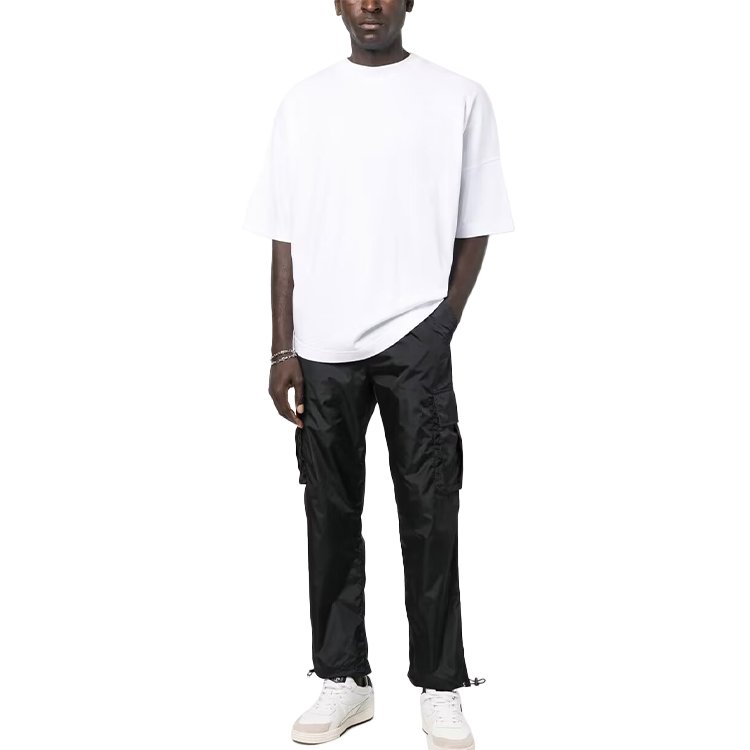
Carpenter jeans add utility through tool pockets and hammer loops; wide-leg styles create a fashion-forward silhouette. Specify pocket placement, tab hardware, and grading early so details remain balanced across sizes.
4. Fabrics for cinch white label jeans
10–14 oz denim suits most cinch white label jeans; weight controls structure, wash character, and season. Confirm fiber blend and stretch recovery before sampling.
| Fabric | Weight | Hand And Use |
|---|---|---|
| Rigid cotton | 12–14 oz | Firm; durable, strong wash fades, cool seasons |
| Comfort stretch | 10–12 oz | Flexible; fitted styles, year-round |
| Recycled/organic blend | 11–13 oz | Responsible option; test shade and strength |
| Slub denim | 11–13 oz | Textured; character washes, fashion drops |
| Lightweight denim | 7–10 oz | Soft; summer shirts and relaxed jeans |
Choose By End Use

100% cotton rigid denim gives the sharpest fade and durable workwear hand. Comfort stretch suits fitted e-commerce fits; lightweight denim serves warm-weather programs.
5. Customizing cinch white label jeans
At VeeWen, a 100-piece style minimum supports focused private-label denim development. Lock the fit block and wash first; layered trims and custom hardware should follow approved samples.
| Customization | Brand Value | Production Impact |
|---|---|---|
| Fit and wash | Highest visual identity | Sampling-critical |
| Pockets and cinch | Recognizable detail | Moderate cost |
| Custom molds | Distinctive hardware | Higher MOQ and time |
High-Value Choices

Two decisions create the strongest identity: fit block and wash. Define rise, leg shape, inseam, pocket placement, fading, distressing, garment dye, and cinch hardware before sampling.
Risk-Controlled Branding

Three branding layers—embroidered pockets, woven labels, patches, custom buttons, zipper pulls, hangtags, and polybags—differentiate the garment. New molds, dense embroidery, and multiple wash colors can increase development rounds, MOQ pressure, cost, and lead time.
Size Grading
One approved base size is not enough. Confirm graded waist, hip, rise, thigh, knee, hem, and inseam measurements so the intended silhouette holds across the full size run.
6. Construction Quality for cinch White Label Jeans
100-piece approvals should lock measurable construction standards before cutting bulk cinch white label jeans. Inspect the sealed sample after washing, then compare production pieces against the approved measurement chart.
Measurements And Shrinkage
3% shrinkage or less should be confirmed by wash testing. Check rise, inseam, waist, and leg opening within agreed tolerances, commonly ±1 cm.
Seams And Reinforcement
8–10 stitches per inch is a practical denim baseline. Verify chain-stitched hems, aligned pockets, secure bartacks, and reinforced stress points.
Hardware And Wash Tests
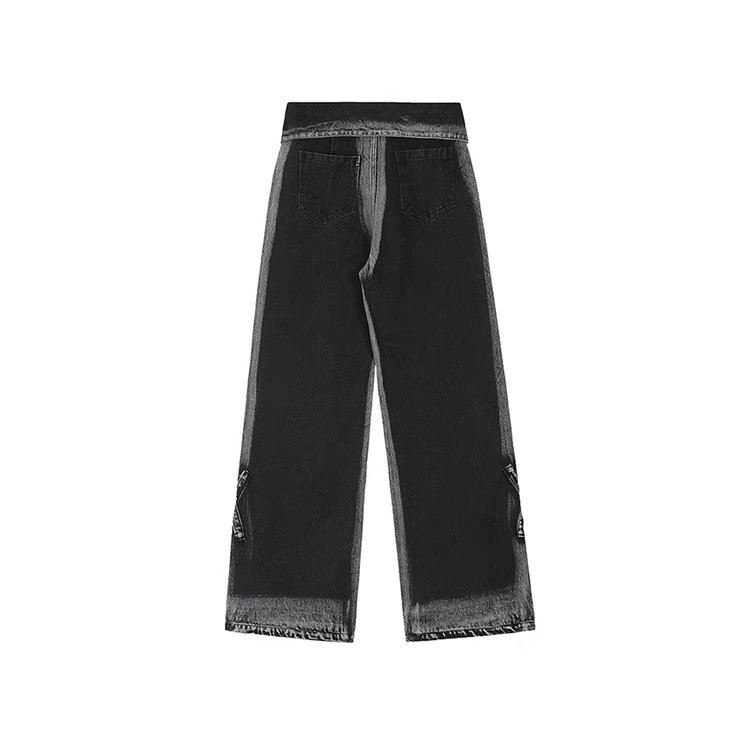
10 pull tests should confirm cinch tabs, rivets, and buttons stay secure. Cycle zippers and inspect wash durability for abrasion, shade variation, and hardware corrosion.
7. Choosing a cinch white label jeans manufacturer
A 100-piece minimum can suit a focused launch, but it does not prove a supplier can repeat a denim block. Before committing, assess evidence rather than promises across development, wet processing, controls, and export.
Denim Development Evidence
Two approvals—fit sample and pre-production sample—should show the same pattern, measurements, stitch density, and hardware. Ask for graded spec sheets, sample photos, and confirmation that the 100-piece MOQ applies per style.
Sourcing And Washing
Three traceable records—mill quote, fabric composition test, and wash recipe—answer whether sourcing and wash-house work are controlled. Request shrinkage and shade-range results, plus applicable OEKO-TEX, GOTS, WRAP, or BSCI documentation.
Production Control And Export
Four checkpoints—fabric receipt, inline, finishing, and final AQL inspection—reveal production discipline. Request capacity timing, a named English-language contact, inspection reports, packing list, and recent export documents for your destination.
8. Common Buyer Mistakes to Avoid
Eight preventable decisions create most denim sourcing disputes: unclear specifications, untested washes, and price-led factory selection. Lock requirements before bulk, not after purchase orders are issued.
Define The Product
One tech pack must specify measurements, construction, trims, and Pantone references; vague briefs cause rework. Approve a graded measurement chart and a defect standard before production.
Test Fabric And Wash

Two fabric swatches can look alike yet shrink or fade differently; appearance-only selection risks returns. Test the approved wash on the final denim, then record shrinkage and shade tolerance.
Control Volume And Cost
100-piece orders cannot efficiently carry unlimited custom hardware, washes, and embroidery; complexity raises unit cost and delays. Compare factories on samples, communication, checkpoints, and price—not quotation alone.
9. Launching Your Private-Label Denim Program
A 100-piece launch works best as one fit block, one wash, and two sizes or colorways. Lock each decision before the next sample to avoid costly denim revisions.
Brief To Prototype

Week 1 begins with a market brief, target retail price, and tech pack. Approve denim weight, Pantone thread, trims, grading, and a prototype before fit changes proceed.
Fit To Purchase Order
Round 2 uses wear-test notes to confirm rise, inseam, leg opening, and shrinkage after washing. Approve a pre-production sample, measurement sheet, label artwork, packing method, and purchase order.
Production To Merchandising
Inline inspection checks shade, sewing, hardware, and measurements against the approved sample. Final quality control, carton marks, shipping documents, product photography, and size guidance prepare the focused drop for sale.
10. cinch white label jeans Pricing and Costs
100-piece runs commonly price at US$18–35 per pair before freight, depending on denim specification and wash. A development sample typically adds US$80–180; approve it before bulk.
300–500 pieces usually improve cutting and trim efficiency, but rates remain supplier-dependent estimates, not fixed VeeWen pricing. Fabric weight, enzyme or stone washes, custom hardware, labels, packaging, colorways, and destination freight drive the final quote.
| Quantity tier | Indicative EXW unit price | Sample/setup cost | Typical bulk lead time |
|---|---|---|---|
| 100 pieces | US$18–35 | US$80–180 | 30–45 days |
| 300 pieces | US$15–28 | US$80–180 | 35–50 days |
| 500+ pieces | US$13–25 | US$80–180 | 40–55 days |
Start Your Cinch White Label Jeans Production Review
Send your reference jeans, target specifications, and branding details for a practical production review and custom quote from VeeWen.