
White Label Jeans, Built for Your Brand
Develop production-ready white label jeans with custom fits, washes, branding, and a 100-piece-per-style MOQ for menswear and streetwear collections.
Featured Products for white label jeans Development

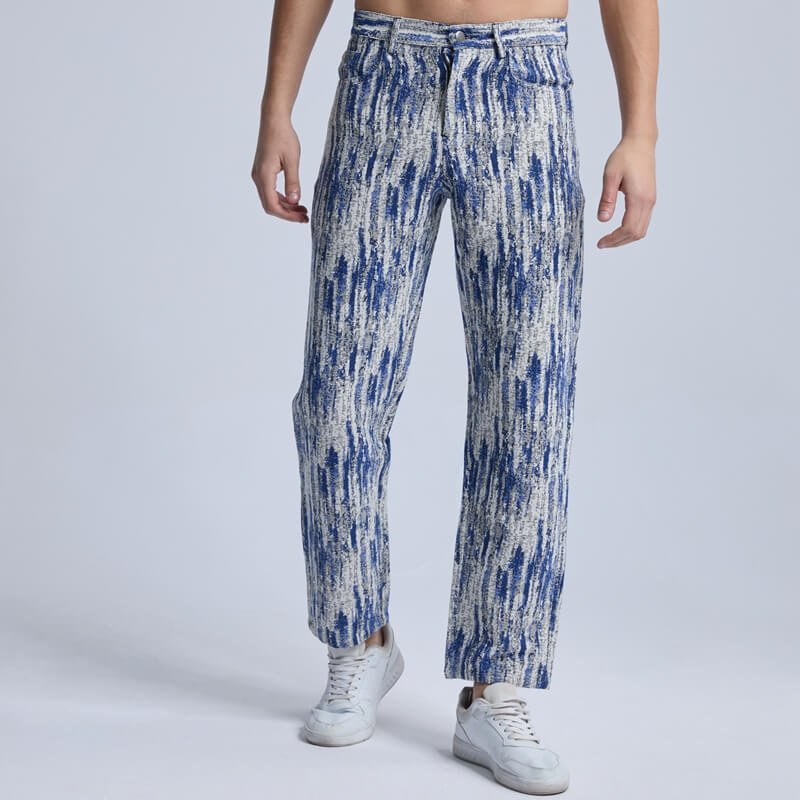


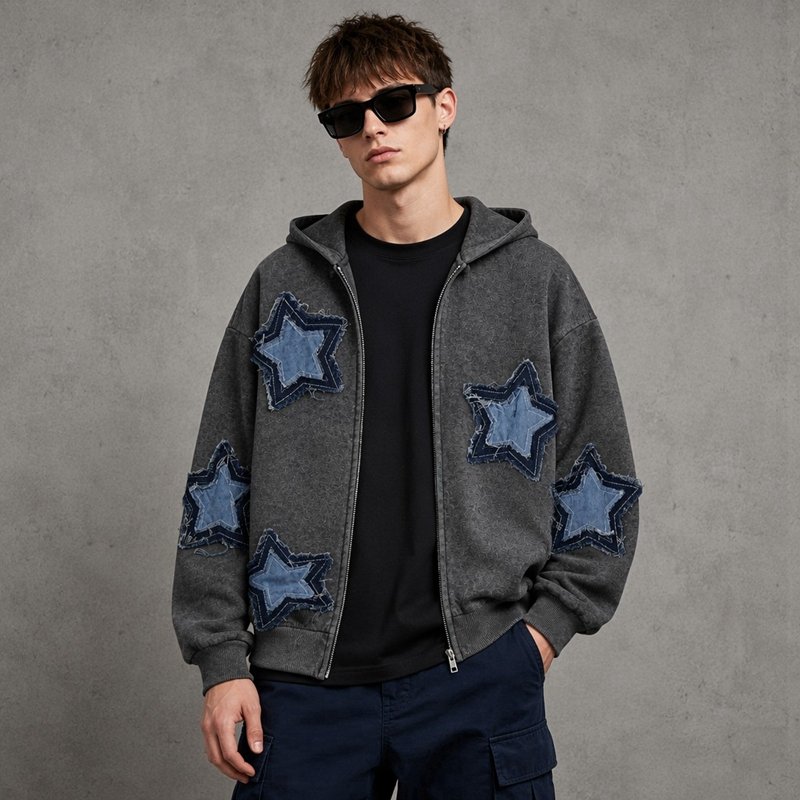

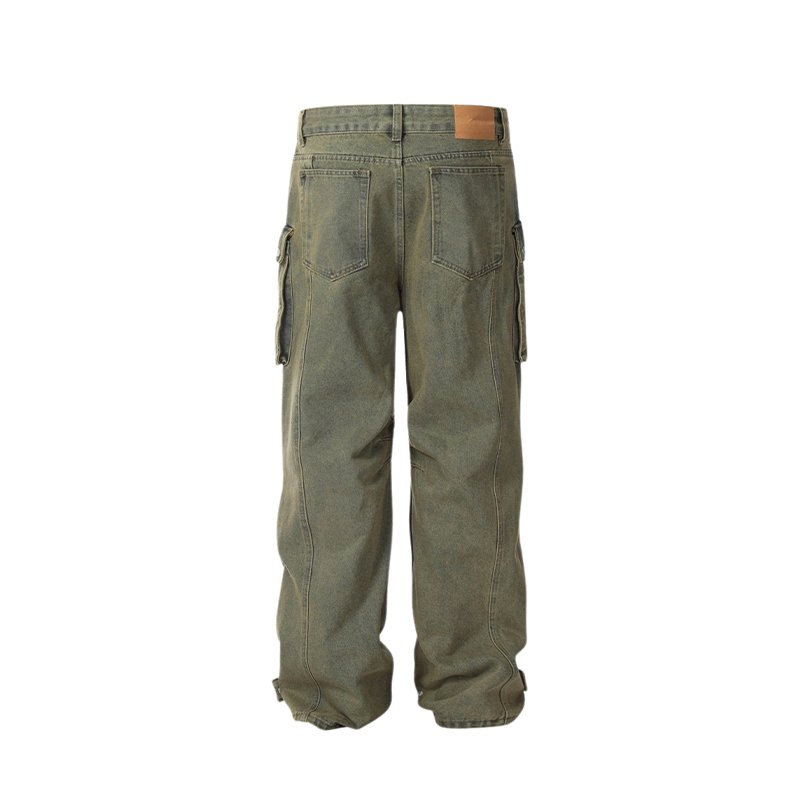


White Label Jeans Features You Can Specify
Build a repeatable denim program with clear decisions on fit, fabric, wash, hardware, labeling, and approved bulk standards.
Fit Blocks & Grading
Define straight, relaxed, baggy, slim, or wide-leg blocks with rise, inseam, leg opening, and graded measurements reviewed before bulk production.
Denim Weight Selection
Choose denim weight, stretch content, weave, and hand feel to balance structure, comfort, durability, wash response, and your target price.
Wash Direction
Specify raw, enzyme, stone, acid, snow, vintage-fade, or distressed finishes, with samples confirming shade variation, shrinkage, and final character.
Custom Hardware
Coordinate branded buttons, rivets, zippers, leather patches, drawcords, and trim details that support your white label jeans design and production timeline.
Private-Label Details
Add woven labels, care labels, size labels, hangtags, polybags, and packaging requirements for a complete retail-ready denim program.
Repeatable Bulk Standards
Lock approved samples, measurement tolerances, wash references, construction details, and inspection checkpoints for consistent 100-piece-per-style reorders.
More White Label Jeans Options and Guides
Compare adjacent product categories, manufacturing options and practical buyer resources from the VeeWen architecture.

OEM, ODM & Private Label
OEM clothing manufacturing from 100 pieces per style, with sampling, fabric sourcing, private labels, QC and packed bulk goods. Request a custom quote.
Explore Category
Private Label Activewear Manufacturer
Private label activewear manufacturer support from 100 pieces per style, from fabric sourcing to branded packaging. Request a custom quote for your collection today.
Explore Category
Private Label Sustainable Activewear Manufacturers
Private label sustainable activewear manufacturers with a 100-piece MOQ, from fabric sourcing and samples to branded bulk goods. Request a custom quote today.
Explore Category
Private Label Clothing Trim Packages Production Partner
Private label clothing trim packages production partner for labels needing matched labels, hangtags and packaging from 100 pieces per style. Request a quote.
Explore Category
Private Label Fashion Brand Clothing Supplier
Private label fashion brand clothing supplier with a 100-piece-per-style MOQ, from tech pack and sampling to labeled bulk goods. Request a custom quote today.
Explore Category
Private Label Vintage Wash Jeans Supplier
Private label vintage wash jeans supplier with a 100-piece-per-style MOQ, custom washes, labels and fit development. Request a production quote today.
Explore Category
Private Label Brushed Fleece Sweatpants Supplier
Private label brushed fleece sweatpants supplier with a 100-piece MOQ for OEM streetwear programs, from fabric sourcing to packing. Request a quote today.
Explore Category
Private Label Cycling Shorts Supplier
Private label cycling shorts supplier with a 100-piece-per-style MOQ, custom fit development and branded packaging. Request a custom quote today.
Explore CategoryWhite Label Jeans Experience at VeeWen
Founded in Dongguan in 2016 by ChangKeng Luo, VeeWen helps global menswear and streetwear brands turn denim directions into dependable white label jeans. We work from tech packs, sketches, reference samples, or early ideas, translating the intended fit, weight, wash character, and branded details into production-ready specifications.
Our integrated workflow covers denim fabric sourcing, pattern development, sampling, fit review, wash coordination, decoration testing, bulk production, in-line inspection, final quality checks, and private-label packaging. With a standard MOQ of 100 pieces per style, brands can launch a focused jean program while building clear specifications for repeat orders.
VeeWen stands apart through direct, production-minded communication. We explain practical trade-offs before they become costly: how a wash can affect shrinkage and shade variation, how fabric weight changes structure, and how trims influence timing. Approved samples and documented checkpoints keep each white label jeans program aligned from development through packed goods.

White Label Jeans Development Controls That Protect Bulk Quality
Denim Weight and Wash
Approve fabric weight, composition, construction and wash direction together before sampling. A heavier denim supports more structure, while enzyme, stone or vintage washes can affect shrinkage, shade variation, seam appearance and the final hand feel of white label jeans.
- Confirm GSM, stretch level and intended hand feel
- Review wash swatches under consistent lighting
- Measure shrinkage after wash testing
- Approve distressing placement and edge finish

Fit Block and Grading
A strong sample must translate across the full size run, not only look right in one size. VeeWen reviews rise, hip ease, thigh width, knee position, leg opening, inseam and graded measurements before bulk production begins.
- Approve base-size measurements and tolerances
- Check front and back rise balance
- Confirm leg shape from thigh to hem
- Review grade rules for every size

Trims That Work With Denim
Buttons, rivets, zippers, patches and thread should be tested against the garment wash and construction. Trim choices influence durability, color transfer, comfort and production timing, especially when white label jeans use heavy washes or custom hardware.
- Test hardware against wash and abrasion
- Match zipper length to fly construction
- Confirm thread color after wash
- Approve patch material and attachment method

Labels, Packing, Final Sign-Off
Private-label details should be approved as part of the production-ready specification, not added after the jeans sample is complete. VeeWen coordinates woven labels, care labels, size labels, hangtags, polybags and final inspection checkpoints in one workflow.
- Check label placement and stitch method
- Verify care content and size labeling
- Approve hangtag, barcode and polybag details
- Sign off pre-production sample before bulk
White Label Jeans vs. Stock Blank Relabeling
White label jeans give your brand controlled fit, wash, trims and labeling without the development scope of fully custom cut-and-sew denim.
← Swipe left or right to view →
White Label Jeans Production Process
VeeWen uses documented approvals at each denim control point to keep fit, wash character, shrinkage, and shade aligned before bulk production begins.
Clarify Design and Specs
Share a tech pack, sketch, sample, or reference images. We confirm fit block, measurements, construction, trims, target wash, and 100-piece-per-style production requirements.
Source Denim and Components
We recommend denim weight, fiber content, stretch level, pocketing, hardware, labels, and finishing options against your intended hand feel, price point, and end use.
Develop Pattern and Sample
Our team develops patterns and a first sample for review, checking rise, inseam, leg shape, waist fit, pocket placement, and graded measurement specifications.
Test Wash and Fit
Wash trials establish shade, fading, distressing, shrinkage, and garment dimensions. You approve the fit and wash standard before pre-production specifications are locked.
Run Bulk With Inspection
After pre-production approval, bulk cutting, sewing, washing, and finishing proceed with in-line checks to catch construction, measurement, shade, and trim issues early.
Pack and Coordinate Shipment
Final quality checks confirm approved standards before private-label packing. We coordinate polybags, hangtags, carton details, and shipment handoff for your completed jeans order.
How to Order White Label Jeans With VeeWen
Move from denim concept to approved bulk order with clear specifications, sample review and a practical 100-piece-per-style MOQ.
Send Your Denim Direction
Share a tech pack, sketch, reference garment or inspiration images, plus your target customer, price point and intended white label jeans style.
Define Production Specifications
Confirm fit block, denim weight, wash effect, size range, graded measurements, trims, pocket details, labels and packaging before sample development begins.
Review Your Development Sample
Assess fit, wash shade, shrinkage, hardware and branding on the sample. Record revisions and approve final specifications for consistent production across the size run.
Confirm Your Bulk Order
Approve the pre-production details and place your 100-piece-per-style order. VeeWen coordinates fabric sourcing, manufacturing, inspections, private-label packing and shipment communication.
White Label Jeans Client Results
VeeWen translated our reference fit into a repeatable straight-leg block. Across the first 120-piece run, measurements stayed within our approved tolerance, and the enzyme wash matched the sample closely enough to launch without a rework delay.
Our denim capsule needed a worn-in black wash with branded metal hardware that could handle daily wear. The team approved strike-offs before bulk, and all 300 pairs arrived with consistent shade, secure trims, and retail-ready labeling.
We started with sketches and a 100-piece white label jeans order for our online store. VeeWen tightened the fit through two sample rounds and delivered bulk goods on schedule, helping us launch our first denim drop on the planned date.
White Label Jeans FAQ
Clear answers for sourcing teams planning custom denim, private-label trims, washes, and production from 100 pieces per style.
What is the MOQ for white label jeans?
Can I develop white label jeans from a sketch or reference sample?
Which denim fabrics and washes work best for white label jeans?
Can I add embroidery, patches, prints, or custom hardware to jeans?
How do you handle sizing and fit for custom jeans?
What files do I need for jean labels, artwork, and branding?
How are samples and bulk quality checks managed?
How do I request pricing and lead-time information for a denim order?
The Complete Buyer’s Guide to white label jeans
Use this practical framework to evaluate white label jeans, compare supplier capabilities, control quality and costs, and avoid the sourcing mistakes that delay a successful private-label denim launch.
1. What Are white label jeans?
100-piece programs make white label jeans a lower-risk route to market: buyers select ready-developed denim, add their labels and packaging, then purchase the finished inventory. The supplier owns the original base design and standard specifications; the buyer owns its brand presentation and the stock it orders.
3 production models require different control levels. Private label adapts an existing jean with brand trims, OEM follows the buyer’s tech pack and approved specifications, while ODM develops the style from the buyer’s brief; design ownership, exclusive details, and inventory commitments should be written into the agreement. Emerging e-commerce sellers often start ready-to-brand, while retailers and wholesalers need repeatable specifications before scaling.
2. Evolution of White Label Denim
1873 marked the patenting of riveted blue jeans, built for durability in mining and manual work. By the mid-20th century, denim had moved into youth culture, then fashion, turning workwear construction into a canvas for fit, wash and identity.
1990s global sourcing made private-label denim more accessible to brands without their own factories. Standardized denim mills, cut-and-sew capacity and international freight let buyers specify a fit block, wash, trims and labels under their own name.
2026 demand favors shorter, focused drops: relaxed, baggy, carpenter and vintage-inspired silhouettes need distinct measurements, not generic blanks. China-based partners such as VeeWen help global menswear and streetwear buyers develop samples, approve wash effects and launch branded runs from a 100-piece-per-style MOQ.
3. Types of white label jeans
Six core fits cover most white label jeans assortments. Balance fashion-led shapes with a repeatable block that can survive several wash and reorder cycles.
Core Classic Fits
Slim and straight jeans serve fitted and mainstream customers. Slim favors clean dark rinses; straight accepts vintage fades and offers the broadest repeat business.
Volume-Led Fits
Relaxed and wide-leg fits target streetwear buyers and younger shoppers. Both suit stone, acid, and snow washes, but wide legs carry higher trend risk while relaxed blocks repeat more reliably.
Utility And Stretch
Cargo denim adds pocket utility for fashion capsules; stretch performance denim supports active daily wear. Cargo merchandising is directional, while 1–3% elastane improves comfort but can limit heavy wash effects.
4. Materials for white label jeans
12–16 oz denim suits most white label jeans: increase weight for structure, reduce it for warm-weather comfort. Specify fiber content, weave, finish, and expected shrinkage before sampling.
| Composition | Weight | Hand/Durability | Recovery | Fits/Use |
|---|---|---|---|---|
| 100% cotton | 12–16 oz | Firm; high | None | Straight, workwear |
| 98% cotton/2% elastane | 10–13 oz | Soft; durable | Good | Slim, comfort |
| Recycled cotton blend | 11–14 oz | Varied; test | Blend-dependent | Casual, sustainable |
Build A Usable Brief
100% cotton rigid denim gives authentic break-in and strong abrasion resistance; 1–3% elastane improves movement. Recycled cotton can reduce virgin-fiber use, but request yarn quality and shade-consistency review.
- Name target oz weight and finished wash.
- Specify right-hand twill or broken twill.
- Approve wash, shrinkage, and stretch recovery.
5. Customize white label jeans
At VeeWen, begin white label jeans with a fit block, then invest in details customers can see and feel. The standard 100-piece-per-style MOQ suits focused launches; complex washes and custom trims need earlier sample approval.
| Choice | Value Effect | Production Impact |
|---|---|---|
| Fit block | Higher brand recognition | Fit sample and grading required |
| Custom wash | Premium visual depth | Adds wash testing and shade control |
| Custom hardware | Stronger perceived quality | May extend trim lead time |
| Labels and packaging | Consistent brand presentation | Requires approved artwork and compliance review |
Prioritize Visible Changes
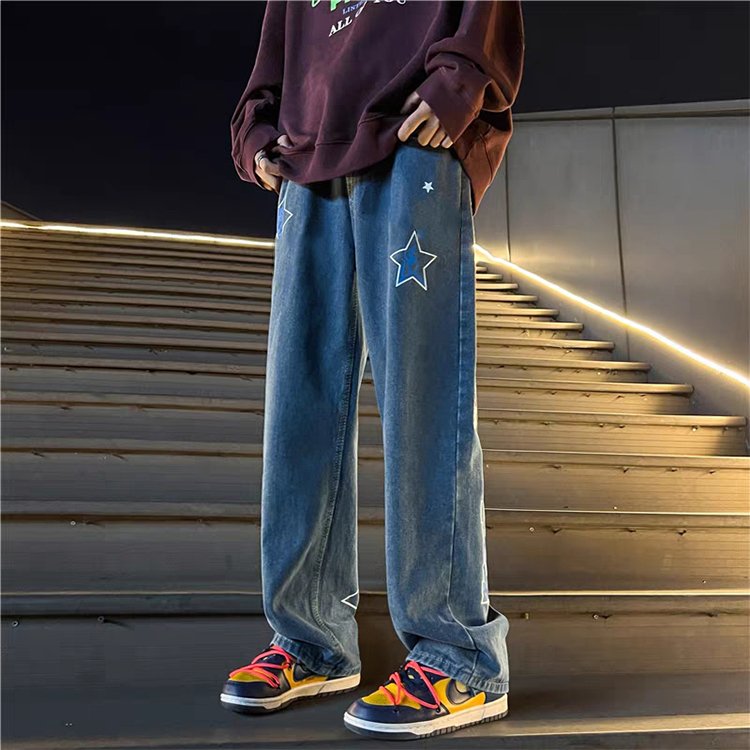
2 high-impact choices are fit and wash: straight, relaxed, baggy, or tapered blocks define silhouette, while enzyme, stone, acid, pigment, or snow washes set character.
1 approved wash standard matters because fading and shrinkage can vary by lot; retain a sealed reference sample.
Specify Branded Components

4 component groups add perceived value: pocket shape, rivets and buttons, woven labels, and hangtags. YKK-equivalent hardware and secure label stitching protect durability and consistent reorders.
3 decoration routes—embroidery, patches, and printed details—should be tested on the actual denim weight; dense embroidery can pull lightweight fabric.
Confirm Packing Early
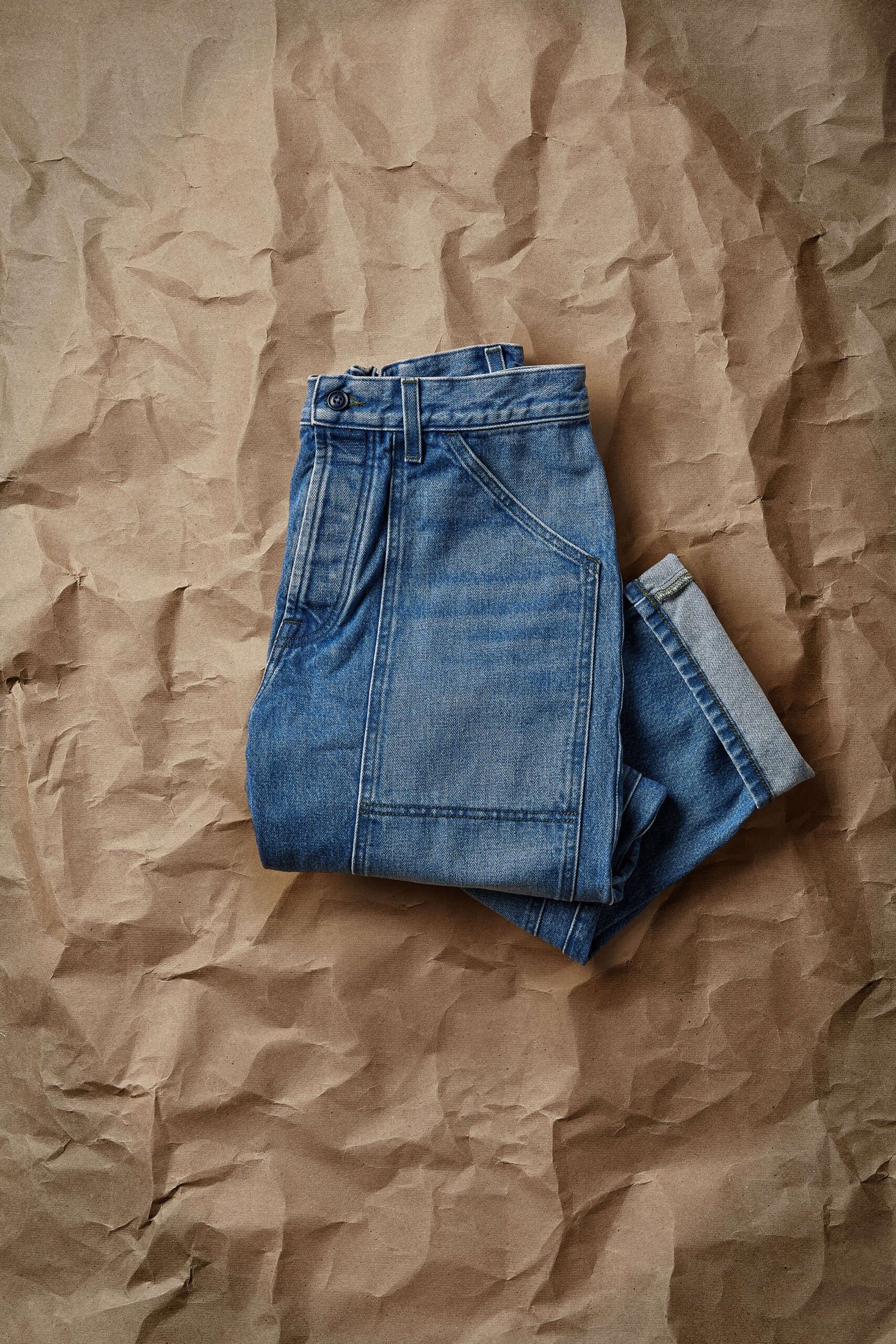
1 packaging spec should cover folded dimensions, polybag warning requirements, barcode placement, and carton marks. Confirm destination-market labeling and packaging rules before bulk production to avoid relabeling delays.
6. White Label Jeans Quality Checklist
Reliable white label jeans start with measurable controls, not a visual approval alone. Lock fabric, wash, construction, tolerances, and inspection criteria before bulk production.
Fabric And Wash Controls

10-ounce to 14-ounce denim should be inspected for defects, shade variation, shrinkage, and skew before cutting. Require wash testing for colorfastness, hand feel, and post-wash measurements.
- Record fabric composition and weight
- Approve a washed swatch and shade band
- Set allowable shrinkage by measurement point
Construction Requirements

8–10 stitches per inch is a practical baseline for durable seams. Specify chain stitching, felled inseams, bartacks at stress points, reinforced back pockets, and approved zipper and button samples.
- Name zipper, button, and rivet finish
- Show bartack locations in the tech pack
- Confirm pocket shape and reinforcement
Approval And Inspection
A pre-production sample must match the graded spec, wash standard, trims, and labeling. Request a QC report covering measurements, defects, color, hardware function, packing, and final random inspection.
- Set measurement tolerances by point
- Photograph key defects and wash results
- Approve packing before shipment
7. How to Choose a Manufacturer
Three checkpoints separate a capable China partner from a trading promise: approved denim samples, documented process control, and realistic scheduling. Ask for evidence before committing to white label jeans.
Verify Denim Development

1 approved sample should confirm fit block, graded measurements, fabric weight, shrinkage, hardware, and wash shade. Request comparable denim work, pattern revisions, and wash-test results.
Check Commercial Fit
100 pieces per style is a practical entry MOQ; confirm color and size splits, fabric sourcing, production capacity, and sample-to-bulk consistency. Ask which mill supplies the denim and who owns the pattern.
Audit Delivery Controls
30–60 day bulk windows are common after pre-production approval, but washes and custom trims can extend them. Ask how in-line inspections, final AQL checks, export documents, English updates, and certifications such as BSCI, WRAP, GOTS, or OEKO-TEX are handled.
8. Common White Label Sourcing Mistakes
Most white label jeans failures begin before bulk cutting: a low quote, an untested wash, or an incomplete approval. Lock decisions in writing before committing a 100-piece style.
Price-Only Selection
3 quotes should be compared by fabric, wash, trims, and inspection scope—not unit price alone. Request a like-for-like specification sheet.
Approval Gaps
1 approved sample is insufficient when enzyme, acid, or stone washing changes shade and shrinkage. Approve a washed sample, graded measurements, and a pre-production sample.
100-piece MOQs still need replenishment planning. Confirm fabric availability, repeat wash tolerance, checkpoints, and ownership of patterns, labels, and artwork.
9. Steps to Launch Your Jeans Brand
A 100-piece MOQ lets a new white label jeans label validate one focused fit before expanding. Lock the customer, price point and launch date before development begins.
Define Fit And Brief
1 target fit—straight, relaxed or baggy—needs graded measurements, rise, inseam, pocket placement and wash references. Approve the tech pack only when every visual decision is specified.
Sample And Approve

2 sample rounds are common for denim because enzyme, stone or vintage washes can change shade, shrinkage and hand feel. Release a size set only after fit, wash and trim approvals match the signed sample.
Produce And Launch
100 pieces per style can move to bulk after the deposit and pre-production confirmation. Schedule in-line inspection, final checks, shipping buffer and product photography before inventory lands.
10. White Label Jeans Pricing and Costs
100 pieces is VeeWen’s standard MOQ; an approved sample and specification sheet are the basis for a workable quotation. Prices below are planning ranges in USD, before freight, duty, and destination taxes.
12–14 oz denim, enzyme or vintage washes, and branded trims usually sit mid-range. Heavy washes, distressing, custom hardware, embroidered patches, retail packaging, smaller volumes, and EXW versus FOB terms can move costs materially.
| Order | Estimated unit price | Sample/setup | Typical lead time |
|---|---|---|---|
| 100–299 standard jeans | US$14–24 | US$80–180 sample | 25–35 days |
| 300–999 customized jeans | US$17–32 | US$100–250 sample | 30–45 days |
| 1,000+ custom wash program | US$15–29 | US$150–400 setup | 35–50 days |
Start Your White Label Jeans Development
Send your artwork, references, or tech pack for a tailored quotation and sampling plan, starting from 100 pieces per style.