


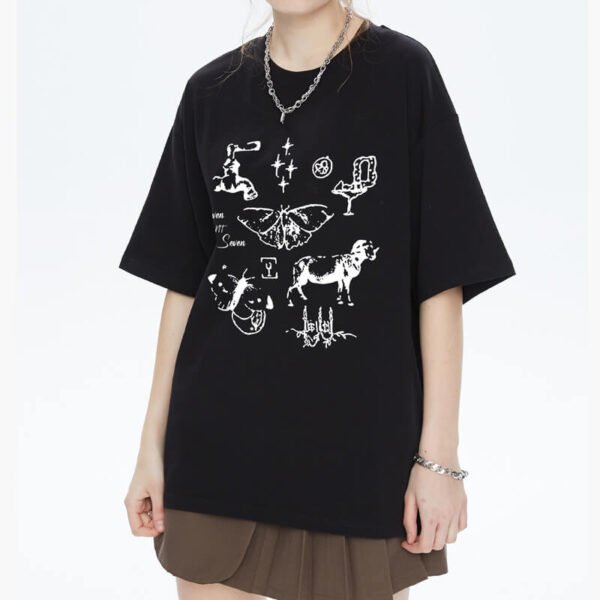

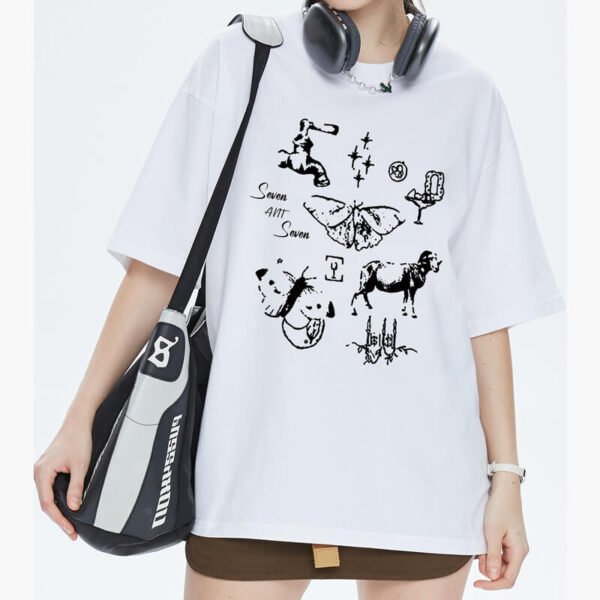
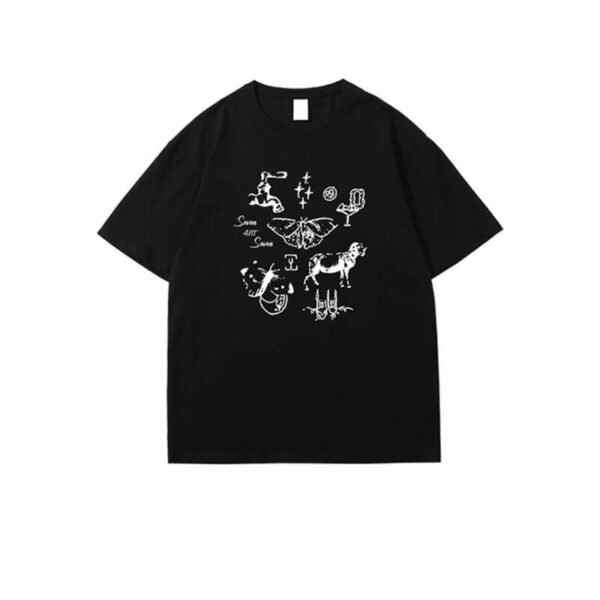





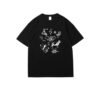

This custom oversized graphic T-shirt is organized around pocket-bag geometry, a detail that can quietly change both utility and front balance. The supplied source confirms 190GSM cotton and oversized short sleeves, while the image shows a black body carrying concentrated white artwork.
Why Pocket Geometry Matters Here
An oversized tee creates a broad front canvas, and the supplied image uses much of that field for a high-contrast white graphic. A pocket opening placed too close to artwork can interrupt recognition, while a shallow bag may add appearance without meaningful carrying function.
The assigned axis makes the pocket a central engineering decision. Buyers should treat depth and opening shape as part of the garment's visual system, evaluating access, shadow, bulk, and graphic clearance together rather than approving a pocket from measurements alone.
Mechanism: Bag Depth and Opening
Pocket-bag depth controls usable volume, hand position, and the lower-front weight of the garment. Opening geometry controls entry angle, edge stability, and how the pocket sits when empty. On a relaxed body, these variables can affect drape more noticeably than on a close-fitting tee.
Pattern review should measure opening length, angle, bag depth, side seam relationship, and attachment points. A deeper bag may improve function but add drag or sag, whereas a shorter bag can preserve a cleaner front while limiting practical capacity.
Graphic Clearance and Visual Balance
The supplied image shows a large white arrangement of animal, symbol, and text-like motifs across the black front. This density leaves less room for uncontrolled pocket placement. The pocket must be positioned and shaped so its opening does not cut through key artwork or create distracting local.
During development, overlay the graphic placement with the pocket pattern and seam allowances. Check the finished garment on-body, because artwork distortion, pocket shadow, and oversized drape can change perceived spacing after sewing even when the flat layout appears technically clear.
190GSM Cotton as a Known Reference
The source wording explicitly states 190GSM cotton, giving the development team a material-weight reference. It does not establish fiber percentage, knit structure, shrinkage, handfeel, print compatibility, or final wash behavior, so those factors remain open approvals rather than assumed attributes.
Fabric selection should be reviewed with pocket construction and artwork together. The selected jersey must support the intended oversized drape while keeping the bag stable and the graphic surface acceptable. Confirm the material before locking production measurements or finishing instructions.
VeeWen Development Checkpoint
VeeWen can convert this direction into a pocket-specific tech review covering opening geometry, bag depth, seam placement, reinforcement, and artwork exclusion zones. That connects the visual source to pattern development without treating the pocket as a generic add-on across unrelated styles.
The buyer checkpoint is a combined flat and on-body approval. Confirm that the pocket is useful, visually quiet where necessary, and proportionate to the oversized block, then approve the interaction among graphic placement, drape, and construction before grading.
Trade-Offs Before Production Approval
A deeper pocket increases carrying potential but can pull the jersey downward, especially when loaded. A more angled opening can improve hand access yet expose the bag or compete with artwork. A flatter opening preserves graphic calm but may feel less functional during wear.
Approve the final geometry against intended use, artwork position, empty and loaded appearance, and movement. Also confirm print method, wash requirements, color tolerance, composition, and size grading, because each can alter pocket stability and the visual result.
Buyer Questions
What is the main development focus for this T-shirt?
The main focus is pocket-bag depth and opening geometry, including access, stability, graphic clearance, seam placement, and finished oversized-body balance.
Is 190GSM cotton fully verified?
The 190GSM cotton reference is explicit in the supplied wording, but fiber percentages, knit structure, shrinkage, handfeel, and finishing treatment still require confirmation.
How should the pocket be approved?
Review the pocket flat and on-body, checking opening angle, usable depth, empty and loaded drape, graphic interference, and relationship to the side seam.
What is VeeWen's minimum order?
The commercial minimum is MOQ: 100 pieces per style, subject to final specifications, approved samples, and the agreed production order.
Approve the Pocket Geometry
Share the intended pocket use, artwork file, target measurements, and size range with VeeWen for a focused geometry review before sample and production approval.


Reviews
There are no reviews yet.