

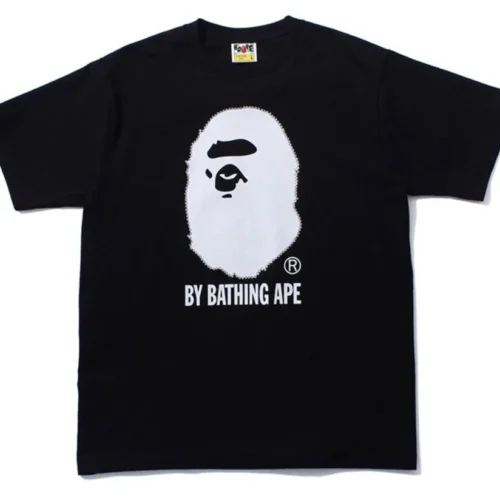
This custom black graphic crewneck T-shirt is developed around visible topstitch control. Its quiet body color makes every uneven seam easier to notice, while the centered artwork depends on a clean garment frame. VeeWen can translate the visual direction into a measured sample checkpoint before bulk approval.
A Black Base Makes Stitch Discipline Visible
Black fabric absorbs broad visual noise, so the eye moves quickly toward collar, sleeve, and hem lines. On this garment, consistent topstitch gauge creates a quiet architectural frame around the centered print and prevents the relaxed silhouette from looking unfinished.
The supplied image shows a clean crewneck outline, short sleeves, and a straight lower body. These simple surfaces leave little decoration to disguise irregular stitching. Development should therefore inspect seam parallelism, stitch density, and thread tension under close viewing before approving the construction standard.
Gauge Must Stay Consistent Across Curves
Topstitch gauge is not only a measurement at the front neckline. It must remain visually stable as the seam follows a curved collar, transitions through shoulder areas, and continues around sleeve and bottom hems. Any change in spacing can make the garment appear twisted or inconsistently assembled.
A sample review should compare several points around each seam rather than approving one attractive section. VeeWen can mark reference zones on the development sample, allowing the buyer to judge whether the selected needle, thread, and machine setting preserve the same visual rhythm.
The Graphic Needs a Controlled Garment Frame
The front artwork occupies a large rectangular area, with a grayscale photograph above contrasting white and red wording. Because the print is strongly centered, surrounding seams should guide the eye toward it without drifting, crowding, or creating an accidental imbalance.
Artwork placement and sewing alignment should be reviewed together. VeeWen product development can establish center-front references, measure the print from neckline and side seams, then confirm that the approved topstitch layout supports the graphic rather than competing with its edges.
Trade-Offs Between Fine and Assertive Stitching
A finer topstitch can create a restrained appearance that suits the monochrome body, but it may provide less visual definition on a heavier or textured jersey. A more assertive stitch line reads clearly, yet can make the garment feel more workwear-driven than the image suggests.
The correct choice depends on fabric behavior, thread scale, and the desired level of streetwear structure. VeeWen should present the buyer with a controlled construction sample, making the trade-off visible before the team freezes the sewing specification.
VeeWen Workflow: Lock the Construction Reference
VeeWen should first convert the visual target into a construction sheet identifying collar seam routes, hem locations, sleeve edges, and acceptable gauge variation. This record gives pattern, sewing, printing, and quality teams one shared reference for the same garment.
At the approval checkpoint, the buyer reviews the physical sample from front and inside views, checks repeated stitch zones, and confirms the graphic position. Once accepted, the construction sheet becomes the style reference for the MOQ: 100 pieces per style production order.
Buyer Approval Checkpoint
Before approving this style, inspect the garment flat and worn, because body tension can change how topstitch spacing appears around the neckline and shoulder. Confirm that the black base remains visually clean and that the graphic stays centered within the seam frame.
The buyer should approve gauge, thread appearance, seam straightness, graphic registration, and overall balance together. If one element requires correction, revise the sample before bulk release so the visible construction argument remains consistent throughout the order.
Buyer Questions
What is the primary development risk for this T-shirt?
The primary risk is inconsistent visible stitching on the black body, where spacing changes around curves or hems can become immediately noticeable.
Can the graphic placement be adjusted during development?
Yes. Placement can be reviewed against neckline, side seams, and body center before the buyer approves the final production reference.
What material information is currently verified?
The supplied evidence supports a jersey T-shirt direction, but exact fiber composition, fabric weight, and recovery remain To Confirm.
What is the minimum order quantity?
The commercial minimum is MOQ: 100 pieces per style, subject to final approved specifications and the confirmed production request.
Approve the Construction Sample
Send the target measurements, artwork file, preferred fabric reference, and size range. VeeWen can prepare a focused sample review for gauge, alignment, and production approval.



Reviews
There are no reviews yet.