

This custom graphic T-shirt is built around a commercial sizing problem: a simple black base must preserve recognizable fit and artwork hierarchy across every ordered size. VeeWen can develop the label logic, grade rules, and placement controls as one coordinated product-development record.
Why Label Logic Is a Product Decision
The visible collar label establishes the garment's size communication before the wearer sees the full graphic. A confusing label system can create avoidable receiving and merchandising errors, particularly when numeric, alpha, regional, or unisex conventions are mixed across a graded order.
The technical record should define one primary size label, secondary care information, label dimensions, placement depth, and orientation. These decisions must correspond with the measurement chart and packing logic, ensuring the physical garment, sewn identifier, and commercial size name remain aligned.
Build the Base Size Before Grading
A strong grade begins with a fully approved base size, including chest width, body length, shoulder span, sleeve length, bicep, neck opening, and hem width. The image shows a clean uncomplicated block, making proportional accuracy more important than decorative construction complexity.
Review the base sample on a suitable form and in a natural hanging position. Confirm the collar sits evenly, sleeves fall symmetrically, and the graphic has enough breathing room. Only then should increments be applied, because grading cannot repair an unsuitable foundation.
Grade the Graphic With the Garment
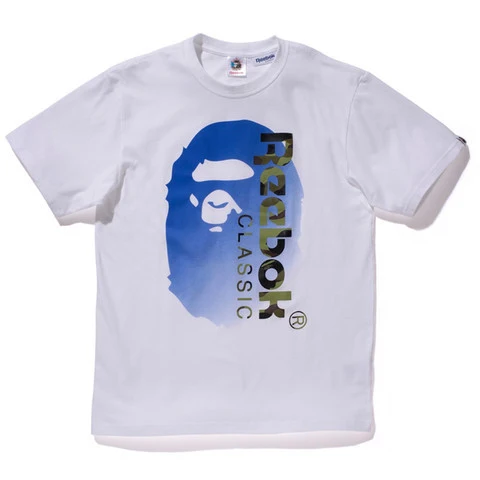
The large front graphic stretches vertically from the chest toward the lower body, with small elements surrounding a dominant hand illustration. If artwork remains fixed while the shirt scales substantially, larger sizes may look underfilled and smaller sizes may feel crowded.
Define whether the print scales, shifts, crops, or remains anchored at selected sizes. The buyer should approve a visual size set showing artwork proportion beside garment measurements. This makes the relationship between fit grading and graphic hierarchy explicit before bulk print preparation begins.
Managing Label Placement Through Sizes
Neck labels can appear correctly placed in one size yet sit too close to the collar seam or too low in another. Because the image presents the label clearly inside the neckline, placement should be specified from a stable reference point rather than by visual approximation.
Use the collar seam, center back, and neckline edge as measurable anchors, then confirm label orientation after washing or handling simulations if those processes are planned. The approved specification should state placement tolerances so operators can reproduce the same reading experience across the size range.
VeeWen Workflow for Size-Controlled Development
VeeWen should convert the visual reference into a size architecture covering label naming, base measurements, grade increments, artwork rules, and placement references. A controlled measurement sheet can then connect each size to its collar, sleeve, body, and graphic specifications without relying on informal annotations.
During sample review, compare the base and graded garments side by side, recording deviations by measurement point and visual zone. Correct the pattern, label file, and print placement together before moving toward MOQ: 100 pieces per style, so commercial quantities follow one coherent logic.
Buyer Approval Checkpoint
Approval should require a complete size set or agreed representative range, with each garment checked for label readability, collar balance, sleeve proportion, body length, artwork scale, and print centering. Record actual measurements against the chart instead of approving from a single sample or folded presentation.
The order is ready when the buyer accepts the size naming system and confirms how artwork behaves across grades. Document tolerances, label references, measurement increments, and unresolved material items, keeping the production file clear enough for consistent cutting, sewing, printing, and inspection.
Buyer Questions
What size-label system should this T-shirt use?
Choose one consistent alpha or numeric system for the intended market, then align sewn labels, measurement charts, packaging references, and artwork scaling with that approved convention.
Should the graphic scale by size?
Not automatically. Review the graphic's visual balance across representative sizes, then approve scaling, repositioning, or fixed anchoring rules based on the graded body dimensions.
Can VeeWen develop a complete size set?
VeeWen can organize base-size and graded-specification development for review. The final size range, measurements, tolerances, labels, and artwork rules require buyer approval.
What is the minimum order quantity?
The exact commercial minimum is MOQ: 100 pieces per style. Final quotation, material selection, and size-range requirements should be confirmed against the approved technical package.
Approve the Size Architecture
Share your target market, size range, measurement chart, and artwork files with VeeWen. We will align label logic, grade rules, and print placement around MOQ: 100 pieces per style.



Reviews
There are no reviews yet.