
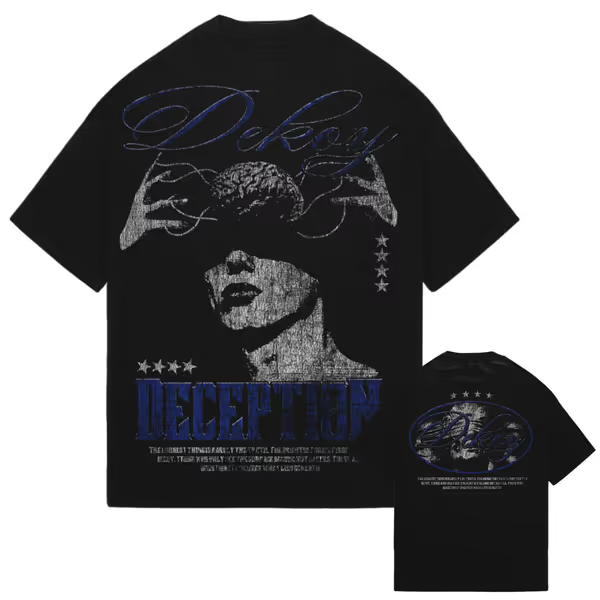
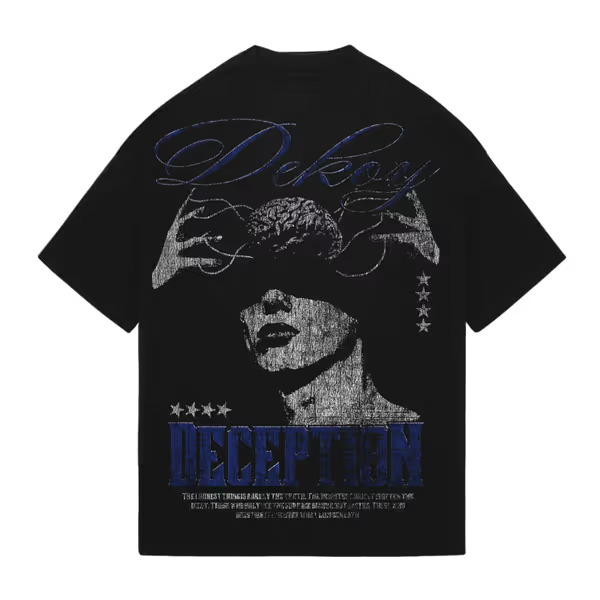
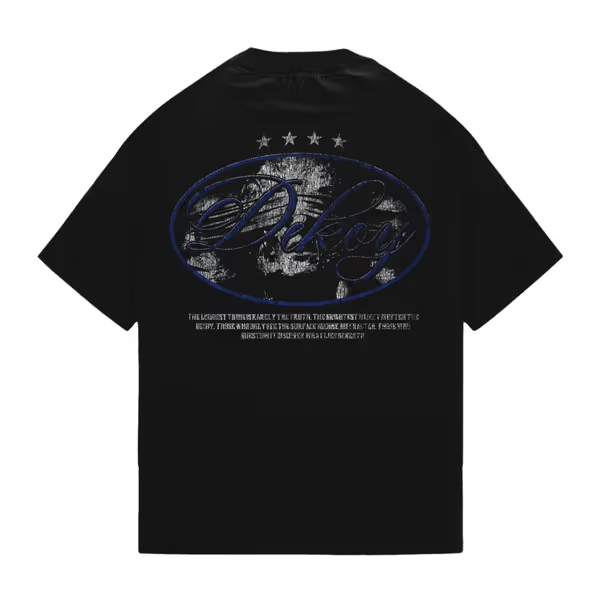
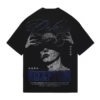

This custom black streetwear T-shirt is developed around a practical balance: visible graphic impact must not turn the body rigid. VeeWen can translate the decoration brief into controlled coverage, application thickness, and placement decisions, keeping the garment's movement intentional while preserving a strong black visual foundation for buyer review.
Decoration Load Defines the Silhouette
This program treats embellishment as a load-management problem. A dense print, raised ink, patch, or layered application can stiffen the chest and pull the body away from its intended fall. Development should specify decoration coverage, hand, thickness, and placement before confirming the base pattern.
The black ground makes graphic contrast commercially useful, but contrast can encourage over-application. VeeWen should map the visual focal area, then limit secondary treatments around seams, armholes, and side edges so the shirt remains mobile instead of feeling armored.
Select the Application by Hand Feel
Each decoration route changes flexibility differently. A thin screen print generally preserves more fabric movement than a heavy layered effect, while transfers, embroidery, or bonded components introduce their own stiffness and edge behavior. The approval sample should compare visual intensity against the required softness and drape.
For a buyer, the key is not choosing the most elaborate technique automatically. It is defining the minimum surface build that delivers recognition at retail distance, then checking whether repeated bending, folding, and laundering expectations remain compatible with the selected application.
Placement Protects Movement Zones
Graphic placement should be evaluated against the body's movement zones rather than treated as artwork alone. Chest coverage affects stretch and recovery, while artwork near the shoulder or underarm can create pressure points. A placement map gives pattern and decoration teams one shared production reference.
The supplied style identity is graphic-led, yet the available evidence does not verify exact artwork dimensions or application type. Those variables should remain open in the brief until the buyer selects the artwork, target hand, and acceptable change in body fall.
Pattern Balance Follows Surface Weight
Once decoration dimensions are known, the pattern can be assessed for compensation. Added surface weight may require checking shoulder balance, neckline stability, side-seam alignment, and body length after application. The objective is a consistent silhouette, not a pattern enlarged arbitrarily to disguise decoration stiffness.
VeeWen's development checkpoint should compare an undecorated body and decorated sample on the same hanger and on-body fit model. Review should record whether the chest collapses, the hem twists, or the sleeves lose their intended openness after the chosen treatment is applied.
VeeWen Workflow Converts the Argument
VeeWen's workflow should begin with a decoration specification sheet attached to the technical pack. It can define artwork scale, coverage percentage, application layers, edge tolerance, placement coordinates, and hand-feel priorities, giving sampling decisions measurable direction without assuming unverified construction details.
The next checkpoint is a decorated fit sample reviewed for both visual hierarchy and movement. Buyer comments should separate artwork corrections from garment corrections, allowing VeeWen to revise the application or pattern deliberately instead of changing both variables without understanding the resulting drape.
Approve the Commercial Trade-Off
Higher embellishment presence can create stronger shelf recognition, but it may increase stiffness, handling complexity, and decoration risk. Lighter treatment may preserve comfort and drape while reducing visual dominance. The right decision depends on the collection's positioning, artwork scale, and the buyer's tolerance for surface build.
Before production approval, confirm the final decoration route, artwork boundaries, base fabric composition, color standard, and fit measurements. The buyer should sign off only when the decorated garment delivers the intended graphic impact without compromising the movement expected from a T-shirt.
Buyer Questions
Can the graphic treatment be changed after sampling?
Yes, artwork scale, placement, and application route can be revised, but each change should receive a fresh drape review because surface weight affects garment behavior.
Is the black color production-ready from this record?
Black is the documented color direction, while the final lab standard, shade tolerance, and wash behavior remain To Confirm before production approval.
What should buyers review on the decorated sample?
Review visual coverage, hand feel, shoulder balance, neckline stability, hem behavior, sleeve openness, and movement after the selected decoration has been applied.
What is the minimum commercial quantity?
The commercial minimum is MOQ: 100 pieces per style, with final specifications and production confirmation required before order acceptance.
Approve the Drape Before Decoration Lock
Send the artwork, target coverage, preferred hand, size range, and base-fabric direction to VeeWen for a decoration-led development review and sample approval checkpoint.


Reviews
There are no reviews yet.