
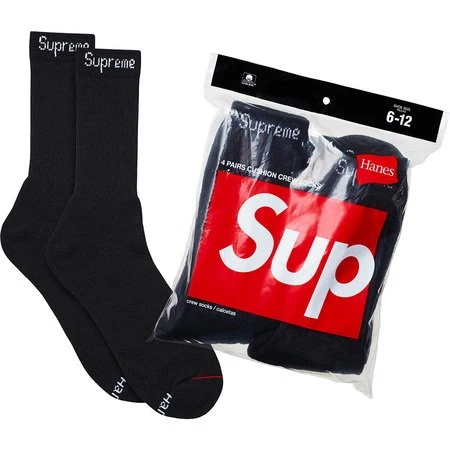
This custom black ribbed crew sock is developed around directional pile control. The supplied image shows an even black rib surface across loose and packaged pairs, making orientation, paired matching, and light response central approval points for a consistent soft-accessory program.
Why Direction Matters on Ribbed Socks
A ribbed sock can look uniform while still varying in hand feel if its pile or nap faces different directions. Light catches those surfaces differently, especially in black, creating panels that appear lighter, darker, smoother, or brushed. One-way cutting reduces that avoidable inconsistency.
The supplied image presents tall black socks with a steady vertical rib impression, while the packaged pairs reinforce the need for repeatable orientation. The visual evidence does not prove a specific fiber or finish, but it clearly supports controlling surface direction during development.
How Cutting Controls Surface Consistency
One-way cutting means each cut component follows the same directional rule before knitting, linking, or finishing steps are completed. That rule matters where brushed interiors, raised ribs, or directional yarn effects create a preferred face that should remain consistent across a pair.
If components are rotated to improve yield without approval, the finished sock may show uneven reflection or different tactile drag between adjacent areas. The buyer should evaluate yield trade-offs against the intended appearance, particularly when black fabric makes subtle direction changes visible in product photography.
Pair Matching Is a Technical Requirement
A four-pair presentation raises the standard beyond inspecting one isolated sock. Each pair should match in rib orientation, leg appearance, cuff behavior, and foot shaping, because inconsistencies become obvious when socks are displayed together or packed in a single retail unit.
Pair matching also affects the customer's first touch. A sock with a reversed surface direction may feel smoother or rougher despite using the same nominal material. VeeWen's sample review should therefore compare multiple pairs side by side, not only one representative unit.
VeeWen Development Workflow Checkpoint
Within VeeWen's workflow, the direction rule should be written into the development brief alongside the sock diagram. Marking the face direction on the pattern or cutting instruction gives production and inspection teams a shared reference before yarn, knitting, linking, and finishing details are finalized.
The first approval set should contain multiple pairs from the same development batch. Reviewers can check surface orientation, rib alignment, cuff recovery, toe closure, and pair presentation together, then document the accepted direction with photographs and a concise inspection note.
Balancing Yield Against Appearance
One-way cutting may limit how freely components can be rotated, potentially increasing material usage or reducing cutting efficiency. That is a commercial trade-off rather than a defect. The buyer should decide whether the program prioritizes a disciplined surface appearance or maximum material utilization.
For a monochrome sock, the visual benefit can be significant because there is no contrasting artwork to distract from uneven reflection. If the product uses embroidery, labels, or packaging graphics, directional consistency still protects the base surface from looking irregular beside those details.
Production Approval Gate
Before production approval, inspect washed and worn samples in pairs under consistent lighting. Check whether ribs remain visually aligned, whether nap direction stays coherent, and whether cuff, heel, and toe areas introduce noticeable surface changes after handling.
The buyer should then lock the directional cutting instruction, size grading, yarn and composition references, construction details, packing format, and inspection standard. MOQ: 100 pieces per style applies to the commercial program, while performance claims remain subject to confirmation.
Buyer Questions
What does one-way pile cutting control?
It controls the facing direction of a directional surface, helping paired socks reflect light and feel more consistently across ribbed or brushed areas.
Why is black especially sensitive to direction changes?
Black surfaces can show directional differences through changing reflection, making reversed nap appear lighter, darker, smoother, or more textured under retail lighting.
Should one sock or several pairs be approved?
Approve several pairs because orientation, rib alignment, cuff behavior, and paired presentation cannot be judged reliably from one isolated sock.
Can directional cutting affect commercial efficiency?
Yes. Restricting component rotation can affect material utilization, so the buyer should balance yield expectations against the required appearance and tactile consistency.
Approve Directional Surface Control
Share the target rib structure, size range, and packing format with VeeWen for a multi-pair development set. The next decision is approval of surface direction, recovery, construction, and commercial specifications.


Reviews
There are no reviews yet.