
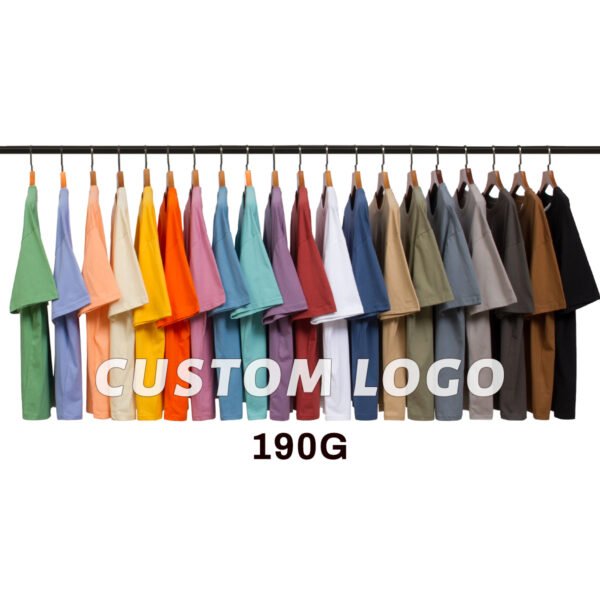
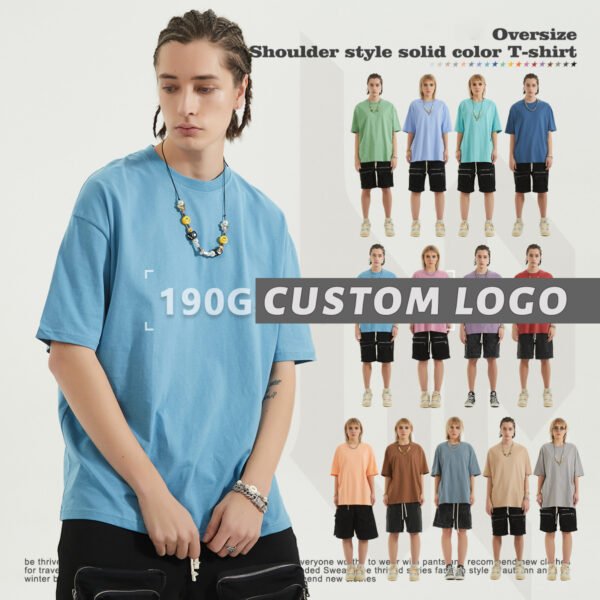
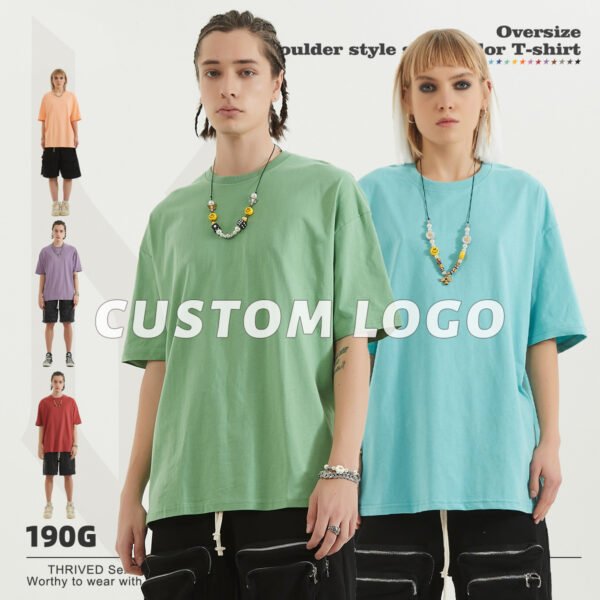

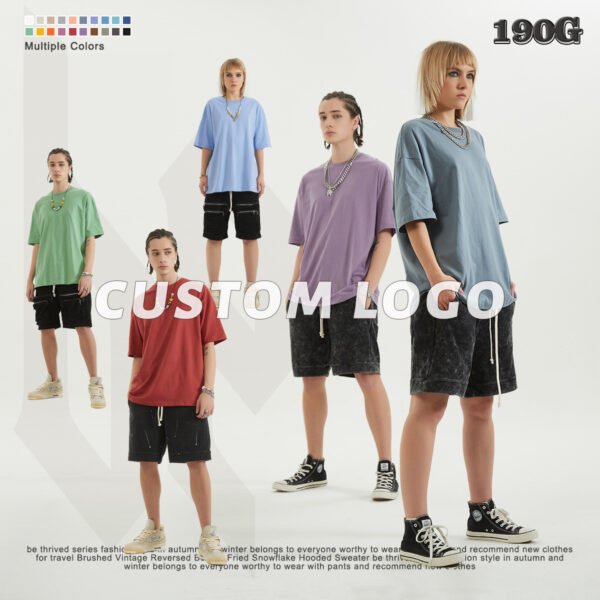
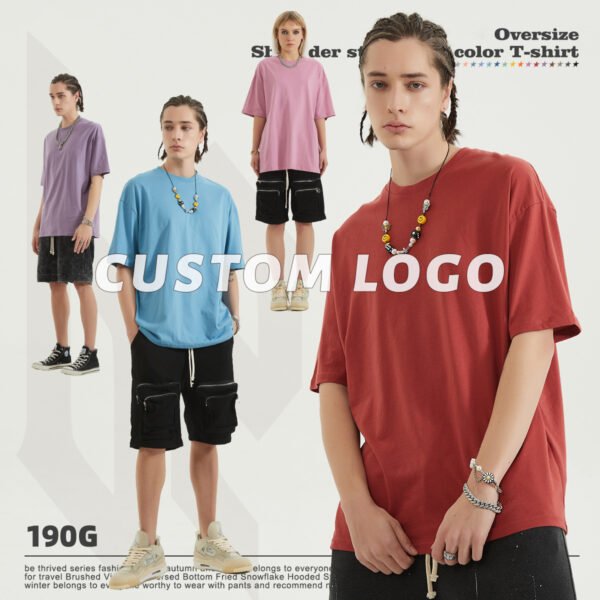



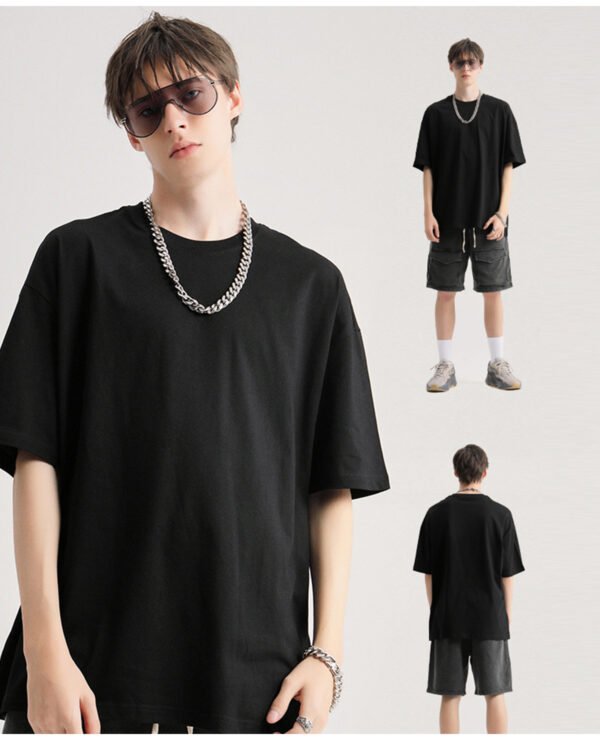
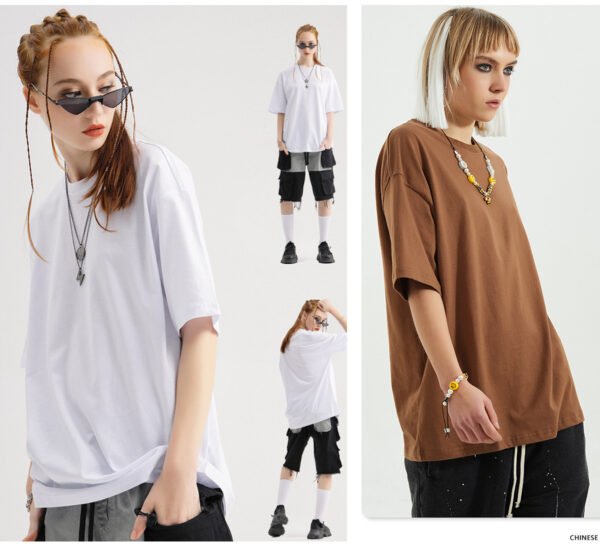

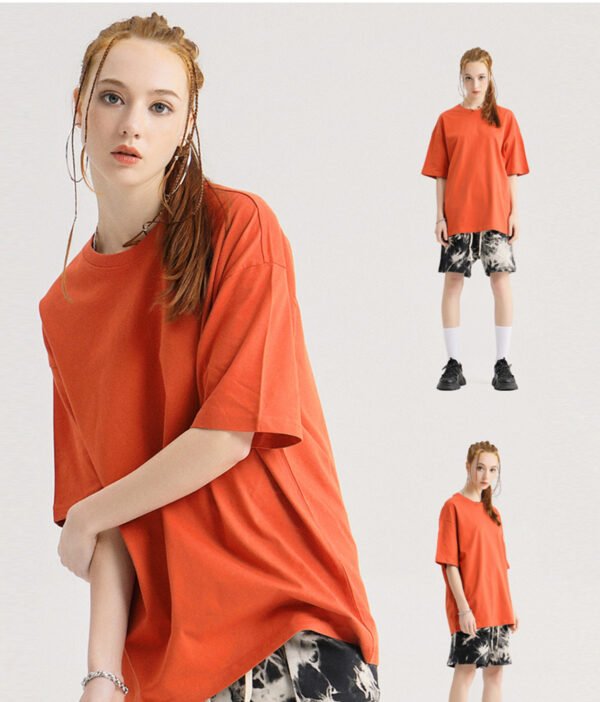








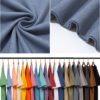




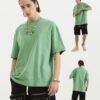

This Custom Drop-Shoulder Oversize T-Shirt 1309 is best developed as an artwork-repeatability program, not simply a color expansion. The supplied image shows a large front graphic spanning relaxed bodies in many shades, while the source wording identifies 190G. The approval priority is consistent visual scale across every selected colorway.
Why Artwork Scale Controls the Product
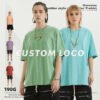
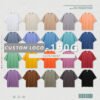
The image presents a row of similarly proportioned shirts carrying one broad front message across varied colors. Because the graphic occupies substantial chest width, even small scale changes can alter balance against shoulder drop, sleeve length, and the visible side margins.
A production-ready artwork file therefore needs a defined print box, vertical reference, and tolerance for each approved size. The key mechanism is proportional control: when body dimensions change, the graphic must either scale deliberately or retain a documented fixed measurement.
Evidence From the Supplied Color Array
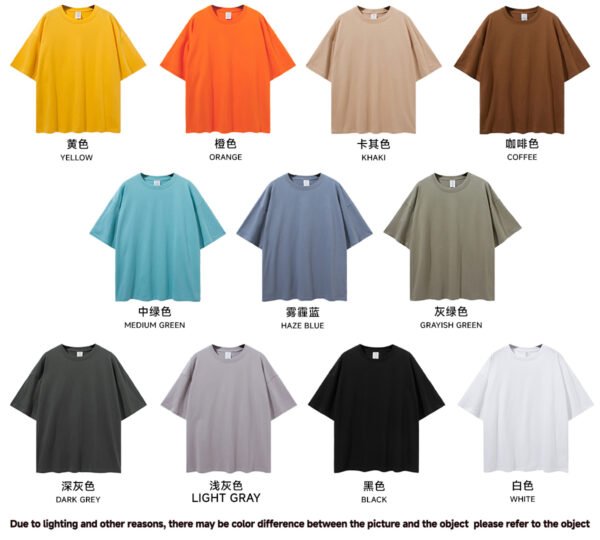
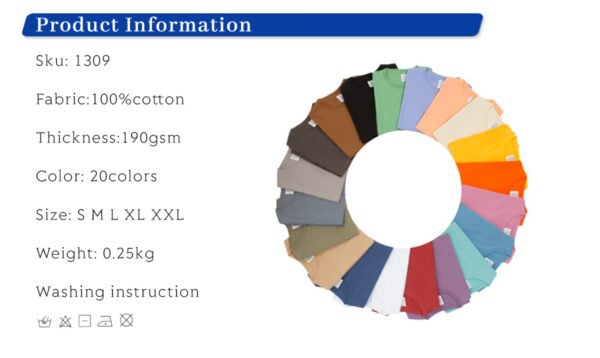
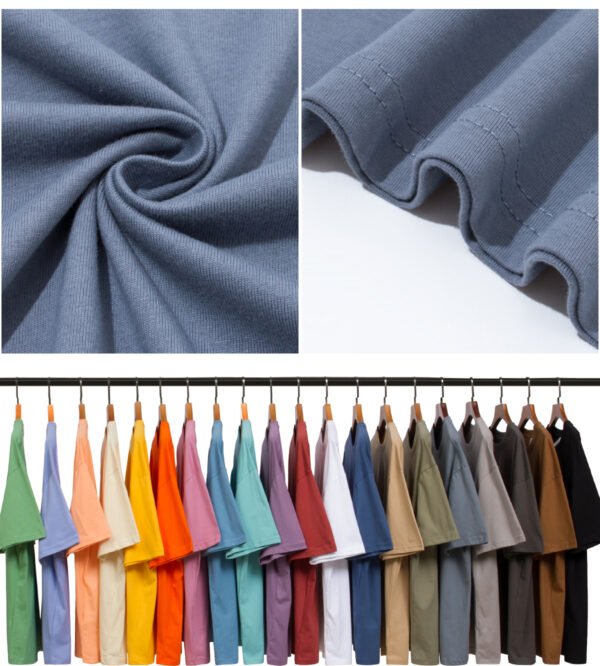
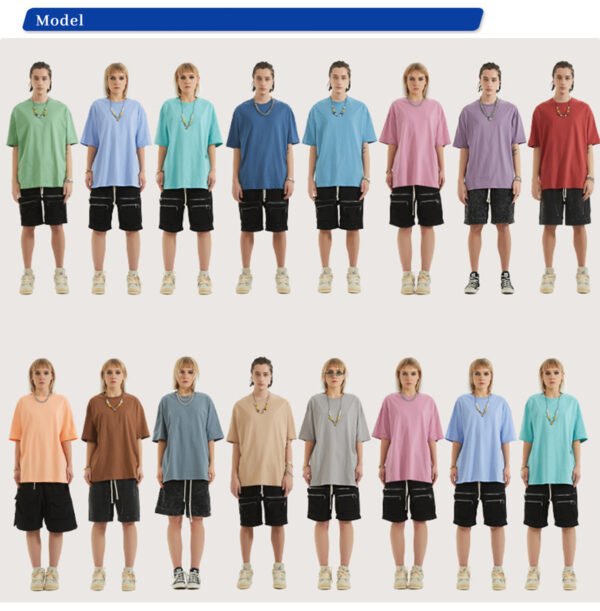
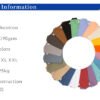
The visual evidence shows green, lilac, peach, cream, yellow, orange, pink, blue, turquoise, purple, red, white, navy, beige, olive, grey, brown, and black garments. This breadth demonstrates a colorway system, while also increasing the need for controlled artwork contrast and placement.
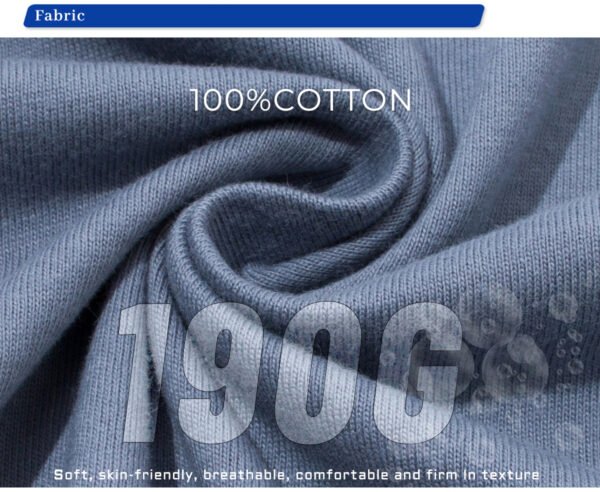
The source wording supplies the 190G reference and describes thin cotton, but it does not verify composition percentages, print method, colorfastness, or wash behavior. Those unknowns matter because ink absorption, ground shade, and fabric movement can change perceived artwork scale.
Trade-Offs in a Multi-Color Program
More colorways can broaden a collection while preserving one recognizable graphic language, but every added shade creates another approval branch. Dark grounds may require different underbases, whereas pale grounds can reveal edge softness, handfeel changes, or registration differences after decoration.
Retaining one artwork dimension across all colors simplifies production communication, yet the design may appear optically smaller on larger bodies or heavier on compact sizes. Scaling by size improves proportion, but increases file management and demands stricter approval records.
VeeWen Development Workflow
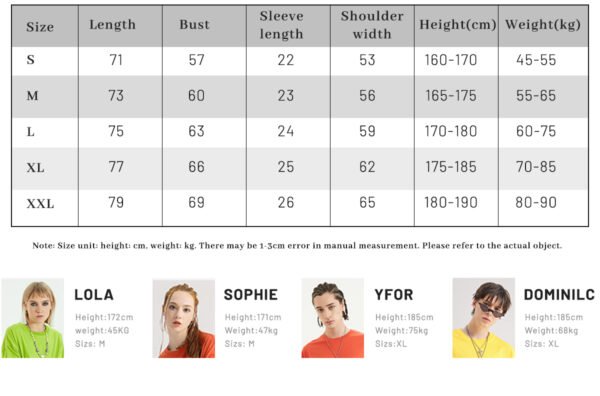
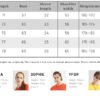
VeeWen should begin by locking the garment measurement chart, selected color matrix, and one artwork placement specification together. The development team can then map the print box against front width and shoulder geometry before approving decorated samples for the chosen size range.
The practical checkpoint is a side-by-side review of the same artwork on representative light, mid-tone, and dark grounds. VeeWen can record scale, position, underbase direction, and approved visual tolerance as one production reference for the MOQ: 100 pieces per style program.
Construction Implications for Placement
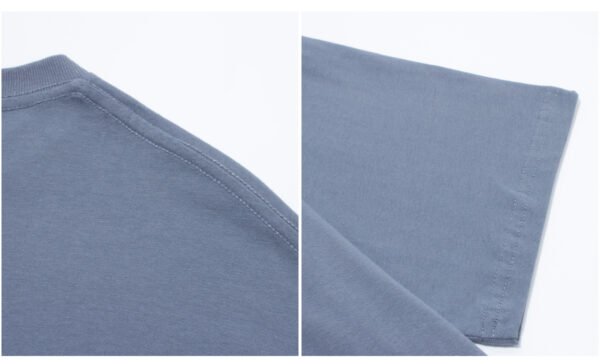
A dropped shoulder shifts the apparent center of the garment outward, so a mathematically centered graphic may not look visually centered when worn. The large front treatment shown in the image makes this relationship especially important around sleeve seams and relaxed side proportions.
The buyer should review artwork against finished garment measurements rather than a flat generic template. Confirming front width, shoulder point, sleeve opening, and hem alignment helps prevent a decoration file from being technically centered but visually misbalanced.
Approval Checkpoint Before Bulk Production
Before bulk authorization, approve one decorated size set that demonstrates the intended artwork scale, front position, colorway contrast, and tolerance across the selected range. The buyer should also confirm whether the design remains unchanged or scales according to size.
That decision should be documented beside the final material and decoration references, because the supplied evidence cannot establish composition or performance. Once those variables are confirmed, VeeWen has a controlled basis for repeating the visual system consistently.
Buyer Questions
Is the 190G weight verified?
The source wording explicitly states 190G, but final production weight should be confirmed against the approved fabric lot and size-set development sample.
Can the artwork change by size?
Yes, the buyer can approve fixed or graded artwork dimensions; the choice should be recorded in the placement specification before decoration files are released.
Are all visible colors available?
The image demonstrates a broad color direction, not stock availability. VeeWen should confirm dye options, minimums, and shade approvals during development.
What is the commercial minimum?
The exact commercial minimum is MOQ: 100 pieces per style. Colorway allocation and artwork rules should be agreed within that style definition.
Approve the Artwork Control Plan
Send the intended artwork, size range, and colorway matrix to VeeWen for a focused development review covering print scale, placement references, material confirmation, and bulk approval checkpoints.


Reviews
There are no reviews yet.