

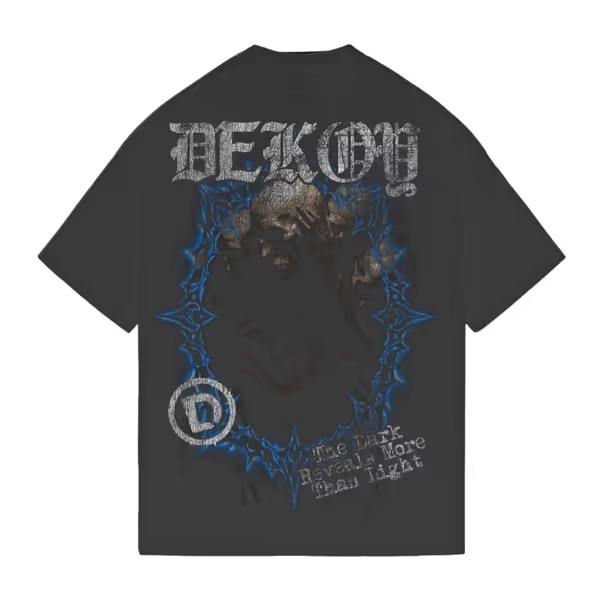


This custom black T-shirt should be developed as a proportion-control project, because garment washing and size grading can alter how the same block reads across sizes. VeeWen can use a measured size set to approve balance before bulk cut-and-sew production begins.
Proportion Is the Primary Approval Gate
The key development issue is not simply making a black tee look oversized; it is preserving the intended shoulder, chest, sleeve, and body relationships as sizes increase. A graded size set should reveal whether visual balance survives across the commercial range.
The supplied image references consistently identify a black garment-wash tee, while the main visual is unavailable for direct inspection here. That wording supports wash-led surface development, but not a confirmed silhouette, fiber blend, or finished measurements; those remain approval inputs for the first pattern.
Why Grading Changes the Garment
Grading expands a base pattern through defined increments, but proportional errors become more visible at the size extremes. Excessive width without matching length can create a shortened appearance, while overextended sleeves or shoulders can weaken the intended streetwear balance and complicate merchandising.
Garment washing adds another variable because shrinkage or dimensional movement may not affect every panel identically. The production team therefore needs pre-wash and post-wash measurements for the approved sample, with attention to body length, sleeve opening, shoulder width, and hem alignment.
Building the Size-Set Review
VeeWen should establish one approved base size, then grade adjacent sizes using a documented measurement chart rather than visual estimation. Each sample should be inspected on-body or against a standardized form so the neckline, shoulder drop, sleeve reach, and hem position remain commercially coherent.
The review should compare both washed appearance and measurable dimensions. A buyer can then distinguish intentional relaxed volume from accidental distortion, recording acceptable tolerances for each size before pattern release. This checkpoint reduces the risk of approving one attractive sample that fails across production sizes.
Wash-Led Surface Control
A garment-wash finish may create tonal variation, softened edges, and a less uniform black surface, but the exact result depends on fabric, construction, recipe, and handling. These variables can change perceived proportions because softened fabric drapes differently from an unwashed prototype.
The buyer should approve the wash direction alongside the size set, not afterward. Review points include shade consistency between panels, seam appearance, collar recovery, and dimensional change. If the washed body becomes too fluid or short, the block or process may need adjustment before costing confirmation.
VeeWen Development Workflow
For this product, VeeWen's workflow should begin with a measurement brief defining the base size, grade increments, wash intent, and visual priorities. Pattern development can then produce a first sample and a controlled size set for proportion review before material commitment.
After buyer comments, the revised pattern should be checked against the same measurement chart and wash direction. The approval record should identify the final block, tolerance points, color standard, and size-set signoff, creating a clear handoff into MOQ: 100 pieces per style production.
Trade-Offs and Buyer Signoff
A more generous grade can improve comfort and streetwear volume, yet it may increase fabric consumption, alter graphic placement, and make smaller sizes appear less balanced. Tighter grading preserves visual continuity but can reduce the relaxed effect expected from the design direction.
The buyer should approve the size set only when fit intent, washed dimensions, and visual proportion agree across the target range. Final confirmation should cover the measurement chart, wash sample, acceptable tolerances, and any size-specific pattern corrections required for production.
Buyer Questions
What should the first sample establish?
The first sample should establish the base block, neckline, shoulder balance, sleeve proportions, body length, wash direction, and measurement points used for later size grading.
Why is a full size set necessary?
A full size set shows whether grading preserves the intended relaxed relationship between width, length, sleeves, shoulders, and hem placement across the commercial size range.
Is the fabric composition confirmed?
No. The supplied evidence confirms a black garment-wash T-shirt reference, but it does not verify fiber composition, fabric weight, or dimensional performance.
What is the production minimum?
The commercial minimum is MOQ: 100 pieces per style, subject to approved specifications, pattern signoff, materials, and the final production quotation.
Approve the Proportion-Controlled Size Set
Send VeeWen your target size range, base measurements, wash reference, and artwork direction so the team can prepare a focused development brief and size-set approval checkpoint.


Reviews
There are no reviews yet.