
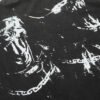

This custom graphic crew neck T-shirt is developed around laundering stability, not decoration alone. Its large stacked back artwork creates clear horizontal reference lines, so side-seam spirality can change perceived balance. VeeWen should validate the body pattern, knit behavior, and wash-control checkpoint before production approval.
Why Seam Rotation Matters Here
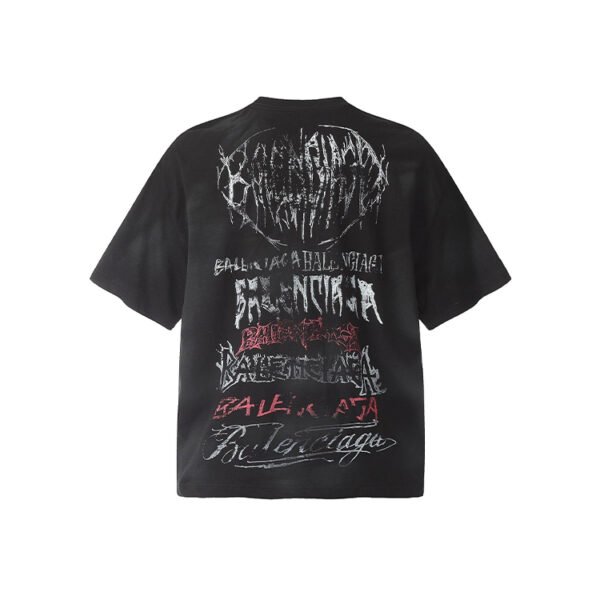
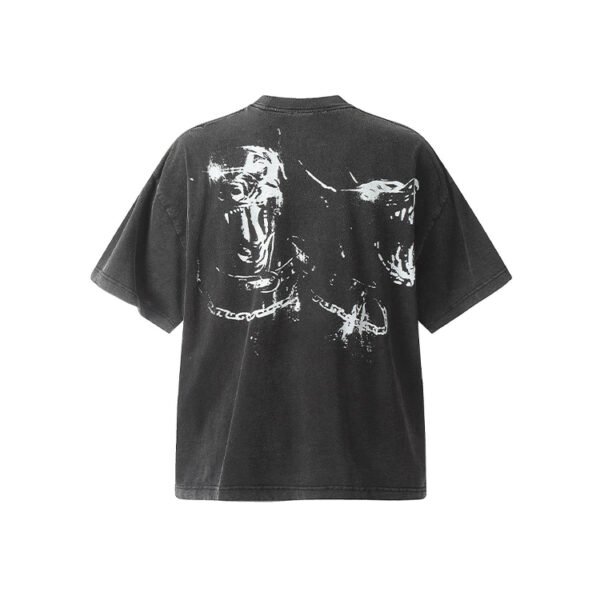
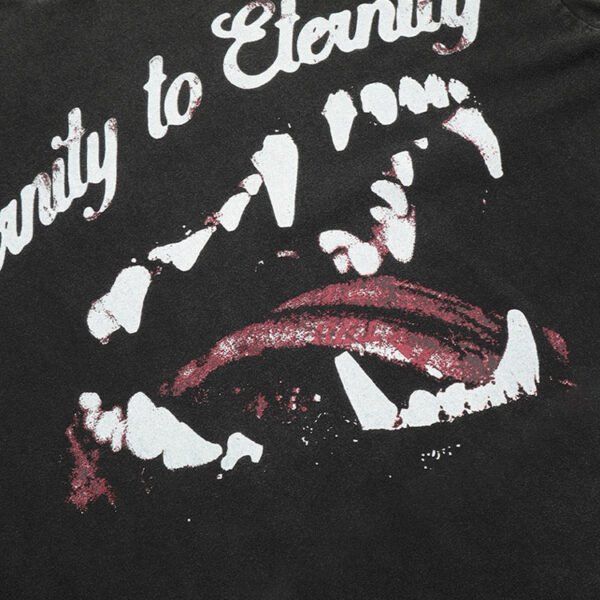
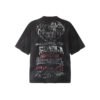
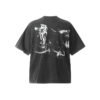
The supplied image presents a mostly unembellished silhouette whose identity comes from the back graphic. Because the lettering forms repeated horizontal bands, even modest side-seam rotation can make the body appear skewed, weaken visual symmetry, and complicate consistent size-set approval.
This risk is specific to the artwork scale and placement. A small chest mark might tolerate slight body movement, but the shown design spans much of the back. The buyer should therefore define seam-rotation tolerance together with print alignment, rather than reviewing either criterion in isolation.
Pattern Geometry Before Decoration
VeeWen's development should lock the front and back body widths, shoulder balance, sleeve pitch, and side-seam position before final artwork placement. Stable geometry gives the graphic a repeatable canvas and allows the buyer to distinguish pattern distortion from printing or laundering variation.
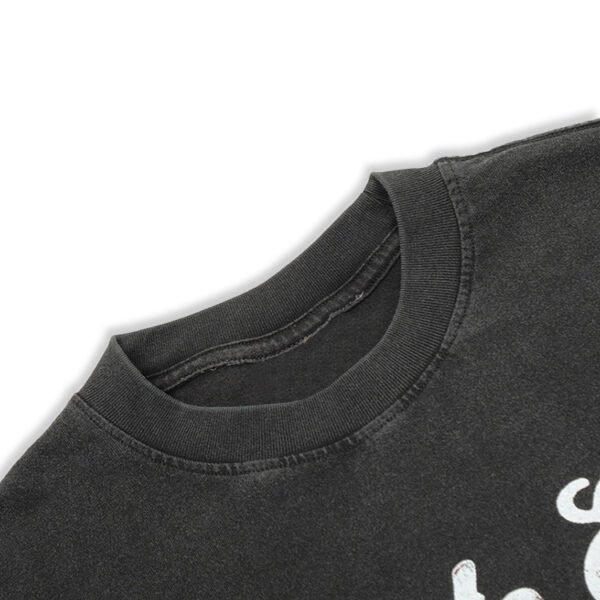
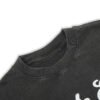
The visible crew neck and short sleeves keep the garment technically direct, but simplicity increases scrutiny. When fewer panels and trims compete for attention, the side seam becomes an obvious vertical reference. Pattern measurements should be checked on both sides before the print file is released.
Knit Behavior and Wash Exposure
Spirality is influenced by yarn, knit structure, finishing, panel relaxation, and laundering conditions, none of which are verified by the supplied image. The development brief should record these variables as To Confirm and connect them to a controlled wash comparison using the intended care route.
The buyer should inspect seam position after laundering while the shirt is laid flat and worn. Review points include hem relationship, sleeve orientation, neckline balance, and back-print horizontals. This creates a practical acceptance discussion without claiming a performance result before testing is completed.
Print Placement as a Measurement Tool
The back artwork can serve as a visual diagnostic because its stacked lines reveal rotation quickly. During sampling, VeeWen can place the approved print using fixed body landmarks, then compare those landmarks before and after laundering to identify whether movement originates in the garment or artwork process.
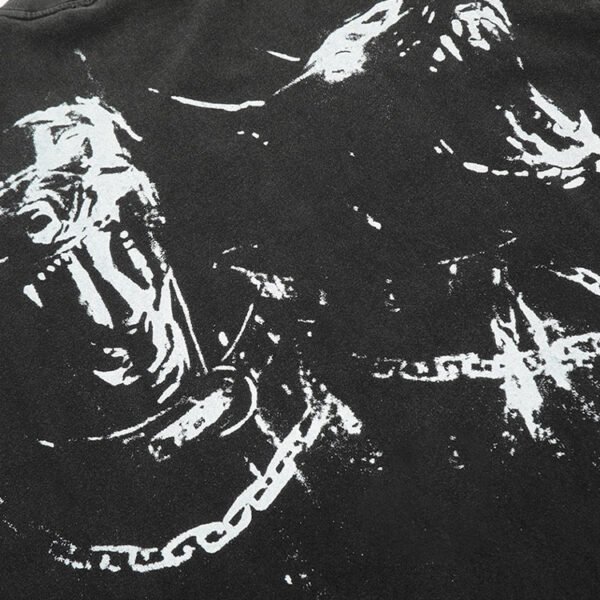
Graphic density also affects development handling. The image shows several contrasting bands, fine distressed marks, and larger lettering. The buyer should confirm minimum detail scale, registration expectations, and artwork boundaries after the base pattern is stable, preserving readability without treating appearance as proof of print durability.
VeeWen Workflow Checkpoint
For VeeWen's product-development workflow, the specific checkpoint is a seam-stability sample review after the base size, artwork placement, and intended laundering route are defined. The review should document measured seam movement alongside photographed graphic alignment, creating a clear approval record for the style.
Once the buyer accepts the tolerance, the approved measurement sheet and print-placement file should travel together into grading and cut planning. Any change to knit, finishing, seam construction, or artwork scale should trigger renewed review because each can alter the original spirality argument.
Buyer Approval Decision
Approve this style when the black body retains an acceptable side-seam orientation and the stacked back artwork remains visually balanced after the agreed laundering evaluation. If rotation is excessive, correct the underlying pattern or material route before discussing bulk quantities or final decoration.
The commercial checkpoint is straightforward: confirm composition, GSM, construction measurements, print method, care labeling, and post-wash tolerance in writing. With those items resolved, MOQ: 100 pieces per style becomes a planning parameter rather than a substitute for technical approval.
Buyer Questions
Why is this shirt's back print relevant to spirality?
Its stacked horizontal lettering creates clear alignment references, so side-seam rotation can visibly distort the composition after laundering and complicate consistent size-set approval.
What material information is currently confirmed?
The supplied evidence confirms a black T-shirt appearance only. Fiber content, fabric weight, yarn, knit structure, finishing, and laundering response require technical confirmation during development.
What should the first sample review include?
Review body measurements, seam orientation, neckline balance, sleeve position, artwork landmarks, and post-laundering appearance against an agreed tolerance before approving grading or bulk preparation.
What is the commercial minimum for this style?
The stated commercial minimum is MOQ: 100 pieces per style. Final quantities remain dependent on approved specifications, artwork, sizing, colors, and production planning.
Approve the Stability Brief
Send the target size chart, artwork file, care route, and material preferences so VeeWen can prepare a seam-stability development checkpoint for this style.


Reviews
There are no reviews yet.