


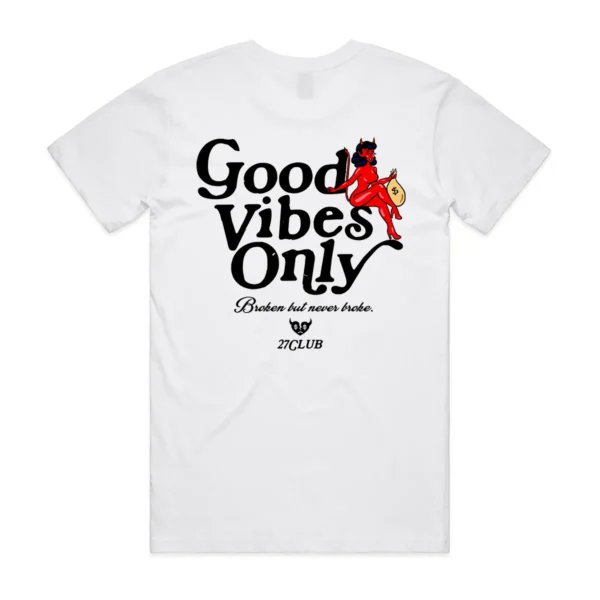


This custom graphic tee should be developed around thread selection as a controlled way to manage seam visibility. The supplied front image shows a white short-sleeve body with a compact multicolor chest graphic, making stitch regularity and surface cleanliness central approval points for a restrained streetwear presentation.
Thread as a visual control.
The image presents a nearly unbroken white knit surface, so thread contrast will be noticeable at the collar, sleeve hems, shoulder joins, and side seams. A compatible thread shade can reduce visual noise, while deliberate contrast can frame the garment, but either choice requires approved samples.
For this design, seam appearance should support the compact chest graphic rather than compete with it. VeeWen's development review can compare thread shades, stitch density, and seam allowance behavior on the same body block, allowing the buyer to approve a visible construction direction before size grading.
Graphic placement and seam balance.
The supplied image shows artwork placed high on the left chest, with generous white space across the torso. That proportion makes placement tolerance important: a small shift can change balance against the neckline and armhole, while inconsistent seams may make the graphic appear unintentionally off-center.
VeeWen can translate the approved position into graded placement rules, then inspect how shoulder width and side-seam alignment alter perceived artwork location across sizes. The buyer should review a size-set sample or measured placement sheet, because visual balance cannot be assumed from one photographed size.
Collar and sleeve construction.
A white crew neckline is visible with a soft curved edge and minimal surrounding detail. This simplicity exposes seam waviness, roping, uneven topstitching, or thread tension changes. The construction target should therefore prioritize a stable neckline shape and repeatable stitch presentation.
During development, VeeWen should test the selected thread and seam settings through neckline, shoulder, and sleeve-hem checkpoints, recording the approved visual standard. The buyer's decision is not simply whether the shirt feels smooth; it is whether every exposed seam remains coherent with the clean graphic composition.
Print interaction with stitching.
The artwork combines bold black lettering with red and yellow accents, creating concentrated visual weight on a quiet body. Thread and seam choices should protect that hierarchy: excessive contrast near the chest can distract from the graphic, while weak stitch definition can make construction look unfinished.
Because the supplied evidence shows artwork detail but does not identify its print process, VeeWen should keep ink hand feel and curing as approval variables. The development team can compare print edge clarity with seam behavior so the sample balances graphic impact and construction restraint.
VeeWen development workflow.
At VeeWen, this product should enter development as a seam-appearance study, not only a graphic placement exercise. The team can lock a base block, trial compatible thread options, and document neckline, shoulder, sleeve, and side-seam observations alongside the artwork position for buyer review.
Once the buyer approves the visual direction, the specification should identify thread color, stitch presentation, placement tolerance, and unresolved material data. VeeWen can then carry those decisions into grading and pre-production checks. This sequence keeps seam appearance measurable while preserving the design's restrained graphic balance.
Buyer approval checkpoint.
Approval should focus on the relationship between a white surface, exposed seams, and concentrated chest artwork. Inspect the collar curve, shoulder joins, sleeve hems, side seams, and graphic placement under consistent lighting, then record acceptable thread contrast and any visible distortion before authorizing the production specification.
The commercial checkpoint is a documented approval of the construction direction with MOQ: 100 pieces per style retained in the development record. Buyers should also confirm composition, GSM, print method, measurements, and wash requirements before bulk costing because each remains To Confirm.
Buyer Questions
What should be approved first for this T-shirt?
Use the supplied image to approve the visual direction, then confirm yarn, composition, GSM, and seam settings through a physical sample and measured specification sheet before production release and costing.
How should thread color be selected?
Thread color should relate to the white body and graphic hierarchy, but the final choice depends on approved contrast, stitch density, and seam visibility across representative sizes under consistent lighting conditions.
Does the graphic require graded placement review?
Yes, but placement should be checked against neckline, shoulder, and side-seam landmarks because graded proportions can alter perceived balance. Approve measured tolerances before size-set review and final specification sign-off occurs.
What is the minimum order quantity?
MOQ: 100 pieces per style. Before requesting production, confirm material, fit, print method, thread choice, seam standards, measurements, packaging, and any unresolved requirements in the approved development record for complete costing.
Approve the seam-appearance direction.
Send the target measurements, artwork files, and preferred seam contrast for review. VeeWen can organize the development checkpoint around a physical sample, graded placement evidence, and the unresolved specifications required before MOQ: 100 pieces per style.


Reviews
There are no reviews yet.