


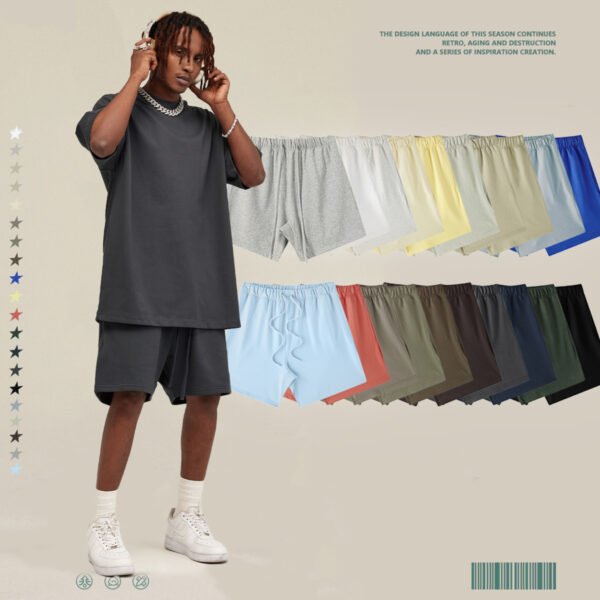


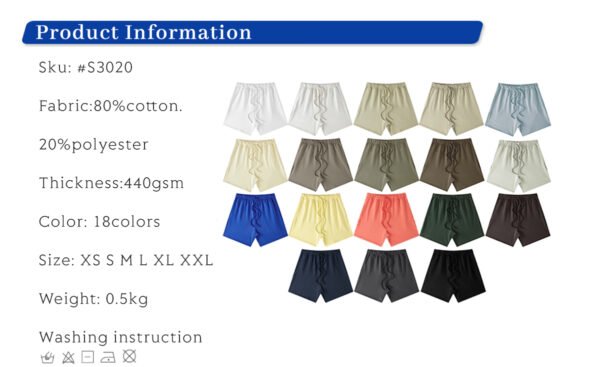
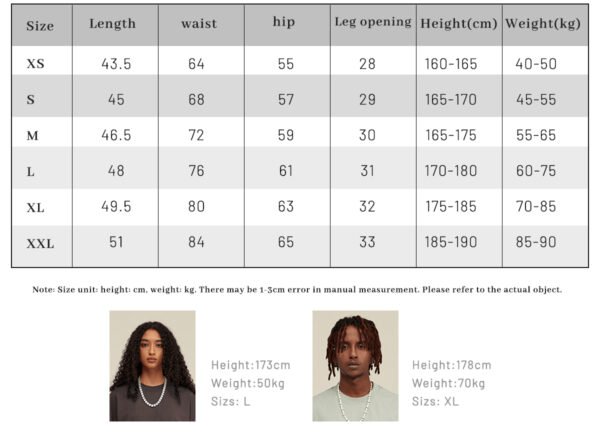


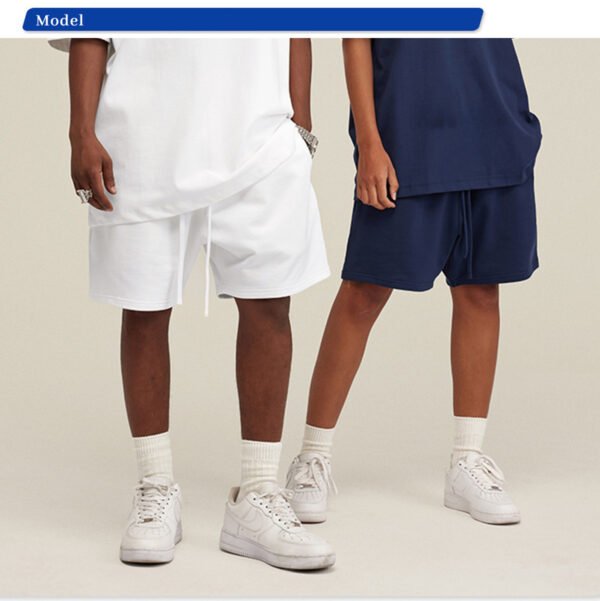


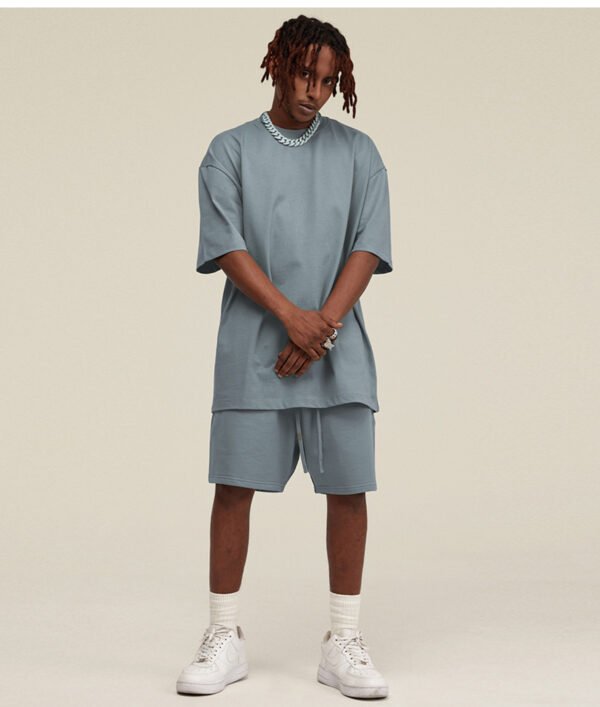




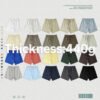


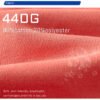

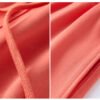
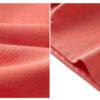


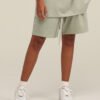


These custom heavyweight unisex shorts are developed around the relationship between surface texture and seam puckering. The source wording states 440 GSM, while the supplied process visual highlights waistband, pocket, and decoration decisions. VeeWen can turn those variables into an approval sequence from MOQ: 100 pieces per style.
Why Heavyweight Fabric Reveals Seam Behavior
A heavyweight short fabric carries more mass across each panel, so stitching can draw neighboring layers together when thread tension, feed, or pressing is not balanced. The result may appear as seam puckering rather than intentional texture, especially around pockets, waistband joins, and hems.
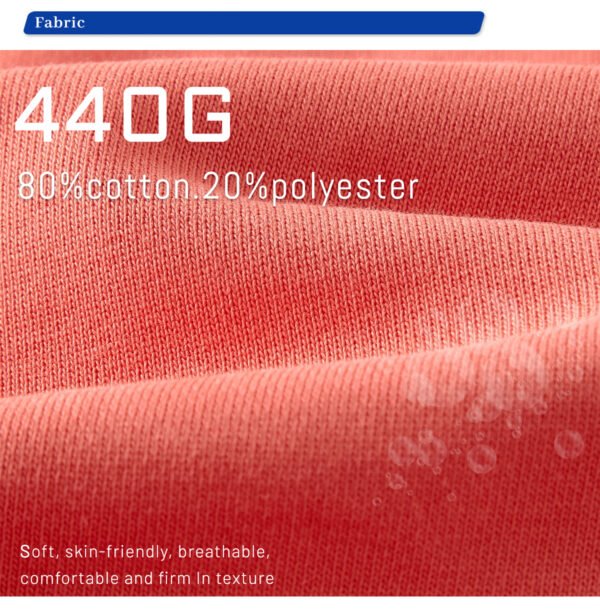
The source title states 440 GSM, making weight a central development variable rather than a decorative claim. Because composition and knit structure are unverified, the buyer should treat the stated weight as a source reference and approve actual fabric behavior through swatches.
Separating Texture From Accidental Puckering
Texture should be defined by the desired surface character, such as a dry, brushed, compact, or wash-developed appearance, while puckering is an uncontrolled distortion beside stitching. The development brief should name both separately so visual character does not excuse unstable seams.
The supplied process visual presents a simple shorts outline with clear waistband and pocket geometry. That clarity is a useful baseline: compare textured and untreated panels at those same locations, checking whether pocket edges remain flat and the waistband stays visually level.
Pocket and Waistband Pressure Zones
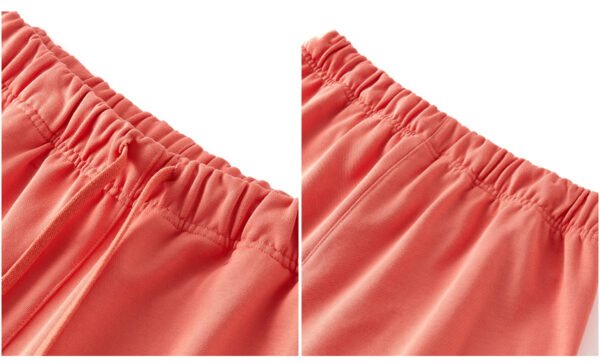
Pocket openings and waistband attachments concentrate several layers, turning them into high-risk areas for rippling. On loose-fit shorts, those lines remain prominent because broad leg panels frame them. Control therefore depends on matching seam allowance, stitch density, thread balance, and pressing direction.
The buyer should request close-up evidence at pocket corners, waistband intersections, drawcord exits, and leg hems. These checkpoints reveal whether the intended texture continues evenly or collapses into localized puckering where multiple components meet.
Decoration Changes the Surface Equation
The supplied visual shows several decoration routes, including heat transfer, digital print, flocking, embroidery, rhinestones, and dimensional embroidery. Each adds a different combination of stiffness, weight, pressure, or heat, so placement can change how the base fabric lies around seams.
A large dense decoration placed across a seam may mask or exaggerate puckering, while a lighter treatment on a broad panel preserves more even texture. VeeWen should test the selected method on the actual fabric and review hand feel, edge definition, and distortion after handling.
VeeWen Development Workflow for This Argument
VeeWen should first lock the fabric reference, target surface description, and seam-puckering tolerance, then build a construction sample with untreated panels. This isolates sewing behavior before decoration, wash direction, or heat-based processes introduce additional variables.
Next, apply the chosen decoration to representative pocket, waistband, and open-panel locations, documenting the visual effect at each. The buyer can approve the surface standard and tolerances before VeeWen advances grading, labeling, production instructions, and MOQ: 100 pieces per style planning.
Approval Checkpoints Before Production
Approval should compare the shorts under consistent lighting, laid flat and worn, because texture can look different when tension changes across the body. Review waistband level, pocket symmetry, side seams, inseam appearance, hem behavior, and decoration registration as one connected surface system.
The final decision is whether the visible texture looks deliberate while seams remain controlled within the agreed tolerance. Sign off on fabric, finish, decoration method, placement, measurements, and acceptable puckering limits before releasing the style for production preparation.
Buyer Questions
Is 440 GSM verified?
440 GSM appears explicitly in the supplied source title, so it is retained as a source reference. Confirm measured fabric weight, composition, structure, and tolerance during material approval.
Which decoration method is best for this surface?
There is no universal choice. Test the selected print, flocking, embroidery, rhinestone, or label method on actual fabric, then compare distortion, stiffness, registration, and seam appearance.
How should puckering be approved?
Define acceptable visual tolerance at waistband, pockets, side seams, inseams, and hems. Review untreated and decorated samples under consistent conditions before approving the production construction standard.
What is the commercial minimum?
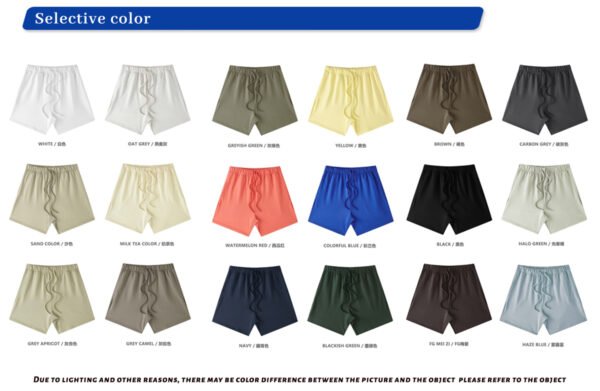
The commercial minimum is MOQ: 100 pieces per style. Confirm the selected color, size range, fabric reference, trims, decoration, labeling, and packaging within the development record.
Approve the Surface Standard
Share your target hand feel, texture reference, decoration route, size range, and preferred color. VeeWen can structure the seam-puckering review and development brief from MOQ: 100 pieces per style.


Reviews
There are no reviews yet.