
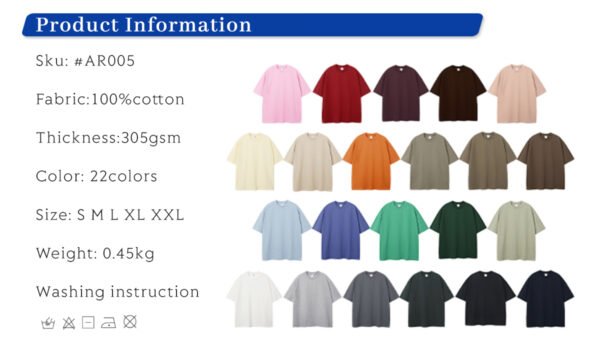


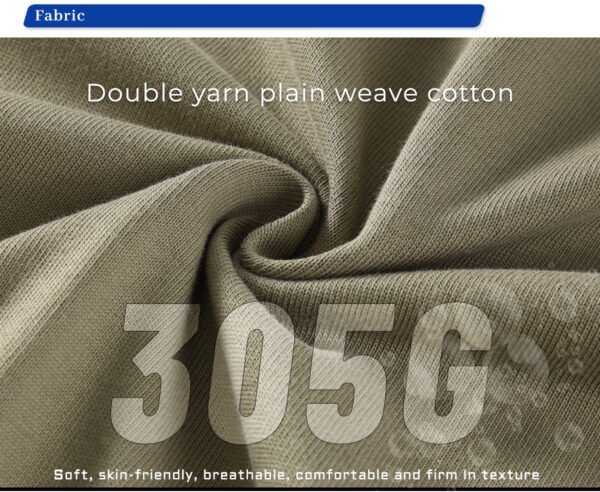




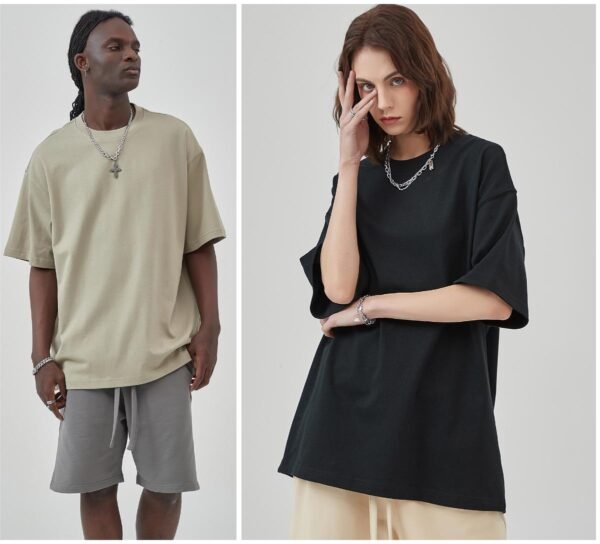

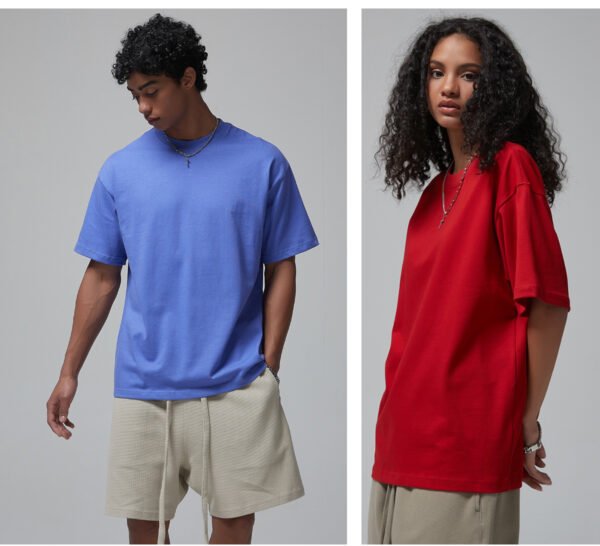
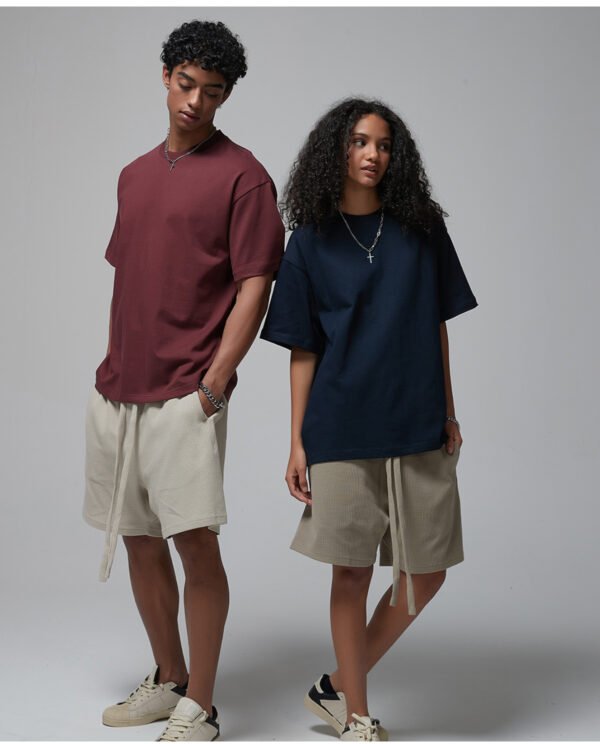
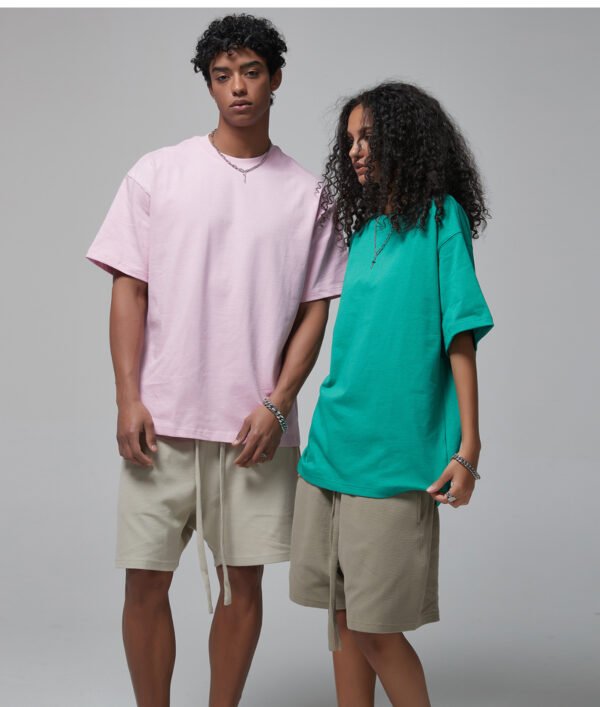

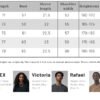

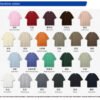
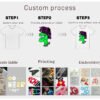


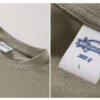
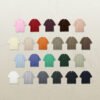
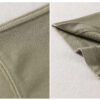







This custom heavyweight oversized T-shirt is built around the neckline's ability to control a dense, relaxed silhouette. The source identifies 100% cotton, 305gsm, twenty-two colors, and S-XXL sizing; VeeWen's development focus is translating those inputs into stable binding width and stretch.
Why Binding Controls a Heavyweight Neckline
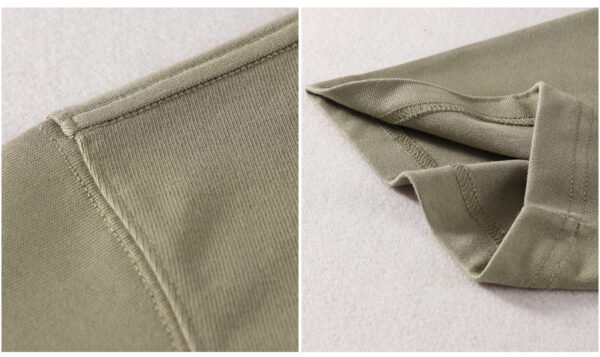
A 305gsm cotton body carries more mass at the shoulder and neckline than a lightweight jersey. In an oversized silhouette, that mass can make a narrow or poorly controlled binding twist, gape, or lose visual balance. Binding design therefore affects both comfort perception and garment presentation.
The supplied source describes heavyweight cotton and shows a relaxed short-sleeve body, while the assigned axis identifies binding width and stretch control. Together, these references support a neckline-led development strategy: stabilize the collar without making it feel restrictive or visually too dominant.
Binding Width as a Measured Variable
Binding width should be recorded before sewing and again after attachment, because finished width can change when the tape is stretched around the neckline. A buyer-approved measurement should define the visible collar proportion, seam allowance relationship, and acceptable variation across the size range.
Width also changes the visual character of an oversized T-shirt. A wider binding can look more substantial and frame the neck clearly, while a narrower binding may feel lighter but offer less visual authority. The correct choice depends on the approved body weight, fit, and wearer preference.
Stretch and Recovery Control
Stretch is useful during neckline application because binding must travel around a curved opening without puckering. Excessive stretch, however, can reduce recovery and leave the collar enlarged after wear or handling. The development sample should therefore compare application tension with the neckline's finished circumference.
Recovery should be assessed by observing whether the collar returns evenly after controlled handling, not by assuming performance from cotton content alone. The source confirms composition and weight, but does not provide stretch or recovery results. Those characteristics remain practical testing and approval points.
Color Range and Consistent Necklines
The source states twenty-two colors, creating a consistency challenge beyond simple shade selection. Binding width, seam appearance, and recovery should remain controlled across the approved palette, because dyeing and finishing differences can influence hand feel. Each color should be checked against the same neckline standard.
A broad color offering can support merchandising, but it increases sampling and approval workload. Buyers should identify core colors first, then confirm whether additional shades use the same fabric lot requirements, binding construction, and measurement tolerances before releasing the entire palette.
VeeWen Development Workflow
For this style, VeeWen's workflow should pair the fabric confirmation with a neckline engineering sheet. That sheet should record body weight, binding cut width, finished width, application tension, stitch construction, and recovery observations for the approved sample across relevant sizes.
The next checkpoint is a fit review focused on collar behavior during dressing, movement, and laying flat. Once the buyer approves the binding specification, VeeWen can carry it into color development and graded production documentation without separating neckline control from the oversized fit.
Approval Checkpoint and Trade-Offs
The central trade-off is firmness versus ease. A tighter binding can hold the neckline shape more confidently, while a softer or less stretched application may improve comfort but permit movement. Buyers should choose the desired balance after handling the actual heavyweight fabric and approved silhouette.
Before production approval, confirm 100% cotton, 305gsm, the S-XXL range, selected colors, binding width, stretch method, recovery expectations, and neckline tolerances. Also confirm wash instructions separately. The commercial starting point remains MOQ: 100 pieces per style for this direction.
Buyer Questions
Is 305gsm confirmed for this style?
Yes. The supplied source wording states 305gsm thickness. VeeWen should still verify the approved bulk fabric and finished measurement tolerance before production.
Why does binding width matter here?
A heavyweight oversized body places greater visual and physical demand on the neckline, so binding width influences stability, proportion, comfort, and recovery.
Are all twenty-two colors ready for production?
No. Twenty-two colors are stated as a source reference, but the buyer must approve the final palette, shade standards, fabric consistency, and sample results.
What is the minimum order?
The exact commercial minimum is MOQ: 100 pieces per style. Final color quantities, size ratios, and fabric approvals should follow the signed specification.
Approve the Neckline Control Standard
Share your preferred collar proportion and handling expectation so VeeWen can align the 305gsm body, binding width, stretch control, colors, and graded fit during sampling.



Reviews
There are no reviews yet.