










This custom kids woven short should be developed as a coordination exercise: lightweight fabric, simple geometry, and multiple colorways leave little room for panel drift. VeeWen can turn the visual panel map into graded patterns, seam checkpoints, and an approval sample for repeatable production.
Why Alignment Defines This Short
The garment's visual language is quiet: broad woven panels, an elastic-looking waist, and uncomplicated hems. Because there are few decorative distractions, even a small mismatch at a visible join can make the short look unbalanced across the front.
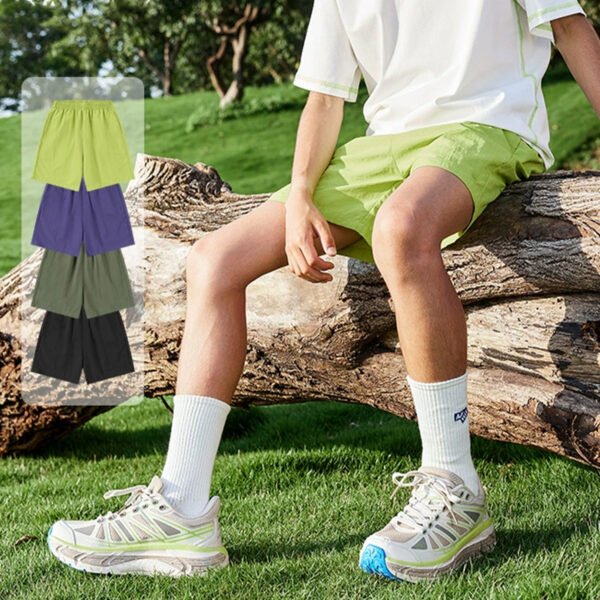
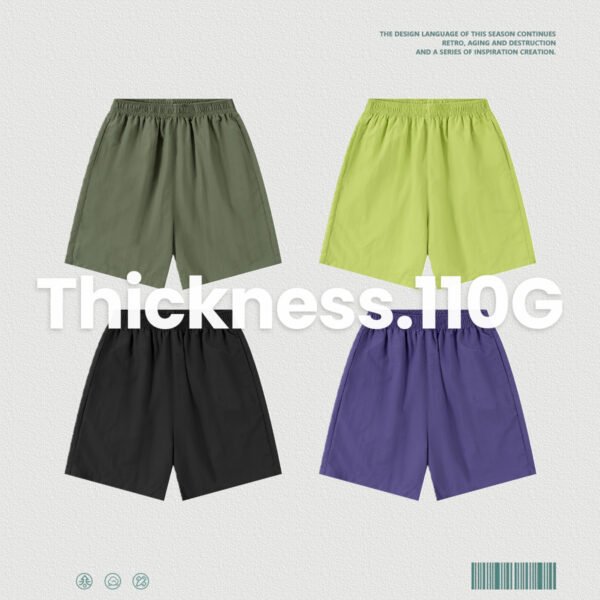
The supplied image presents four color options in a stacked arrangement, making proportion and placement part of the product story. The production target is therefore not merely a short in several colors, but a controlled panel system that scales without losing its intended rhythm.
Fabric Weight and Panel Behavior
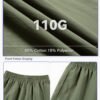
The source wording references 110g fabric, cooling, quick-dry, and breathable characteristics. Those descriptions support a lightweight summer direction, but they do not verify composition or laboratory performance. Fabric hand, opacity, shrinkage, and seam response must be checked before final pattern approval.
Lightweight woven cloth can shift during spreading, cutting, and sewing, especially around elastic waist sections or angled joins. VeeWen's development review should record grain direction, stabilizing methods, seam allowance behavior, and pressing response so panel edges remain controlled after finishing.
Pattern Engineering for Children
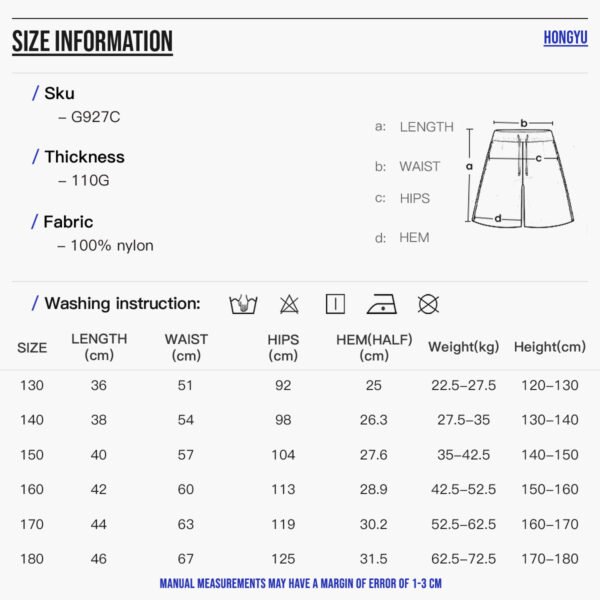
Kidswear grading changes more than overall width; it changes how a panel sits against the hip, thigh, and hem. A visually centered boundary on one size may move on another if the grade rules are not mapped deliberately. The sample should therefore include several representative sizes.
The relaxed silhouette shown in the image leaves room for movement, but excess ease can also alter hanging balance. Pattern review should compare side seams, leg openings, rise depth, and waistband recovery, ensuring alignment remains visually credible while preserving comfortable everyday mobility.
Colorway Control Across Production
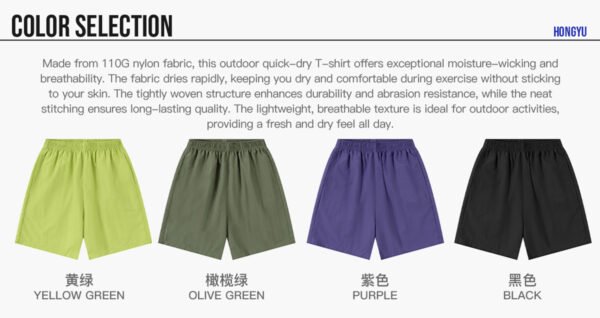
The lime, purple, olive, and black references create a useful assortment, yet dark and light fabrics can behave differently under pressing, inspection lighting, and laundering. Each colorway should receive its own shade approval and panel placement confirmation before bulk cutting begins.
A shared construction standard can protect the range from looking inconsistent. VeeWen should lock the approved color sequence, identify each cut component, and use first-piece checks to verify that left-right orientation, seam intersections, and hem exposure match the signed reference.
VeeWen Development Checkpoint
VeeWen's workflow should begin with a panel map attached to the technical pack, not a verbal color description. The map can identify every visible component, grain direction, seam match, and tolerance, giving patternmaking and production teams one common visual control document.
The approval sample should be reviewed on-body and laid flat, because alignment can appear correct in one view and drift in another. Buyers should sign off the graded pattern, color approvals, waistband behavior, and inspection points before authorizing the 100-piece-per-style minimum.
Trade-Offs and Approval Logic
A stronger alignment requirement may increase cutting attention, sewing checkpoints, and handling time, while a looser tolerance can reduce effort but weaken the coordinated appearance. The right decision depends on whether the buyer positions this short as a basic or design-led assortment item.
Before approval, compare the signed sample against flat-lay measurements and the supplied visual reference. Confirm panel order, seam visibility, leg balance, waistband recovery, and wash response. If those controls hold, the product is ready for commercialization at the stated MOQ.
Buyer Questions
Is the 110g reference confirmed fabric weight?
It is a source reference only. VeeWen should confirm the measured fabric weight, composition, tolerances, shrinkage, and performance requirements against the approved material submission.
Can the panel colors be changed?
Yes, color placement can be developed through the technical pack, subject to fabric availability, shade approval, minimum dye quantities, and maintaining the agreed alignment system.
How should alignment be approved?
Review a physical sample both worn and flat, then sign the panel map, graded pattern, seam tolerances, left-right orientation, and first-piece inspection standard.
What is the minimum order?
The commercial minimum is MOQ: 100 pieces per style. Final quantities, size ratios, color allocation, and approved specifications should be confirmed before production planning.
Approve the Panel Map
Send the target size range, color references, and intended use so VeeWen can prepare the panel map, material confirmation points, graded sample, and production approval checklist.



Reviews
There are no reviews yet.