








This short is best developed as a mobility-led warm-weather bottom, where relaxed volume, an adjustable waist, and a stable hem must work together. The supplied visual supports a lightweight terry direction, but production approval should focus on movement testing rather than relying on appearance alone.
Mobility Starts At The Side Body
Although armhole construction is not applicable to shorts, the assigned mobility axis translates to the side body and upper-leg opening. The image shows a relaxed silhouette, so the pattern should preserve lateral ease without allowing excessive fabric to collapse during walking.
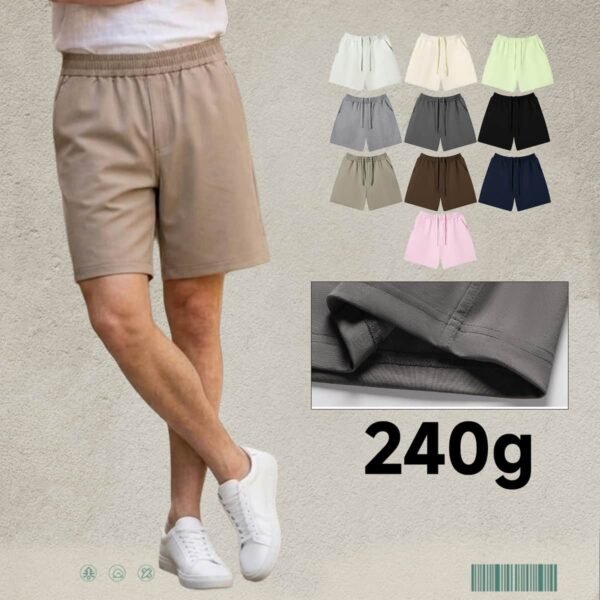
The crossed-leg pose provides useful visual evidence because the shorts do not appear sharply tensioned through the seat or upper thigh. Treat that observation as directional, then check rise balance, side-seam angle, and opening circumference on a live fit sample.
Leg Opening Controls Stride
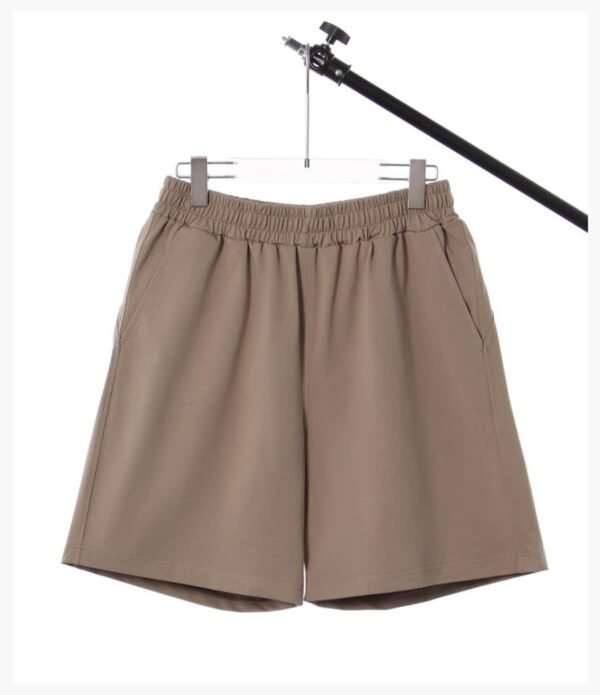
A generous opening can improve airflow and movement, but excessive width may create a less refined outline or expose the inner short area during motion. The visible silhouette suggests a moderate relaxed opening that should be measured against the buyer's intended activity and styling direction.
VeeWen's development workflow should lock the opening measurement alongside front rise, back rise, and inseam during the first pattern review. Movement approval should include walking, sitting, crossing one leg, and lifting the knee, with notes recorded by size rather than by one model.
Waist Adjustment Balances Ease
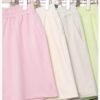
The gathered waistband and visible drawcord provide two control points: elastic recovery supplies baseline hold, while the cord lets the wearer refine compression. That combination supports varied users, but the waistband must not twist, roll, or create pressure when the body moves.
During proto review, VeeWen should evaluate tunnel width, cord exit placement, elastic length, and bartack positioning as one system. A comfortable waist cannot compensate for a restrictive seat, so approval should connect waist security with the same movement checks used for leg clearance.
Hem Stability Protects The Shape
The close-up image shows a folded hem with visible parallel stitching, suggesting that the leg opening is intended to hold a clean edge. Hem construction affects mobility indirectly: a stiff or rippled edge can catch against the thigh and change how the short swings.
The development checkpoint should compare hem turnback, stitch density, and fabric behavior after laundering or pressing trials. Confirm that the edge remains flat without over-restricting the opening, especially where terry loops, stretch, or a lightweight hand may influence recovery.
Weight And Hand Need Verification
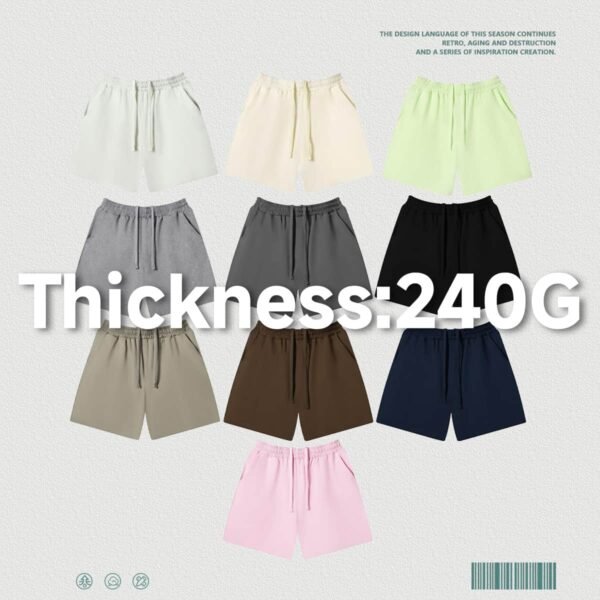
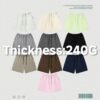
The supplied image displays 240g, while the source wording identifies Sorona terry and describes cooling and quick-dry characteristics. These are useful development leads, not complete specifications, so the buyer should separate visible weight messaging from unverified fabric performance.
VeeWen can route the fabric through hand-feel, drape, dimensional, and color approval before bulk commitment. The practical decision is whether the selected terry maintains enough softness and movement while delivering the visual density expected from the reference presentation.
Color Range Requires A Mobility Sample
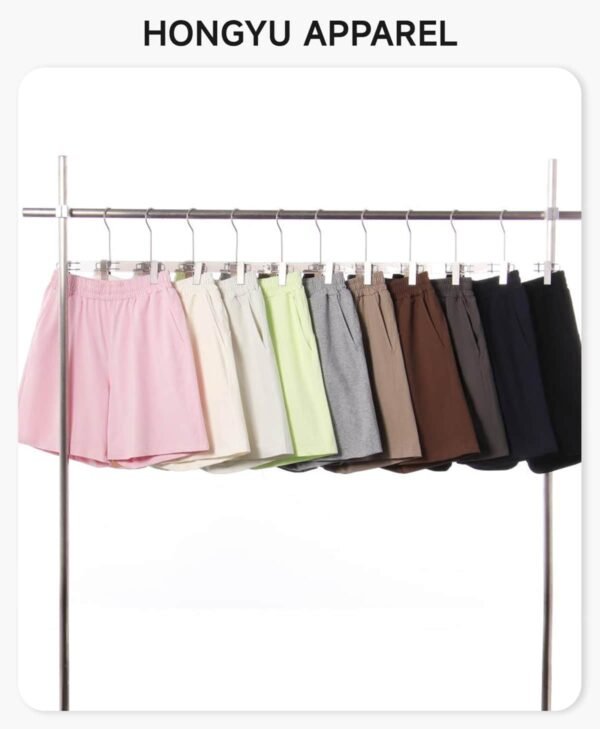
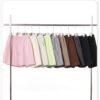
Ten solid colorways are visibly arranged in the supplied image, spanning white, cream, bright green, gray, charcoal, black, beige, brown, navy, and pink. A broad palette increases merchandising flexibility, but shade changes can expose differences in hand, opacity, and recovery.
VeeWen's workflow should approve the base color and movement pattern together, then review the remaining shades for consistent appearance and behavior. The buyer should authorize the palette only after confirming that darker and lighter colors share the same mobility standard.
Buyer Questions
Is the 240g figure a confirmed fabric specification?
No. The supplied graphic visibly states 240g, but it does not define fabric weight, garment weight, size basis, or measurement method, so VeeWen must confirm.
How should buyers validate mobility before approval?
Request a fit sample and test walking, sitting, crossed-leg movement, knee lifting, and stair motion. Record side-body tension, rise comfort, opening clearance, and hem behavior.
Can the ten shown colors be developed together?
They can be treated as a color-direction reference. Final shade count, lab dips, opacity, hand feel, and cross-color consistency require buyer approval before bulk production.
What is the commercial minimum for this style?
VeeWen's exact commercial minimum is MOQ: 100 pieces per style. Confirm size ratios, color allocation, packaging, and final specifications during order review.
Approve The Mobility Block
Send your target size range, activity context, and preferred color direction to VeeWen. We will translate the reference into a measurable sample review centered on stride, waist security, and hem stability.



Reviews
There are no reviews yet.