
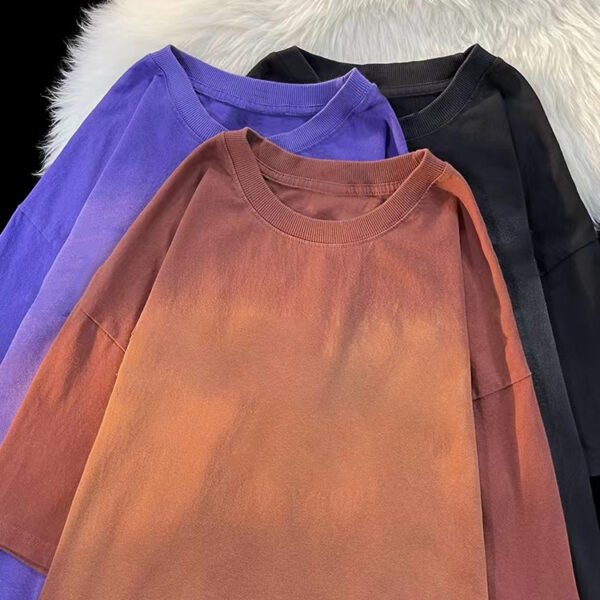
This development centers on how fabric width governs an oversized acid-washed T-shirt. The broad body and sleeves demand deliberate marker planning, while the central tonal wash requires consistent panel orientation, allowance control, and shade review before production approval.
Width Is a Silhouette Decision
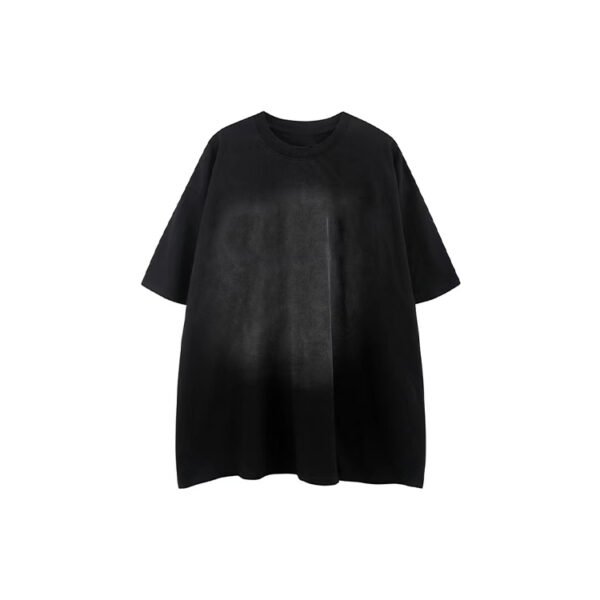
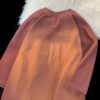
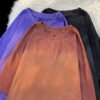
The image shows a loose T-shirt with a substantial front panel and sleeves extending well beyond a conventional basic block. Those dimensions increase dependence on usable fabric width, because small width losses can force extra joins, narrower grading, or altered proportions.
At development stage, VeeWen should map the proposed body, sleeve, neckband, and rib components against the selected fabric width. The approval objective is not maximum utilization alone; it is preserving the relaxed outline without compressing critical dimensions or creating inconsistent cutting direction.
Marker Planning Must Include Wash Risk
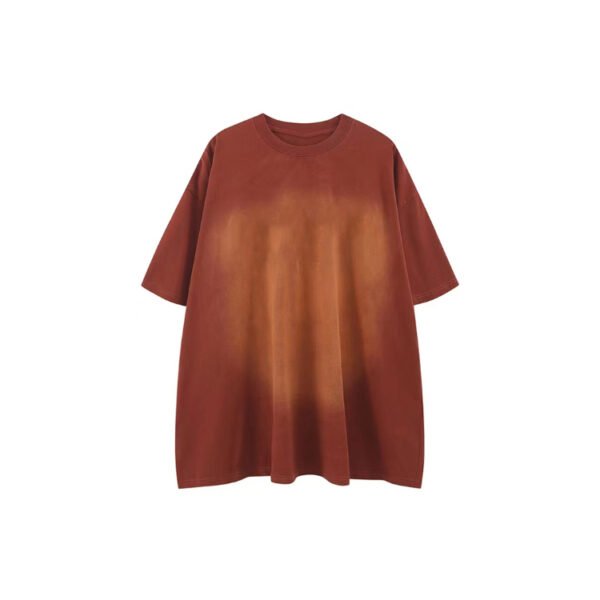
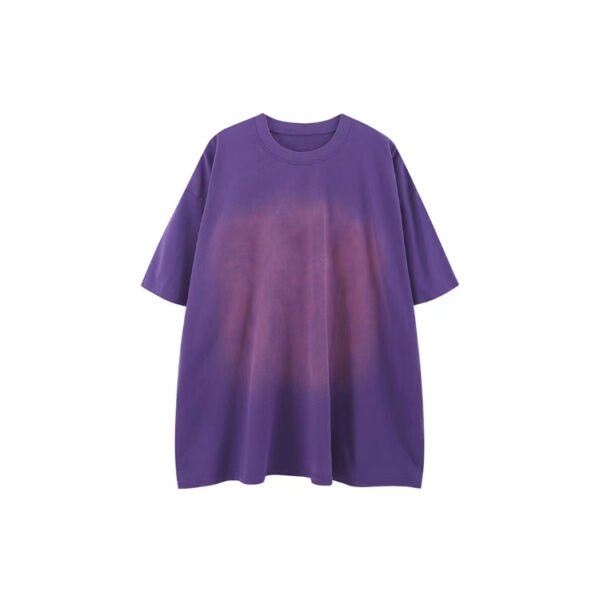
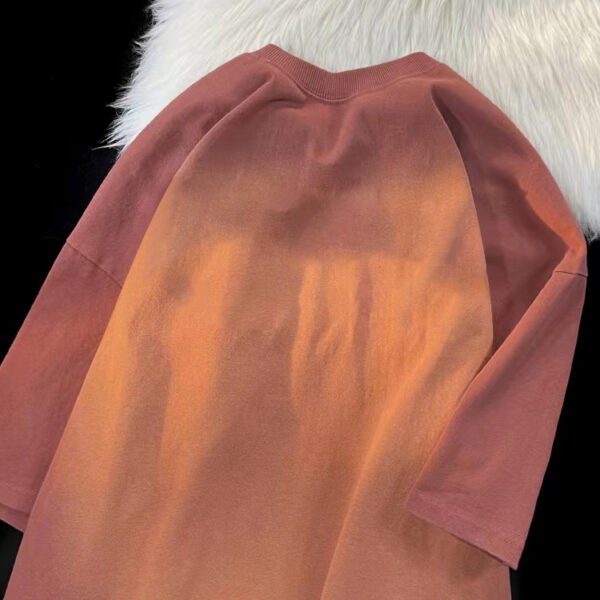
Acid washing can introduce shade differences across panels, especially when pieces receive different exposure or are positioned differently during processing. The image's lighter center-front area makes directional and panel-level consistency important, even though the garment uses no visible graphic.
VeeWen's workflow should therefore review marker orientation alongside wash grouping. Body fronts, backs, and sleeves need an agreed relationship before bulk cutting, with allowance reserved for shrinkage and finishing changes that could otherwise disturb the intended tonal balance.
Consumption Trade-Offs Need Early Approval
A tighter marker may reduce fabric consumption, but it can restrict the oversized proportions that define this product. Conversely, generous spacing can protect the silhouette while increasing material demand. The buyer should treat this as a commercial design choice rather than a hidden production adjustment.
The working sample should record finished measurements, cut dimensions, and estimated consumption at the selected width. Approval should identify which measurements are protected if yield changes, so later grading or fabric substitutions do not quietly narrow the body or sleeves.
Visual Evidence Supports a Controlled Black Base
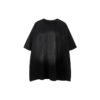
The supplied image presents a black garment with a softened gray vertical area through the chest and lower front. That contrast is subtle, so uneven wash intensity could change the perceived fit, make panels look mismatched, or reduce the clean, minimal character of the design.
The development review should establish a shade tolerance using physical swatches or approved sample garments. Because the source image cannot verify a laboratory color standard, VeeWen can use the visual reference as direction while documenting the buyer's acceptable range for black depth and wash contrast.
Construction Should Follow the Width Plan
The relaxed hem, crew neck, and short sleeves appear visually simple, but each component affects marker balance. Neckband width, sleeve opening, seam allowances, and hem turnback should be fixed before consumption is treated as reliable, because small changes multiply across graded sizes.
VeeWen's product-development workflow should connect the technical pack to a marker review, then to a cut sample and wash assessment. The checkpoint is whether the washed sample retains the same proportions and tonal logic established by the width-led plan.
Bulk Approval Belongs After Shade and Yield Review
Before releasing the style, the buyer should review three linked outcomes: the measured silhouette, the fabric consumption at confirmed width, and the washed appearance across representative panels. Passing one outcome cannot compensate for failure in another when the garment's value depends on relaxed scale and tonal finish.
The final decision should authorize a documented width, marker assumption, wash grouping, and measurement tolerance. If any remains open, the correct action is to hold bulk approval and revise the sample package before the MOQ of 100 pieces per style is scheduled.
Buyer Questions
Why does fabric width matter for this oversized T-shirt?
The broad body and sleeves consume substantial marker area, so usable width can influence proportions, yield, seam placement, and the final wholesale cost structure.
Does the image verify 100% cotton construction?
No. Cotton appears in the source wording, but the exact percentage, fabric weight, finishing, and test documentation require confirmation through the approved technical package.
How should acid-wash variation be approved?
Review a washed sample or swatch set covering body and sleeve panels, then document acceptable black depth, gray contrast, directional consistency, and shrinkage allowances.
What is the commercial minimum for this style?
The commercial minimum is MOQ: 100 pieces per style, with final quantities, specifications, and production release dependent on approved development documentation.
Approve the Width and Wash Package
Send the target size range, fabric-width assumption, and preferred wash contrast to VeeWen. The next checkpoint is a measured sample with documented consumption, panel orientation, and shade tolerance before bulk release.


Reviews
There are no reviews yet.