




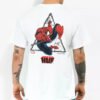
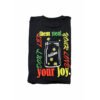


This custom men's graphic T-shirt is organized around zip puller scale and operational clearance. The supplied image shows a compact brown tee with a small chest graphic, while no zipper is visible, making feature confirmation and hardware positioning essential development checkpoints.
Why Puller Scale Needs Control
A zip puller changes how a simple T-shirt is handled, worn, and visually balanced. If oversized, it can dominate the chest or catch during movement; if undersized, it may become difficult to operate and inspect consistently.
Operational clearance means the puller must avoid the neck, graphic, seam, and hand path. The compact upper-body proportions visible here leave limited room, so hardware dimensions should be judged against the actual pattern rather than selected in isolation.
Reading the Supplied Visual Evidence
The image presents a brown crew-neck shirt with a small white chest message and no visible zipper opening. That absence is important evidence: the supplied visual supports a printed tee direction, but it does not confirm a hardware-bearing construction.
The neckline, sleeve opening, and chest graphic define the available visual envelope. Any proposed zipper or puller should preserve those relationships, avoiding crowding near the collar while keeping the graphic readable and the front panel comfortable.
Construction Risks and Trade-Offs
A larger puller can improve grip and communicate utility, but it adds weight, movement, and potential snagging near the chest. A smaller puller appears cleaner, although operation may become less convenient for buyers expecting a functional opening.
Hardware clearance also affects comfort and durability. Puller travel, tape width, stop placement, reinforcement, and seam allowance must work together, because a visually acceptable sample can still fail if the operating path twists or contacts the graphic.
VeeWen Development Checkpoint
VeeWen's workflow should first resolve the construction brief: retain a standard printed tee or introduce a zipper feature. If hardware is selected, the team should map opening length, puller location, tape direction, stop positions, and clearance from the chest graphic.
The sample checkpoint should test one-handed operation, seated and standing movement, collar comfort, graphic visibility, and hardware stability. Buyer approval should record the selected puller dimensions and operating envelope before grading or bulk material commitment.
Approval Logic for Wholesale Production
The buyer should treat this product as a decision between visual simplicity and functional hardware. The supplied image validates the simplicity of a compact graphic tee, while the assigned axis requires a deliberate answer about whether a puller adds commercial value.
If a zipper is approved, confirm that the opening serves a clear use case and remains proportionate. If it is rejected, remove the hardware requirement from the specification so production teams do not interpret the axis inconsistently.
Commercial Specification Direction
The brown body and small white chest graphic create a restrained base for testing a subtle utility detail. A puller could become a controlled accent, provided it does not overpower the lettering or disturb the clean crew-neck proportion.
For MOQ: 100 pieces per style, the next step is to approve the construction route, hardware reference, graphic placement, and size range. VeeWen can then coordinate a focused sample review around operation and clearance.
Buyer Questions
Is a zip puller visible in the image?
No. The supplied main image shows a crew-neck graphic T-shirt without visible zipper hardware, so the puller requirement must be confirmed through the development brief.
Why assess puller scale on this garment?
The upper body has compact proportions and a small chest graphic. Hardware that is too large may dominate or snag, while hardware that is too small may reduce usability.
Can the design remain a standard T-shirt?
Yes. The visual evidence supports a standard printed T-shirt direction. The buyer should explicitly approve that route if no functional zipper feature is commercially necessary.
What is the minimum order?
The commercial minimum is MOQ: 100 pieces per style. Confirm hardware, artwork, colors, size ratios, packaging, and the final construction route before production planning.
Confirm the Hardware Route
Share the intended use case, construction preference, artwork, fabric reference, and size range. VeeWen will frame the sample review around puller scale, operating clearance, and a clear approval record.


Reviews
There are no reviews yet.