


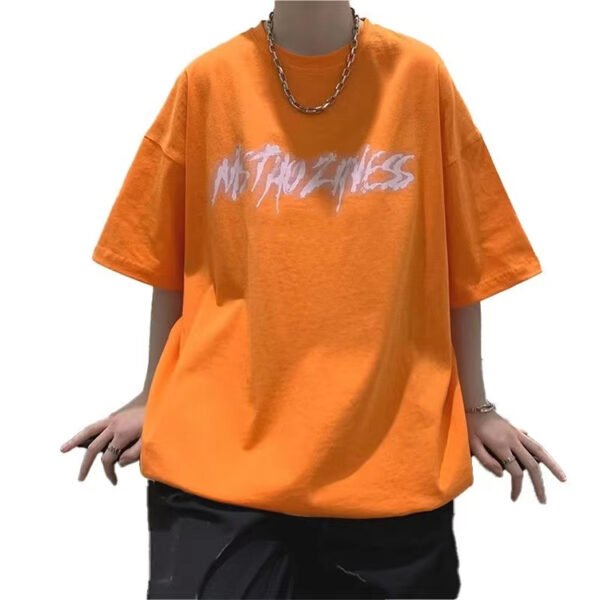
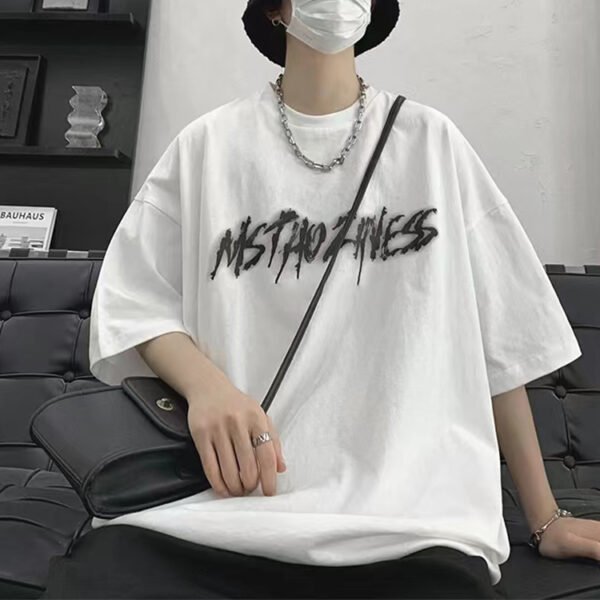
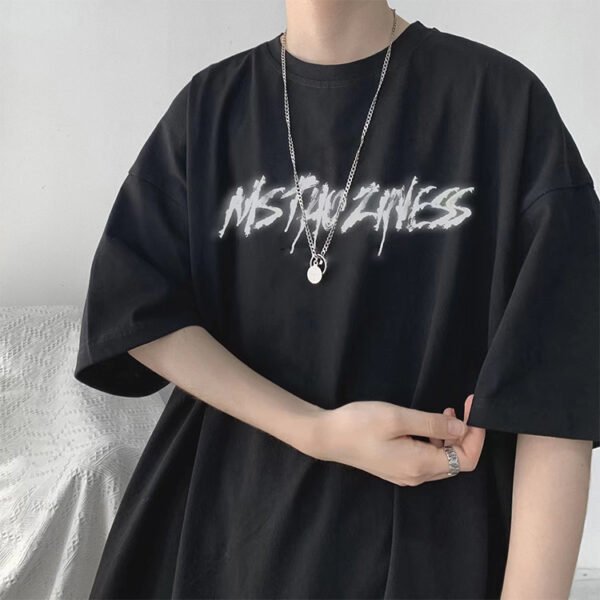




This loose men's T-shirt is developed around reorder control through a sealed approval sample. The vivid blue body, oversized proportions, dropped shoulders, and pale chest lettering create measurable checkpoints for repeat production, from silhouette and print placement to color approval, before bulk cutting begins.
The Sealed Sample as a Reorder Anchor
A sealed approval sample turns an initial garment into the physical reference for future reorders. Its value is not ceremonial: the approved sample fixes the relationship between body volume, shoulder drop, sleeve length, neckline, artwork position, and blue shade in one inspectable object.
For this design, photograph the sealed sample beside a measurement sheet and signed color or artwork notes. Reorder review can then separate acceptable process variation from changes that alter the recognizable silhouette or graphic balance, reducing approval ambiguity before production quantities are committed.
Approve the Visual Block Before Grading
The image shows a broad torso, dropped shoulder seams, generous short sleeves, and a hem extending over the underlying gray layer. These visual cues indicate that fit approval should prioritize proportion and drape, because a narrower block would change the layering effect while leaving graphic unchanged.
Approve the block using front, side, and back views, with measurements taken at chest, shoulder, sleeve, body length, and hem. The sample should be worn over a comparable base layer, since the visible styling depends on controlled ease rather than a conventional close-to-body fit.
Control the Chest Graphic as a Placement System
The pale chest lettering is the garment's main interruption against the saturated blue ground. Its irregular, brush-like visual edge and centered placement make artwork scale, screen alignment, ink coverage, and registration critical; small shifts will be obvious because the print sits in the wearer's primary sightline.
Lock the artwork file, print dimensions, placement coordinates, and approved strike-off with the sealed sample. The strike-off confirms how the light graphic reads on blue, while the physical sample confirms its position relative to neckline, shoulders, and chest width before repeat orders proceed.
Approve Blue and Graphic Contrast Together
Royal blue is visually dominant, so color drift can change the product's commercial identity more than a small neutral variation would. Approve the body shade under defined lighting, record the reference, and inspect the print contrast together rather than approving fabric and artwork as isolated components.
This combined checkpoint matters because the pale lettering is visually dependent on the ground beneath it. A blue that is darker, brighter, or less saturated can alter perceived ink opacity and contrast, creating a reorder that passes separate checks but fails the approved appearance when assembled.
VeeWen's Development Handoff for Repeat Orders
VeeWen's development workflow should treat the sealed sample as a controlled handoff between development and repeat production. The team can translate its approved measurements, artwork placement, color reference, and construction notes into a reorder packet that supports one shared approval language.
At VeeWen, the buyer's checkpoint is release readiness: confirm the sample, packet, and final order details describe the same garment. For this loose tee, that means no bulk cutting release until silhouette, blue body shade, lettering position, and sample sign-off are aligned.
Balance Streetwear Volume Against Approval Sensitivity
The relaxed block offers visual impact and layering room, but it uses more volume than a standard fitted T-shirt and may require tighter grading discipline across sizes. The chest graphic also adds approval sensitivity, making this style less forgiving of placement drift than an unprinted basic.
Approve it when the program values an oversized streetwear silhouette and can maintain a repeatable sample reference. If the target customer needs compact proportions, low-visibility branding, or maximum tolerance for graphic variation, revise the block or artwork before commercial development.
Buyer Questions
How does the sealed approval sample support reorders?
It establishes one physical reference for fit, color, artwork position, and visible finish, allowing buyer and manufacturer to review repeat orders against the same approved garment before bulk release decisions are made.
What should be approved for the oversized block?
Approve chest, shoulder, sleeve, body length, hem, and layering ease in multiple views, because the loose silhouette depends on coordinated proportions rather than a single width measurement alone during fitting review.
How should the chest lettering be controlled?
Lock the artwork file, scale, placement coordinates, ink appearance, and approved strike-off, then compare production against the sealed sample so registration or contrast changes are identified early before reorder release.
Is the cotton composition verified?
No. Cotton is present in the supplied source wording, but no fiber percentage, GSM, or laboratory evidence is provided. VeeWen should confirm composition and weight during material approval before quotation or production release.
Request a Controlled Development Review
Send the target size range, artwork file, color reference, and order brief to VeeWen. We will align the sealed sample checkpoint with the technical packet so your MOQ: 100 pieces per style reorder can be reviewed against one approved standard.


Reviews
There are no reviews yet.