


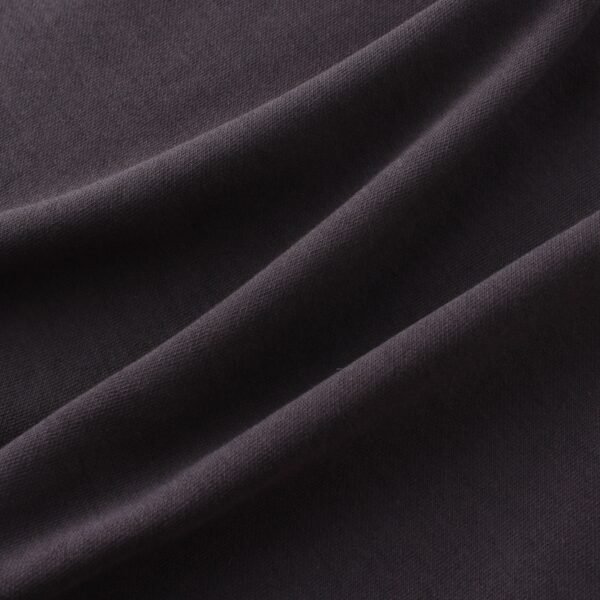
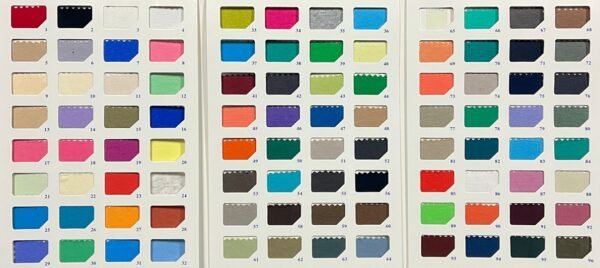




This custom plain crewneck T-shirt establishes a clean front-body baseline for evaluating optional zipper treatments. The supplied image shows a centered neckline, uninterrupted front, broad short sleeves, and an elongated relaxed silhouette. That visual balance lets buyers judge zipper length by proportion, not decoration, before sampling begins.
Front-Body Balance Baseline
On the garment, the front reads as one uninterrupted dark field from crewneck to hem, with no pocket, placket, or graphic interrupting the vertical line. That absence is useful evidence: any future zipper becomes a deliberate structural line, so its termination must respect the torso's length.
A short zipper can add access while preserving most of the plain front, but it may visually stop high against a long oversize body. A longer zipper creates stronger segmentation and styling variation, yet it can divide the shirt's visual mass and demand reinforcement at the endpoint.
Zipper Length as a Controlled Variable
VeeWen's development checkpoint should compare at least three zipper lengths on the same base block, keeping neckline, shoulder width, sleeve opening, and hem position constant. This isolates the axis. Buyers can then assess whether the opening supports the use without mistaking fit changes for zipper effects.
The image's centered crewneck and symmetrical sleeves provide stable landmarks for that comparison. Record zipper start and end against the neckline, chest, and hem, then inspect the garment front from several distances. Balance is judged in the whole silhouette, not only by close-up hardware appearance.
Oversize Proportion and Layering
The oversize shape increases the available front area, making zipper length influential. A short opening may look incidental when surrounded by broad fabric, while a full or near-full opening may read intentional but alter layering behavior. The choice depends on the relationship between volume and access.
The visible shoulder drop, wide sleeves, and straight lower body suggest that front detailing should not overpower the relaxed geometry. During fitting, review zipper length with the garment worn open and closed, because the opening changes perceived torso width, hanging lines, and the amount of overlap.
Material Behavior Around the Opening
Source wording identifies cotton and polyester, but supplies no percentages, weight, or finish specification. The image shows a smooth, low-contrast jersey surface with soft folds. Treat that combination as a development reference only, then confirm the final blend, GSM, hand feel, and recovery requirements.
Material behavior matters because a zipper adds weight and stiffness to a flexible knit front. If the fabric collapses around the tape, the opening can ripple; if reinforcement is too rigid, the relaxed body may lose drape. Sample review should examine closed smoothness and open fall.
Construction Checkpoints for Balance
The plain construction shown gives the production team a base for checking seam alignment around a new opening. Review neckline symmetry, shoulder joining, sleeve hems, side seams, zipper tape positioning, and lower-end security together. A balanced front is only credible when the surrounding seams remain quiet.
Because the supplied view is a rear image, front zipper placement remains an unverified design option rather than a confirmed feature. The sample should document front and back views, zipper gauge, pull direction, seam allowance, and whether the opening is decorative, functional, or omitted from production.
VeeWen Development Approval Gate
VeeWen's workflow should turn this axis into a controlled approval gate: first freeze the plain crewneck block, then develop zipper-length variants, and finally record the selected proportion in the technical pack. This keeps the front-body decision traceable across pattern, sampling, costing, and production communication.
At buyer review, approve the zipper length only after viewing the complete silhouette and confirming the material reference. If the plain version remains strongest, preserve the uninterrupted front and remove the opening from the pack. The decision should reflect wear intent, balance, and construction practicality together.
Buyer Questions
Does the supplied image show a zipper?
The supplied image shows no zipper, so the current product is a plain crewneck baseline. A zipper is an optional development route requiring front-view sampling and explicit buyer approval before production.
What does the image confirm about fit?
The broad sleeves, dropped-looking shoulder line, and elongated straight body support a relaxed oversize reference. Exact measurements are not visible, so confirm chest width, length, sleeve opening, and tolerance in the size specification.
Is the fabric composition verified?
Only the source wording's cotton-polyester reference is available, without percentages or performance data. Treat fiber content, GSM, stretch, recovery, and wash behavior as To Confirm during material approval and sample evaluation.
What is the commercial minimum?
VeeWen's commercial minimum for this development is MOQ: 100 pieces per style. The final order should still reflect the approved color, material reference, size range, construction choice, and packaging instructions.
Approve the Front-Opening Direction
Send the target front-opening intent, color direction, size range, and reference images to begin a focused review. VeeWen can then align the base block, zipper-length options, material confirmation, and approval checkpoints around your product brief.



Reviews
There are no reviews yet.