







This custom oversized washed T-shirt is developed around size-label logic and graded specification. Its broad shoulder line, generous sleeve, and extended body create a proportion system that must be measured across sizes, ensuring the visual identity survives grading instead of relying on labels alone.
Why Labels Cannot Define Oversized Fit
An oversized T-shirt is not created by adding the same allowance to every measurement. Shoulder width, chest ease, sleeve opening, armhole depth, and body length must change together, or larger sizes can become wide without retaining the intended balance.
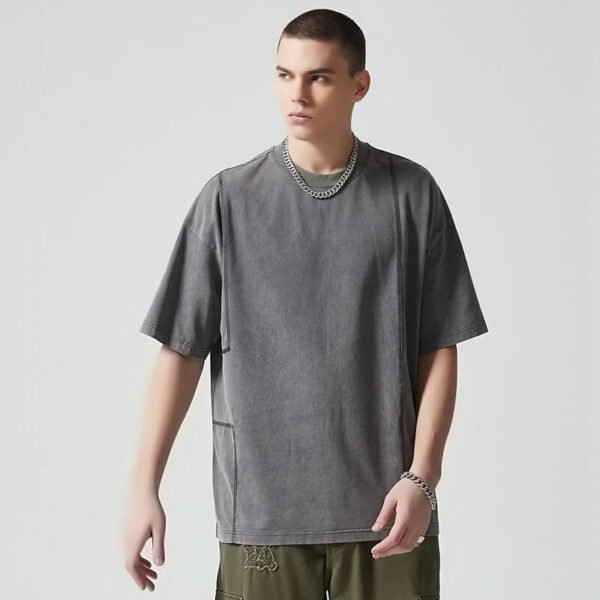
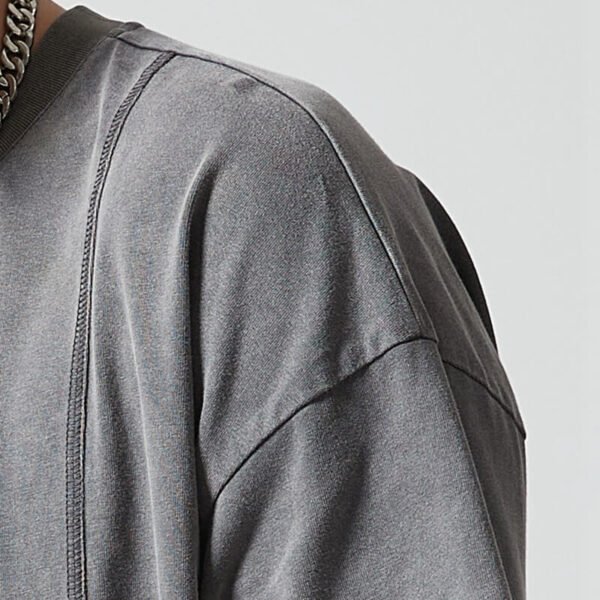
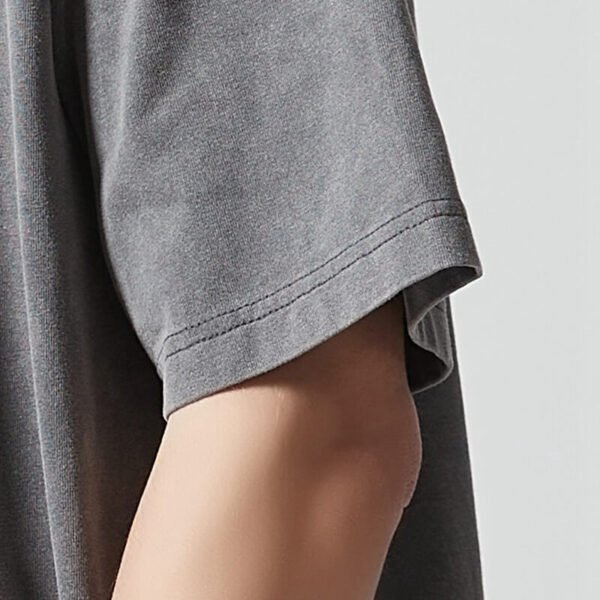
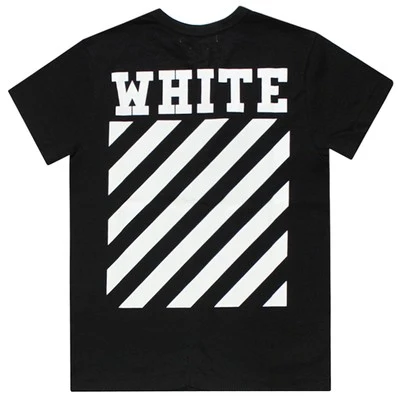
The supplied image shows a broad upper body, relaxed sleeves, and a body extending below the hip area. Those proportions are visual evidence of a coordinated block, but they do not establish the correct numerical grade between sizes.
Building the Base Size Block
VeeWen should establish one base size with measured shoulder, half-chest, body length, sleeve length, sleeve opening, neck width, and armhole depth. Each point needs a tolerance and a clear method of measurement before grading begins.
The trade-off is between generous comfort and controlled shape. Excess chest or length can make the garment appear unstructured, while conservative allowances may lose the relaxed silhouette shown in the image. The buyer should approve the base block on-body and flat.
Grading the Oversized Proportion
Grading should preserve the relationship between width and length rather than simply increasing every point equally. Shoulder growth, chest growth, sleeve volume, and body extension can require different increments to maintain a consistent oversized impression.
A smaller grade may improve cost control and reduce dramatic size variation, but it can compress the intended fit at larger labels. A larger grade may preserve roominess while creating excessive volume. The correct choice depends on the approved base block and target customer.
Wash as a Measurement Variable
The charcoal shirt shows tonal variation across the surface, and the source wording references 265GSM cotton knit fabric. Washing can influence both appearance and dimensions, so finished measurements should be evaluated after the intended process, not only on greige or untreated samples.
The key trade-off is character versus predictability. Stronger treatment may create more visible tonal depth and a softer hand, yet greater dimensional change can disrupt the approved grading. Establish post-wash measurement tolerances before selecting the final treatment route.
VeeWen Development Workflow
VeeWen can begin with a measurement-led base sample, then build a graded specification that records each size label, point of measure, increment, and tolerance. This keeps the oversized concept anchored to a repeatable technical system.
Once the block is approved, VeeWen can run the intended wash on representative sizes and compare post-treatment measurements with the specification. Any adjustment should be made to the grade or treatment allowance deliberately, rather than hidden inside a relabeled size.
Buyer Approval Checkpoint
Before approving production, review the size chart, base-size fit, grade increments, and post-wash measurements together. Check shoulder position, sleeve fall, chest ease, body coverage, and neck appearance on more than one representative size.
The decision is whether every label communicates the same design intent, not whether one sample looks oversized. Confirm the final size range, tolerances, wash shade window, and size ratio, with any unresolved measurement or composition item marked To Confirm.
Buyer Questions
Why is grading important for an oversized T-shirt?
Oversized fit depends on coordinated width, shoulder, sleeve, armhole, and length changes. Without deliberate grading, larger or smaller labels can lose the intended proportion.
Does the source confirm 265GSM fabric?
Yes, the supplied source wording references 265GSM cotton knit fabric. VeeWen should confirm finished weight, construction, tolerance, and post-wash dimensional behavior.
Can the washed effect vary by size?
It can appear different when garment dimensions, panel exposure, or treatment response vary. Approve shade tolerance and post-wash measurements across representative sizes before production.
What is the commercial minimum?
The commercial minimum is MOQ: 100 pieces per style. Confirm the size ratio, approved grade, wash tolerance, and final technical specification before placing the order.
Approve the Graded Fit System
Share your target size range, base measurements, wash reference, and preferred label logic with VeeWen for a measured fit review before production approval.


Reviews
There are no reviews yet.