
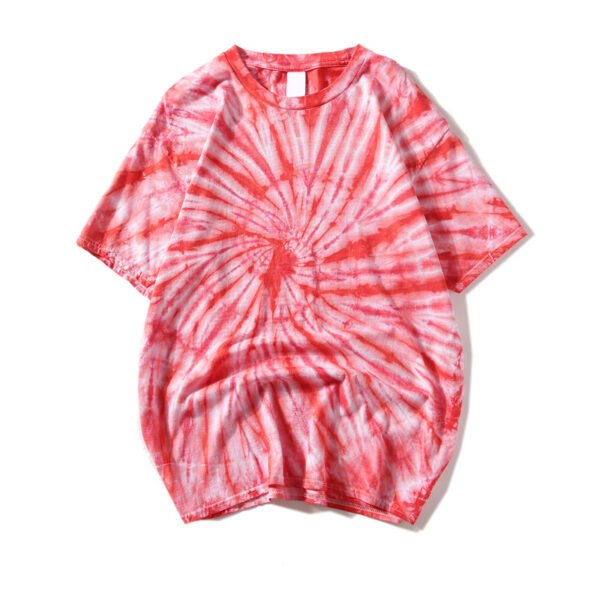
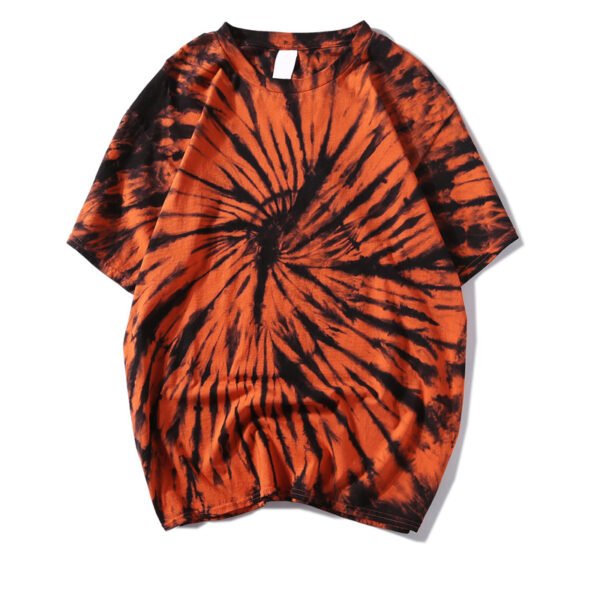
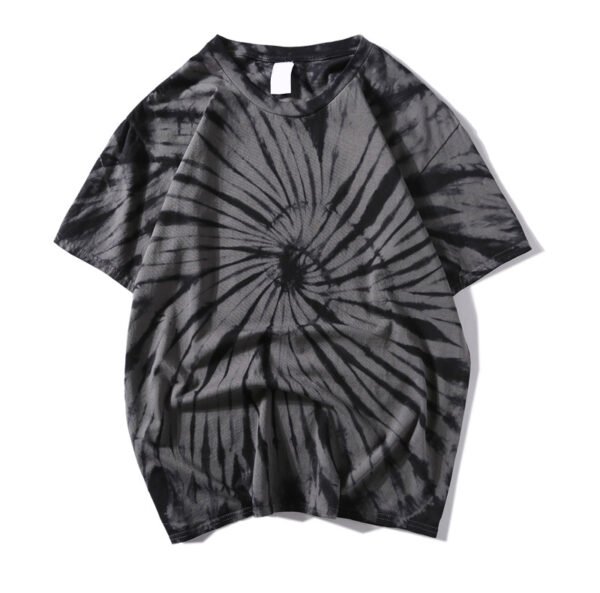

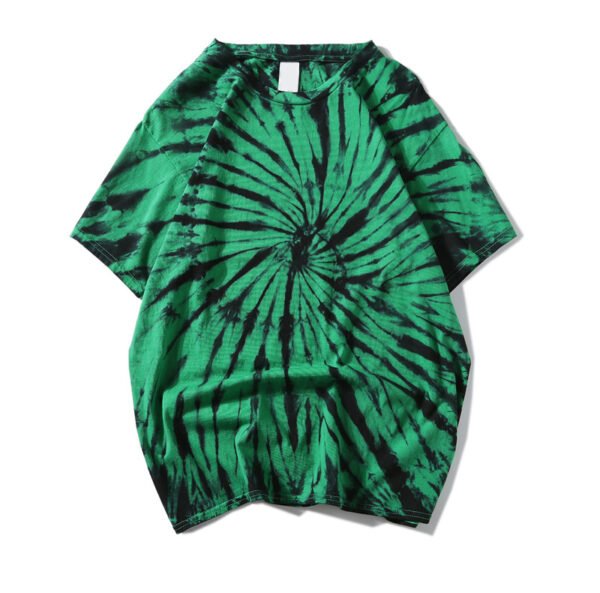



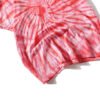

This red spiral tie-dye T-shirt is a development reference for resolving graphic focus before adding front hardware. The centered burst, broad body, and open sleeves create a balanced visual field, while the assigned zipper question requires explicit confirmation. MOQ: 100 pieces per style.
The Spiral Center Sets Front-Body Balance
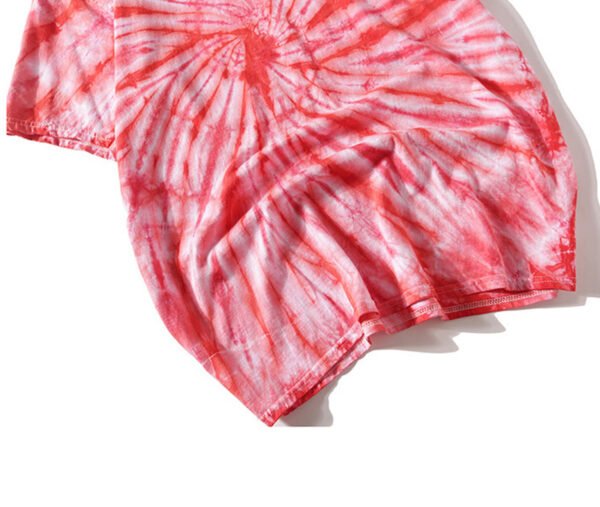
The supplied image has a strong radiating center positioned below the crew neckline. This creates a visual anchor that organizes the entire front, so the garment's balance depends on preserving the relationship between collar, focal point, side seams, and lower hem.
Because tie-dye placement naturally carries irregularity, the approved panel should define the acceptable center zone rather than demand identical line paths. The buyer's priority is a consistent visual hierarchy, not an unrealistic promise of mechanically identical spirals.
Zipper Length Becomes a Graphic Decision
No zipper is visible in the supplied image, yet the assigned manufacturing axis requires zipper length to be evaluated. If hardware is introduced, it will divide the front field and may interrupt the spiral's radial movement or create a second focal line.
A short zipper may preserve more of the pattern while adding limited function or styling. A longer zipper creates stronger vertical interruption and may alter the shirt's category perception, so its purpose must be defined before pattern engineering begins.
Neckline and Hardware Need Shared Geometry
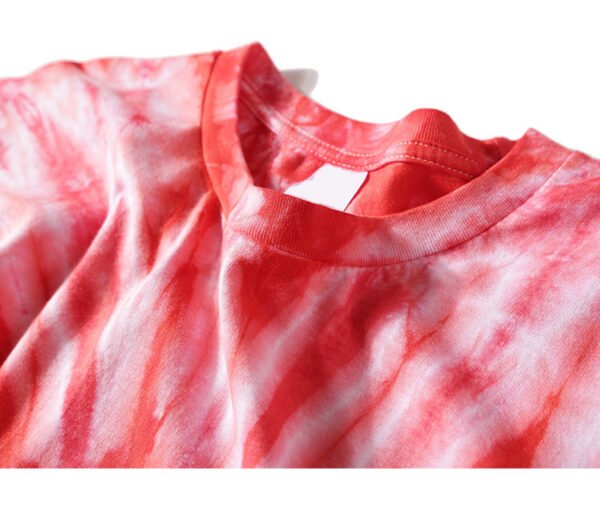
The red pattern begins close enough to the neckline that upper-front spacing matters. A zipper starting near the collar could crowd the crew neck, while a lower start may appear disconnected from the front design and leave an awkward unbalanced interval.
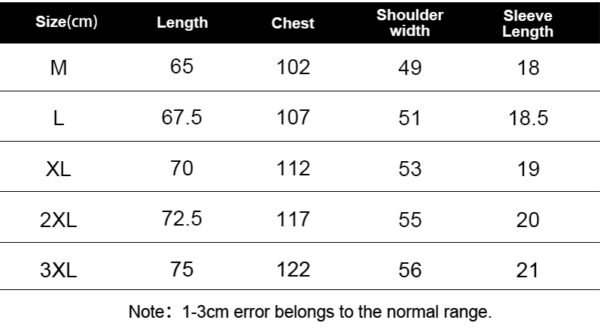
Development should measure zipper start and stop points against the finished neckline, chest width, and spiral center. Review the garment on a body as well as flat, because drape can change how much hardware visually dominates.
Tie-Dye Irregularity Affects Panel Matching
The image shows varied red density, white channels, and uneven radial edges across the body and sleeves. These are meaningful surface characteristics, but they also complicate matching when front panels, sleeves, and replacement pieces are cut from treated material.
If a zipper is approved, the opening introduces another alignment risk at the most visible area. Buyers should establish whether the spiral must meet across the opening, remain intentionally interrupted, or be positioned to avoid strict matching expectations.
VeeWen Development Workflow
For VeeWen development, begin with a tie-dye blank-body sample that fixes the collar, sleeve proportion, body measurements, and spiral focal zone. This isolates the visual balance question before hardware changes the pattern or interrupts the front surface.
Only after the blank reference is approved should a zipper version be patterned and sampled. The buyer can then compare alternative lengths against the same body, recording focal-point interference, opening stability, edge appearance, and the intended commercial styling direction.
Commercial Approval Checkpoint
The approval decision is whether this product should remain a graphic-led tie-dye T-shirt or become a hardware-led hybrid. The answer determines zipper length, opening construction, placement tolerance, and how much front-body pattern continuity the product needs.
Approve the zipper specification only when its functional or styling purpose is clear and its length supports the spiral center. If no purpose exists, retain the clean tee construction shown in the supplied evidence.
Buyer Questions
Is a zipper included in the shown garment?
No. The supplied main image shows a tie-dye crew neck T-shirt without visible zipper hardware. The assigned zipper axis therefore requires confirmation during design development.
Why does zipper length matter here?
The spiral center is the dominant front graphic. Any zipper can interrupt that focal point, change visual balance, and shift the garment from a straightforward tee toward a hybrid style.
Can every spiral be matched exactly?
Tie-dye irregularity makes exact line-for-line matching unrealistic. Define a controlled focal zone, acceptable color-density range, and opening alignment expectation before approving the production reference.
What is the commercial minimum?
The commercial minimum for this record is MOQ: 100 pieces per style. Final composition, zipper construction, grading, decoration, and packaging details require confirmation.
Resolve the Front-Balance Direction
Share whether the zipper is functional, decorative, or unnecessary, together with the desired spiral focal zone. VeeWen can then develop the body first and test hardware length against measurable front-balance checkpoints.


Reviews
There are no reviews yet.