












This T-shirt is developed around a simple production risk: a heavyweight oversized body can overwhelm the wearer when its neckline loses proportion. The working solution is disciplined neck-rib recovery, collar geometry, and shoulder balance, validated against the relaxed silhouette and restrained palette visible in the supplied image.
Why Neckline Control Matters on a Heavyweight Oversized Body
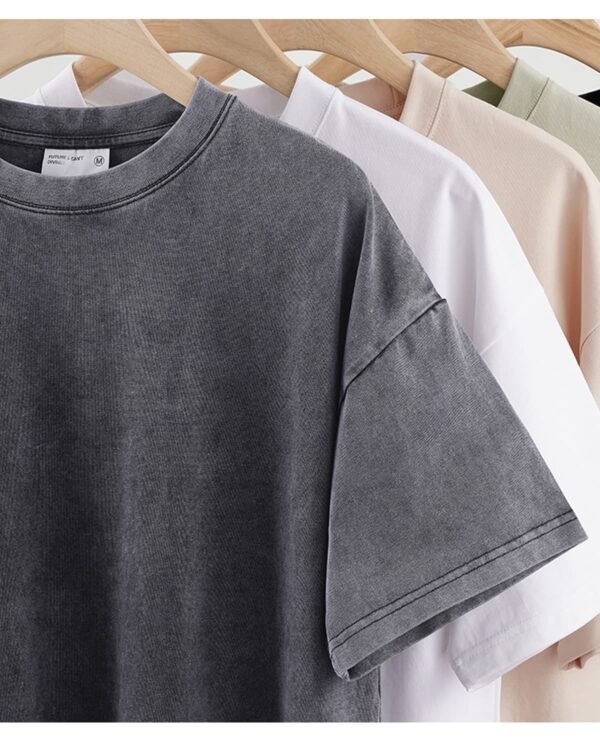
A 300gsm body carries more visual and physical weight than a lightweight tee, so an unstable collar can spread, collapse, or appear undersized. The image's broad shoulders and generous sleeves make neckline proportion especially important for maintaining a deliberate, premium casual outline.
The collar should frame the neck without tightening the relaxed fit. Rib width, stitch density, seam allowance, and attachment stretch work together: excessive tension creates rippling, while insufficient recovery produces a tired opening. Development should therefore treat neckline shape as a measured construction system.
Reading the Supplied Image as a Shape Reference
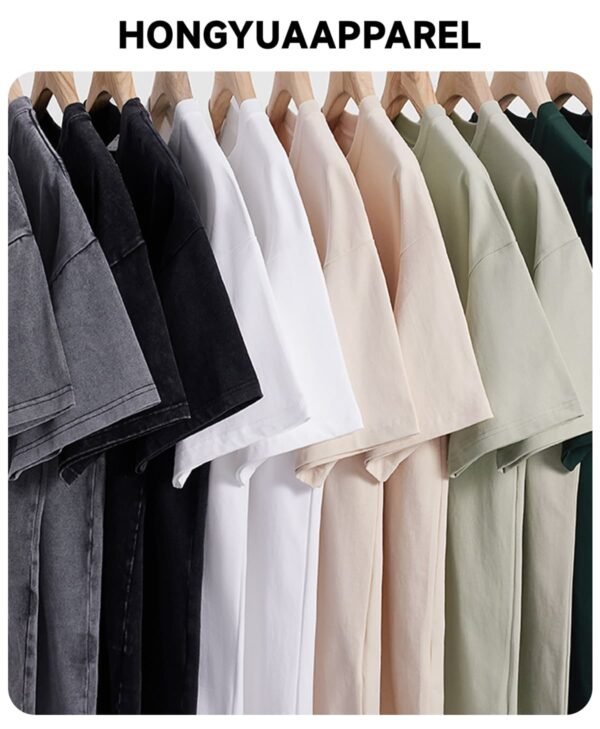
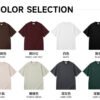
The image presents several shirts on hangers, with a consistent relaxed body, dropped-looking shoulder impression, and clean crew-neck openings. Neutral white, soft cream, blush, sage, and charcoal tones make small neckline differences easy to identify during sampling and color approval.
Because the garments are shown hanging rather than worn, the image confirms visual direction but not actual recovery under movement. Use it to establish collar curve, opening proportion, sleeve relationship, and body balance, then verify those decisions on a fitted sample.
Rib Recovery and Seam Engineering
Neck rib recovery depends on the rib structure, relaxation, cutting accuracy, and sewing tension selected during development. A collar that returns smoothly after extension supports repeat wear, while a collar that twists or ripples signals imbalance between rib length, neckline circumference, and joining method.
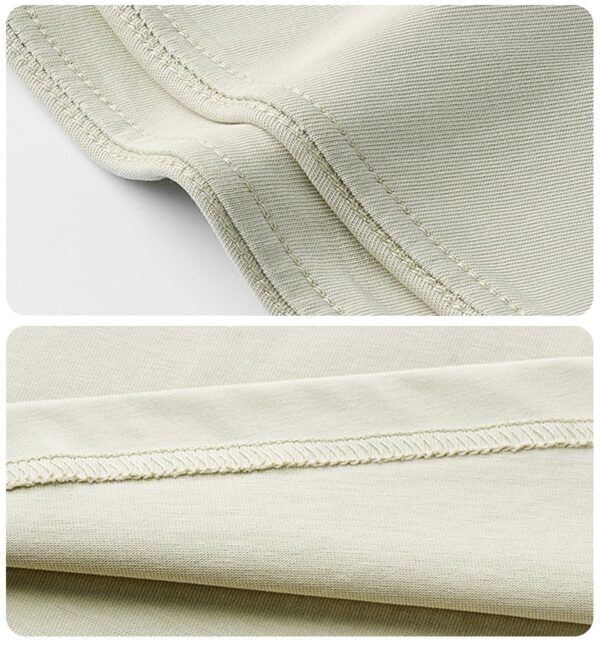
The neckline seam should be reviewed from front, back, and three-quarter angles because uneven easing can distort the opening. Check shoulder-to-neck transitions, seam bulk, topstitch consistency, and whether the collar remains centered when the shirt is lifted or laid flat.
Trade-Offs Buyers Should Resolve Before Approval
A firmer rib can improve recovery and sharpen the neckline, but it may reduce the soft, easy feel expected from an oversized T-shirt. A softer rib can improve comfort, yet it may require tighter process control to avoid stretching during sewing and laundering.
Collar height also changes perceived proportion. A higher band gives the heavy body more structure, while a lower band looks lighter and more relaxed. The correct choice depends on styling intent, target wearer, layering plan, and the desired relationship between neck opening and shoulder width.
How VeeWen Should Develop This Exact Argument
VeeWen's development workflow should begin with a neckline-specific tech pack: finished collar height, opening measurement, rib recovery target, seam construction, and tolerance points. The supplied image then serves as the visual checkpoint for body-to-neck proportion across the proposed neutral color range.
During sample review, compare the collar before and after controlled extension, steaming, and laundering according to the buyer's care plan. Record distortion at center front, shoulder junctions, and back neck, then approve the pattern and rib specification only when the oversized body still looks intentional.
Buyer Approval Checkpoint
Approve this style when the neckline maintains its planned curve, height, and centered position after handling, while the rib feels comfortable against the skin. Review the collar on the actual fabric weight, not on a substitute, because body structure changes perceived neckline balance.
The final approval should include a flat measurement sheet, front and back photographs, color-specific inspection, and wash-care confirmation. If recovery is acceptable but the opening looks too dominant or too narrow, revise the pattern before grading rather than correcting the issue in production.
Buyer Questions
Is the 300gsm weight verified for this T-shirt?
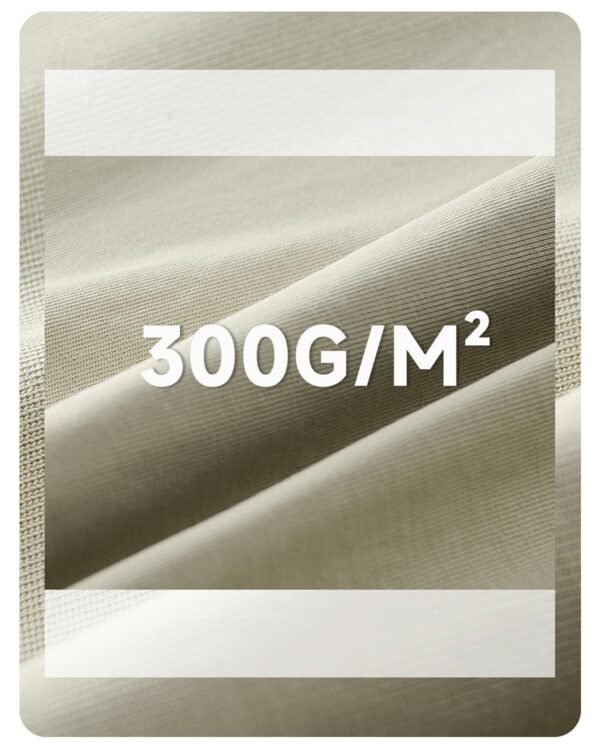
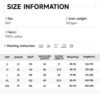
Yes, 300gsm appears in the supplied source wording. Final fabric weight, tolerance, composition, and testing method should be confirmed on the approved production fabric.
What neckline details should buyers specify?
Specify collar height, neckline circumference, rib structure, seam method, topstitching, recovery expectation, and measurement tolerances so the oversized silhouette remains controlled.
Can the pictured colors guide development?
Yes, the image provides white, cream, blush, sage, and charcoal visual references. Exact dye recipes, lab dips, color standards, and fastness requirements remain to confirm.
What is the minimum order quantity?
The commercial minimum is MOQ: 100 pieces per style. Final quantities by color, size ratio, and production specification should be agreed during order confirmation.
Approve the Neckline Direction
Send your target measurements, care expectations, and color standards to VeeWen for a neckline-focused development review. The next decision is whether the collar preserves proportion and recovery on the approved heavyweight body.


Reviews
There are no reviews yet.