









This custom quick-dry outdoor T-shirt is developed around neckline recovery, because a collar that stretches without returning can undermine comfort, layering, and repeat-order consistency. The visible rounded rib and 200gsm source reference give VeeWen clear starting points for a measured technical approval process.
Why the Neckline Leads Development
The collar is the first garment area pulled during dressing, layering, movement, and laundering. If the rib stretches faster than the neckline seam can support it, the opening may enlarge, flatten, or twist, changing both comfort and the intended clean crew-neck appearance.
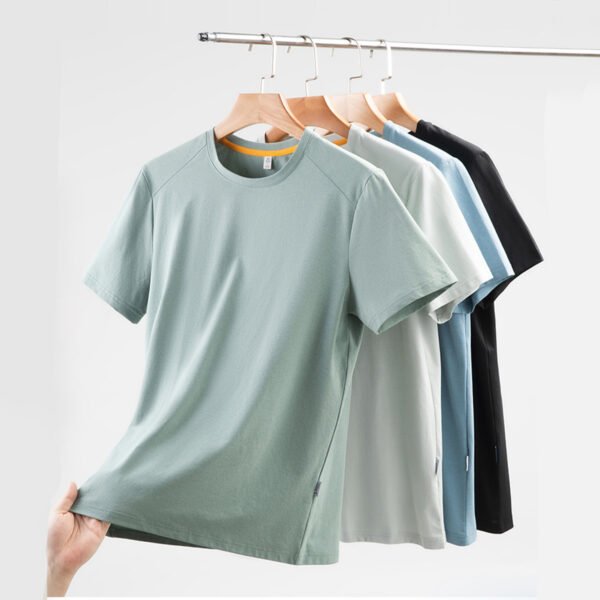
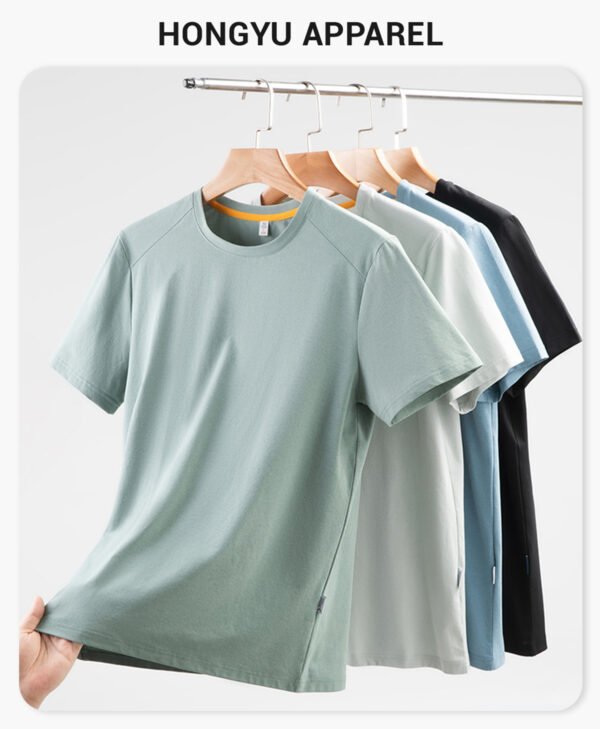
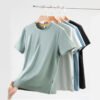
The supplied image shows a rounded rib collar lying close to the body while the shirt is held at the hem. That visible stability is an approval reference, not a verified performance result, and should be translated into measurable recovery requirements.
Rib and Body Interaction
Neckline shape depends on rib width, rib tension, neckline circumference, seam allowance, stitch selection, and the recovery behavior of the main fabric. These variables must be developed together because changing one can alter the opening and perceived fit.
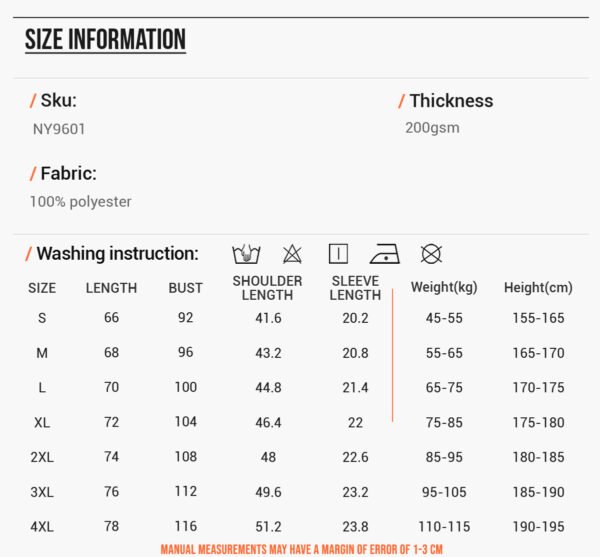
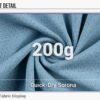
A 200gsm reference suggests a more substantial body than a lightweight basic, but the exact fiber blend and finishing route remain unverified. Pattern and rib settings should therefore be confirmed through samples rather than inferred from appearance or source wording alone.
Comfort Versus Retention
A tighter rib can improve return and keep the collar close to the neck, yet excessive tension may create pressure, distortion, or difficult entry during dressing. A softer rib can feel easier to wear but may lose shape sooner under repeated pulling.
The buyer should define the intended use pattern before selecting the final neckline balance. Outdoor layering may favor easy entry and stable return, while a cleaner standalone fit may justify a closer opening with firmer rib control and narrower tolerances.
Color and Repeatability
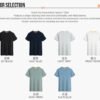
The image presents the same short-sleeve construction in sage green, white, blue, and black references. That range indicates a useful repeatability check: neckline dimensions and rib behavior should remain consistent when dye, finishing, and fabric lots change.
Color approval should include the collar separately from the body, especially where a pale or dark shade makes waviness more visible. Confirming shade, rib matching, and opening measurements together reduces the chance that a successful sample becomes inconsistent across the assortment.
VeeWen Development Checkpoint
VeeWen can connect this neckline argument to development by logging rib specifications, neckline measurements, seam construction, and recovery observations on each sample revision. The record should distinguish immediate stretch return from shape retention after laundering or repeated simulated dressing.
After the buyer selects the preferred comfort and retention balance, VeeWen can carry the approved collar dimensions into grading and pre-production review. The checkpoint is specific to this style because the neckline is the main functional interface, not a generic trim decision.
Buyer Approval Decision
Approve the collar after reviewing a sample through the intended care sequence and repeated opening test. Check neckline circumference, rib width, seam flatness, twisting, recovery time, and whether the opening still matches the approved visual shape afterward.
The final decision should also confirm the quick-dry claim pathway, exact composition, GSM, color standards, and size tolerances. Release the style for production only when technical evidence and appearance approval support the intended outdoor use.
Buyer Questions
What should be tested first on this T-shirt?
Test neckline opening, stretch recovery, collar flatness, seam stability, and shape retention after the intended care sequence and repeated dressing simulation.
Does 200gsm confirm the final fabric specification?
No. The source wording references 200gsm, but final fabric weight, tolerance, blend percentage, and finishing details require supplier and sample confirmation.
Why can collar tension affect outdoor comfort?
Excessive tension may restrict entry or create pressure, while insufficient tension can cause a loose opening, poor layering behavior, and faster visible distortion.
What is the minimum order quantity?
The commercial minimum is MOQ: 100 pieces per style, with final production dependent on approved materials, neckline standards, samples, and planning.
Approve the Neckline Performance
Share your target opening, rib preference, care route, and outdoor use conditions with VeeWen. We will structure development around recovery evidence, neckline shape, fabric confirmation, color consistency, and the MOQ: 100 pieces per style requirement.


Reviews
There are no reviews yet.