
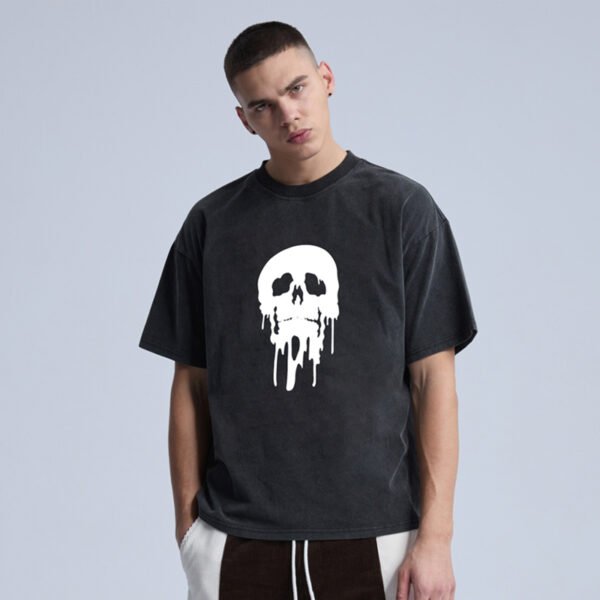


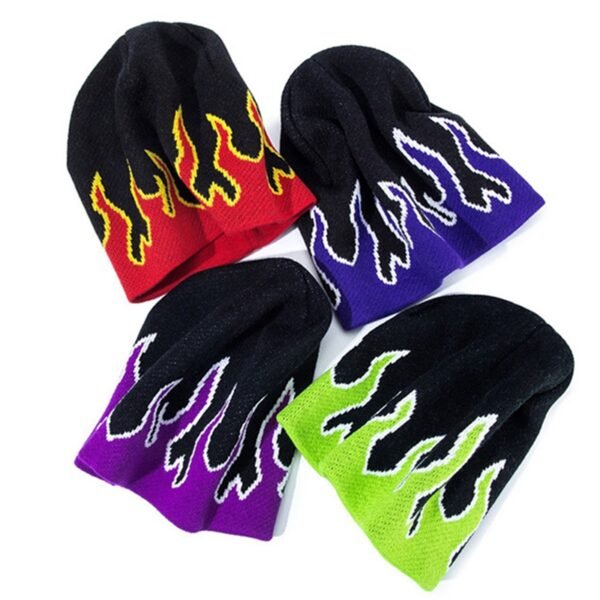




This custom unisex beanie is developed around circular rib recovery and opening shape. The source wording indicates a knitted fall-winter accessory with a flame graphic, but the supplied main image depicts a black graphic tee, so the first approval must reconcile the reference before technical sampling proceeds.
Why Rib Recovery Defines the Beanie
A knitted beanie depends on its opening to stretch over the head, return toward its intended circumference, and remain comfortable after repeated wear. Insufficient recovery can create slippage and a collapsed profile, while excessive recovery can create pressure around the forehead.
That balance makes rib engineering the central development decision. Rib height, stitch structure, yarn behavior, and opening circumference should be evaluated together because changing one variable can alter both retention and the visual shape of the finished accessory.
Resolving the Reference Evidence
The source wording describes a knitted beanie for fall-winter use, with a soft cotton reference, flame graphic, and unisex streetwear positioning. However, the supplied main image visibly shows a black short-sleeve T-shirt with a large white skull graphic, not a beanie.
This mismatch must be resolved before the buyer approves artwork, color, or construction. VeeWen's workflow should record the beanie source as the product brief while flagging the image as non-confirming evidence, preventing the wrong silhouette from entering the technical pack.
Opening Shape and Forehead Comfort
The lower opening controls first contact with the wearer, so its finished circumference and rib height directly influence pressure distribution. A narrow contact band may feel restrictive, while a shallow or loose opening may fail to stay positioned during walking or outdoor activity.
Sampling should assess the beanie on more than one head profile, with attention to forehead pressure, ear coverage, rebound after removal, and whether the opening rolls or twists. These observations are more useful than judging the rib while the product lies flat.
Graphic Placement on a Flexible Surface
A flame graphic introduces a second shape variable because knitted fabric expands and contracts around the head. Oversized or rigid artwork may distort across the crown, interrupt the rib's movement, or create a heavier area that changes how the beanie sits.
The artwork should therefore be mapped against the finished panel layout, not only a flat rectangle. The development review can compare embroidery, patch, print, or knitted-in treatment after confirming the actual reference, desired hand feel, and acceptable visual distortion.
Workflow for Recovery Validation
VeeWen's product-development workflow can convert the opening requirement into measurable sample checkpoints: relaxed circumference, stretched circumference, rib height, fold depth, and recovery after repeated stretch. These values should be recorded alongside yarn and gauge decisions once the physical reference is confirmed.
A fit sample then provides the practical test. The team can inspect opening symmetry, crown balance, graphic alignment, and comfort on the wearer, using those findings to revise the pattern or knitting instructions before bulk specifications are released.
Buyer Approval Checkpoint
The buyer should first confirm that the intended product is the beanie described by the source wording, rather than the T-shirt shown in the supplied image. Next, approve the actual opening shape, rib behavior, graphic treatment, and finished depth on a worn sample.
Only after those decisions are documented should the order specification be finalized. The approval record should include material confirmation, artwork files, tolerances, packaging direction, size or fit assumptions, and MOQ: 100 pieces per style.
Buyer Questions
Why must the supplied image be reconciled before sampling?
Because the image depicts a T-shirt rather than a beanie, approving it as direct evidence could transfer incorrect silhouette, artwork, color, and construction decisions.
What does rib recovery mean for this beanie?
Rib recovery describes how the opening stretches around the head and returns toward its intended shape, affecting retention, pressure, comfort, and long-term appearance.
Can the beanie opening be developed for different fits?
Yes, opening circumference, rib height, fold depth, and crown dimensions can be adjusted after the buyer confirms the target wearer profile and reference.
What is the minimum order quantity?
MOQ: 100 pieces per style. Final production planning depends on approved materials, artwork, construction details, size distribution, and packaging requirements.
Confirm the Beanie Reference First
Provide the correct beanie image or physical reference, plus the intended graphic file and wearer profile. VeeWen can then validate rib recovery, opening shape, comfort, and MOQ: 100 pieces per style.



Reviews
There are no reviews yet.